Can Removing Old Insulation Reduce Musty Odors in Your Whitinsville, MA Property?
admin_lamotheinsulation
February 13th, 2026
Yes, removing old insulation can significantly reduce musty odors in your Whitinsville, MA, property. Old insulation often harbors moisture, mold, mildew, and pests that create persistent smells. When insulation becomes saturated with humidity or contaminated by rodent droppings, it becomes a breeding ground for odor-causing bacteria. The removal process eliminates these sources at their origin, providing a fresh start for your indoor air quality.
This guide covers everything you need to know about how old insulation contributes to musty odors, the removal process, and what to consider before making this decision. With years of experience handling insulation issues in Massachusetts homes, Lamothe Insulation and Contracting understands the specific challenges homeowners face with older properties and their odor problems.
Why Old Insulation Creates Musty Odors
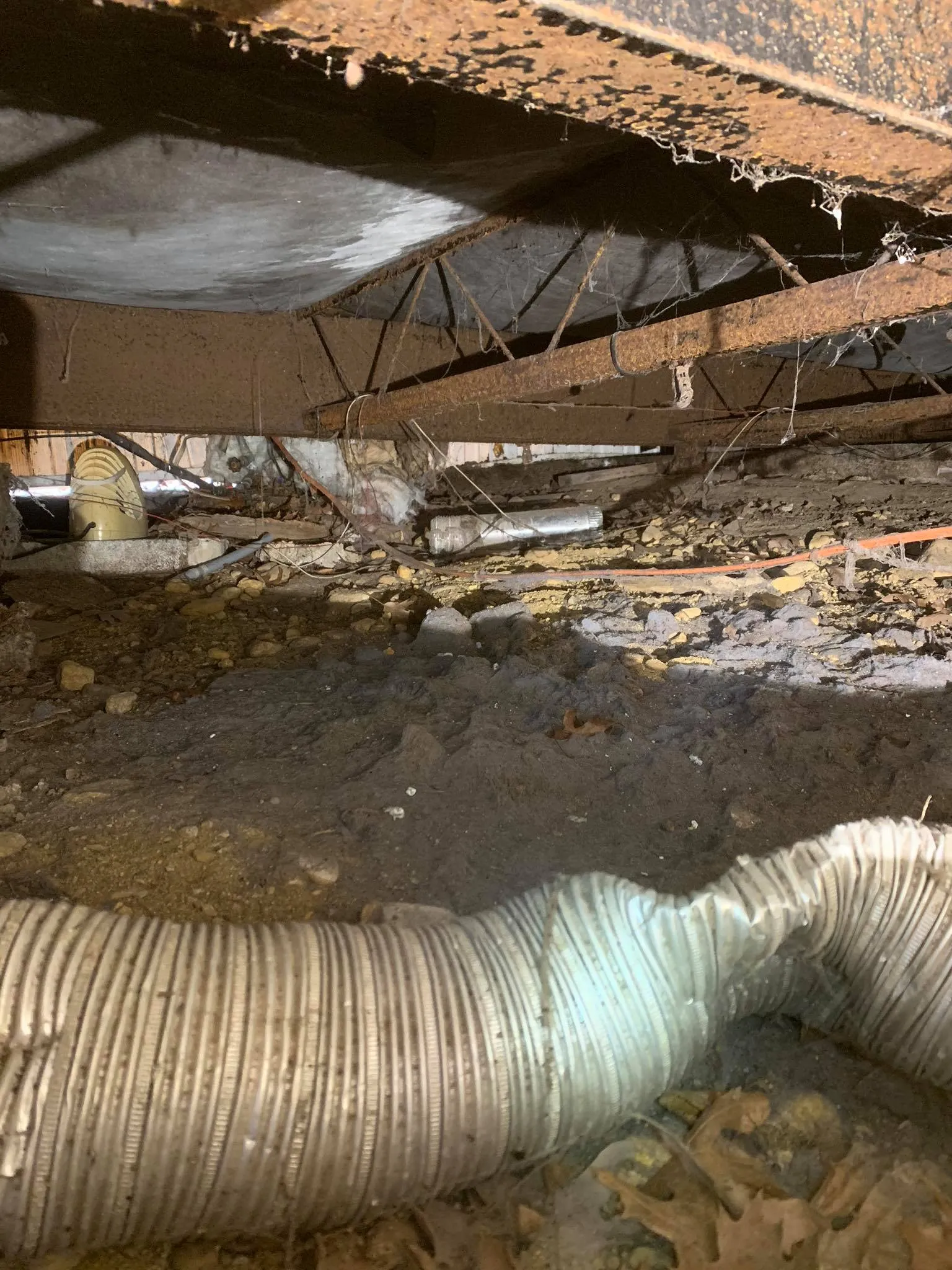
Insulation materials naturally break down over time, losing their effectiveness and becoming problematic. When insulation ages, it can absorb moisture from roof leaks, condensation, or high humidity levels common in Massachusetts summers. This trapped moisture creates perfect conditions for mold and mildew growth, which releases those characteristic musty smells throughout your home.
The composition of older insulation materials also contributes to odor issues. Many homes built before the 1990s contain insulation that breaks down into dust particles. These particles can circulate through your home’s ventilation system, carrying odors and potentially harmful substances. According to the Environmental Protection Agency, indoor air quality can be 2-5 times more polluted than outdoor air, with old insulation being a significant contributor.
How Removal Eliminates Odor Sources
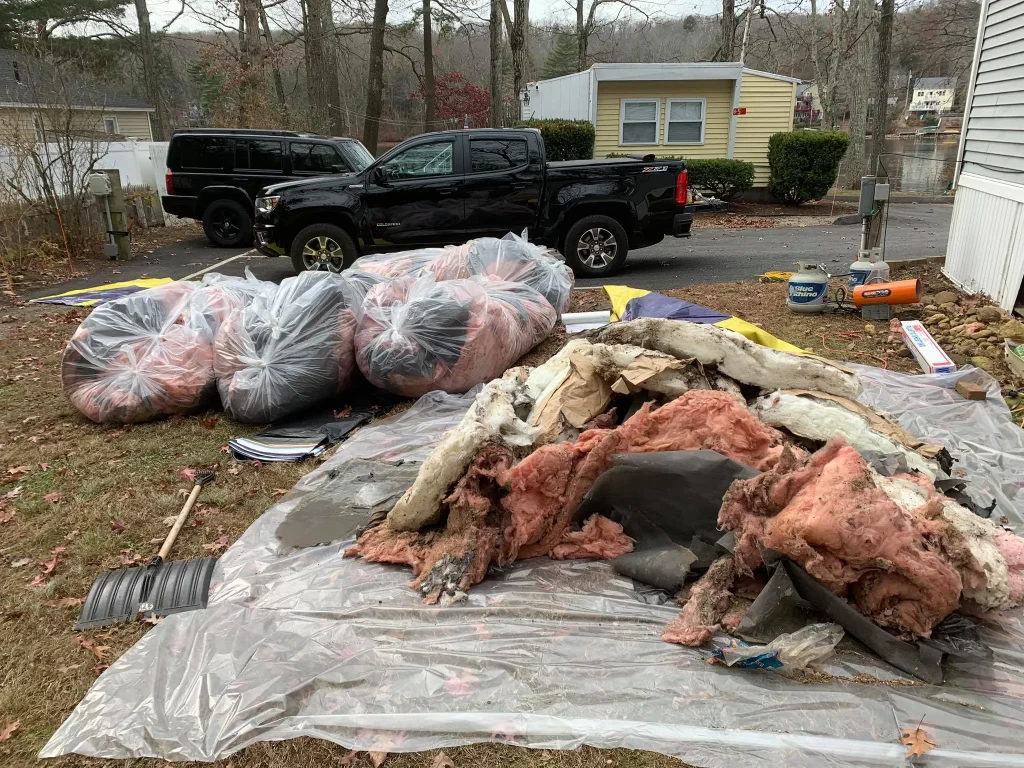
Removing compromised insulation solutions address odor problems at their source rather than just masking symptoms. The extraction process physically removes all moisture-saturated material, mold colonies, pest droppings, and decaying insulation fibers. This eliminates the biological material producing the musty smells and prevents them from returning.
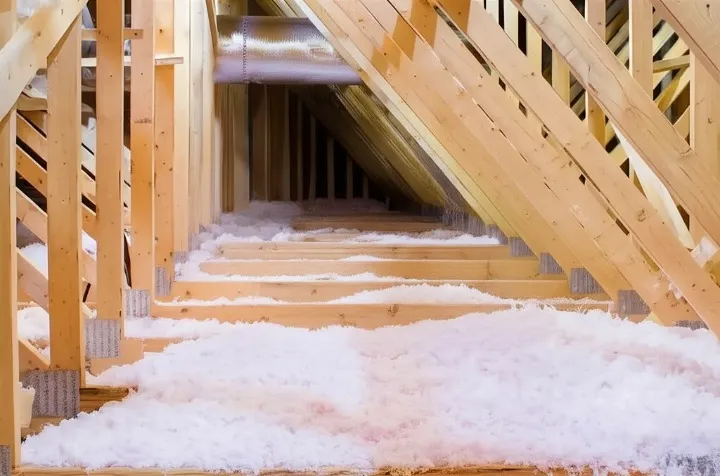
After removal, the exposed areas allow for proper inspection and treatment of underlying issues. Any structural damage, roof leaks, or ventilation problems can be identified and corrected before new insulation is installed. This comprehensive approach ensures that odors won’t return due to unresolved moisture issues.
Regional Considerations for Whitinsville Properties
Whitinsville’s climate presents specific challenges for insulation longevity. The area experiences humid summers that can cause condensation in attics and wall cavities, while cold winters create temperature differentials that lead to moisture problems. Local properties, especially older homes in the historic districts, often deal with outdated insulation materials that weren’t designed for modern building standards.
The soil composition around Whitinsville can also contribute to basement moisture issues that affect insulation in lower levels. Many homes in this area have stone or brick foundations that allow moisture to penetrate, creating damp conditions in crawl spaces and basements where insulation is often installed.
Insulation Types and Their Odor Potential
Insulation Type
Typical Lifespan
Odor Risk
Removal Complexity
Fiberglass Batts
20-30 years
Moderate
Low
Cellulose
20-40 years
High
Moderate
Spray Foam
20+ years
Low
High
Vermiculite
50+ years
Very High
High
Mineral Wool
30+ years
Low
Moderate
Older cellulose insulation presents the highest risk for odor problems because it’s made from recycled paper products that readily absorb moisture. When wet, it becomes compact and heavy, losing its insulating properties while creating perfect conditions for mold growth. Vermiculite insulation, commonly installed in mid-century homes, carries additional concerns as some varieties may contain asbestos.
Things to Consider Before Making a Decision
Before committing to insulation removal, several factors deserve careful evaluation. First, assess whether removal is necessary or if targeted spot treatment might suffice for minor odor issues. Small localized problems can sometimes be addressed without full removal, though comprehensive odors usually require complete extraction.
Consider the timing of your removal project. Spring and fall provide ideal conditions in Whitinsville, as moderate temperatures make the work more comfortable and allow for proper ventilation during and after the process, as recommended by Energy Star. Summer removal can be challenging due to humidity levels, while winter work may require temporary heating solutions.
Bonus Tip: Request air quality testing before and after insulation removal to quantify improvement in your home’s environment. This documentation can be valuable for health tracking and future property assessments.
The Removal Process Explained
Professional insulation removal in Whitinsville, MA typically begins with preparation work to protect your living space. Workers will seal off work areas with plastic sheeting, establish negative air pressure to prevent dust spread, and set up specialized vacuum equipment. For batt insulation, crews manually remove and bag materials, while loose-fill insulation like cellulose requires industrial vacuums designed for fine particulate extraction.
The cleanup phase is critical for odor elimination. After all insulation is removed, surfaces are thoroughly cleaned, sanitized, and often treated with antimicrobial solutions. Any structural components exhibiting water damage or mold growth must be remediated before new insulation can be installed. This comprehensive approach ensures no odor sources remain behind.
Making Your Decision
Removing old insulation in Whitinsville, MA effectively eliminates persistent musty odors by addressing the root cause rather than just masking symptoms. The investment pays dividends through improved air quality, better energy efficiency, and peace of mind knowing your home’s insulation system is clean and modern. For Whitinsville homeowners dealing with mysterious musty smells, professional insulation removal offers a permanent solution that decades of air fresheners can’t match.
Evaluate your specific situation by considering insulation age, odor severity, and any visible signs of moisture problems. If your home has insulation older than 20 years, visible water stains, or persistent smells that don’t respond to ventilation, removal likely offers the most effective path to a fresh-smelling home.
Need a Professional Assessment of Your Insulation Situation
For homeowners in Whitinsville considering insulation removal, a professional evaluation provides clarity about your specific situation. Contact Lamothe Insulation at [email protected] or call (508) 847-0119 to schedule an inspection. Our team can assess your insulation condition, identify odor sources, and provide detailed recommendations for achieving the fresh, clean indoor environment your home deserves.
FAQS
Does new insulation prevent future odor problems?
Modern insulation materials have better moisture resistance properties than older versions. However, proper installation and addressing underlying moisture issues are essential for preventing future odor problems. New insulation combined with improved ventilation creates a system that resists moisture accumulation.
Can insurance cover insulation removal costs?
Homeowner’s insurance may cover removal if damage results from a covered peril like roof leaks or burst pipes. Gradual deterioration due to age or maintenance issues typically isn’t covered. Review your specific policy and document the cause of any damage when filing claims.
How soon will I notice odor improvement after removal?
Most homeowners notice significant improvement within 24-48 hours after removal and cleanup are complete. The complete elimination of residual odors may take up to a week as remaining particles settle and your ventilation system cycles the air.
Should I replace insulation immediately after removal?
While immediate replacement is possible, allowing a few days between removal and installation provides time for any remaining odors to dissipate and ensures all moisture issues have been fully addressed. This gap also allows for proper drying of any treated surfaces.
Mineral wool offers superior soundproofing performance compared to blown-in insulation, delivering STC ratings of 45-52 versus cellulose’s typical STC rating…
Closed-cell spray foam insulation outlasts all traditional insulation types, maintaining peak performance for 80 to 100+ years without degradation. Traditional…