Stopping Mold Growth: Why Insulation Removal is the First Step
admin_lamotheinsulation
February 13th, 2026
Removing contaminated insulation is the essential first step in stopping mold growth because insulation materials act as sponges that trap moisture and provide the perfect environment for mold spores to multiply. Once mold establishes itself in insulation, it spreads rapidly through the material’s fibers and cannot be effectively cleaned or treated without complete removal. This article explains why removing insulation is necessary, how to identify issues, and the steps to protect your home and health.
Mold in insulation creates a hidden danger that many homeowners overlook until it becomes a serious problem. With extensive experience in mold remediation and insulation replacement, Lamothe Insulation and Contracting understands that proper diagnosis and complete removal are non-negotiable for lasting solutions. The information provided here comes from years of hands-on work dealing with mold-contaminated insulation systems.
How Mold Takes Over Insulation Materials
Insulation becomes a breeding ground for mold when three conditions exist: moisture, food source, and suitable temperature. Most insulation materials provide a food source through organic components like paper backing, binders, or natural fibers. Moisture enters through roof leaks, condensation, high humidity, or plumbing issues. Once these elements combine, mold can begin growing within 24-48 hours.
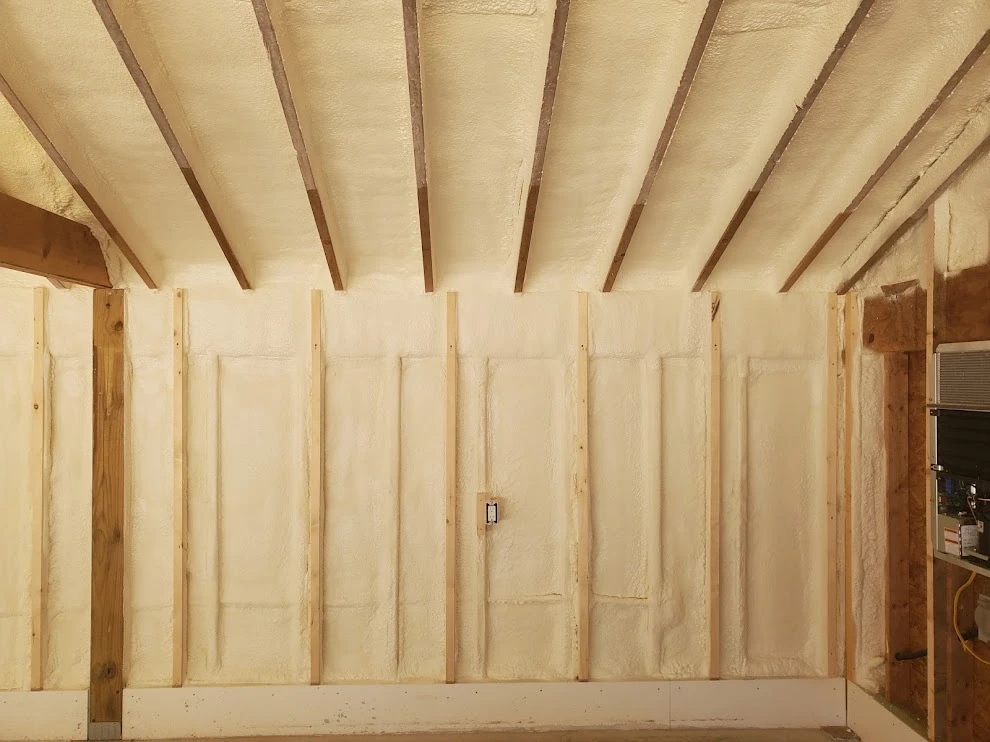
Different insulation types have varying susceptibility to mold growth. Fiberglass insulation, while often marketed as mold-resistant, can still support mold growth on its paper facing and in dust accumulation within the material. Cellulose insulation presents even higher risks due to its paper composition and tendency to absorb moisture. Spray foam insulation typically resists mold growth itself but can still trap moisture against wood framing, allowing mold to develop in adjacent materials.
Health and Structural Dangers of Mold in Insulation
Mold exposure causes significant health problems, particularly for sensitive individuals. According to the Centers for Disease Control and Prevention, mold exposure can lead to respiratory symptoms, allergic reactions, asthma attacks, and even serious infections in immunocompromised people. When mold grows in insulation, it releases spores into your air through even the smallest openings in walls or ceilings.
Structural damage presents another serious concern. Mold breaks down organic materials over time, compromising the integrity of wood framing, drywall, and other building components. The Environmental Protection Agency reports that prolonged mold exposure can weaken structural elements and lead to costly repairs. Insulation contaminated with mold also reduces thermal performance, increasing energy costs as it becomes compressed and moisture-laden.
Insulation Types and Mold Susceptibility
Insulation Type
Mold Risk Level
Typical Causes of Contamination
Removal Difficulty
Fiberglass (with paper facing)
High
Moisture infiltration through the paper backing
Moderate
Fiberglass (unfaced)
Medium
Dust accumulation provides a food source
Easy to Moderate
Cellulose
Very High
Absorbs and retains moisture easily
Difficult
Spray Foam
Low (but traps moisture)
Poor installation creates moisture pockets
Very Difficult
Mineral Wool
Low
Naturally resistant but not immune
Moderate
The table above shows why some insulation types require more immediate attention than others when water intrusion occurs. Cellulose insulation, for example, can become completely saturated and support extensive mold colonies throughout the entire insulation cavity, making removal particularly challenging.
When Insulation Removal Becomes Necessary
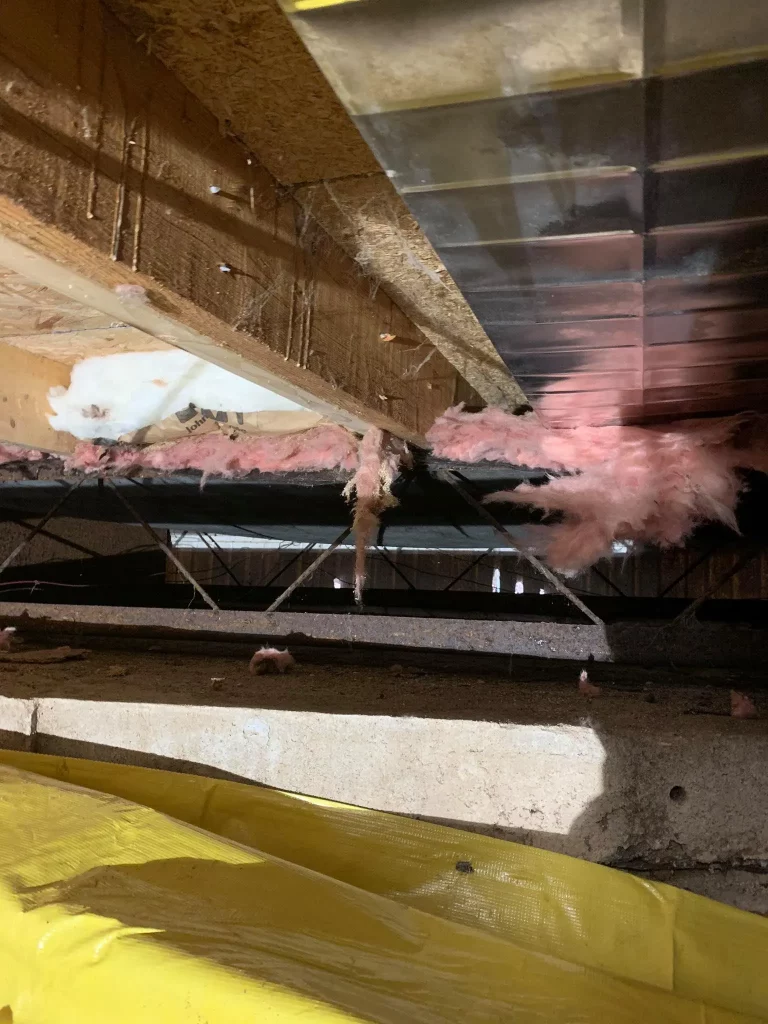
Visible mold growth or persistent musty odors indicate that removal is immediately necessary. However, mold often grows hidden within wall cavities and attic spaces where it goes unnoticed for months or years. Water damage, even from events that occurred years ago, warrants insulation inspection since mold can remain dormant and reactivate when moisture returns.
Professional testing provides the most accurate assessment. Air quality testing and surface sampling identify mold types and concentration levels. According to the Building Science Corporation, mold concentrations above 1000 CFU/m³ typically indicate a problem requiring professional remediation. Insurance companies often require this documentation before covering mold remediation costs.
The Professional Removal Process
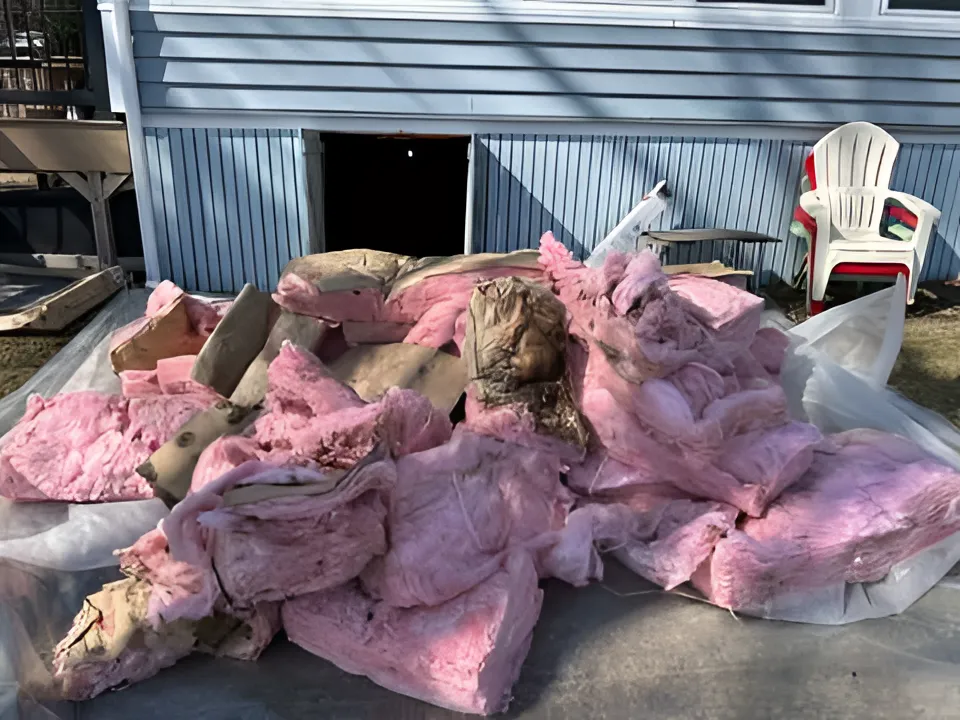
Proper insulation removal follows specific safety protocols to contain mold spores and protect the rest of your home. The process begins with establishing containment using plastic barriers and negative air pressure systems. Technicians wear personal protective equipment, including respirators, disposable coveralls, and gloves, to prevent exposure.
All contaminated insulation gets removed using specialized equipment designed to minimize dust generation. This isn’t a job for standard shop vacs, which would simply spread mold spores throughout the space. After removal, surfaces require thorough cleaning and antimicrobial treatment. Only then should new insulation be installed, along with measures to prevent future moisture intrusion.
Things to Consider Before Making a Decision
Before starting insulation removal, several factors must be carefully considered to ensure effective results and prevent recurrence.
Source of Moisture: The water problem causing mold growth must be completely resolved before installing new insulation. Without fixing leaks or condensation issues, new insulation will quickly become contaminated again.
Extent of Contamination: Small patches of mold might be manageable through spot removal, but widespread contamination typically requires full insulation replacement. Professional assessment helps determine the appropriate scope of work.
Insurance Coverage: Many homeowners’ policies cover mold remediation when it results from covered perils like sudden water damage. Document the problem thoroughly and contact your insurance provider before starting work.
Replacement Insulation Type: Consider choosing mold-resistant materials for replacement. Closed-cell spray foam provides superior moisture resistance but requires professional installation. Mineral wool offers good moisture resistance at a lower cost point.
Budget Considerations: Insulation removal costs vary widely depending on contamination extent, accessibility, and insulation type. Plan for potential additional costs if underlying structural repairs become necessary.
Key Takeaways
Mold in insulation poses serious health and structural risks that cannot be ignored. Complete removal of contaminated insulation provides the foundation for effective mold remediation. Identifying and fixing moisture sources prevents recurrence, while choosing appropriate replacement materials offers better protection against future problems.
Professional assessment determines the scope of work needed for your specific situation. Don’t delay addressing musty odors or visible water damage – prompt action prevents small problems from becoming expensive nightmares. Evaluate your home’s ventilation, moisture control, and insulation condition to maintain a healthy living environment.
Need a Professional Assessment?
If you suspect mold growth in your insulation or have experienced water damage, a professional evaluation is essential. Lamothe Insulation provides comprehensive mold assessment and insulation replacement services. Contact us at [email protected] or call (508) 847-0119 to schedule an inspection and protect your home’s health and structural integrity. Early intervention prevents larger problems and saves money in the long run.
FAQS
Does all mold in insulation need to be removed?
While not all mold species are toxic, any mold growth in insulation indicates moisture problems and potential health risks. Professional assessment determines the appropriate response, but removal is typically recommended for safety and effectiveness.
How can I tell if insulation has mold?
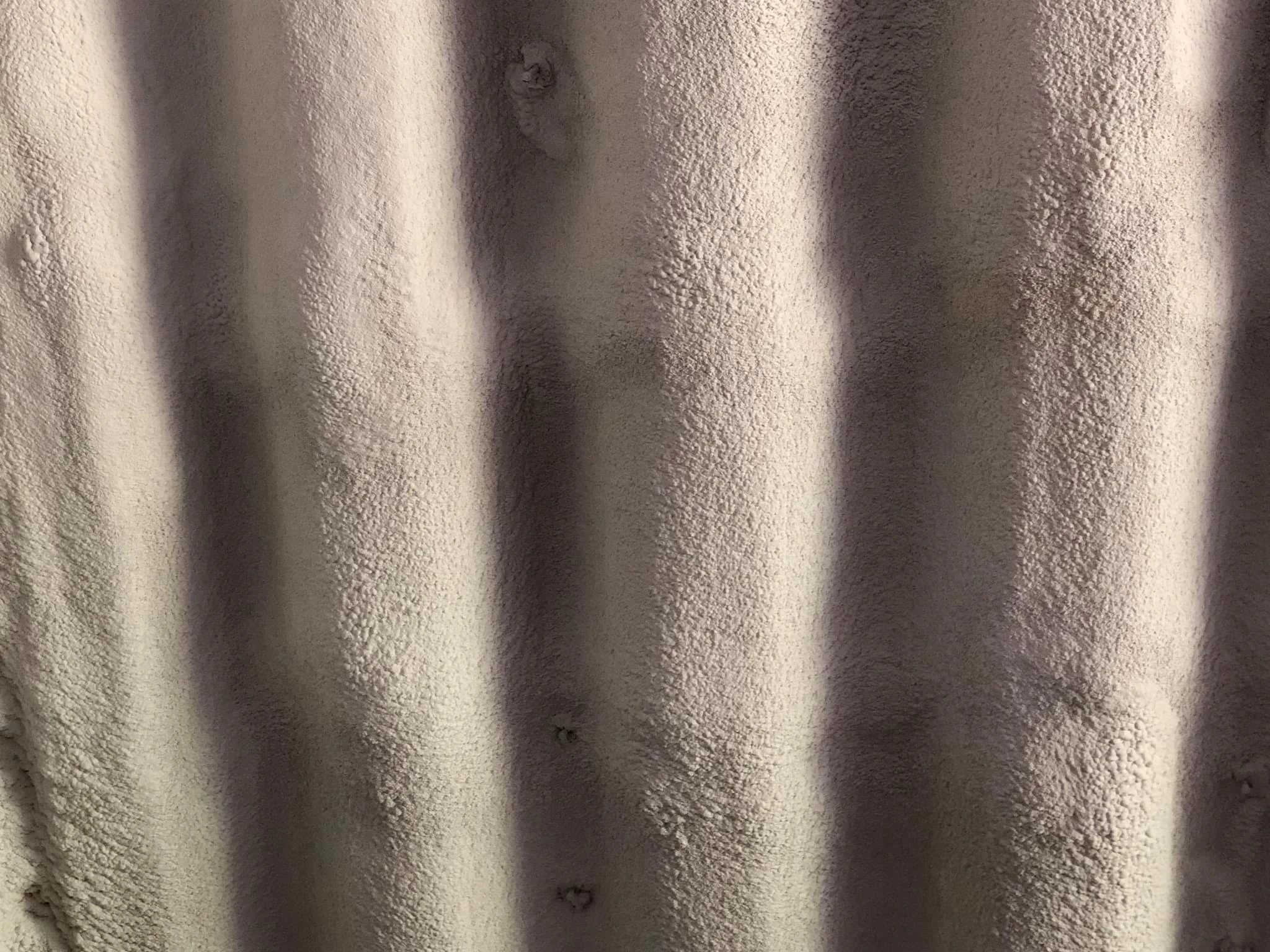
Look for discoloration, dark spots, or visible growth on insulation surfaces. Musty odors, increased allergy symptoms, or visible water stains also indicate potential problems. Professional testing provides definitive answers when visual inspection is inconclusive.
What kills mold in insulation?
Surface treatments may kill mold temporarily, but dead spores and mycotoxins remain and can cause health issues. Complete physical removal is necessary for thorough remediation, as even dead mold particles can trigger allergic reactions.
Is mold remediation covered by insurance?
Coverage varies by policy and cause of mold growth. Sudden water damage is typically covered, while gradual moisture issues or poor maintenance often aren’t. Review your policy carefully and document everything for potential claims.
Will new insulation prevent mold return?
New insulation alone won’t prevent mold return unless underlying moisture problems are resolved. Proper ventilation, moisture barriers, and addressing water intrusion sources are essential for long-term prevention.
Mineral wool offers superior soundproofing performance compared to blown-in insulation, delivering STC ratings of 45-52 versus cellulose’s typical STC rating…
Closed-cell spray foam insulation outlasts all traditional insulation types, maintaining peak performance for 80 to 100+ years without degradation. Traditional…