What Problems Does Old Attic Insulation Cause in Northbridge, MA Homes?
Old attic insulation in Northbridge, MA homes causes rising energy bills, indoor air quality problems, roof damage from ice dams,…

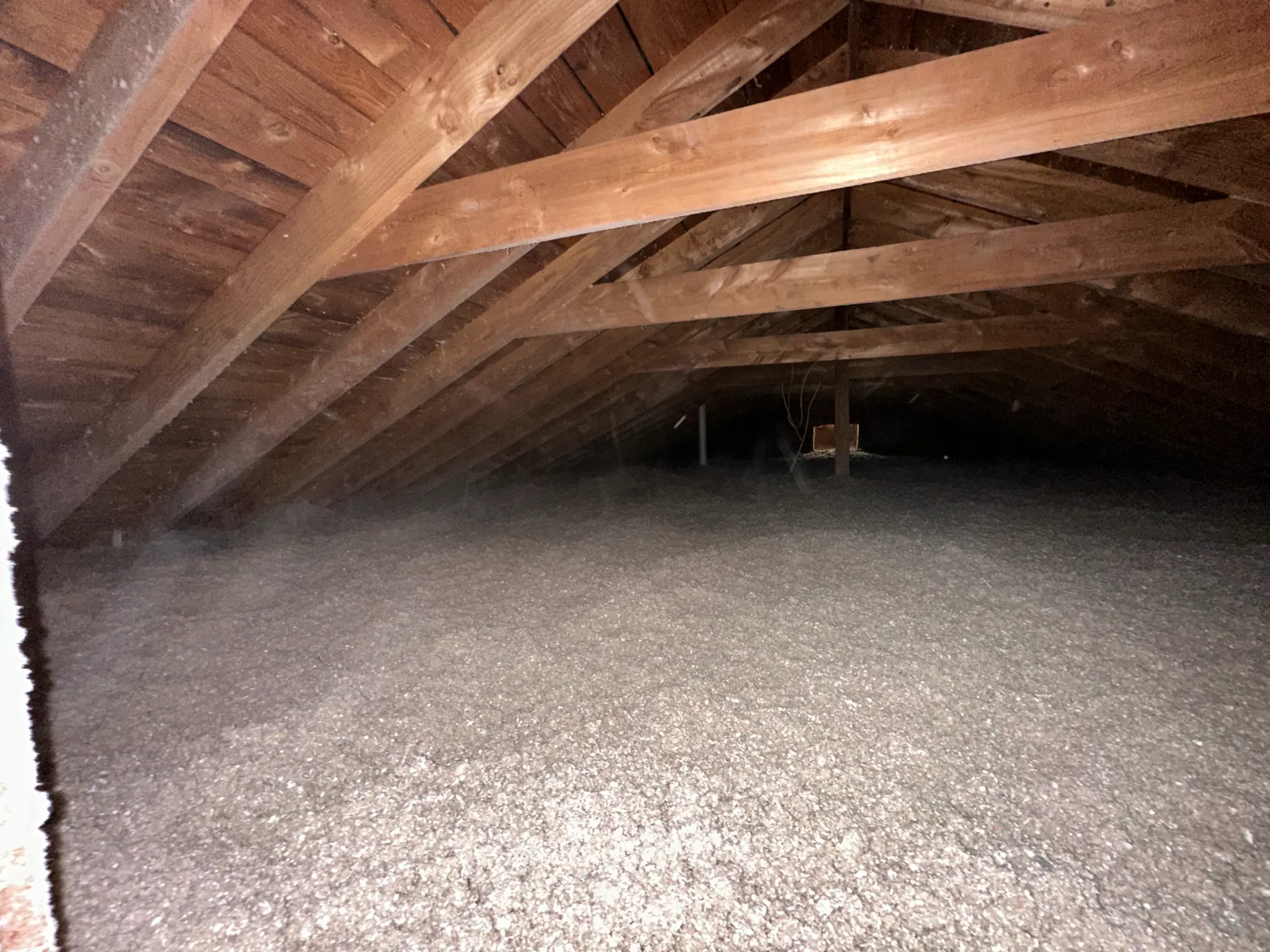
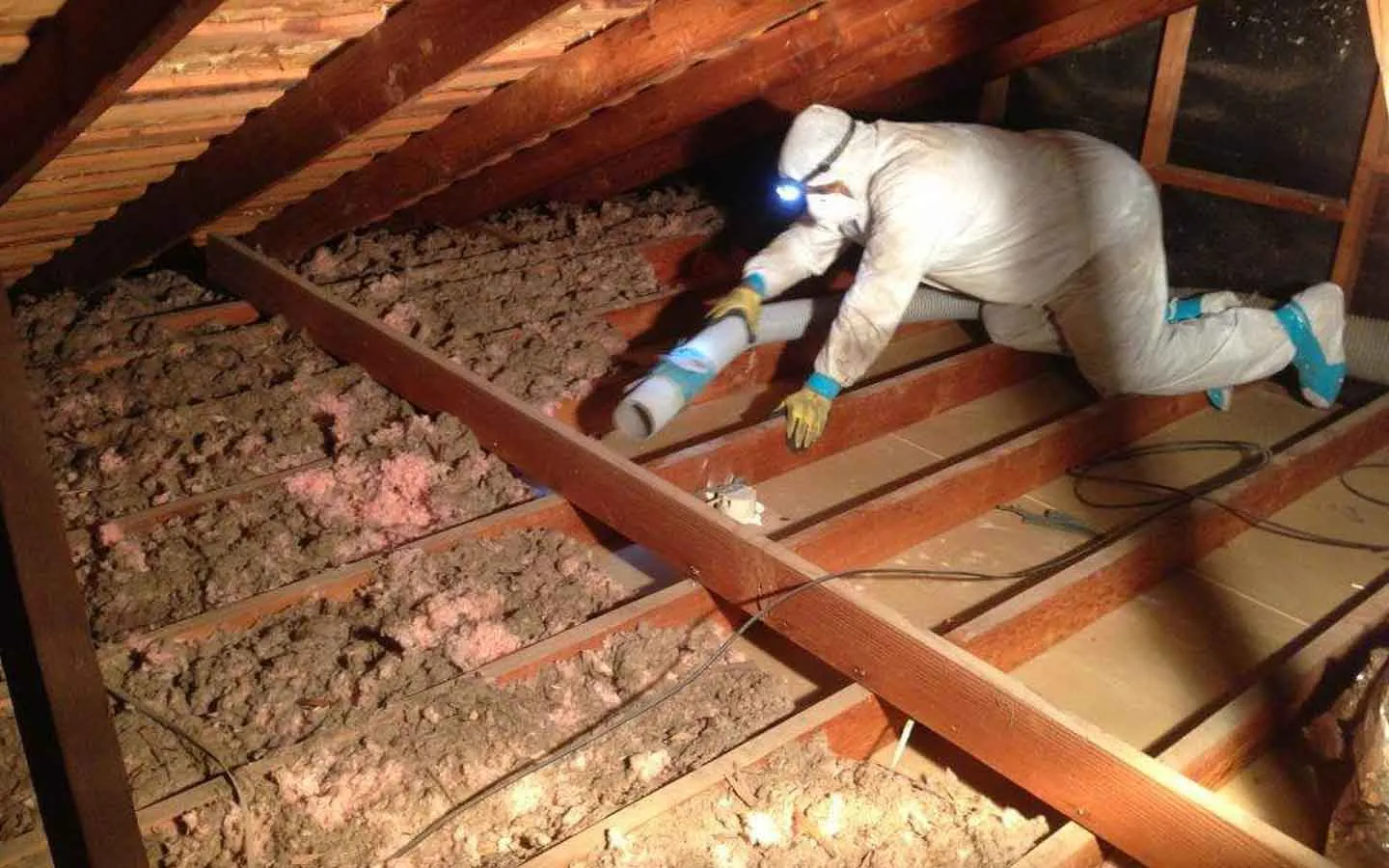
Dense-pack cellulose insulation is one of the most effective ways to cut air leakage in an existing home without opening up the walls. It’s made from recycled paper fiber, blown in under pressure until it fills a cavity completely, and it’s become a go-to option for homeowners who want better performance without the cost of spray foam. If you want the full rundown on how it’s installed and where it fits best, our dense-pack and blown-in insulation breaks down the process in more detail.
This guide covers what dense pack cellulose actually is, how much it costs, its real R-value, how it stacks up against fiberglass and spray foam, and the questions homeowners ask most before installing it.
Dense pack cellulose insulation is a loose-fill material made from 80–85% recycled paper, mostly newsprint, treated with a borate solution for fire and pest resistance. Unlike standard loose-fill cellulose, which is blown in loosely, dense-packed cellulose insulation is compacted tightly into a cavity using a specialized blower, leaving almost no room for air to move.
That density is the whole point. Air movement inside a wall or attic cavity is one of the biggest drivers of heat loss, and a tightly packed cavity simply doesn’t have the space for air to circulate. It’s part of why dense pack cellulose has become a common upgrade for older homes where the walls are already open for renovation, or where cavities can be accessed through small drilled holes without removing drywall.
Installers use a calibrated blower to force cellulose fibers into wall, floor, or attic cavities until the material reaches a target density, typically around 3.5 pounds per cubic foot for wall applications. That’s meaningfully denser than standard loose-fill insulation, which is why it’s often referred to as high-density cellulose insulation.
The tight pack does two things at once: it fills every irregular gap around wiring, pipes, and framing, and it holds its density instead of settling and creating voids over time. Both matter more in older homes, where uneven framing and years of settling in existing insulation are common problems.
Dense pack cellulose insulation R-value typically falls between 3.7 and 3.8 per inch, which is comparable to fiberglass batts and slightly ahead of standard loose-fill cellulose. In a standard 2×4 wall cavity, that works out to roughly R-13 to R-15 total; in a 2×6 cavity, closer to R-20 to R-21.
R-value alone doesn’t tell the whole story, though. Because dense-pack cellulose eliminates the air gaps and convective loops that reduce the real-world performance of looser insulation, it often outperforms its R-value on paper once it’s actually installed in a wall. The FTC notes that the right R-value for a home depends on climate and construction type, not just a single target number, so it’s worth confirming what level actually makes sense for your space.
Dense pack cellulose insulation cost generally runs $1.50 to $3.50 per square foot installed, depending on a few factors:
For most retrofit projects, dense pack cellulose lands well below spray foam on a per-square-foot basis while still delivering strong air-sealing performance, which is why it’s a common choice for homeowners upgrading an existing house rather than building new. Getting a couple of quotes side by side is the easiest way to see where your project actually falls in that range.
A properly dense-packed cavity blocks both conductive heat transfer and air movement, which means your HVAC system works less to hold a consistent indoor temperature. That combination is what typically drives down heating and cooling costs after installation.
The dense, fibrous fill absorbs sound more effectively than lighter insulation types, which noticeably cuts down on noise transfer between rooms and from outside.
This is where eco cellulose insulation earns its name. Made from 80–85% recycled paper, it uses far less energy to manufacture than fiberglass or spray foam, and it keeps that paper out of landfills. The EPA lists recycled content and low embodied energy as two of the key factors in choosing a greener insulation material, both of which cellulose scores well on. It’s also treated with non-toxic borate rather than synthetic fire retardants, giving it a Class 1 fire safety rating.
By closing off the small gaps where dust, pollen, and outdoor allergens typically enter a home, dense pack cellulose can meaningfully improve indoor air quality. It’s also naturally resistant to mold growth when installed correctly, since the borate treatment inhibits fungal growth.
Because it molds around wiring, pipes, and framing without needing custom cuts, dense pack cellulose is often faster and cheaper to install in an existing home than rigid or spray-applied alternatives.
| Dense Pack Cellulose | Fiberglass | |
| R-value per inch | 3.7–3.8 | 3.1–3.4 (batts) |
| Air sealing | Fills gaps completely | Gaps common if installed poorly |
| Recycled content | 80–85% | Low to moderate |
| Best for | Retrofits, existing walls | New construction, open cavities |
Spray foam is well known for air sealing, but it comes at a materially higher price point and is made from petrochemical-based materials. Dense pack cellulose delivers strong air-sealing performance at a lower installed cost and a smaller environmental footprint, which makes it the more practical choice for homeowners who don’t need the added benefits (like structural rigidity or a class-leading air barrier) that spray foam provides.
If you’re weighing dense pack cellulose against other blown-in options for your specific project, our team can walk through what fits your home during a free assessment — see our full insulation services overview for everything we install.
Home age: Older homes with closed walls benefit most, since cellulose can be blown in through small access holes without major renovation.
Budget: It sits between standard batt insulation and spray foam on cost, making it a strong middle-ground option for homeowners prioritizing performance and price.
Sustainability priorities: If minimizing environmental impact matters to your decision, cellulose’s recycled content and low manufacturing energy make it one of the greener insulation choices available.
Dense pack cellulose insulation is a practical way to cut energy loss, reduce noise, and improve air quality in an existing home, without the cost or disruption of a full renovation. If you’re ready to see whether it’s the right fit for your space, reach out, and we’ll walk you through your options.
Get a free quote or call (508) 847-0119 to talk to our team.
Related reading: Spray Foam vs. Reflective Insulation: What Works Best in Extreme Weather?
Minimally. Because it’s compacted to a specific density during installation, dense pack cellulose resists the settling that affects standard loose-fill insulation, so it holds its R-value and coverage over the long term.
Yes. It’s treated with a non-toxic borate solution rather than synthetic chemical fire retardants, and once installed inside a sealed wall or attic cavity, there’s no ongoing exposure. The borate treatment also deters pests and inhibits mold growth.
Typically 3.7 to 3.8 per inch, which translates to roughly R-13 to R-21 depending on wall depth.
Most retrofit projects fall between $1.50 and $3.50 per square foot installed, depending on access, home size, and local labor rates.
Yes. Because the fibers are compacted to fill every gap in a cavity, dense-packed cellulose is one of the more effective options for stopping air infiltration in existing walls.
It’s possible to rent equipment, but achieving proper density without gaps or voids takes experience. Under-packing reduces performance, and over-packing can put pressure on drywall or framing, so most homeowners hire a professional installer.
Dense pack cellulose costs less and has a smaller environmental footprint; spray foam offers a slightly stronger air barrier and adds structural rigidity. For most retrofit budgets, dense pack cellulose delivers the better performance-to-cost ratio.A comfortable, energy-efficient home that meets your needs and values. Let’s make your space better together.