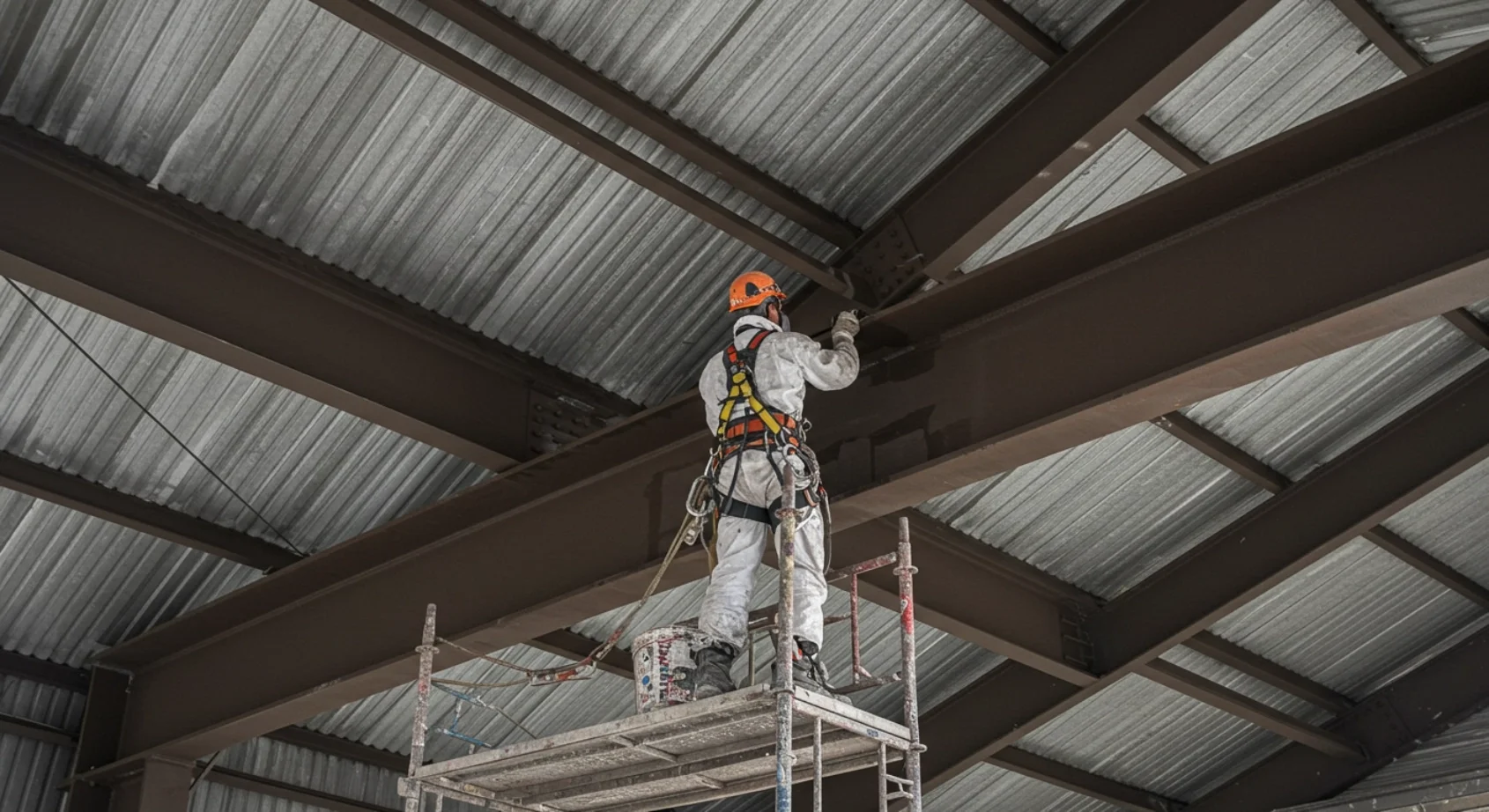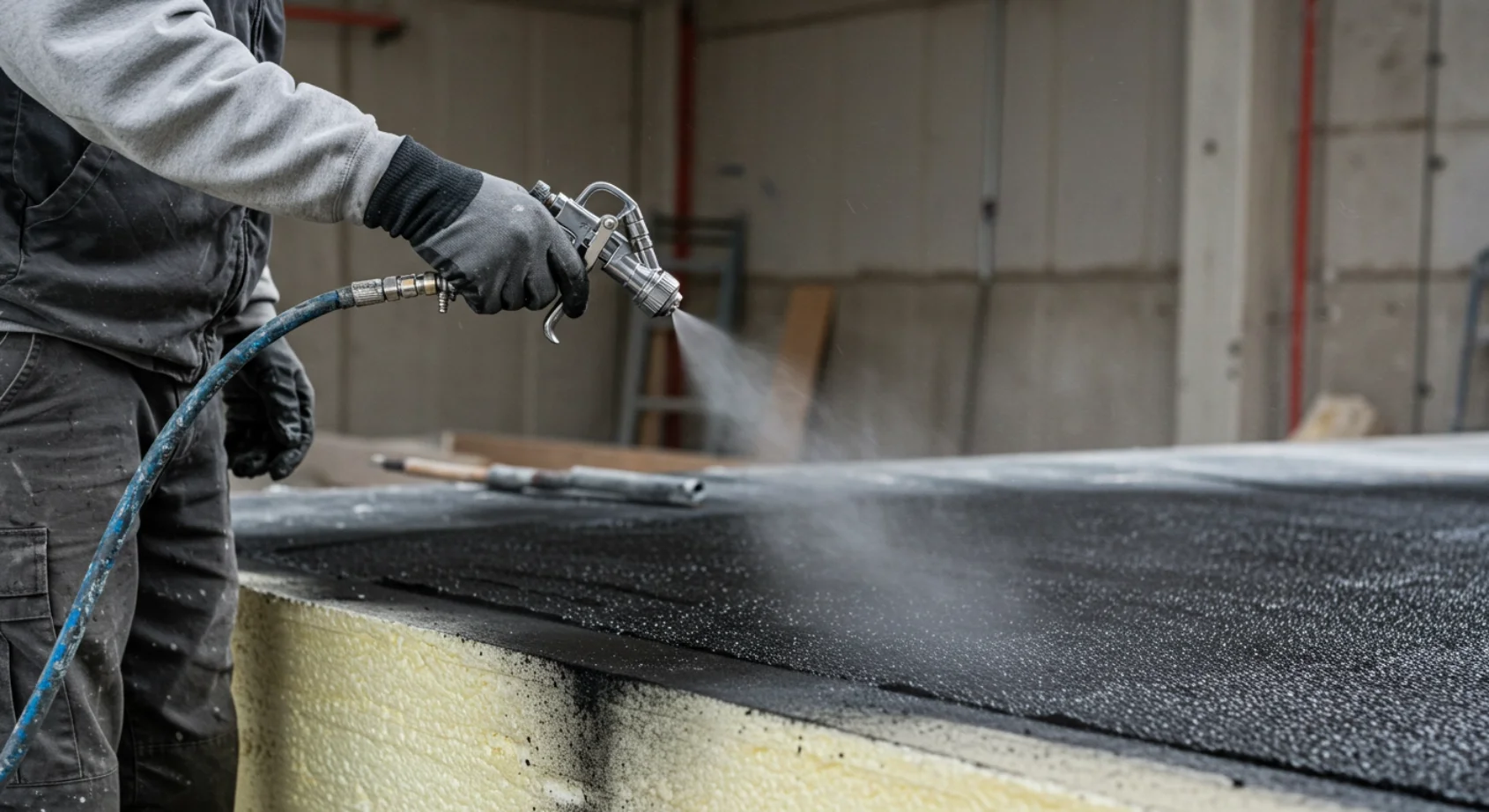
How Is Intumescent Coating Thickness Determined in Spencer, MA?
Determining the required thickness for an intumescent coating is not a matter of guesswork; it is an engineering calculation that…


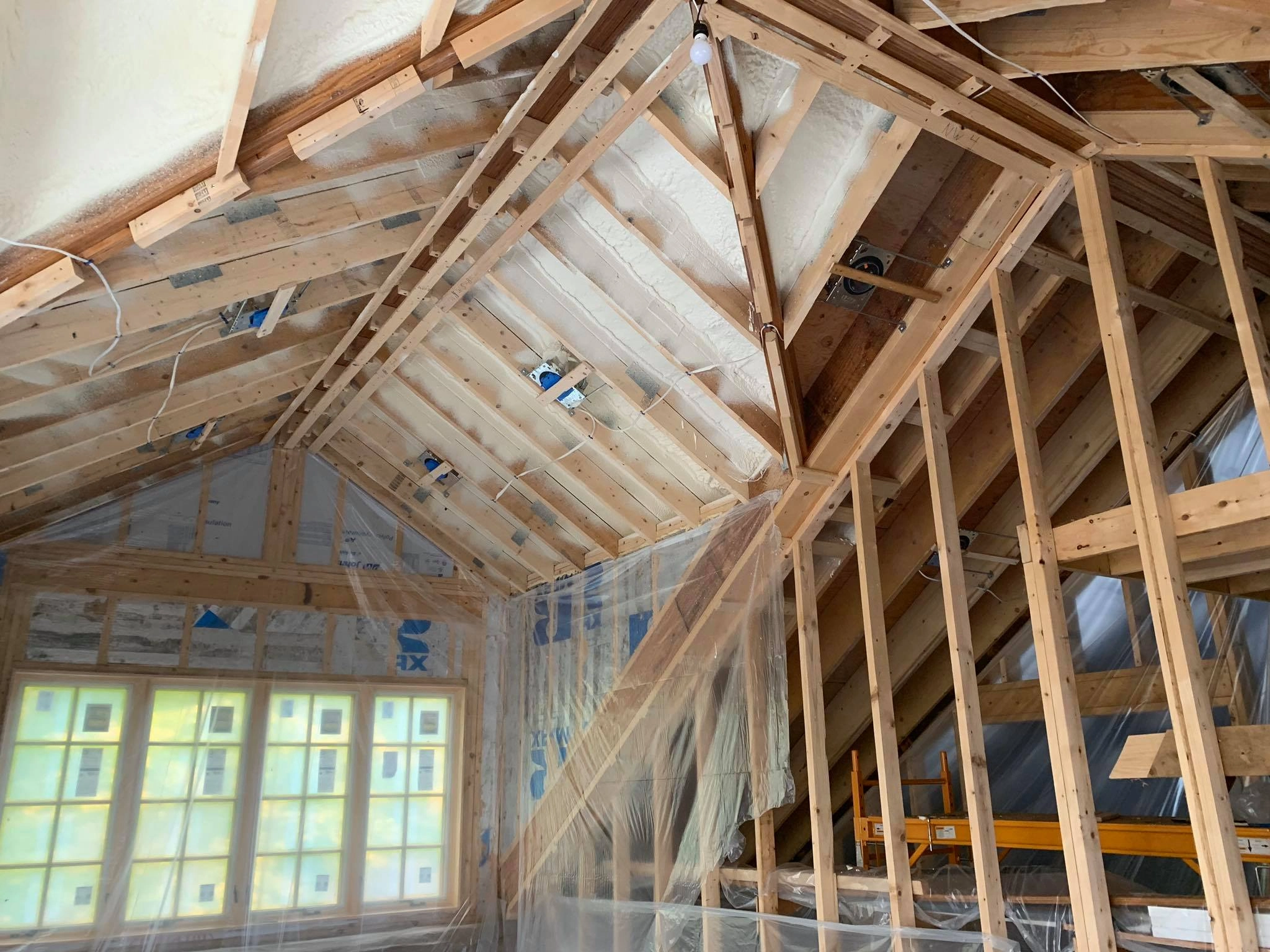
If you are considering spray foam attic insulation to improve your home’s energy efficiency, you are likely looking for a long-term solution to high utility bills and uneven temperatures. When installed correctly, spray foam insulation for attic acts as both an insulator and an air barrier, sealing the gaps where conditioned air typically escapes. However, because spray foam is a chemical process that alters your home’s building envelope, it is vital to understand the technical requirements, especially regarding ventilation and moisture, before you commit to the project.
At its core, attic spray foam insulation functions differently than traditional batts or blown-in cellulose. Instead of simply sitting in a cavity to slow heat transfer, spray foam expands upon application to fill gaps, cracks, and crevices. This creates an airtight seal that prevents the “stack effect,” where warm air rises and escapes through the top of your house, pulling cold air in through lower levels.
By sealing these leaks, you effectively change the dynamics of your attic. In many cases, this allows you to create a “conditioned attic,” where the thermal boundary is moved from the attic floor to the underside of the roof deck. According to the U.S. Department of Energy, sealing these air leaks is one of the most effective ways to improve home comfort and reduce the workload on your HVAC system.
Choosing between the two main types of spray foam insulation applications depends on your climate, your budget, and your specific moisture concerns.
| Feature | Open-Cell Spray Foam | Closed-Cell Spray Foam |
|---|---|---|
| Density | Lightweight/Spongy | Dense/Rigid |
| R-Value (per inch) | Lower (approx. 3.5–4.0) | Higher (approx. 6.0–7.0) |
| Moisture Barrier | Vapor-permeable | Acts as a vapor retarder |
| Sound Dampening | Excellent | Moderate |
| Best Use | Interior walls/roof decks | Basements/Areas with moisture |
Open-cell spray foam insulation attic applications are often chosen for their lower cost and sound-dampening qualities. However, because it is vapor-permeable, it may require a separate vapor retarder in certain climates.
Closed-cell spray foam is much denser and more rigid. It provides a higher R-value per inch, which is ideal if you have limited rafter depth. Because it is resistant to water, it is often the preferred choice if your attic has a history of minor moisture issues, though it is critical to fix the root cause of any leaks before application.
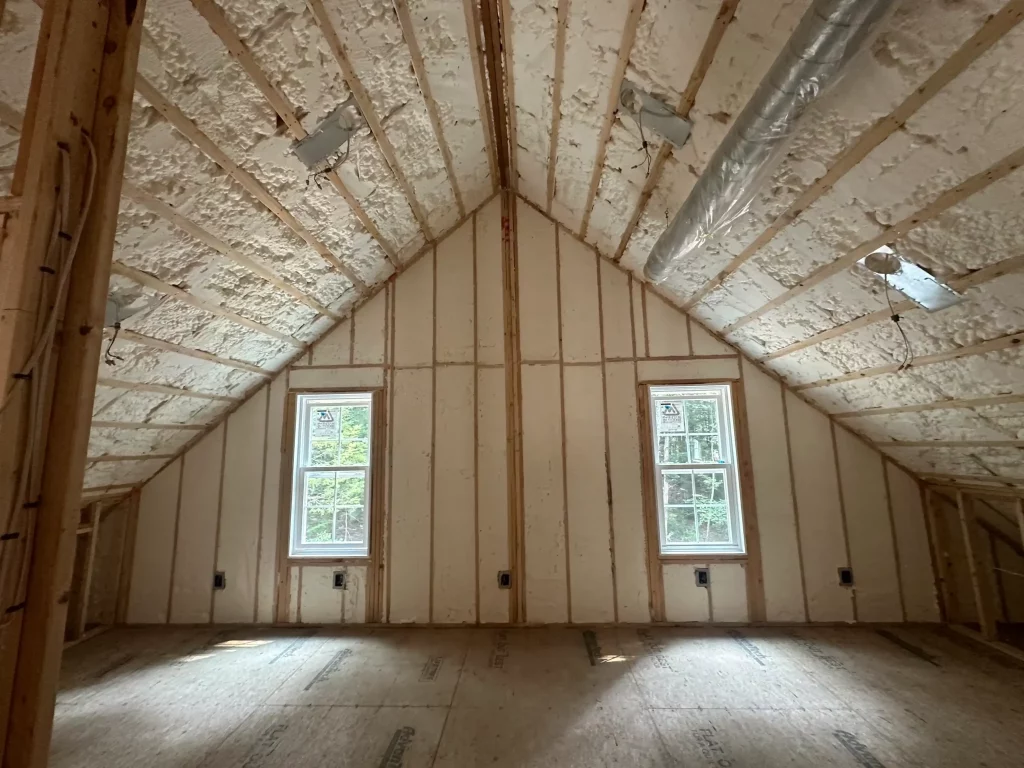
The “horror stories” you might find on forums usually stem from two sources: incorrect application or failure to account for roof ventilation. Spray foam is not a “set it and forget it” product; it is a building science intervention.
Moisture and Ventilation When you seal an attic, you effectively turn it into a part of your home’s interior. If your roof deck was designed to be vented (using soffit and ridge vents), you cannot simply spray foam over those vents without a plan. If the attic is not properly managed, moisture can become trapped against the roof sheathing, leading to rot. According to Building America Solution Center, proper moisture management and ventilation strategies are essential when transitioning to an unvented attic assembly to prevent condensation issues.
Odor and Chemical Off-gassing Spray foam is a two-part chemical reaction. If the components are not mixed in the precise ratio at the correct temperature, the foam may not cure properly. This can lead to lingering chemical odors that are difficult to remove. Professional installation is your best defense against this. As noted by the Environmental Protection Agency, proper ventilation and following manufacturer instructions during the application and curing process are critical to reducing exposure to chemical emissions.
Installation Quality Because foam expands rapidly, it can pull away from the studs or leave gaps if the installer is inexperienced. We emphasize that the skill of the person holding the spray gun is just as important as the quality of the product itself.
Before our team arrives, there are steps you can take to ensure the project goes smoothly. Think of these as the “pre-work” required to ensure the foam adheres correctly and your attic is ready for its new thermal boundary.
Deciding to use attic foam insulation is a significant investment in your home’s performance. Because every home has a different structural layout and ventilation history, we never provide a “one-size-fits-all” quote. We believe in performing a technical assessment of your attic to determine if spray foam is the safest and most effective solution for your specific property.
If you are ready to stop drafts and improve your home’s comfort, contact Lamothe Insulation. We focus on building science and honest, transparent assessments. You can reach us at (508) 847-0119 or email us at [email protected] to schedule your professional home assessment.
It often helps, as ice dams are caused by heat escaping into the attic and melting roof snow; sealing that air leakage is a primary solution.
Typically, you will need to vacate the property for 24 to 48 hours to allow for proper curing and ventilation after the application is finished.
Closed-cell foam is rigid and can add a degree of racking strength to a roof assembly, though it should not be relied upon to replace structural repairs.
Most residential attic projects are completed within one to two days, depending on the square footage and the complexity of the rafter layout.
Most buyers view high-quality, energy-efficient insulation as a major positive, provided the installation is documented and performed by a licensed professional.