Best Insulation Materials to Reduce Noise and Improve Comfort in West Boylston, MA
admin_lamotheinsulation
March 30th, 2026
The most effective insulation materials for reducing noise and improving comfort in West Boylston homes depend on your specific priorities. For homeowners seeking a balance between sound absorption and thermal performance, mineral wool and fiberglass insulation offer strong Noise Reduction Coefficient (NRC) ratings near 1.0, meaning they absorb nearly all sound energy that strikes them. Massachusetts climate zones 5 and 6 require higher R-values for thermal efficiency, with recommended attic insulation at R-49 to R-60 and exterior walls at R-20 plus continuous insulation. The right material varies based on whether you’re addressing airborne noise from neighbors, impact sounds from footsteps, or thermal comfort during Worcester County’s cold winters and humid summers.
TLDR / Key Takeaways
Fiberglass batts offer the best cost-to-performance ratio for general soundproofing, with NRC ratings around 0.90-1.0 and R-values of R-13 to R-19 for walls
Mineral wool (Rockwool) provides superior fire resistance and density for blocking sound transmission, ideal for interior walls between bedrooms and living spaces
Massachusetts climate zones 5 and 6 require attic insulation of R-49 to R-60, significantly higher than older homes currently have
Cellulose insulation works well for retrofits and existing walls, offering both thermal performance and moderate sound dampening at competitive pricing
Spray foam excels at air sealing (reducing drafts that carry noise) but offers less sound absorption than fibrous materials; best used in combination with other products
Most West Boylston homes built before 1990 have insufficient insulation, creating opportunities for 20-30% energy savings with proper upgrades
Combining insulation types often delivers the best results, such as using mineral wool in interior walls for sound and fiberglass or cellulose in attics for thermal performance
How Soundproofing Insulation Works
Soundproofing insulation in West Boylston operates on two different principles: sound absorption and sound blocking. Fibrous materials like fiberglass and mineral wool absorb sound waves, converting acoustic energy into heat through friction within the material’s fibers. This reduces echo and reverberation inside rooms. Dense materials and decoupling techniques block sound transmission between spaces by creating mass barriers that reflect sound energy rather than allowing it to pass through.
For West Boylston homeowners dealing with noise from Route 12 traffic, neighboring properties, or multi-generational households, the distinction matters. Soundproofing materials like fiberglass and mineral wool each offer unique qualities depending on your noise source and budget constraints Soundproof Cow – Best Types of Sound Insulation.
Top Insulation Materials for Noise and Comfort
Mineral Wool (Rockwool)
Mineral wool stands out as the premium choice for homeowners prioritizing both sound control and safety. Made from spun stone or slag fibers, it delivers exceptional density that blocks sound transmission between rooms while providing fire resistance up to 2,150°F. With an NRC rating of 0.90-1.05 and thermal resistance of R-4 per inch, mineral wool works exceptionally well for:
Interior walls between bedrooms and bathrooms
Home theater or media room applications
Floor joists in multi-story homes to reduce footfall noise
Applications where fire safety is a primary concern
The density makes mineral wool more effective than fiberglass at blocking low-frequency sounds like bass from entertainment systems or washing machine vibrations. Expect to pay 20-30% more than fiberglass, but the dual-purpose performance justifies the investment for many Worcester County homeowners.
Fiberglass Insulation
Fiberglass remains the most widely installed insulation material in Massachusetts for good reason. Fiberglass offers a strong balance between cost and soundproofing capability, with NRC ratings close to 1.0 in standard batts. Rmax – Best Soundproofing Insulation Materials. Modern fiberglass products include:
Standard batts: R-13 to R-19 for walls, R-30 to R-38 for attics
Acoustic batts: Specifically designed for sound absorption with higher density
High-performance options: Formaldehyde-free and moisture-resistant variants
Fiberglass works best for whole-home applications where budget constraints exist, but thermal and acoustic performance remain important. It’s particularly effective for West Boylston’s seasonal temperature swings when installed at proper depths in attics and walls.
Cellulose Insulation
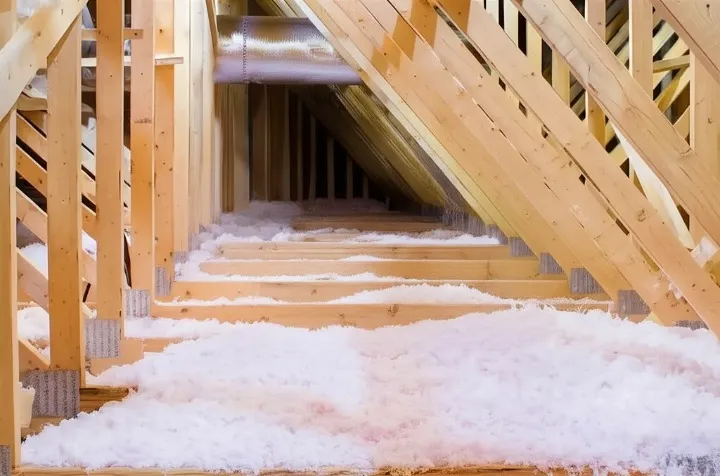
Made from recycled paper products treated with borate for fire and pest resistance, cellulose offers excellent thermal performance and moderate sound dampening. At R-3.2 to R-3.8 per inch, cellulose provides dense coverage that fills irregular cavities better than batts. The blown-in application makes it ideal for:
Retrofitting older West Boylston homes without removing drywall
Topping off existing insulation to reach Massachusetts R-49 requirements
Attic floors where even coverage prevents thermal bridging
Cellulose absorbs sound effectively, though slightly less than mineral wool, while offering environmental benefits through its high recycled content.
Spray Foam Insulation
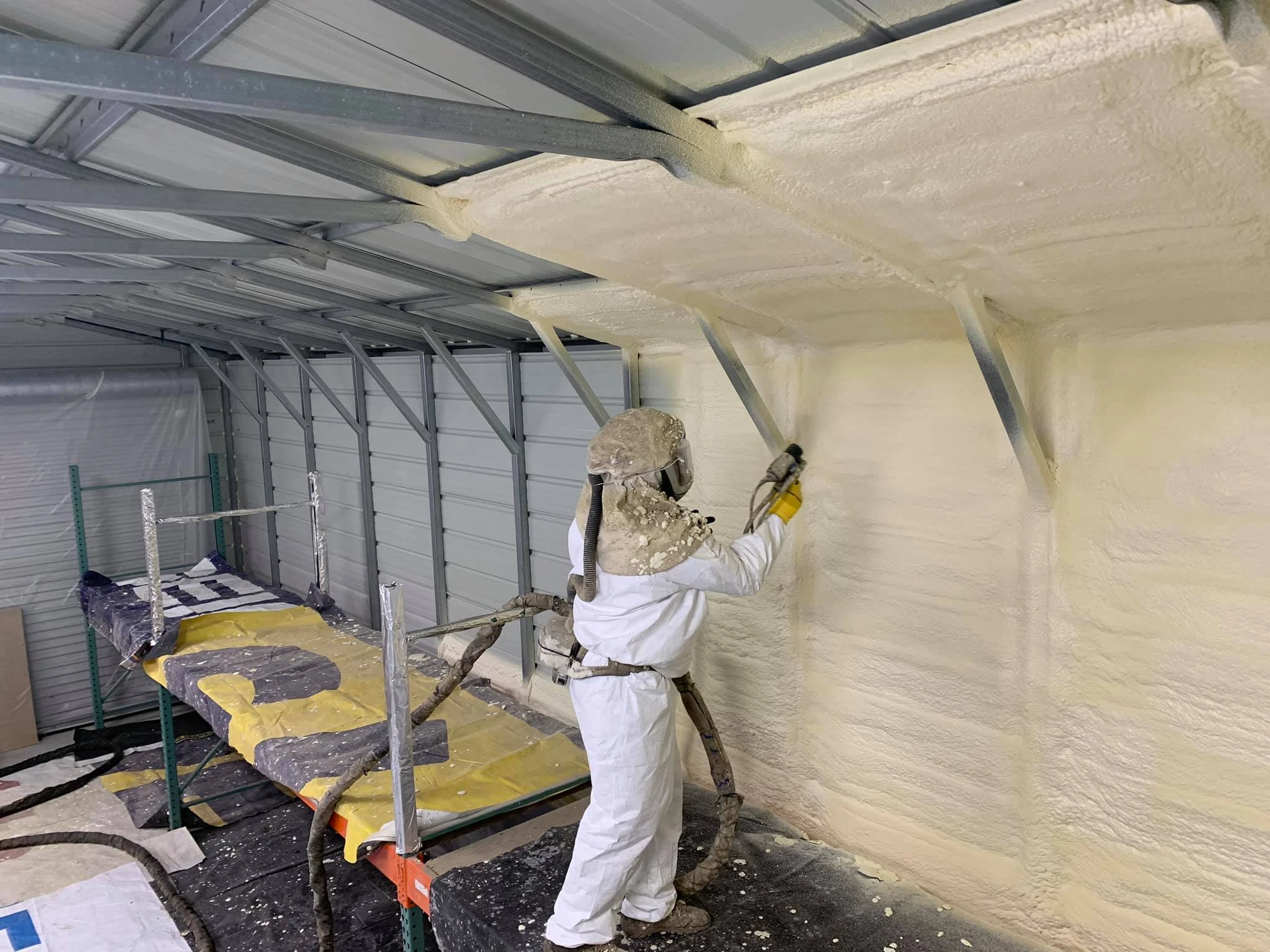
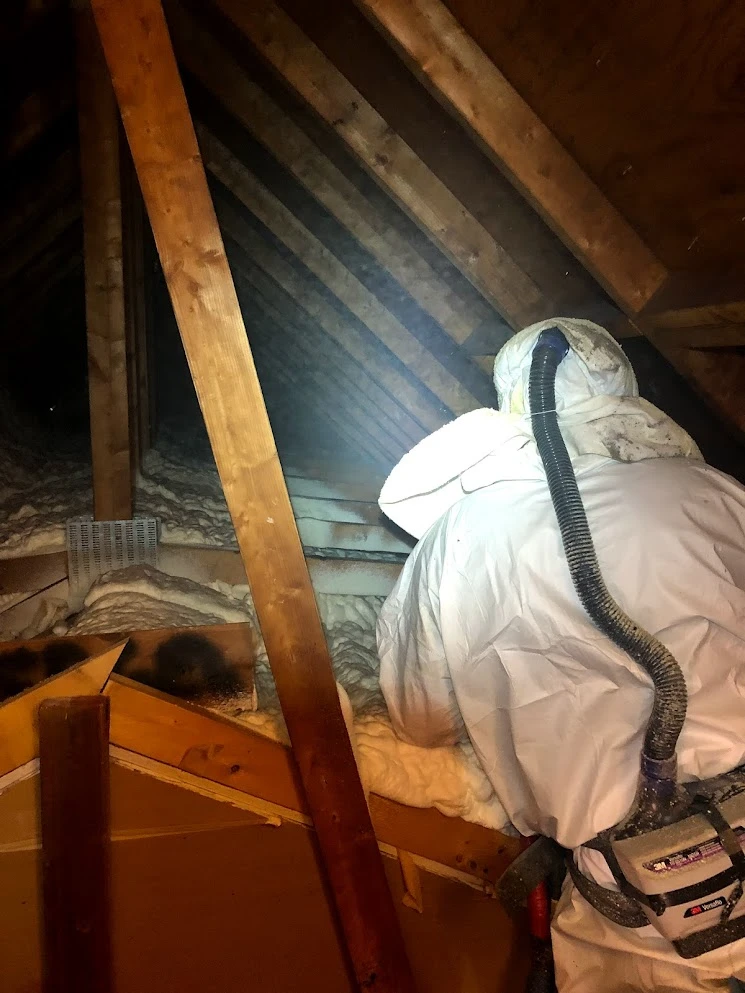
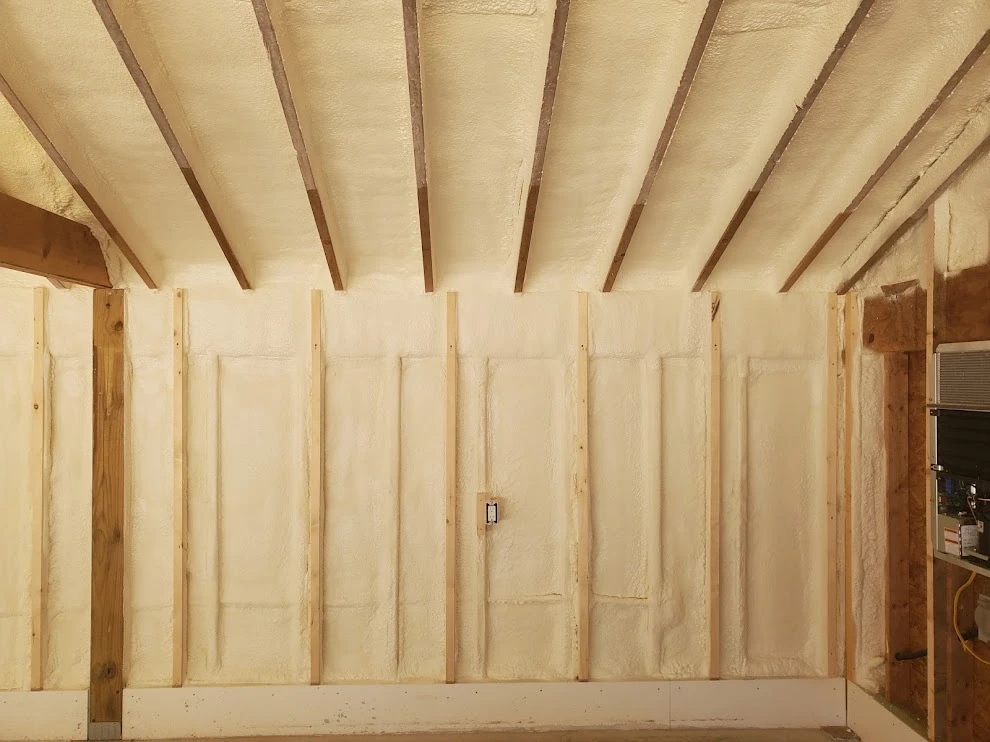
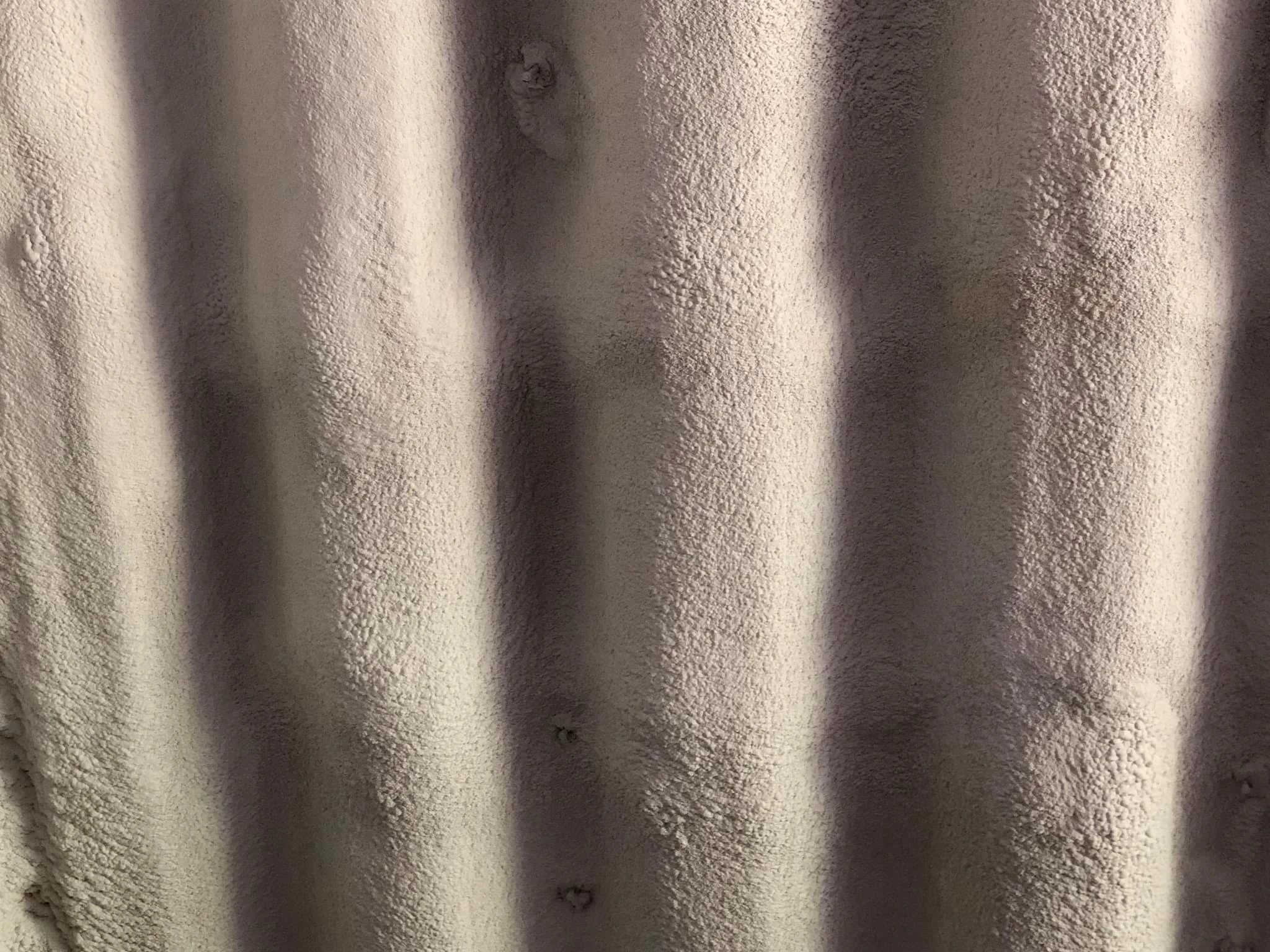
Spray foam excels at creating air-tight building envelopes, which indirectly improves comfort by eliminating drafts that can carry sound and temperature fluctuations. However, spray foam’s rigid structure actually reflects sound rather than absorbing it, making it less effective for acoustic control than fibrous materials.
Open-cell spray foam provides some sound dampening while offering R-3.5 per inch, while closed-cell foam delivers R-6 per inch but minimal acoustic benefit. Best practice involves using spray foam for air sealing and thermal performance, then layering fibrous insulation on top for sound absorption.
Climate Zone Requirements for West Boylston
West Boylston falls within Massachusetts climate zones 5 and 6, which experience significant heating degree days during winter and require substantial insulation for both comfort and code compliance. Current Massachusetts State Building Code recommendations include:
Application
Minimum R-Value
Recommended R-Value
Best Materials
Attic (unconditioned)
R-38
R-49 to R-60
Fiberglass, cellulose, mineral wool
Exterior walls
R-20 + R-5 CI
R-20 + R-10 CI
Fiberglass batts, mineral wool
Basement walls
R-10 continuous
R-15 continuous
Rigid foam, spray foam, mineral wool
Floors above unconditioned spaces
R-25
R-30
Fiberglass, mineral wool
Most homes in West Boylston built before 2000 have attic insulation in the R-19 to R-30 range, well below current recommendations. Upgrading to R-49 or higher can reduce heating and cooling costs by 20-30% annually while dramatically improving indoor comfort.
Cost and Performance Comparison
Material
Cost per Sq. Ft.
R-Value per Inch
NRC Rating
Best Application
Fiberglass batts
$0.40-$0.80
R-3.0-R-3.7
0.90-1.0
General-purpose, cost-effective
Mineral wool
$0.60-$1.20
R-4.0
0.90-1.05
Sound-critical areas, fire safety
Cellulose (blown)
$0.50-$1.00
R-3.2-R-3.8
0.75-0.85
Retrofits, attic upgrades
Open-cell spray foam
$1.25-$2.00
R-3.5-R-3.6
0.70-0.80
Air sealing, complex geometries
Closed-cell spray foam
$1.75-$3.00
R-6.0-R-6.5
0.15-0.20
Moisture barriers, structural support
Visual Suggestion: A side-by-side bar chart comparing upfront costs versus 10-year energy savings for each insulation type in a typical 1,800-square-foot West Boylston colonial home would help homeowners visualize return on investment.
Real-World Applications for West Boylston Homes
Home Type
Common Challenge
Recommended Solution
Expected Outcome
1950s Cape Cod
Insufficient attic insulation, ice dams
Blown cellulose or fiberglass to R-49
Eliminate ice dams, 25% heating cost reduction
Split-level near Route 12
Traffic noise, temperature fluctuations
Mineral wool interior walls + attic upgrade
Noise reduction by 10-15 dB, improved comfort
Victorian-era home
Drafty walls, uneven temperatures
Dense-pack cellulose walls + air sealing
Eliminate drafts, preserve historic character
New construction
Code compliance, future-proofing
Hybrid system: spray foam air sealing + fiberglass or mineral wool
Exceed code by 20%, superior sound control
How to Evaluate Your Insulation Needs
When assessing which insulation materials suit your West Boylston home, consider these key factors:
Noise Sources: Identify whether you’re dealing with airborne noise (voices, music) that requires absorption, or impact noise (footsteps, plumbing) that benefits from mass and decoupling. Mineral wool excels at both; fiberglass handles airborne well.
Existing Conditions: Homes with knob-and-tube wiring require careful assessment before adding insulation. Older homes may need air sealing before insulation installation in West Boylston, MA to prevent moisture issues.
Budget Constraints: Fiberglass offers the most affordable entry point for comprehensive coverage. Prioritize attic insulation first, as heat loss through the roof typically accounts for 25-35% of total energy waste.
DIY vs. Professional Installation: While fiberglass batts suit handy homeowners, blown cellulose, spray foam, and mineral wool typically require professional installation for safety and performance.
Common Mistakes to Avoid
Compressing insulation: Stuffing R-19 batts into 2×4 walls reduces effective R-value and sound absorption. Use the correct thickness for your wall cavity.
Ignoring air sealing: Insulation without proper air sealing allows noise and temperature fluctuations to bypass the thermal barrier. Seal gaps before insulating.
Using the wrong material for the application: Spray foam in interior walls provides minimal sound benefit compared to mineral wool or fiberglass at the same thickness.
Neglecting ventilation: Adding insulation to attics without maintaining proper ventilation can trap moisture and lead to mold issues.
Recommendations by Homeowner Priority
For Noise-Sensitive Households: Prioritize mineral wool in interior walls, especially between bedrooms and bathrooms or home offices. Combine with resilient channels and drywall for maximum sound isolation.
For Budget-Conscious Upgrades: Focus on attic insulation first, using blown fiberglass or cellulose to reach R-49. This provides the best return on investment for thermal comfort while offering moderate sound benefits.
For Maximum Energy Efficiency: Use closed-cell spray foam in basements and rim joists for moisture control, paired with high-density fiberglass or mineral wool in above-grade walls and attics.
For Historic Home Preservation: Dense-pack cellulose allows wall insulation without removing original plaster or lath, maintaining the home’s character while improving comfort.
Signs You’ve Chosen the Right Insulation Approach
Noticeable reduction in outside noise within 48 hours of installation
More consistent temperatures between rooms and floors
Reduced HVAC cycling and lower utility bills within the first billing cycle
No drafts or cold spots near exterior walls
The installation crew provides detailed documentation of R-values achieved and areas covered
Contractor addresses ventilation and moisture management, not just insulation depth
Ready for a Quieter, More Comfortable Home?
At Lamothe Insulation, we help West Boylston homeowners find the perfect balance between sound control and thermal performance for Worcester County’s demanding climate. Our team assesses your specific noise challenges, existing insulation levels, and comfort goals to recommend the right material combination for your budget. Whether you’re dealing with traffic noise from Route 12, uneven temperatures in your vintage home, or building a new construction that needs to exceed code requirements, we deliver results you can feel and hear, or rather, not hear.
Call us today at (508) 847-0119 or email [email protected] to schedule a free home assessment. We’ll measure your current insulation levels, identify air leakage points, and provide a detailed proposal showing exactly how much comfort and quiet you can gain. Don’t settle for drafty rooms and noisy nights when the right insulation can transform your home into the peaceful retreat you deserve.
Frequently Asked Questions
What insulation works best for reducing traffic noise in West Boylston?
Mineral wool (Rockwool) provides the best performance for blocking external traffic noise due to its density and mass. For exterior walls facing Route 12 or high-traffic areas, combine R-15 mineral wool batts with proper air sealing. Attic insulation upgrades also help, as sound enters through poorly insulated roof assemblies.
How much insulation do I need in my West Boylston attic?
Massachusetts climate zones 5 and 6 recommend R-49 to R-60 in attics for optimal thermal performance. Most existing homes have R-19 to R-30. Adding 12-15 inches of blown fiberglass or cellulose on top of existing insulation typically achieves R-49 compliance while improving sound absorption from rain and wind.
Is spray foam worth the extra cost for soundproofing?
Spray foam excels at air sealing and thermal performance but offers minimal sound absorption compared to fibrous materials. For noise reduction, it’s better to invest in mineral wool or high-density fiberglass. Use spray foam strategically for rim joists, basements, and complex framing areas where air sealing is critical, then layer fibrous insulation for acoustic control.
Can I add insulation to existing walls without removing drywall?
Yes, dense-pack cellulose can be blown into existing wall cavities through small holes drilled either from the interior or exterior. This technique fills irregular spaces and provides both thermal and moderate acoustic benefits. The holes are patched afterward, preserving your wall finishes while significantly improving comfort.
How long does insulation last in Massachusetts homes?
Fiberglass, mineral wool, and cellulose insulation can last 80-100 years when kept dry and undisturbed. However, insulation performance degrades if it becomes compressed, wet, or infested with pests. West Boylston homes should have insulation assessed every 15-20 years, especially in attics where settling occurs, and moisture from ice dams may cause damage.
Sources
Rmax – Best Soundproofing Insulation Materials – Technical analysis of NRC ratings and acoustic performance for fiberglass, mineral wool, and other soundproofing materials including cost-benefit comparisons.
Mineral wool offers superior soundproofing performance compared to blown-in insulation, delivering STC ratings of 45-52 versus cellulose’s typical STC rating…
Closed-cell spray foam insulation outlasts all traditional insulation types, maintaining peak performance for 80 to 100+ years without degradation. Traditional…