Insulation Thickness and Density: How They Affect Noise Reduction
The effectiveness of insulation for noise reduction depends primarily on two physical properties: thickness and density. Thicker insulation blocks more…

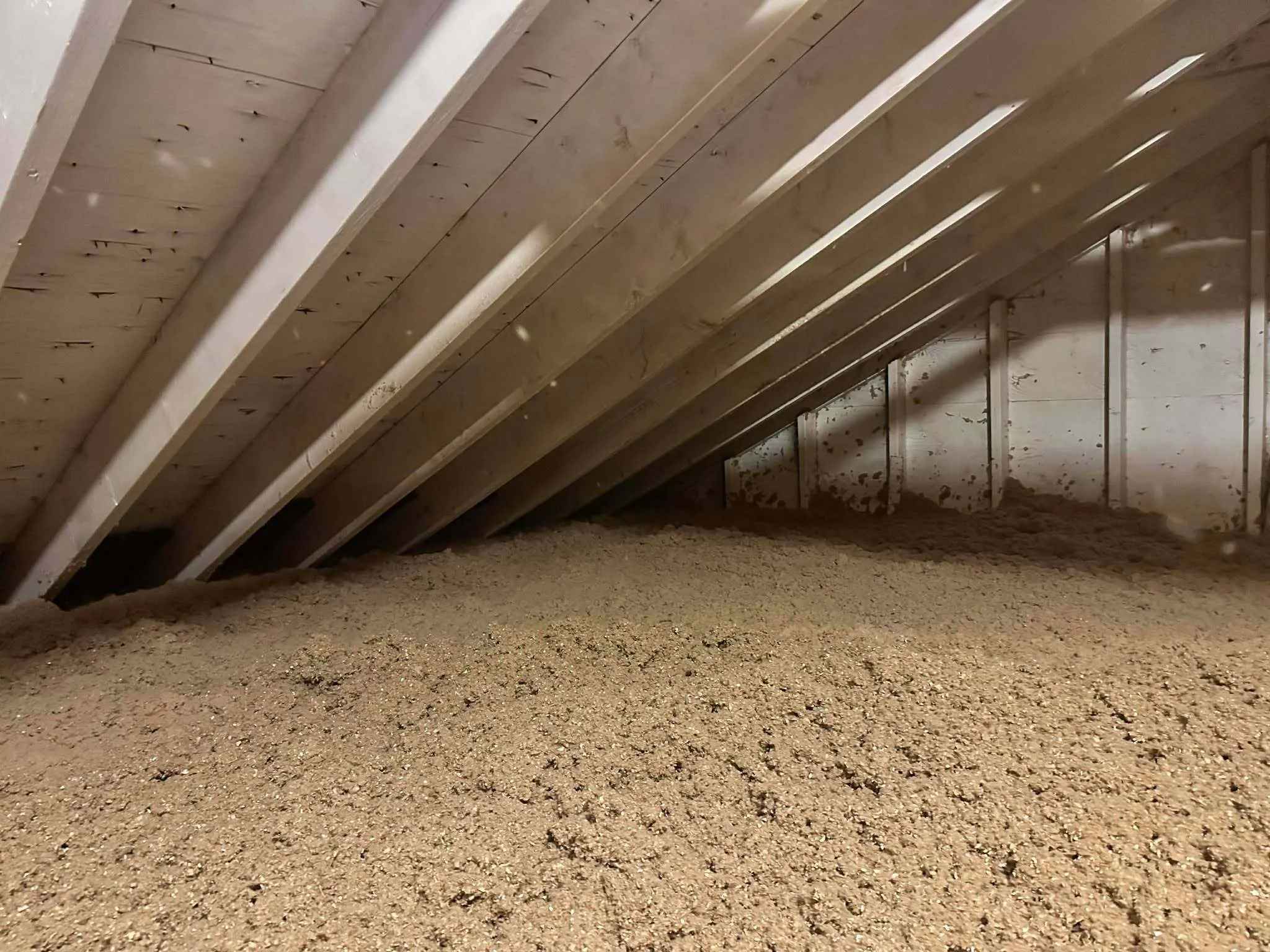
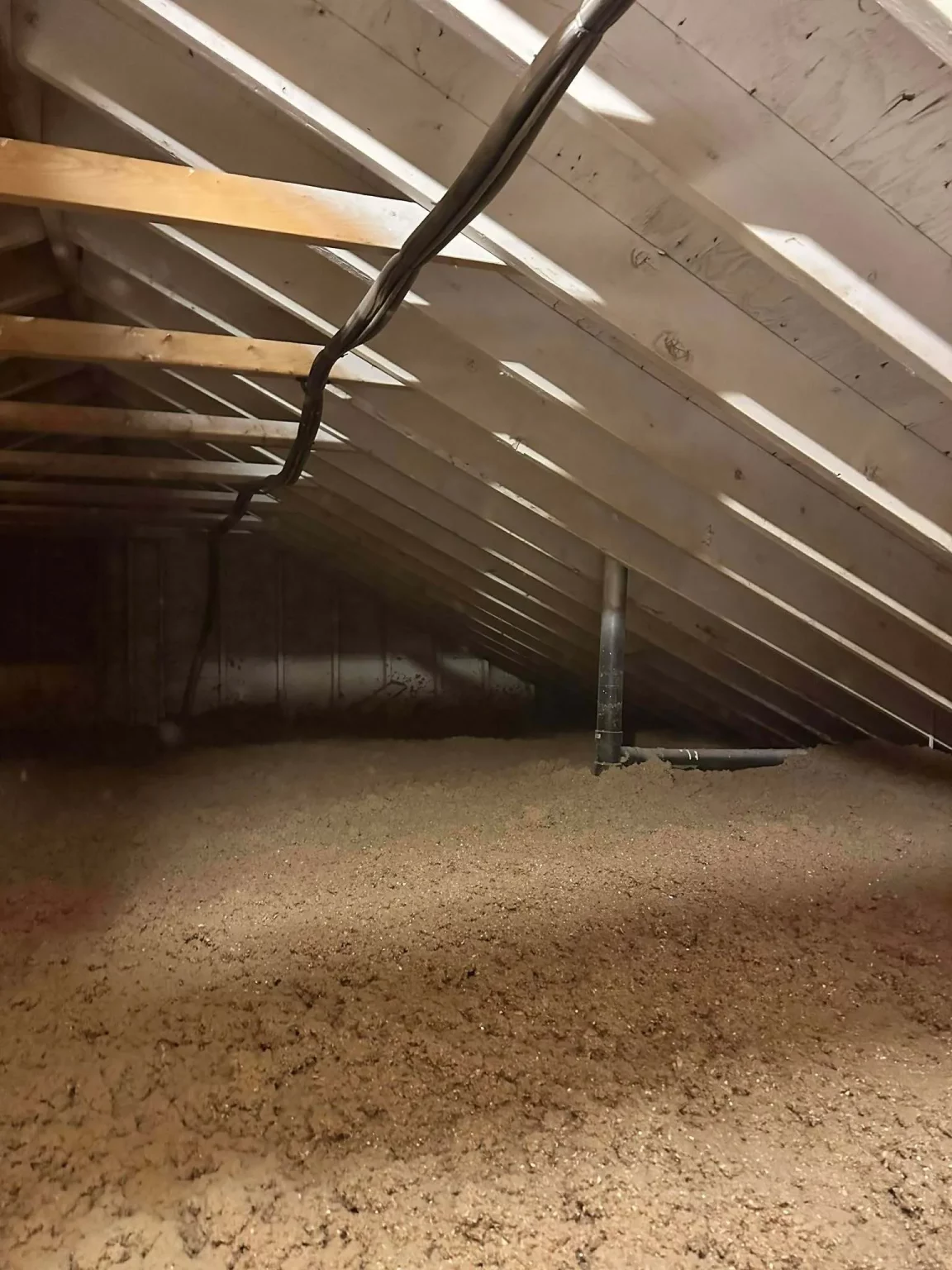
Yes, blown-in insulation in Sutton, MA can absolutely contribute to attic pest control, but it functions primarily as a powerful secondary barrier, not a standalone pesticide or extermination method. Installing new insulation, particularly this variety, often requires intensive preparation that seals off entry points, cleans up existing debris, and eliminates old nesting material. This process removes the physical conditions that attract rodents, squirrels, bats, and insects to properties in Sutton, MA.
Effective pest prevention hinges on blocking access and eliminating appeal. Blown-in insulation systems like cellulose and fiberglass help achieve this by filling voids and restricting airflow where small animals might otherwise nest. Understanding the precise role of insulation in exclusion and deterrence is necessary to protect homes effectively against the harsh New England climate and its wildlife.
Lamothe Spray Foam Insulation specializes in installing these integrated systems. They recognize that proper insulation performance and effective pest management are intrinsically linked goals in residential attic spaces, especially given the regional climate challenges.
The primary way blown-in insulation assists in pest control is by creating a continuous, deep thermal blanket that discourages nesting. Pests seek quiet, dark, and warm or protected areas with readily available nesting material. When insulation is correctly installed, it minimizes open space and reduces temperature fluctuations, making the environment less comfortable for them.
Before insulation can be installed, any reputable contractor must perform air sealing. Air sealing involves locating and closing off holes, cracks, and gaps in the attic floor and structural elements. These gaps, often hidden by old, compressed insulation, are the exact spots where mice, bats, and larger rodents enter the home. By sealing these entry points (including plumbing vents, wiring runs, and chimney flashings), the opportunity for pest invasion is significantly reduced. This foundational step is the actual exclusion method, with the new insulation acting as a dense physical deterrent layer over the top.
Bonus Tip: Focus intensely on sealing penetrations around utility lines and HVAC ducts. A gap that seems small enough for a wire is large enough for a mouse to squeeze through. Use expanding foam or hardware cloth specifically designed to block these openings.
Not all insulation materials offer the same level of pest deterrence. Both standard blown-in fiberglass and cellulose insulation perform well as physical barriers, but cellulose has a distinct chemical advantage due to its composition.
Cellulose insulation is manufactured primarily from recycled paper products and is treated with borate compounds (boric acid). These borates are fire retardants, but they also act as an effective insect deterrent. According to Pest Management Professional, borate treatments in cellulose insulation can prevent insects such as cockroaches, silverfish, and termites from establishing colonies, as the material is toxic to them upon ingestion.
Fiberglass, on the other hand, is generally resistant to nesting because its tiny glass fibers irritate animal skin and lungs, making it an unappealing material for long-term habitation. However, fiberglass does not contain the same chemical deterrents as treated cellulose.
| Insulation Type | Primary Material | Physical Barrier Strength | Insect Deterrent Treatment | Rodent Deterrence (Nesting) |
|---|---|---|---|---|
| Blown-In Cellulose | Recycled Paper Fiber | High (Dense filling) | Borates (Effective) | Medium (Deters nesting due to density) |
| Blown-In Fiberglass | Fine Glass Fibers | High (Fills cavities well) | None | Medium (Irritating fibers discourage nesting) |
Sutton, MA, experiences extreme seasonal weather, meaning attics are frequently targeted by wildlife seeking shelter. In winter, pests look for warmth, and in summer, they seek dry, cool refuge. Common Massachusetts pests include white-footed mice, flying squirrels, and bats. These animals cause significant damage not only by chewing wires and creating entry points but also through the accumulation of droppings (guano or scat).
Effective insulation services in Sutton, MA reduces the thermal differences between the attic and the outside. If a home is well-insulated, the attic temperature remains closer to the outside air temperature, reducing the appeal of the space as a warm winter haven. The Massachusetts Audubon Society frequently notes that homeowners often discover rodent issues when temperatures drop and animals seek warm building voids.
Regional guidance suggests that moisture control is particularly important in central Massachusetts. Wet insulation provides a breeding ground for insects and can lead to mold, which attracts specific types of pests. Ensuring proper attic ventilation, usually through soffit and ridge vents, prevents moisture buildup and keeps the insulation dry, maximizing both its thermal performance and its effectiveness as a pest deterrent.
Market Fact: Research compiled by the U.S. Census Bureau indicates that older housing stock, common in many New England towns like Sutton, often lacks adequate air sealing measures, making these homes more vulnerable to rodent intrusion than newly constructed homes.
Insulation should only be installed in an attic that is completely pest-free. If a current infestation is present, covering it with insulation merely creates a warm, protected environment for the animals to continue living and breeding. This preparation phase is the most critical part of the process.
Bonus Tip: When cleaning rodent debris, professionals use specialized HEPA vacuums and wear protective gear. Never simply try to push soiled insulation deeper; proper removal and decontamination of the attic floor are essential for health and safety.
Homeowners frequently want to know if insulation alone can stop an existing pest problem. The answer is clear: insulation cannot stop a pest that has already found a path inside the building envelope. It requires a comprehensive approach of exclusion, removal, and cleanup.
According to technical guidance published by the Environmental Protection Agency, sealing gaps and cracks is the most effective long-term method for pest management in residential structures. Insulation then secures the thermal boundary created by that air sealing. Installing new insulation without first eliminating the pests and blocking their access points will only lead to the new material becoming contaminated and damaged.
Market Fact: Data suggests that unsealed air gaps and openings are responsible for nearly 40% of unintentional air leakage in existing homes, providing ample entry points for small rodents.
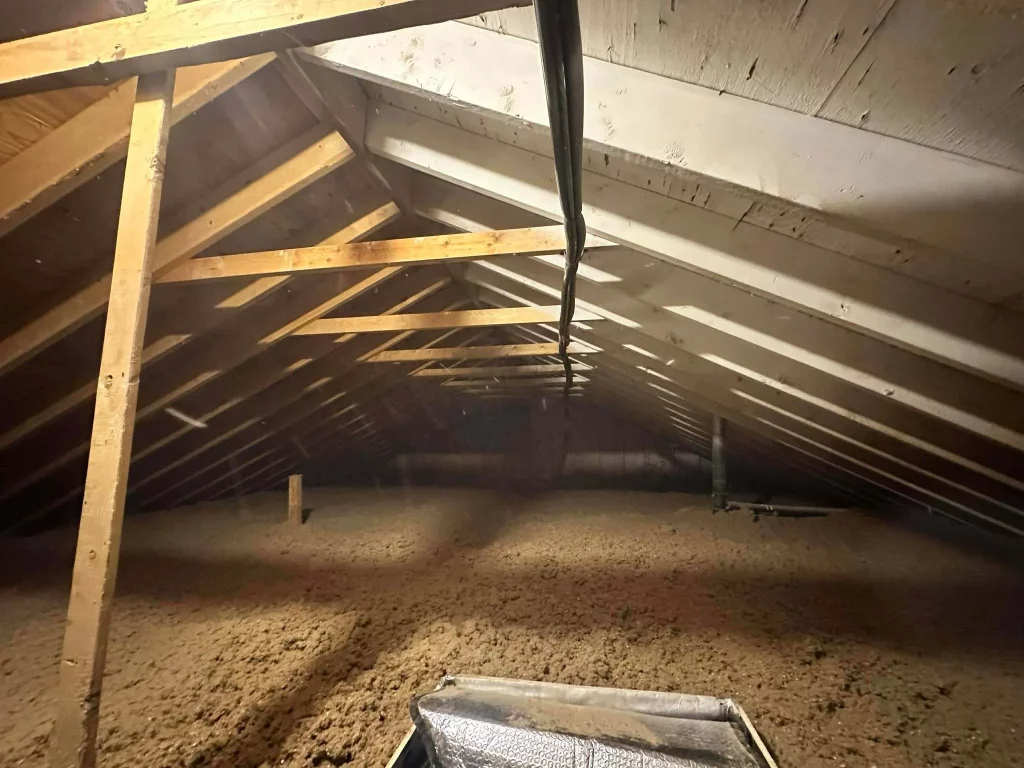
For residents in Sutton, the decision to install blown-in insulation should be viewed as an opportunity to secure the attic against thermal loss and wildlife intrusion simultaneously. While the insulation material itself acts as a deterrent, the necessary preparation work, including air sealing and cleanup, provides the true pest control benefit. Homeowners should prioritize working with contractors who treat the attic as an entire system, ensuring that exclusion and remediation are completed before the new barrier is put in place. This preventative approach secures the home for years against both the cold and persistent wildlife.
Yes, given enough motivation, rodents like mice and squirrels can tunnel through or chew standard blown-in insulation, whether it is fiberglass or cellulose. However, the density of a properly installed blanket of insulation makes it a much less desirable tunneling medium compared to open wall voids or compressed, deteriorated old insulation.
Insulation does not actively trap pests. If the air sealing and exclusion work is done correctly before installation, the pests are already outside. If a pest manages to enter an insulated attic, the material itself does not act as a glue or trap. However, if the pest becomes trapped between an exterior wall and the insulation, it may die there, necessitating odor removal.
Cellulose often provides a slight advantage because the borate chemical treatment is toxic to many common insects. For deterring rodents, both materials perform similarly as physical, dense barriers, provided that the initial air sealing is complete.
Signs of contamination include strong, musty odors (especially after warm weather), visible rodent droppings (small black pellets), tunneling, flattened pathways, and discoloration from urine. If contamination is suspected, professional removal is required.
Achieving both energy efficiency and a pest-resistant home requires expertise that addresses the entire structure, especially in the cold climate of central Massachusetts. If seeking a comprehensive assessment of the attic space, its current insulation condition, and required exclusion work, reaching out to Lamothe Spray Foam Insulation is the next step. Experts can provide guidance tailored to the specific issues of a property, ensuring that the preparation, removal, and installation processes meet local code and safety standards. To discuss a project or schedule an assessment, connect with the team via email at [email protected] or by calling (508) 847-0119.