Insulation Thickness and Density: How They Affect Noise Reduction
The effectiveness of insulation for noise reduction depends primarily on two physical properties: thickness and density. Thicker insulation blocks more…

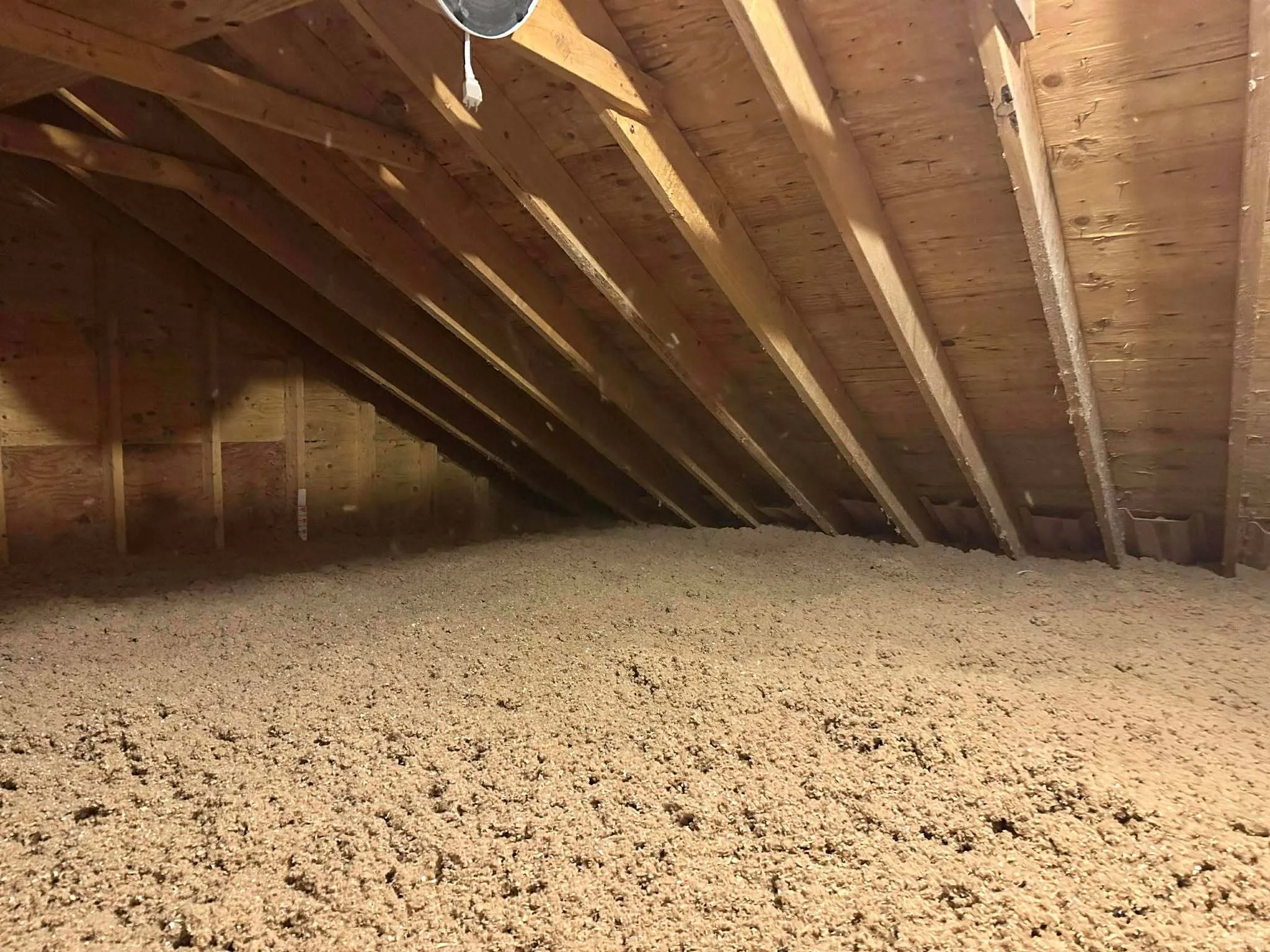
A home improvement project is often categorized as either a necessary expense or a beneficial investment. Blown-in insulation firmly belongs in the latter category because it actively generates long-term returns through sustained energy cost reduction, increased home value, and improved structural durability. Unlike cosmetic upgrades, proper insulation minimizes heat transfer immediately, resulting in lower monthly heating and cooling bills that consistently provide a return on the initial outlay.
The fundamental value of this process stems from its ability to create a dense, thermal barrier, often in conjunction with professional air sealing, that dramatically outperforms traditional insulation methods, especially in hard-to-reach areas like attics and wall cavities. Investing in this type of installation means addressing the root cause of energy inefficiency rather than applying a temporary fix. Lamothe Spray Foam Insulation has years of experience verifying that homes with high-performance insulation maintain comfortable temperatures more effectively using less energy.
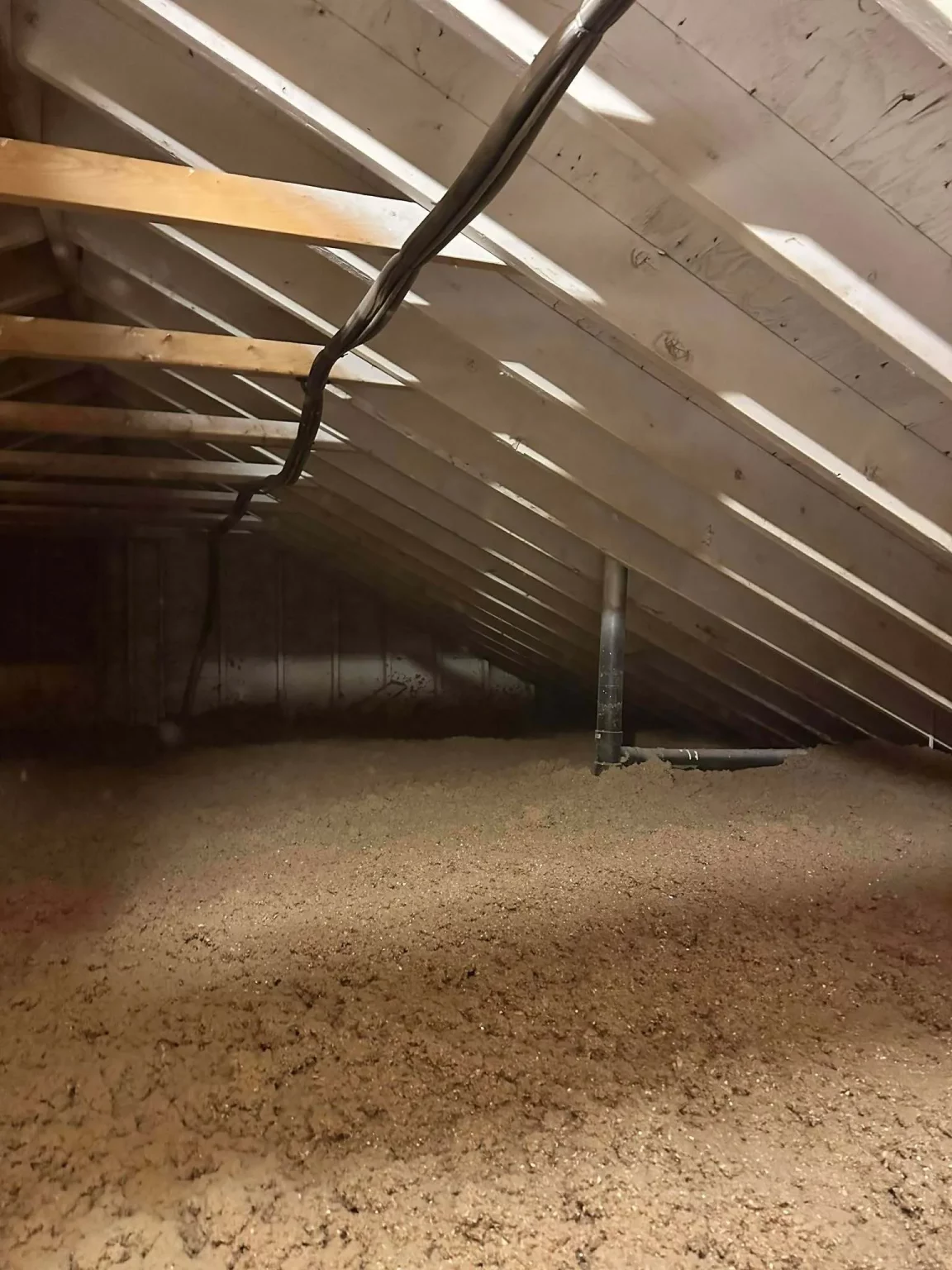
The primary benefit homeowners see first is the reduction in utility costs. When attic spaces are under-insulated, heat moves freely, forcing HVAC systems to run constantly. By installing blown-in material, the thermal envelope strengthens, and the heating and cooling cycles shorten dramatically.
The payback period for a typical blown-in insulation job is remarkably short, especially when considering the continuous rise in energy prices. Research published by the U.S. Department of Energy indicates that sealing air leaks and adding insulation can reduce energy bills by 10% to 50%. This financial relief starts the month the project is completed and continues for the life of the material, which often spans decades.
Look into federal and local energy efficiency programs. Many states, including those in the Northeast, offer significant tax credits or rebates for improving home insulation to specific R-values. These incentives directly reduce the upfront investment, accelerating the time it takes to achieve a positive return on investment.
Blown-in insulation typically utilizes either loose-fill fiberglass or cellulose materials. While both offer significant improvements over older, underperforming batt insulation, their characteristics vary slightly, impacting the investment decision.
Fiberglass is manufactured from recycled glass, offering good thermal performance (R-value) and inherent resistance to fire and moisture. Cellulose is composed of recycled paper products, treated with borate compounds to ensure fire resistance. Cellulose tends to be denser when installed, which can slightly increase its air-sealing capabilities, though it requires precise installation to prevent settling over time.
The installation density is critical to achieving the promised R-value. Loose-fill materials are measured by R-value per inch, and ensuring the correct depth for your climate zone is essential.
| Feature | Blown-In Cellulose | Blown-In Fiberglass |
|---|---|---|
| Primary Source Material | Recycled paper | Recycled glass |
| Installed Density (R-Value per inch) | 3.5 to 3.8 | 2.2 to 2.7 |
| Fire Rating | Treated with fire retardants | Inherently non-combustible |
| Settling over time | Moderate (10%-20%) | Low (2%-4%) |
Blown-in insulation doesn’t just save money on bills; it protects the building structure and improves the living environment.
Properly installed blown-in cellulose or fiberglass works in conjunction with air sealing to prevent conditioned air from escaping and unconditioned, humid air from infiltrating. Managing this moisture movement is paramount. When warm, moist indoor air meets cold attic surfaces, condensation forms, which can lead to mold, mildew, and structural decay over time. A robust thermal layer prevents this contact, maintaining a drier, healthier environment.
A dense layer of insulation also provides acoustic benefits, making the home quieter. Cellulose, due to its higher density, is particularly effective at dampening sound transmission from external sources like traffic or aircraft, adding an often-overlooked quality-of-life benefit.
Insulation needs change significantly based on geographical location. For homes subject to extreme temperature swings, like those in Massachusetts and the greater New England area, achieving the optimal R-value is non-negotiable.
The US Department of Energy recommends different R-values for different zones. For example, homes in colder climates (Zones 5 and 6) often require attic R-values between R-38 and R-60. Installing anything less means accepting higher heating costs for the entire lifespan of the home.
Before committing to a blown-in insulation project, several preparatory steps are necessary to maximize the investment. The insulation itself is only part of the solution; air sealing is arguably more important.
Locating and sealing all gaps, cracks, and penetrations in the ceiling plane (e.g., around electrical wiring, plumbing vents, chimney chases, and recessed lighting) must occur before the blown-in material is installed. If these gaps are not sealed, air leakage will bypass the insulation, reducing its effectiveness and wasting energy.
Always verify that the installed depth matches the required R-value for your climate zone. The R-value rating system, standardized across the industry, tells you how well a material resists heat flow. The Environmental Protection Agency’s Energy Star Program provides specific guidance on insulation levels needed based on region and existing home structure.
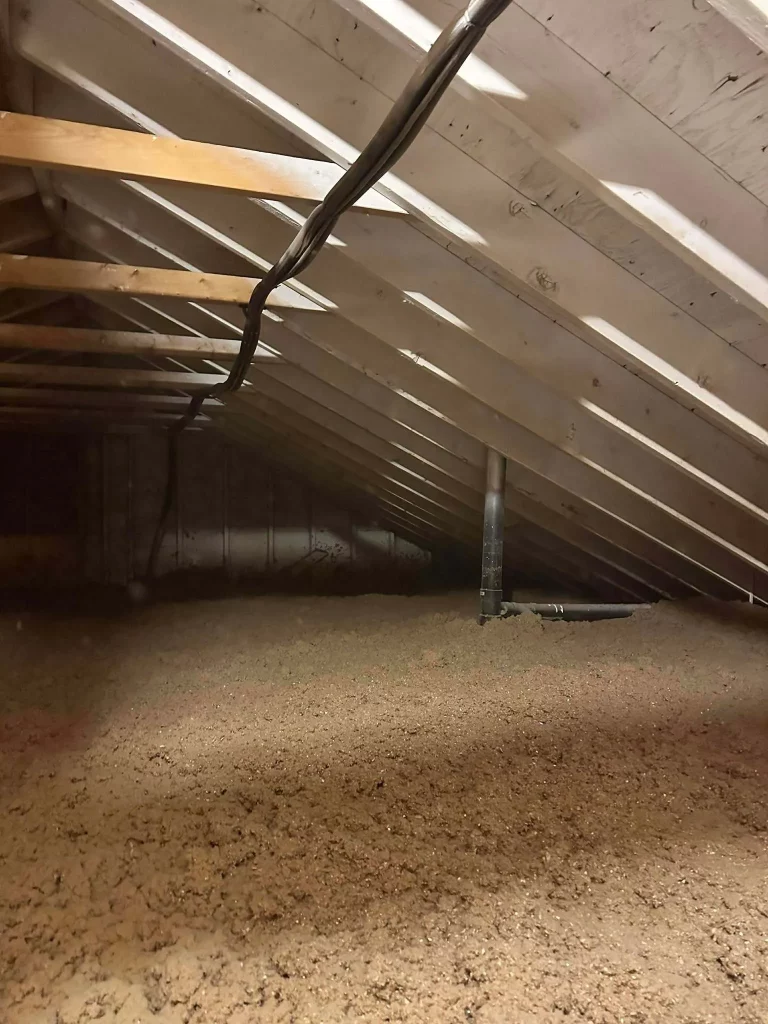
Many people hesitate to invest in blown-in materials due to common myths. One frequent concern is that the material attracts pests. Modern cellulose insulation, especially, is treated with borate chemicals that are natural deterrents to insects and rodents.
Another misconception relates to fire safety. While cellulose is made of paper, the chemical treatments applied make it highly fire-resistant, often surpassing the flame spread rating of untreated fiberglass batts. The National Fire Protection Association (NFPA) standards guide the acceptable use of these materials in residential construction, ensuring they meet rigorous safety thresholds, according to the International Code Council.
Blown-in material is highly effective at filling irregular spaces and working around obstructions like framing and electrical conduits, eliminating the thermal gaps often left by improperly cut batt insulation. This complete coverage eliminates convection loops that cause heat loss.
Both cellulose and fiberglass blown-in materials have a functional lifespan of 50 to 100 years, provided they are not damaged by water leaks or removed. The longevity means the initial investment pays dividends for decades without needing replacement.
Settling is more common with cellulose, typically ranging from 10% to 20% over the first few years. However, professional installers account for this by installing the material to a depth that meets the target R-value after settling occurs, ensuring the specified energy performance is maintained.
Yes, adding blown-in material over existing fiberglass batts is an excellent way to increase the R-value, provided the existing batts are dry and in good condition. This technique is often used to efficiently meet modern R-value requirements without removing the old material.
The choice to install high-performance insulation should be viewed through the lens of long-term homeownership. The immediate expense is quickly offset by recurring energy savings, protection against moisture damage, and the significant boost to resale value that energy efficiency brings. Evaluating your home’s current energy performance and setting goals for future savings is the proper way to approach this decision. Look at the return, not just the receipt.
To properly assess your home’s existing insulation levels and determine the ideal R-value for energy savings, contact an experienced insulation contractor. Lamothe Spray Foam Insulation specializes in detailed assessments to create a truly energy-efficient envelope. For a thorough evaluation, you can reach out via email at [email protected] or by phone at (508) 847-0119.