Insulation Thickness and Density: How They Affect Noise Reduction
The effectiveness of insulation for noise reduction depends primarily on two physical properties: thickness and density. Thicker insulation blocks more…


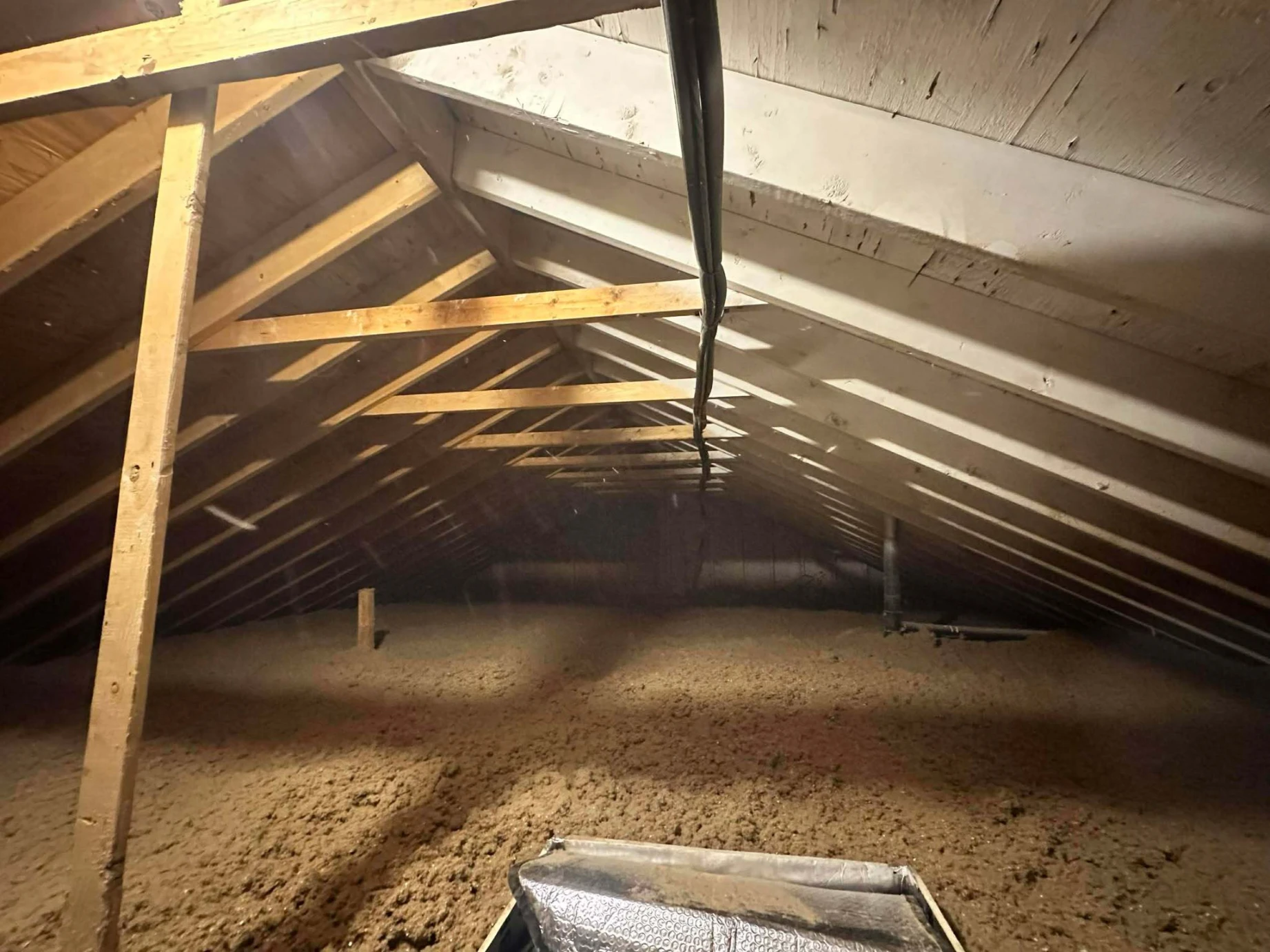
Blown-in insulation in Quinsigamond Village eliminates drafts and cold spots by filling every gap, crack, and void in your walls and attic with loose-fill material that creates a continuous thermal barrier. Unlike traditional batt insulation that leaves spaces around studs and joists, blown-in insulation compacts into hard-to-reach areas, stopping air movement and heat loss that makes rooms uncomfortable and drives up energy bills. This comprehensive coverage is especially valuable in older Quinsigamond Village homes where settling and construction gaps have created years of thermal bypasses.
Understanding how blown-in insulation works can help homeowners make informed decisions about improving home comfort. Years of field experience working on homes throughout central Massachusetts has shown that most cold spots and drafty rooms stem from air infiltration that standard insulation simply cannot address. This article explains the mechanics behind blown-in insulation, why it works particularly well in this region, and what homeowners should know before investing in an insulation upgrade.
The primary way blown-in insulation stops drafts is through complete cavity fill. When loose insulation fibers are blown into a space under pressure, they wrap around pipes, wires, and other obstacles that create channels for air movement in conventionally insulated homes. This sealing action prevents the stack effect, where warm indoor air rises and escapes through upper levels while cold air gets pulled in through lower levels.
According to the U.S. Department of Energy, air sealing combined with proper insulation can reduce heating and cooling costs by up to 15%, with blown-in insulation being particularly effective at sealing irregular spaces. The material acts as both an insulator and an air barrier when installed at the proper density, which means it resists heat flow through conduction while physically blocking air movement.
The insulation reaches R-values that meet or exceed local building codes when installed to the correct depth. R-value measures resistance to heat flow, and higher values mean better insulating power. Blown-in materials achieve consistent R-values across the entire surface because they level themselves naturally during installation.
Quinsigamond Village experiences the classic New England climate with cold winters that frequently drop below freezing and humid summers. This temperature swing puts significant stress on building envelopes. Many homes in this area were built before modern energy standards existed, meaning they often lack adequate air sealing and have outdated insulation that has compressed over decades.
Local housing stock includes many older capes, colonials, and ranches with balloon framing or numerous small stud cavities. These architectural features make traditional batt insulation nearly impossible to install effectively. Blown-in insulation can be retrofitted into these structures without extensive demolition, making it ideal for preserving the character of older homes while improving comfort.
The lake effect from nearby Lake Quinsigamond can also influence local humidity and temperature patterns, creating microclimates that require proper moisture management alongside insulation. Modern blown-in cellulose includes borate treatments that resist mold and pests while allowing the home to breathe properly.
Three main materials dominate the blown-in insulation market, each with distinct advantages depending on your specific situation and budget.
| Material Type | R-Value per Inch | Typical Cost per Sq Ft | Best For | Moisture Resistance |
|---|---|---|---|---|
| Cellulose | 3.2-3.8 | $0.60-$1.20 | Older homes, eco-conscious homeowners | Moderate (treated with borates) |
| Fiberglass | 2.2-2.7 | $0.50-$1.00 | New construction, damp areas | High |
| Mineral Wool | 3.0-3.3 | $1.00-$1.60 | Fire resistance, sound dampening | High |
Cellulose, made from recycled paper products, offers the highest density and best air-sealing properties among the three. It settles about 20% over time, so experienced installers account for this by adding extra material initially. Fiberglass costs less and resists moisture better but does not seal air leaks as effectively as cellulose. Mineral wool provides excellent fire resistance and sound dampening but typically costs the most.
Data from the North American Insulation Manufacturers Association shows that cellulose has 30% higher density than fiberglass, meaning it fills cavities more completely and provides better resistance to air infiltration. This density makes cellulose particularly effective for Quinsigamond Village homes with older framing that may have irregular spacing or numerous obstacles inside wall cavities.
Professional blown-in insulation installation typically requires one to two days depending on the size of the project. Technicians drill small holes in exterior walls for retrofits or access attic spaces directly. The insulation machine, usually mounted outside, forces the material through flexible hoses into the cavity.
The process creates dust and requires proper containment. Experienced professionals use negative pressure fans and plastic barriers to keep dust out of living areas. After installation, access holes are plugged and matched to existing siding or interior finishes as closely as possible.
Bonus Tip: Before installation begins, walk through your home with the technician and identify specific cold spots or drafty rooms. These problem areas often indicate larger air leaks that can be addressed during the insulation process for better overall results.
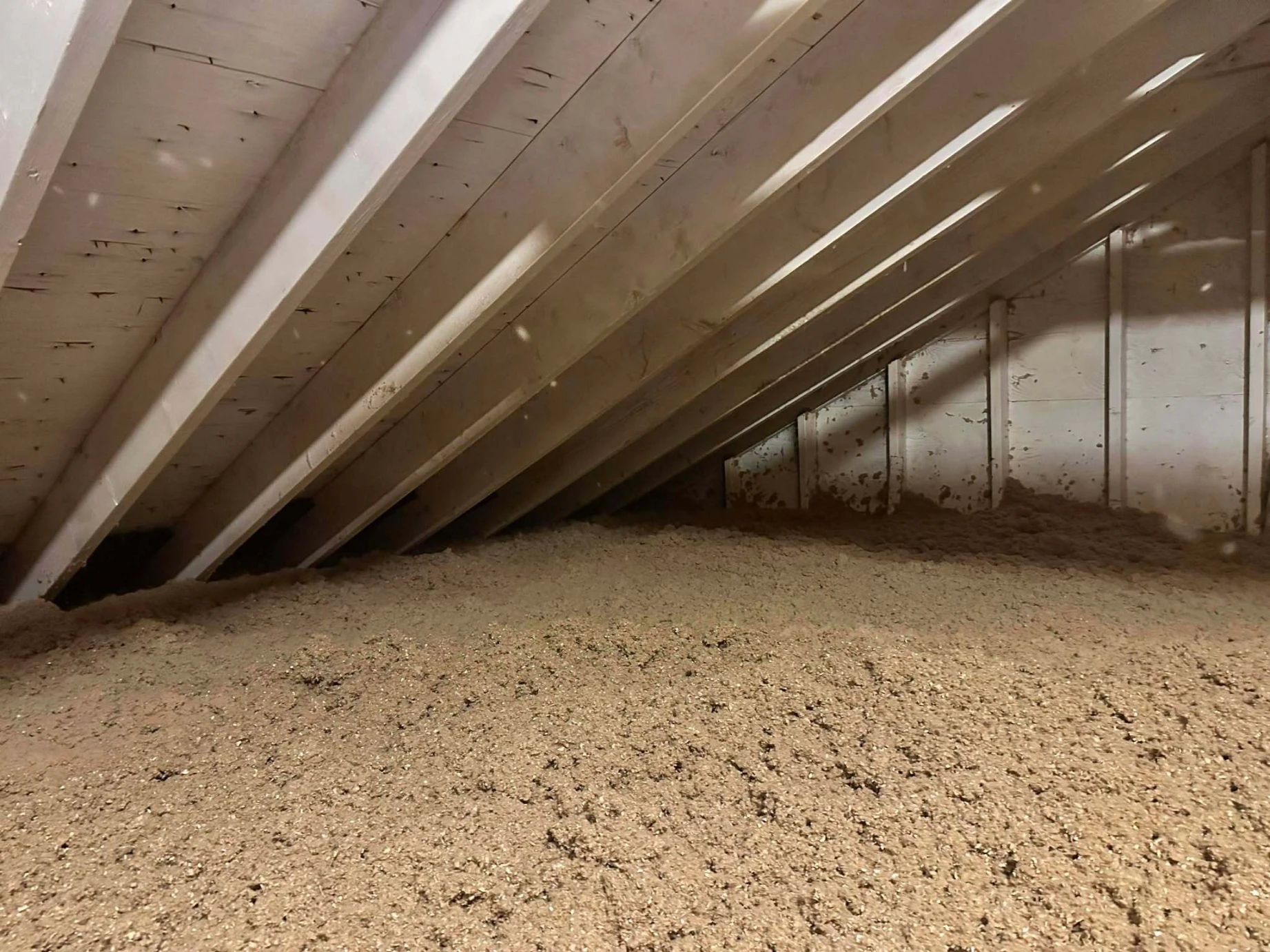
Several factors influence whether blown-in insulation is the right choice for your specific situation. Existing insulation should be assessed first. If your attic already has some insulation, adding blown-in material on top often makes sense. For walls, professionals need to determine what’s currently in the cavities and whether removal is necessary.
The condition of your home’s air barrier matters too. Blown-in insulation reduces air movement, but it cannot stop all air leakage on its own. Major gaps around windows, doors, and penetration points should be sealed before insulation installation for maximum effectiveness.
Bonus Tip: Consider scheduling insulation projects in fall or early winter. This timing allows homeowners to feel the difference immediately, and any adjustments to heating systems can be made before the coldest weather arrives.
Bonus Tip: Ask about dense-pack installation for exterior walls. This technique uses higher pressure to pack insulation into wall cavities at a density that prevents settling and provides significantly better air sealing than standard applications.
Blown-in insulation offers a practical solution for eliminating drafts and cold spots that make homes uncomfortable. The ability to fill every gap and void creates a thermal barrier that traditional insulation services in Quinsigamond Village, MA simply cannot match. For Quinsigamond Village residents dealing with New England winters and older housing stock, this approach addresses the specific challenges of regional climate and local construction methods.
Homeowners should assess their current insulation levels, identify specific problem areas, and work with experienced professionals who understand local building characteristics. The investment in proper insulation pays dividends in comfort, energy savings, and home value over time.
Contact Lamothe Insulation at [email protected] or call (508) 847-0119 to schedule a professional insulation assessment. An evaluation can identify specific problem areas in your home and determine the best approach for eliminating drafts and cold spots for good.
Not always. In attics, new insulation can typically be added over old material unless the existing insulation is wet, moldy, or contains vermiculite that may contain asbestos. For walls, inspectors usually need to check what’s inside the cavity before recommending removal or adding new material.
Yes, insulation works in both directions. It keeps heat out during summer just as it keeps heat in during winter. Proper attic insulation in particular can reduce cooling loads significantly by preventing the attic from becoming a heat radiator that pushes heat into living spaces below.
Most homeowners notice reduced drafts and more even temperatures within a few days. The full impact on energy bills becomes apparent over a full heating or cooling season as the insulation works consistently through weather variations.
It can be installed in crawl spaces, but this requires specific considerations. The crawl space must remain dry and typically needs a vapor barrier. Some professionals prefer encapsulating crawl spaces rather than blowing in insulation, depending on the specific conditions of your home.
The materials themselves are generally safe once installed. Sealed within wall cavities or attics, they do not release fibers into living spaces. People with severe dust sensitivities may want to leave the home during installation and return after cleanup is complete.