Insulation Thickness and Density: How They Affect Noise Reduction
The effectiveness of insulation for noise reduction depends primarily on two physical properties: thickness and density. Thicker insulation blocks more…

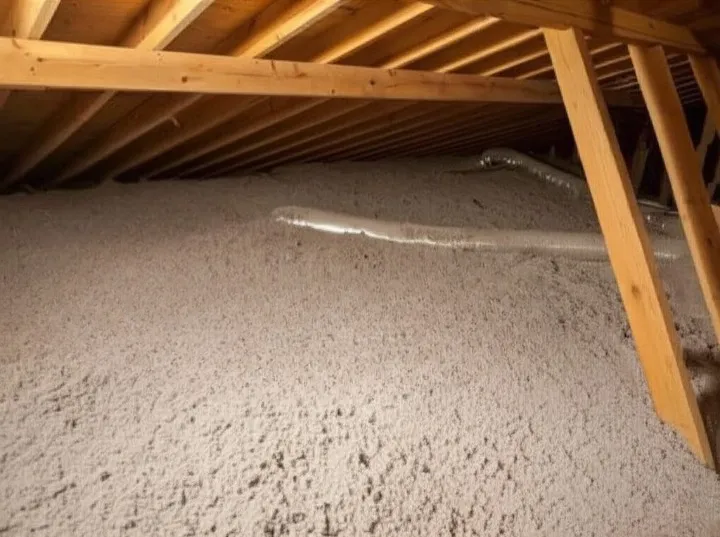
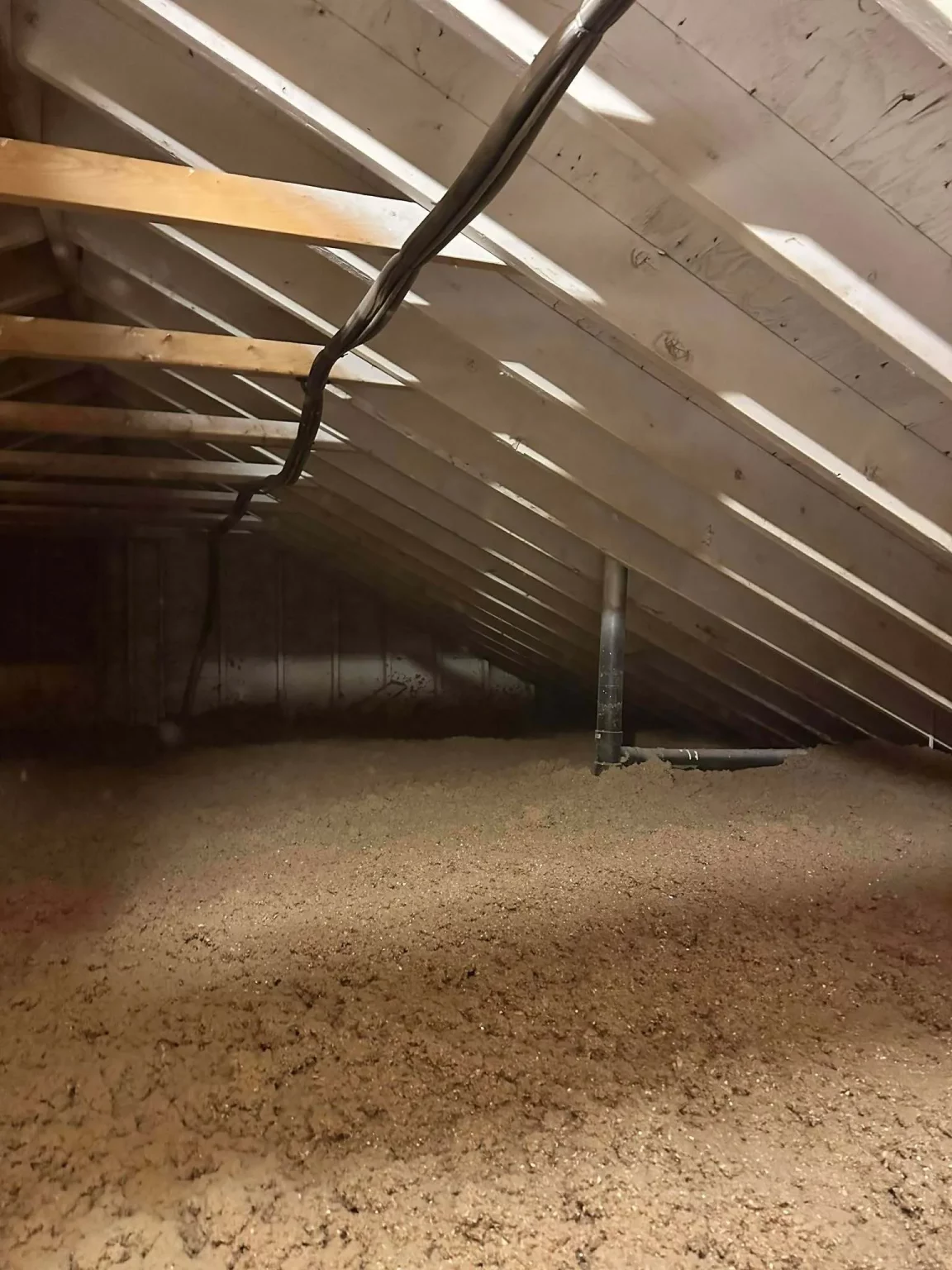
Choosing between blown-in cellulose and blown-in fiberglass insulation for an attic often comes down to balancing cost, density, and specialized material properties. For most standard residential applications focused solely on R-value per dollar, fiberglass is often the more budget-friendly and widely used option. However, cellulose offers several technical advantages, including better air sealing performance when dense-packed and superior fire resistance due to its composition and treatment. Ultimately, the best choice depends on the climate zone, the existing ventilation system, and whether the goal is to maximize thermal resistance on a budget or to achieve higher density and specialized fire safety.
Selecting the proper insulation solution is an essential step in managing a building’s energy performance. Both materials, when installed correctly to the recommended R-value for the region, significantly reduce heat transfer. Understanding the makeup and characteristics of each product enables homeowners and contractors to make informed decisions that meet the specific demands of the structure. Details about thermal properties and installation methods are essential for long-term comfort and savings.
Cellulose insulation is manufactured primarily from recycled paper products, mostly newsprint. This material is finely shredded and treated with fire-retardant chemicals, often borates (boric acid and borax). Because it is made from recycled content, cellulose is generally regarded as a greener material choice, sometimes containing up to 80% recycled fibers.
Fiberglass, on the other hand, is made from fine glass fibers woven into a material that traps air. The materials used are silica sand and recycled glass, which are melted and spun into fibers. Unlike cellulose, fiberglass is inherently non-flammable because it is made of glass. When installing fiberglass in an attic, the material’s weight is lower, allowing it to achieve the required R-value depth with less weight on the ceiling structure below.
While the raw R-value per inch is similar for both materials, the installed performance can vary significantly. R-value measures thermal resistance; a higher number means better insulation performance. Fiberglass typically ranges from 3.2 to 3.8 R-value per inch, while cellulose often starts higher, around 3.5 to 3.8 R-value per inch.
Fiberglass insulation tends to maintain its loft well over time, resisting settling more than cellulose. A study from the U.S. Department of Energy (DOE) highlights that while cellulose may start with a slightly higher installed R-value, it can settle by up to 20% in the years immediately following installation. This settling lowers the effective depth and R-value over time. Installers must account for this settling when blowing in cellulose to ensure the required long-term R-value is met.
Bonus Tip 1: If you choose cellulose, always ensure the installer aims for 15-20% above the target depth marker to compensate for anticipated settling. This prevents the R-value from dropping below compliance standards later on.
This is where treated cellulose often surprises people. While fiberglass is non-combustible, cellulose is treated with chemicals that make it highly fire-resistant. When exposed to heat or fire, the chemical treatment causes the outer layer of the cellulose to char, effectively creating an insulating barrier that slows the spread of flame. This makes it an effective fire-blocking material, a characteristic favored by many building codes and fire safety experts, according to technical standards referenced by the National Fire Protection Association (NFPA).
When installed using the dense-pack technique, cellulose excels at air sealing because its small, heavy particles effectively fill tiny cracks and voids, minimizing air leakage. Fiberglass, with its larger, less dense fibers, does not seal air gaps as well on its own. Air sealing is actually a more important factor than R-value in many homes. Data published by Energy Star suggests that adding air sealing measures along with insulation can reduce average home heating and cooling costs significantly.
To simplify the technical differences, consider how the materials compare side-by-side in key areas:
| Feature | Fiberglass Blown-In | Cellulose Blown-In |
|---|---|---|
| Primary Material | Molten glass and recycled glass | Recycled paper (newsprint) |
| Installed R-Value/Inch | 3.2 – 3.8 | 3.5 – 3.8 |
| Settling Over Time | Very low (under 5%) | Moderate (up to 20%) |
| Moisture Tolerance | Excellent (does not absorb water) | Poor (absorbs moisture, loses R-value) |
| Fire Performance | Non-combustible (won’t burn) | Highly fire-retardant (chars slowly) |
| Installed Weight | Lighter weight per cubic foot | Denser and heavier |
| Cost (Material) | Generally lower initial cost | Generally higher initial cost |
Blown-in insulation installation involves using a special machine that fluffs the material and blows it through a large hose into the attic space. Fiberglass is notorious for creating irritating dust during installation, requiring extensive protective gear (respirators, goggles, full-body coverage). Cellulose dust, while irritating, is less abrasive and less likely to cause skin irritation.
For contractors operating in colder regions, like the Northeast, achieving a high R-value is non-negotiable. Building codes require higher R-values, often R-49 to R-60 in Climate Zones 5 and 6. Because cellulose is denser, it often provides better performance in extremely cold temperatures, minimizing thermal bridging when packed tightly around joists and wiring. Fiberglass can achieve these high R-values, but often requires substantially more depth.
Bonus Tip 2: Before blowing in any material, ensure that all heat-producing fixtures, like recessed lights (pot lights) that are not rated for direct contact with insulation (IC-rated), are properly contained with fire-rated barriers or boxes. This is true regardless of whether fiberglass or cellulose is chosen.
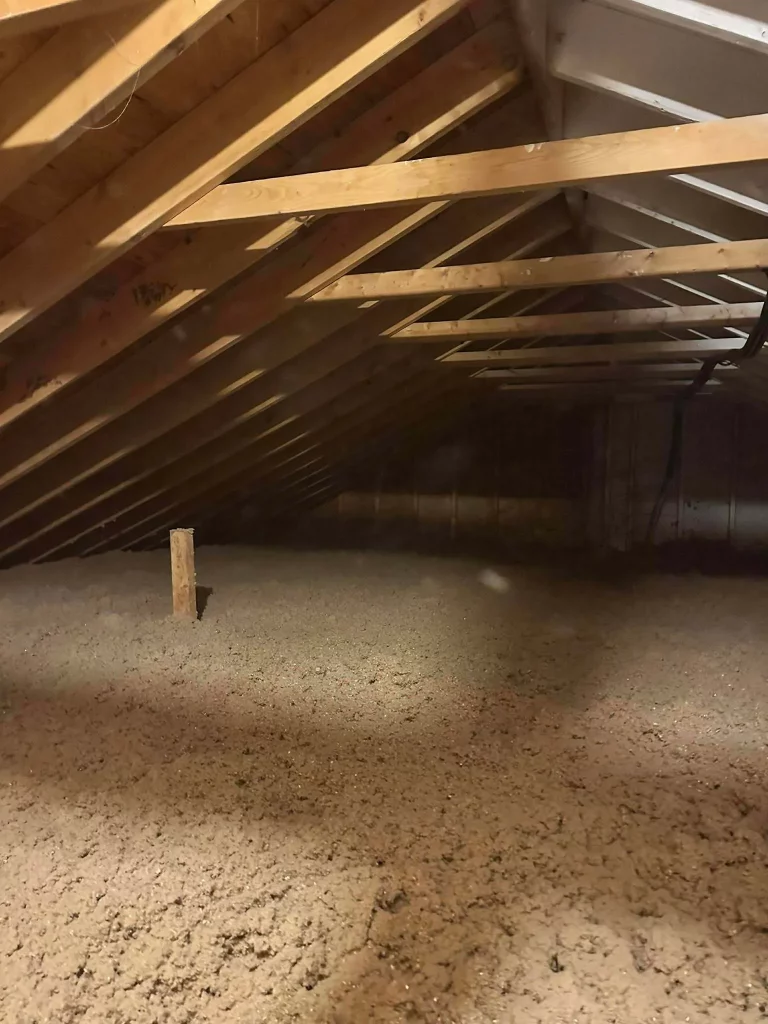
Is the attic currently empty, or does it have old, degraded insulation? Removing old insulation is often necessary to achieve maximum performance and R-value consistency. It is also essential to inspect the roof deck for any signs of water intrusion or inadequate ventilation. Fiberglass handles incidental moisture slightly better than cellulose, which can clump and lose R-value when wet.
If the attic has poor ventilation, moisture buildup is a significant risk. If cellulose absorbs moisture, it can become heavy and lose its thermal resistance, potentially causing mold or structural stress due to weight. Proper attic ventilation (intake soffit vents and exhaust ridge or roof vents) is mandatory, especially before installing insulation like cellulose.
If the building is located in a noisy area, or if sound transmission from the roof (like rain or airplane noise) is a concern, the greater density of cellulose makes it a superior sound dampener. While insulation is primarily for thermal control, sound dampening is an excellent secondary benefit that the denser cellulose provides.
Bonus Tip 3: Always air-seal all gaps around pipes, vents, and utility penetrations before insulating. This physical barrier is the most effective way to keep pests out, regardless of the insulation material chosen.
Both materials deliver excellent long-term cost benefits by reducing energy consumption. While fiberglass usually has a lower upfront material cost, the superior air sealing achieved by dense-packed cellulose often results in greater overall energy efficiency, maximizing savings throughout the building’s lifespan.
While moisture harms the performance of both materials, cellulose is much more susceptible. It absorbs and holds water, which causes compaction and rapid R-value loss. Fiberglass resists absorption better and dries out without permanent damage if the leak source is fixed, but robust ventilation and air sealing are necessary for both materials to remain effective long-term.
Fiberglass requires more stringent personal protective equipment (PPE) during installation because the glass fibers can irritate the skin, eyes, and lungs. Cellulose dust is irritating but generally considered less hazardous to handle than fiberglass, provided standard respiratory protection is used.
The absolute most important factor is proper depth and coverage to meet the regional R-value requirements, combined with thorough air sealing before insulation is installed. Even the best insulation material will fail to deliver promised savings if heated air leaks into the attic uncontrollably.
Neither material inherently attracts pests, but treated cellulose may repel them slightly better. The borate fire retardants used in cellulose act as a mild natural deterrent to some insects and rodents. Fiberglass does not contain these deterrents, but its glass fiber composition makes it an unappealing nesting material.
When evaluating cellulose versus fiberglass, focus on which material best addresses the unique problems of the specific attic. If minimizing upfront cost while achieving a solid R-value is the priority, fiberglass is a reliable option. If the structure demands maximum air tightness, superior sound control, or enhanced fire resistance, the added density and chemical treatment of cellulose make it the better selection. Carefully evaluate your structure’s needs, budget constraints, and long-term performance goals before finalizing the material choice.
Choosing between fiberglass and cellulose requires expert input based on an attic inspection. The right decision saves money and ensures maximum comfort year-round. Lamothe Spray Foam Insulation offers professional assessment services to help property owners determine the ideal material and R-value for their climate zone. Reach out for expert guidance by emailing [email protected] or calling (508) 847-0119 to discuss your specific insulation needs and options.