Blown-In Insulation vs Mineral Wool: Which Option Offers Better Soundproofing?
admin_lamotheinsulation
March 30th, 2026
Mineral wool offers superior soundproofing performance compared to blown-in insulation, delivering STC ratings of 45-52 versus cellulose’s typical STC rating of 45. For contractors focused on acoustic performance, mineral wool’s higher density and rigid structure create better mass for blocking airborne sound transmission. Blown-in cellulose remains a cost-effective solution that performs adequately for general noise reduction, but mineral wool’s engineered fiber structure absorbs and dampens sound waves more effectively across low, mid, and high frequencies.
For residential and commercial projects where noise control is a primary concern, mineral wool provides measurable acoustic advantages. However, blown-in insulation can still achieve acceptable results when properly dense-packed and represents a more budget-friendly option for clients prioritizing thermal performance with moderate sound-dampening needs.
TLDR / Key Takeaways
Soundproofing Winner: Mineral wool achieves STC ratings of 45-52, outperforming blown-in cellulose at approximately STC 45
Cost Reality: Blown-in cellulose runs $0.60-$2.30 per square foot installed, while mineral wool typically costs 30-50% more
Installation Speed: Blown-in insulation covers large areas faster; mineral wool requires precise cutting and fitting
Density Advantage: Mineral wool’s 4-8 lbs/ft³ density provides superior sound mass compared to cellulose’s 3.5-4.0 lbs/ft³
Moisture Performance: Cellulose offers better moisture buffering; mineral wool is hydrophobic and water-resistant
Best Use Cases: Choose mineral wool for home theaters, recording studios, and shared walls; choose blown-in for attics and general thermal upgrades
Hybrid Approach: Many contractors use mineral wool in critical walls and blown-in insulation for attic spaces to balance cost and performance
How Soundproofing Performance Differs
Understanding STC Ratings
The Sound Transmission Class (STC) rating measures how well a building material blocks airborne sound. According to Acoustical Surfaces mineral wool has an STC rating roughly ranging between 45 and 52, which is the highest among common insulation materials. This rating means mineral wool can reduce conversational speech to barely audible levels when installed in standard wall assemblies.
Blown-in cellulose typically achieves an STC rating around 45 when dense-packed to 3.5 pounds per cubic foot. While respectable, this rating reflects cellulose’s primary design purpose as thermal insulation rather than acoustic treatment.
Density and Mass Matter
Mineral wool’s superior performance stems from its engineered density. The material weighs 4-8 pounds per cubic foot, depending on the product grade, creating the mass needed to block sound transmission. The rigid batts or boards maintain their structure without settling, ensuring consistent acoustic performance over decades.
Blown-in cellulose at dense-pack levels reaches 3.5-4.0 pounds per cubic foot. While this density provides reasonable sound dampening, cellulose fibers are softer and more compressible than mineral wool’s rock or slag-based composition.
Frequency Response Comparison
Frequency Range
Mineral Wool Performance
Blown-In Cellulose Performance
Low (125-250 Hz)
Excellent absorption
Moderate absorption
Mid (500-1000 Hz)
Superior blocking
Good dampening
High (2000-4000 Hz)
Excellent blocking
Moderate blocking
Visual Suggestion: Bar chart comparing STC ratings across insulation types with mineral wool, blown-in cellulose, and fiberglass batts on the X-axis and STC rating (40-55) on the Y-axis.
Mineral wool’s higher upfront cost delivers better long-term value for soundproofing-specific projects. The material does not settle, compress, or degrade from moisture exposure, maintaining acoustic performance for the building’s lifetime.
Blown-in cellulose offers a lower initial investment but may require re-inspection after 10-15 years if settling occurs. However, according to Green Building Advisor cellulose has moisture-buffering properties, increased thermal mass, and superior air-infiltration qualities that provide additional benefits beyond soundproofing.
Real-World Application Scenarios
Scenario
Property Type
Recommended Option
Estimated Cost
Home theater in the basement
Residential basement
Mineral wool batts in the walls and ceiling
$2,200-$3,800
Attic conversion to bedroom
Residential attic
Blown-in cellulose at R-49
$1,800-$3,500
Shared wall between townhomes
Multi-family residential
Mineral wool with double stud wall
$4,500-$7,200
General whole-house re-insulation
Residential retrofit
Blown-in cellulose throughout
$3,500-$6,500
Recording studio construction
Commercial/residential
Mineral wool boards with isolation clips
$8,500-$15,000
Installation Considerations
Blown-In Insulation Advantages
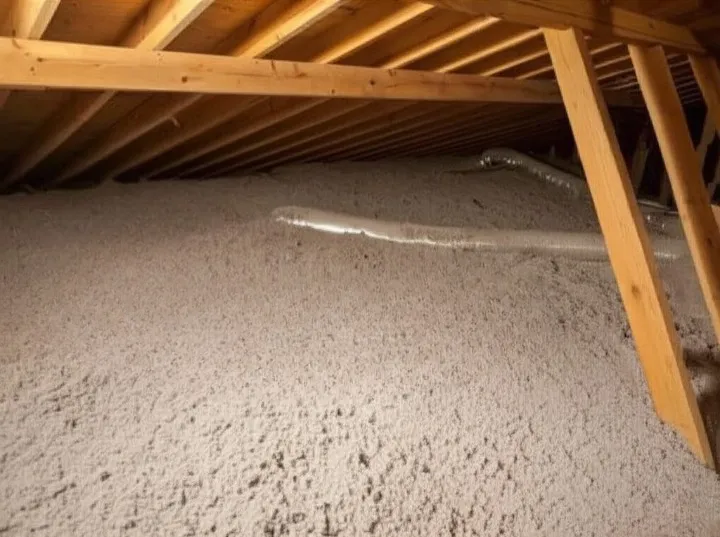
Blown-in cellulose excels at covering irregular spaces, filling gaps around pipes and wires, and achieving consistent coverage in attics. The installation process requires specialized blowing equipment but covers large areas quickly. Dense-pack applications in walls create a monolithic fill that reduces air infiltration while providing moderate sound dampening.
Mineral Wool Installation Factors
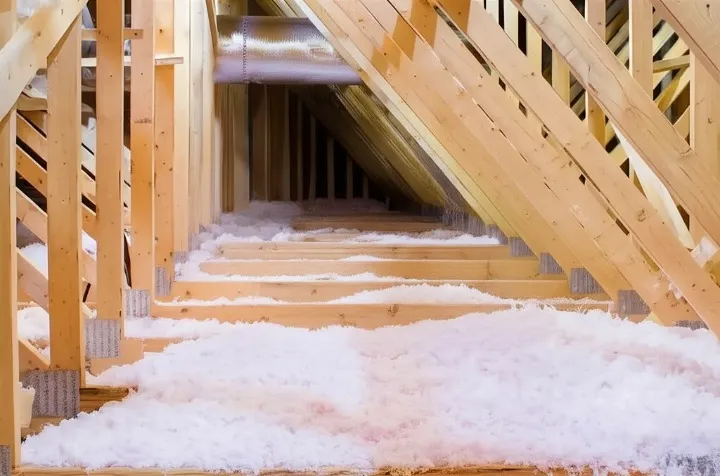
Mineral wool requires more labor-intensive installation but delivers precision results. Experts must cut batts or boards to fit stud bays exactly, avoiding compression that reduces acoustic performance. The rigid structure allows for tighter-packed installations without sagging, crucial for maintaining soundproofing integrity in vertical wall applications.
Factors That Influence the Decision
Choose Mineral Wool When:
STC ratings above 45 are required
The project involves home theaters, recording studios, or noise-sensitive spaces
Moisture resistance is needed (mineral wool is hydrophobic)
Long-term acoustic performance stability matters
Budget allows for 30-50% higher material costs
Choose Blown-In Insulation When:
Thermal performance is the primary goal, with sound dampening as secondary
The project involves attic spaces or irregular cavities
Budget constraints favor lower-cost solutions
The speed of installation is critical
Moisture buffering properties are beneficial
Who This Is For / Who This Is NOT For
This Comparison Is For:
Contractors specifying insulation for multi-family residential projects
Renovation contractors upgrading older homes with minimal sound control
This Comparison Is NOT For:
Clients seeking only thermal insulation without acoustic concerns
Projects with severe budget limitations where basic fiberglass suffices
Applications requiring spray foam’s air sealing properties exclusively
Do-it-yourselfers without experience cutting rigid insulation materials
Ready to Soundproof Your Next Project?
Every building has unique acoustic challenges, and choosing the wrong insulation can leave your clients disappointed with noise levels they thought they’d eliminated. At Lamothe Insulation, we’ve helped hundreds of contractors and property owners achieve professional-grade soundproofing results across Massachusetts. Whether you’re building a home theater that demands mineral wool’s superior STC ratings or need cost-effective blown-in solutions for a whole-house retrofit, our team provides expert guidance and precision installation.
Contact us today at (508) 847-0119 or email [email protected] to discuss your specific soundproofing requirements. We’ll evaluate your space, recommend the right material for your performance goals and budget, and deliver results that exceed expectations.
FAQs
What STC rating should I aim for in a standard residential wall?
Aim for STC 45-50 for shared walls between units or bedrooms, and STC 50+ for home theaters or recording spaces. Standard interior walls with minimal insulation typically achieve STC 33-35, which allows normal conversation to be clearly understood. Upgrading to mineral wool in a standard 2×4 wall assembly can increase ratings to STC 48-52, creating effective privacy barriers.
Can blown-in cellulose match mineral wool’s soundproofing with a thicker application?
Increasing blown-in cellulose depth improves sound dampening, but density matters more than thickness for blocking sound. Doubling cellulose depth from 3.5 to 7 pounds per cubic foot in walls is impractical and structurally problematic. Mineral wool’s engineered density at standard thicknesses outperforms even thick cellulose applications for airborne sound blocking.
Is mineral wool worth the extra cost for a standard home renovation?
For standard renovations where thermal performance is primary, and noise is secondary, blown-in cellulose offers better value. However, if the home has shared walls, busy street noise, or bedrooms near living areas, mineral wool’s 30-50% cost premium delivers measurable quality-of-life improvements that many homeowners consider worthwhile.
How does moisture affect soundproofing performance over time?
Cellulose can absorb and release moisture, which may cause minor density fluctuations affecting acoustic performance. Mineral wool’s hydrophobic nature means it repels water and maintains consistent density regardless of humidity changes. In damp climates or below-grade applications, mineral wool’s moisture resistance provides more stable long-term soundproofing.
Can I combine both materials in the same project?
Yes, hybrid approaches are common and cost-effective. Many contractors use mineral wool in critical sound-blocking walls (bedrooms, home theaters) while using blown-in cellulose for attics and non-critical spaces. This strategy delivers targeted acoustic performance where needed while controlling overall project costs.
Mineral wool offers superior soundproofing performance compared to blown-in insulation, delivering STC ratings of 45-52 versus cellulose’s typical STC rating…
Closed-cell spray foam insulation outlasts all traditional insulation types, maintaining peak performance for 80 to 100+ years without degradation. Traditional…