Insulation Thickness and Density: How They Affect Noise Reduction
The effectiveness of insulation for noise reduction depends primarily on two physical properties: thickness and density. Thicker insulation blocks more…

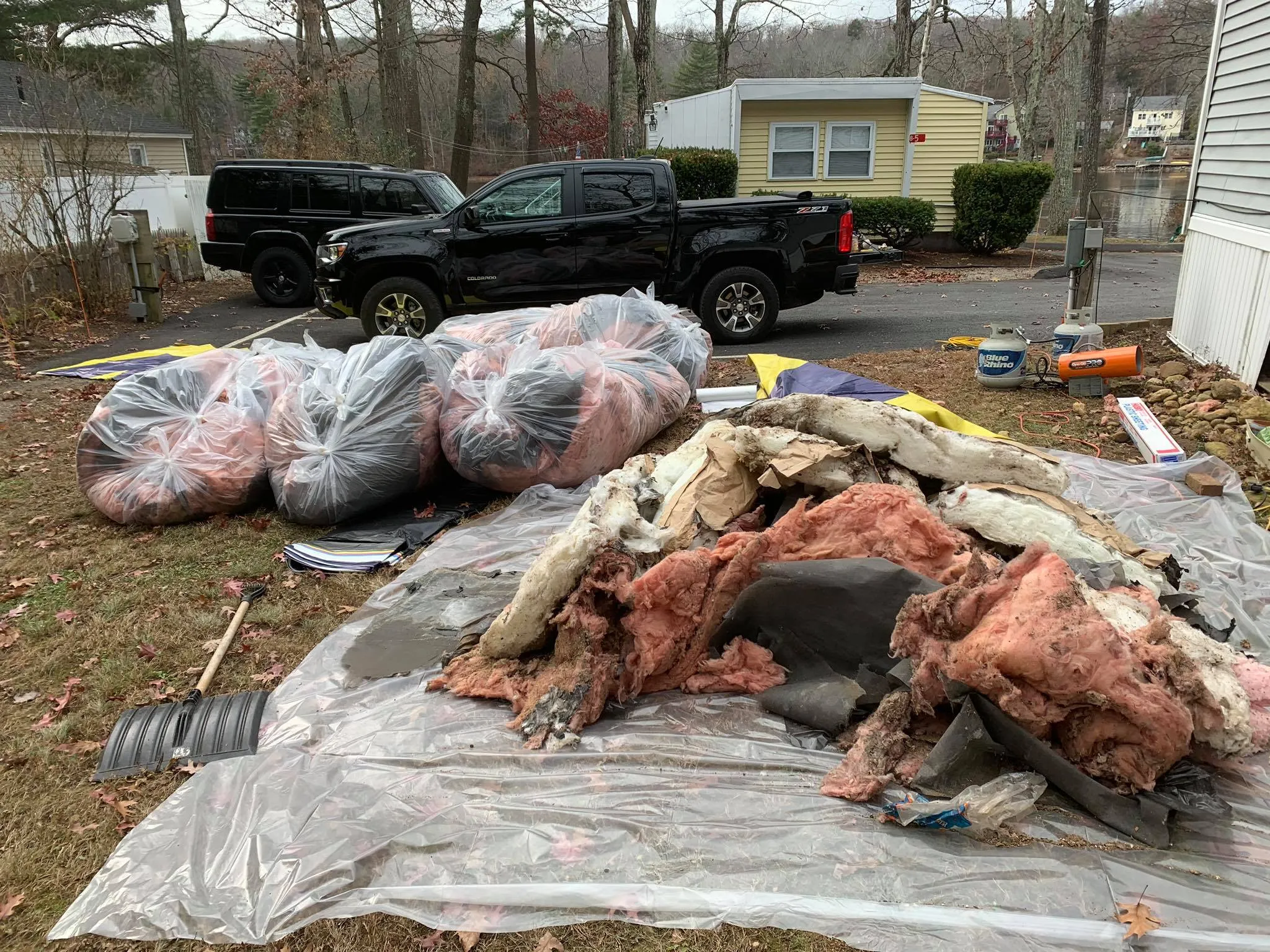
Old or damaged insulation can silently drain your bank account and compromise your home’s air quality. Many homeowners ignore their attics and crawl spaces until a major issue arises, such as a sudden spike in energy bills, unexplained allergies, or signs of pest infestation. Insulation removal is not just about cleaning up a mess. It is often the first step toward restoring a home’s efficiency and safety.
This guide covers everything you need to know about insulation removal. You will learn why removal becomes necessary, the specific methods used for different materials, and the strict safety protocols required to handle hazardous insulation types. The goal is to provide a comprehensive resource to help you make informed decisions about maintaining your home’s thermal envelope.
Insulation does not last forever. While materials like fiberglass and cellulose are durable, they lose effectiveness over time due to compression, moisture, and contamination. Understanding the specific reasons for removal helps determine whether a simple top-up of new insulation will suffice or if a full removal is the better option.
One of the primary reasons for removal is physical damage. When pests such as rodents, raccoons, or squirrels invade an attic, they destroy insulation while building nests. They leave behind droppings and urine that contaminate the material. This creates health hazards and foul odors that permeate the living space. Simply covering contaminated insulation with fresh material does not solve the problem. It seals the biological hazards inside your home.
Water damage is another major factor. Roof leaks, plumbing failures, or excessive humidity can soak insulation. Wet fiberglass loses its R-value, which measures its resistance to heat flow. Even worse, wet insulation creates a breeding ground for mold and mildew. Once mold takes hold in porous materials like cellulose, it is nearly impossible to remediate without removing the material entirely.
Homeowners also remove insulation to upgrade outdated materials. Homes built decades ago may have insulation that no longer meets modern energy codes. Removing the old, ineffective layer allows for a fresh start with modern, high-performance materials that seal the home more tightly.
Not all insulation is created equal. The removal strategy depends entirely on the material installed. Using the wrong technique can result in a bigger mess, higher costs, and potential health risks.
Fiberglass is the most common insulation found in residential attics. It consists of fine glass fibers woven together. Removing batts is labor-intensive but mechanically simple. Workers must wear protective gear to prevent skin irritation and respiratory issues.
The process involves bagging the insulation by hand. Professionals carry industrial-grade bags into the attic, loosen the batts from the joists, and stuff them into the bags. This method generates a lot of airborne dust. Containment is critical to prevent fibers from floating down into the living areas of the house.
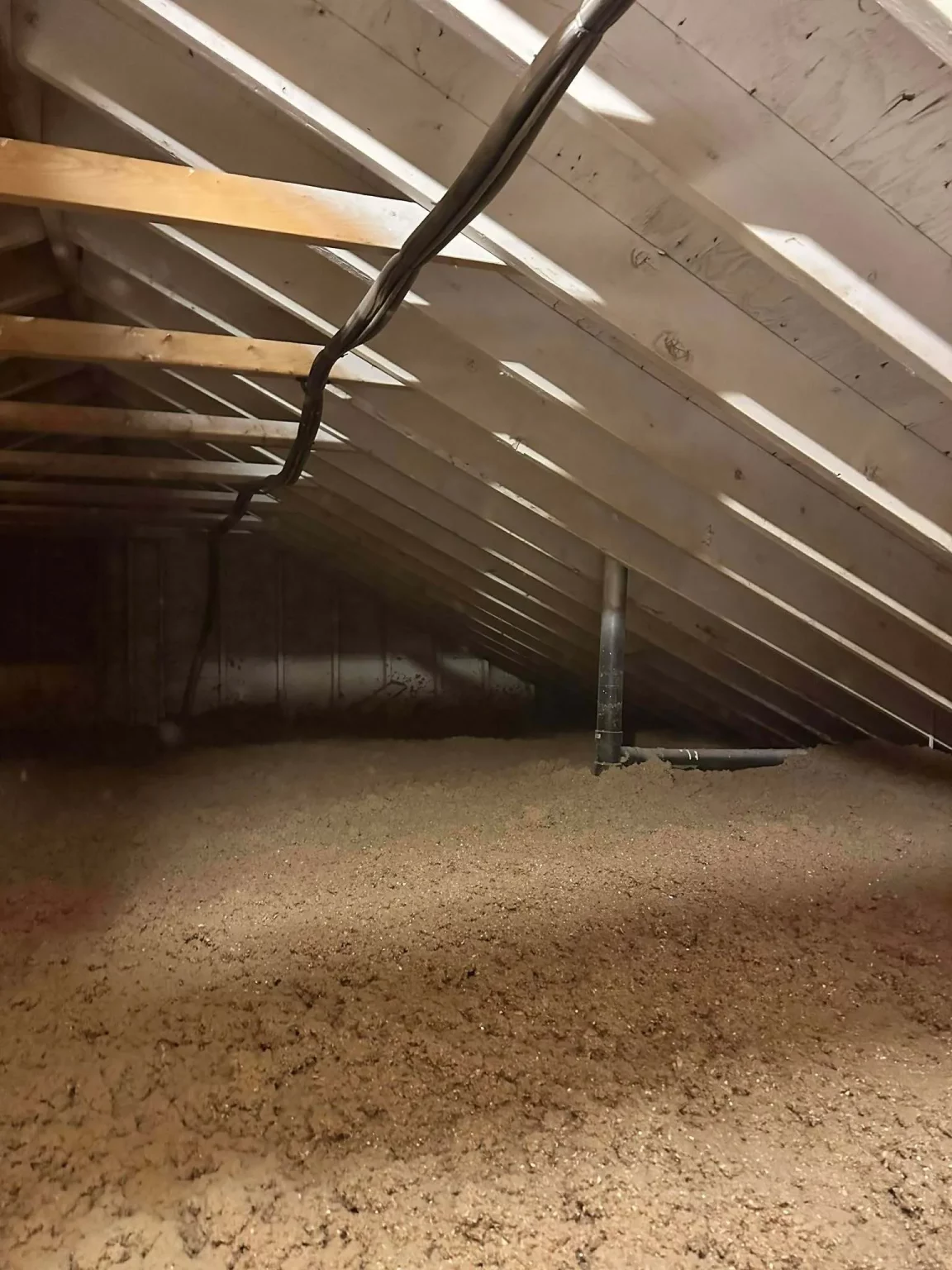
Blown-in insulation covers attic floors in a fluffy, blanket-like layer. Cellulose is made from recycled paper treated with fire retardants, while blown-in fiberglass is similar to batt material but chopped into small pieces.
Removing loose-fill is almost impossible to do effectively by hand. It requires specialized high-powered insulation removal vacuums. These machines feature long hoses that extend into the attic. The vacuum sucks up the material and deposits it into a large debris bag or dumpster, usually located outside or in a truck.
Expert Tip: When removing loose-fill insulation, always check for “ladder drops.” These are areas where insulation was cleared away to create a path to the attic access or HVAC units. These spots often hide gaps in the air barrier that need sealing before new insulation is installed.
Spray foam insulation solution presents a unique challenge. It expands and hardens, adhering tenaciously to the wood sheathing, joists, and roof deck. Removing open-cell or closed-cell spray foam is a construction project, not just a cleaning job.
Mechanical removal is the standard approach. Technicians use specialized scrapers and grinders attached to poles to scrape the foam off the substrate. This process creates a massive amount of dust and debris. It is slow, difficult work that requires significant physical effort. In some cases, if the foam is applied incorrectly but is in decent condition, it might be left in place and covered with new insulation, provided it is not blocking ventilation.
Table: Comparison of Insulation Removal Methods
| Insulation Type | Primary Removal Method | Difficulty Level | Dust Generation | Typical Equipment Needed |
|---|---|---|---|---|
| Fiberglass Batts | Manual Bagging | High | High | Protective suits, gloves, and industrial bags |
| Blown-In Cellulose | Industrial Vacuum | Medium | Very High | High-volume vacuum, long hoses |
| Blown-In Fiberglass | Industrial Vacuum | Medium | Very High | High-volume vacuum, long hoses |
| Spray Foam | Mechanical Scraping | Very High | Extreme | Scrapers, grinders, pole saws, containment |
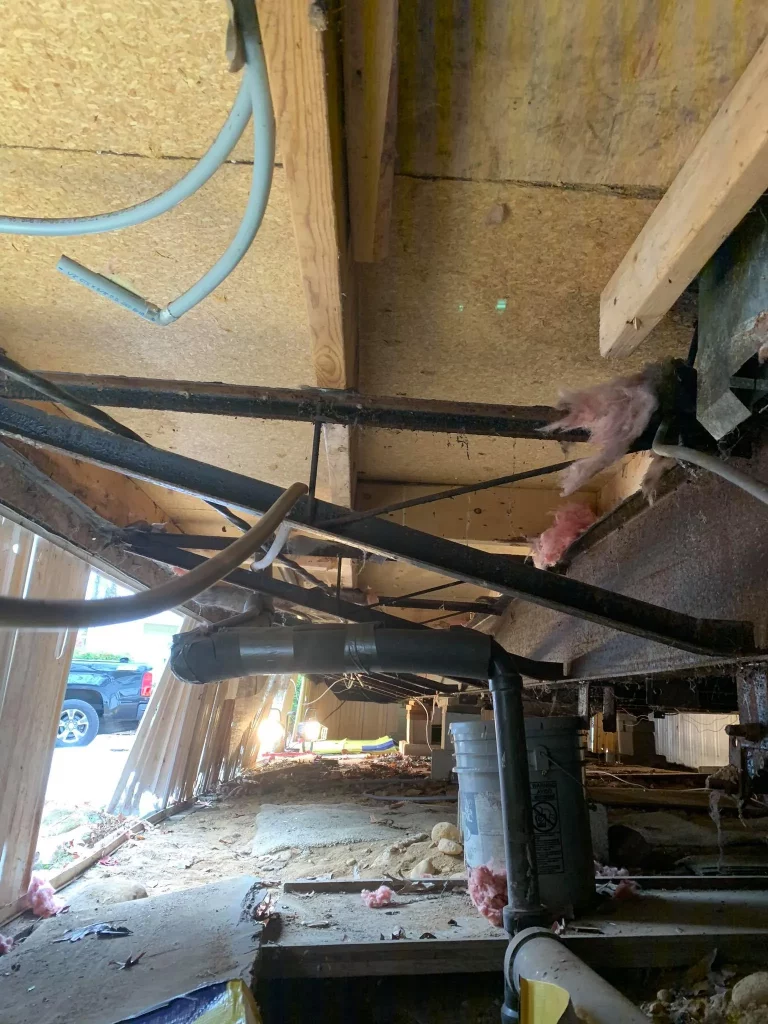
A professional insulation removal service follows a strict sequence to ensure the job is done safely and completely. Skipping steps often leads to cross-contamination or poor performance of the new insulation.
Before any material comes out, a thorough inspection is necessary. This identifies the type of insulation, the depth of the material, and the presence of hazards like asbestos or mold.
Professionals will prepare the workspace by setting up containment zones. Plastic sheeting seals off the attic access door and protects the home’s interior. A negative pressure fan is often used to create an airflow that sucks dust away from the living space and toward the filtration equipment. [Link to: Guide on Attic Air Sealing Strategies]
For loose-fill materials, the vacuum hose is fed into the attic. A technician moves the hose across the floor, systematically sucking up the insulation. For batts, the team manually bags the material. In both cases, the crew constantly monitors the bags to ensure they do not overfill and rupture.
This is the “dirty” phase of the project. Even with containment, some dust is inevitable. The removal area is treated as a hazardous zone, and only suited personnel enter during the active process.
Once the insulation is gone, the attic floor is still covered in dust, debris, and potentially pest droppings. The cleaning phase is just as important as the removal.
Technicians use HEPA-filter vacuums to remove fine particulate matter from the joists and sheathing. If pests were the issue, a sanitizer and deodorizer are applied. This step kills lingering bacteria and neutralizes odors caused by urine. It prepares the attic surface for the new insulation to be installed directly onto clean wood.
With the attic empty, it is the perfect time to seal air leaks. Gaps around light fixtures, plumbing stacks, and chimneys allow conditioned air to escape. Sealing these gaps improves the performance of the new insulation significantly.
Key Takeaways
Disturbing old insulation releases particles into the air. Some of these particles are merely irritants, while others pose serious long-term health risks. Understanding these dangers explains why professionals invest heavily in safety gear.
Perhaps the most dangerous material found in older attics is vermiculite insulation. Much of the vermiculite sold in the United States until the 1990s came from a mine in Libby, Montana, which contained natural asbestos deposits. According to the Environmental Protection Agency, homeowners should assume that vermiculite insulation contains asbestos and should not disturb it.
Asbestos fibers are microscopic. When inhaled, they can cause lung cancer, mesothelioma, and asbestosis. Removing vermiculite is not a standard DIY job. It requires certified asbestos abatement professionals who follow federal regulations for containment and disposal.
Wet insulation breeds mold. When you disturb moldy insulation, you release spores into the air. These spores can trigger allergic reactions and asthma attacks. In severe cases, certain molds produce mycotoxins that can cause more serious neurological issues. Professional removal includes mold remediation steps to prevent spores from colonizing other parts of the home.
Even “clean” fiberglass is an irritant. The tiny glass fibers break off and float in the air. They can scratch the eyes and irritate the throat. While generally considered less toxic than asbestos or mold, prolonged exposure without respiratory protection is unhealthy. Professional teams wear respirators with P100 filters to prevent inhaling these fibers.
Attempting insulation removal without the right tools is an exercise in frustration. The equipment needed goes far beyond a shop vac and a garbage bag.
Insulation Removal Vacuum: This is the centerpiece of the operation. Unlike a standard shop vac, these commercial machines are designed to handle massive volumes of lightweight material. They feature powerful motors that can pull insulation through long hoses without clogging. Many units mount directly onto trucks, dumping the debris directly into a containment bin.
Commercial Decontamination Units: For jobs involving mold or heavy pest waste, air scrubbers are essential. These machines pull air from the work area, pass it through HEPA filters, and return clean air. They maintain negative pressure, preventing dust from drifting out of the attic.
Protective Gear: Technicians wear disposable coveralls, often with hoods and booties. They wear gloves rated for insulation handling and half-face or full-face respirators. Eye protection is mandatory to prevent fiberglass dust from scratching the corneas.
Removal is an investment. Homeowners often look at the upfront cost and hesitate. However, viewing it through the lens of return on investment (ROI) changes the perspective.
Data from the Insulation Institute suggests that proper air sealing and insulation can reduce a home’s heating and cooling costs by an average of 15%. If your current insulation is damaged or compressed, it provides no savings. Removing it and installing fresh material stops the financial bleed.
Furthermore, removing damaged insulation protects the home’s value. An attic full of rat droppings is a red flag during a home inspection. It can kill a sale or force the seller to pay for the removal at a discounted, rushed rate. Addressing the issue proactively maintains property value.
There is also the health ROI. If family members suffer from unexplained headaches or respiratory issues, the cause could be in the attic. Mold spores or pest allergens can circulate through the HVAC system. Removing the source of these contaminants often leads to an immediate improvement in indoor air quality.
DIY removal is technically possible for small areas of clean, loose-fill fiberglass in an accessible attic. However, the risks often outweigh the savings.
The biggest hurdle for a homeowner is disposal. Waste facilities often charge fees to accept insulation. Most residential trash trucks will not take it. You may need to rent a dumpster, which adds to the cost. Transporting bags of itchy fiberglass in a personal vehicle can also contaminate the car’s interior.
Professional contractors carry insurance. If they accidentally step through a ceiling, drywall, or damage a wire, they cover the repairs. If you do it yourself, you are paying out of pocket.
Contractors also spot hidden issues. A homeowner might see dirty insulation. A professional sees rodent entry points that need to be sealed, knob-and-tube wiring that poses a fire risk, or insufficient ventilation that will rot the new roof deck. They bring expertise that turns a cleaning job into a home improvement project.
The insulation industry is evolving. Energy codes are becoming stricter, driving demand for higher R-values. This often means homeowners need to remove thinner, older insulation to make room for deeper layers of modern material.
According to a report by the North American Insulation Manufacturers Association, insulation manufacturing in the U.S. has rebounded significantly in recent years, indicating a strong push toward home energy efficiency. As homeowners retrofit their homes to meet these standards, removal services become a necessary precursor to installation.
Another trend is the focus on “green” disposal. While cellulose is recycled paper, it cannot be reused once installed because of fire-retardant additives and contaminants. However, some fiberglass manufacturers are exploring ways to recycle reclaimed insulation. Currently, most insulation goes to landfill, but the industry is moving toward more sustainable practices.
After the removal is complete, you have a blank slate. This is the opportunity to future-proof the home.
Consider adding radiant barriers to the roof deck. These reflect heat away from the living space, reducing the load on your air conditioner. In crawl spaces, encapsulation involves sealing the ground and walls with a heavy-duty vapor barrier. This transforms a damp, mold-prone crawl space into a semi-conditioned storage area.
Smart home technology is also entering the insulation space. Some homeowners are installing sensors in attics to monitor humidity and temperature. These sensors alert you if moisture levels rise, allowing you to address leaks before they destroy the new insulation.
Deciding to remove your insulation is the first step toward a healthier, more efficient home. The process involves more than just clearing out old material. It requires a strategic approach that addresses the root causes of failure, such as air leaks, moisture, and pests.
By understanding the different materials and removal methods, you can better assess the condition of your own attic. Whether you plan to tackle a small area yourself or hire a professional team for a complete attic cleanout, safety must always come first. The right equipment and protective gear are non-negotiable.
Remember that removal is an opportunity. It gives you a clean slate to seal your home’s envelope and install modern insulation that will perform for decades. Treat the project as an investment in your property value, your comfort, and your monthly energy budget.
If you are unsure about the condition of your insulation or need a professional assessment, Lamothe Insulation is here to help. With extensive experience in handling all types of insulation removal, including hazardous materials, the team ensures your home is safe and ready for an upgrade. You can reach out for a consultation or to ask specific questions about your project by calling (508) 847-0119 or emailing [email protected].
Most standard residential attics can be cleared in a single day. Factors that extend the timeline include the depth of the insulation, the accessibility of the space, and the presence of hazardous materials like asbestos. Spray foam removal can take several days due to the labor-intensive scraping required.
In some cases, yes. If the existing insulation is dry, clean, and not compressed, you can blow new insulation over it. However, if there are moisture issues, pest infestations, or mold, you must remove the old layer first. Installing over wet or contaminated insulation traps the problem and makes future repairs much more expensive.
Yes, it is inherently messy. Even with the best containment, some dust escapes. Professional services minimize this by creating negative pressure in the attic and using extensive plastic sheeting. You should cover furniture in the rooms below the attic access and expect to wipe down some surfaces after the job is done.
Costs vary based on the size of the attic, the type of insulation, and disposal fees in your area. Bagging and removing batts is generally more expensive than vacuuming loose-fill because it requires more manual labor. Asbestos abatement is significantly more expensive due to regulatory requirements.
In most cases, the insulation is bagged and taken to a landfill. Some specialized facilities can incinerate the material for energy recovery. Clean fiberglass can sometimes be recycled, but this is not yet widely available in all municipalities.