Insulation Thickness and Density: How They Affect Noise Reduction
The effectiveness of insulation for noise reduction depends primarily on two physical properties: thickness and density. Thicker insulation blocks more…


The effectiveness of insulation for noise reduction depends primarily on two physical properties: thickness and density. Thicker insulation blocks more sound by providing more material for sound waves to travel through, while denser insulation absorbs sound energy better by converting it into heat through friction. For optimal noise control, you need both sufficient thickness to stop sound transmission and adequate density to absorb sound energy. Understanding how these factors work together helps select the right insulation for specific acoustic needs. This guide explains the science behind sound insulation and provides practical insights for making informed decisions about acoustic control in buildings.
Sound travels as waves that cause air particles to vibrate. When these waves encounter insulation material, several things happen. Some sound bounces off the surface, some passes through, and some gets absorbed by the material itself. The thickness determines how far sound must travel before reaching the other side, while density affects how much sound energy gets absorbed during that journey.
The Sound Transmission Class (STC) rating measures how well materials block sound. A higher STC rating means better noise reduction. Research from the Acoustical Society of America shows that doubling insulation thickness typically increases STC rating by about 5 points, assuming density remains constant. However, simply adding thickness without considering density can lead to diminishing returns.
Thickness affects noise reduction through mass law physics – the thicker and heavier a material, the better it blocks sound. This principle explains why thin materials like drywall alone provide poor sound isolation. For effective noise control between rooms, insulation thickness should complement the wall assembly.
Typical thickness requirements vary by application:
Bonus Tip: When installing insulation in existing walls without removing drywall, consider dense-pack cellulose, which achieves better noise reduction at 3.5 inches compared to standard fiberglass batts due to its higher density.
Density matters because it determines how much sound energy gets converted to heat within the insulation material. Higher-density materials create more friction for sound waves traveling through them. However, density alone isn’t enough – the material structure must allow sound to penetrate initially.
Different insulation materials have optimal density ranges for noise reduction:
| Material Type | Typical Density Range (lbs/ft³) | Best Applications | Noise Reduction Characteristics |
|---|---|---|---|
| Fiberglass Batts | 0.5-1.0 | Interior walls, attics | Good mid-frequency absorption |
| Rockwool | 2.0-4.0 | Studios, mechanical rooms | Excellent across all frequencies |
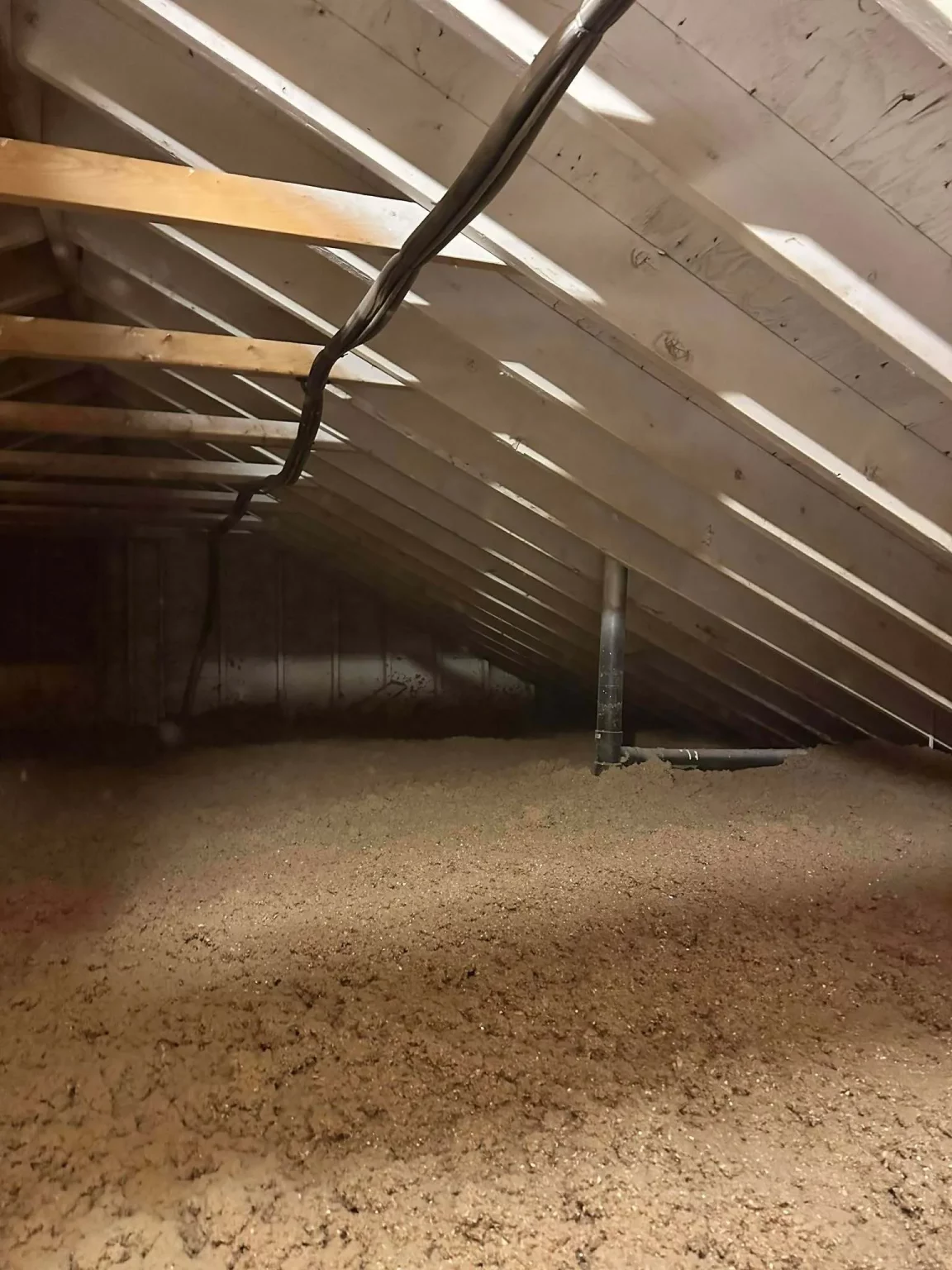
| Cellulose | 3.0-3.5 | Walls, retrofit situations | Very good low-frequency performance |
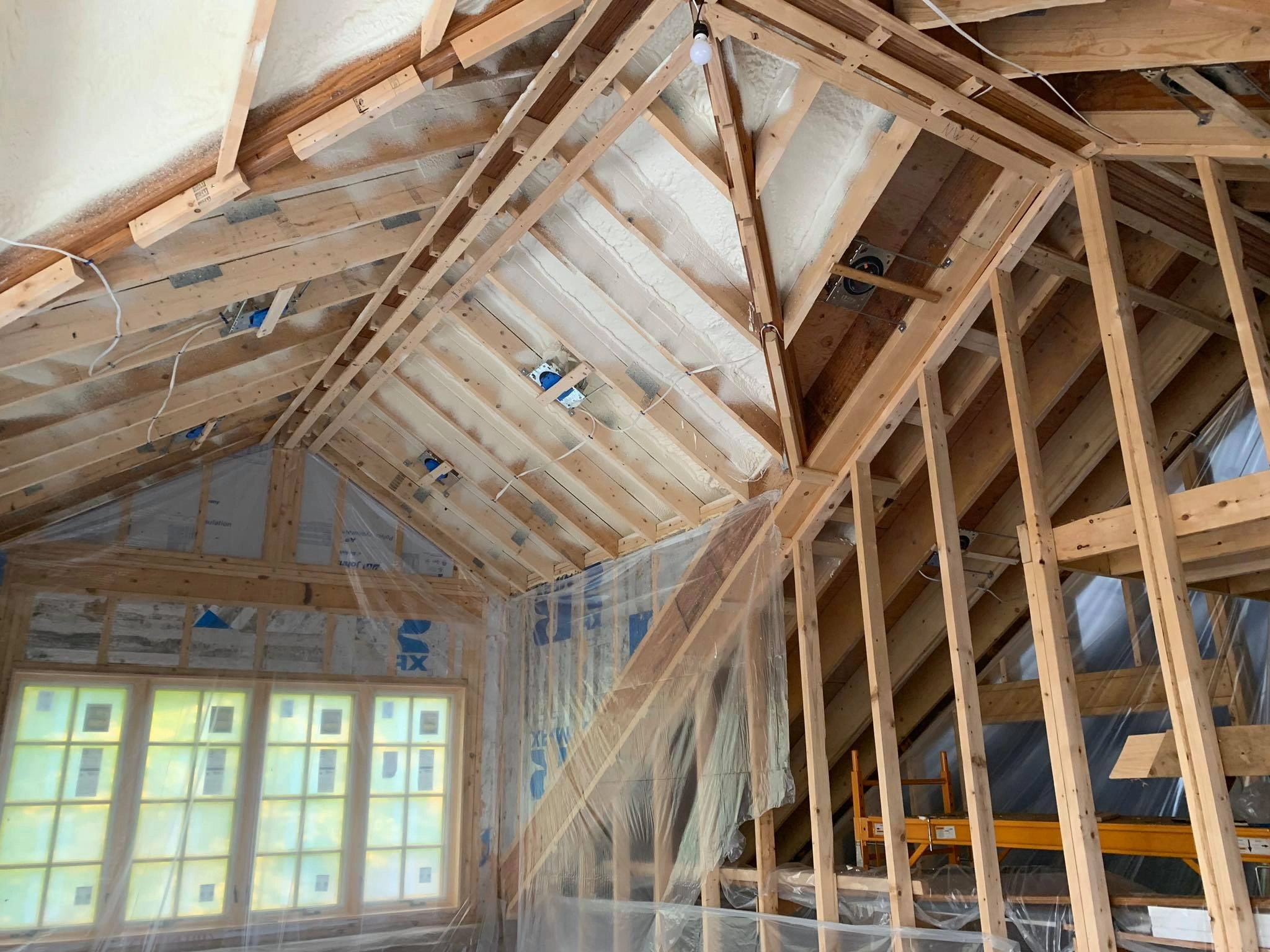
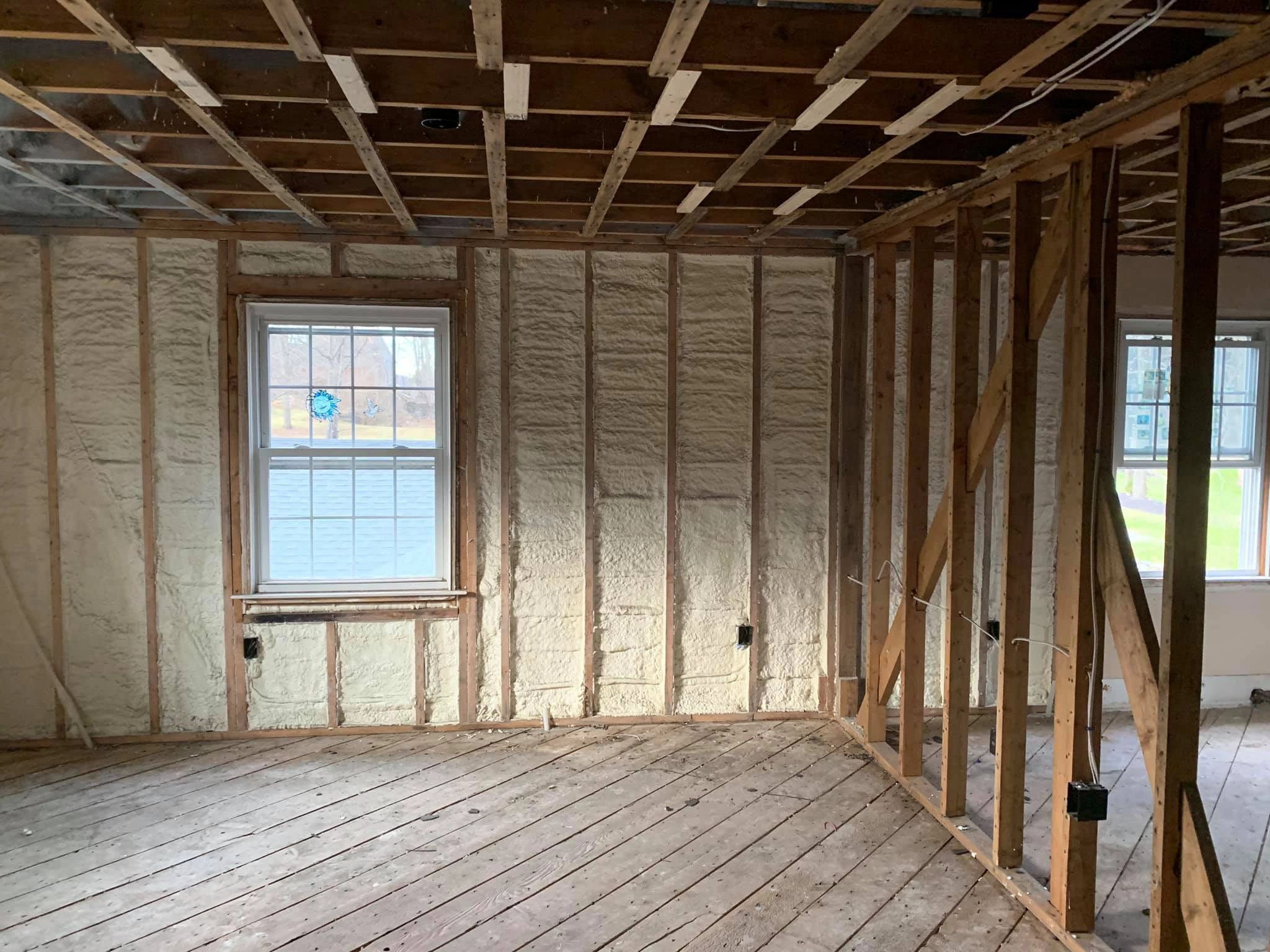
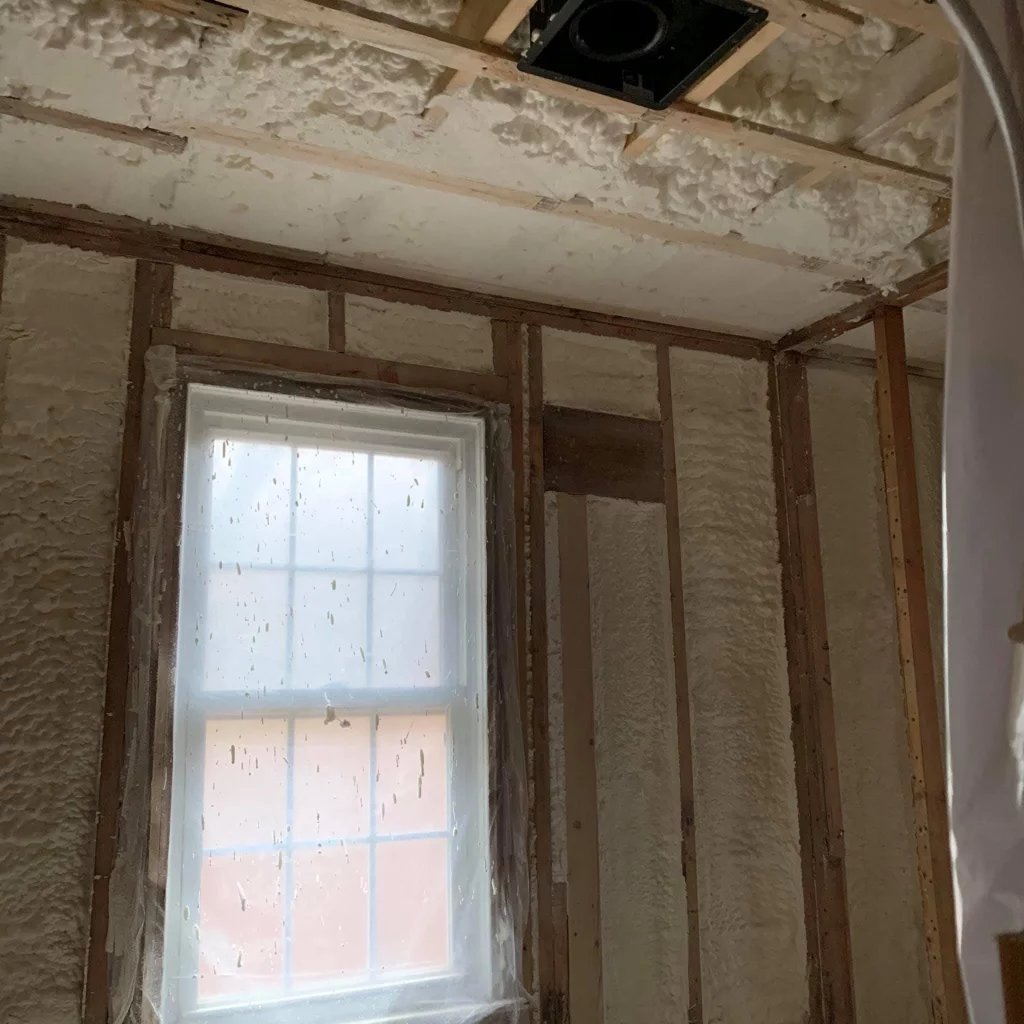
| Spray Foam | 1.5-2.0 | Air sealing + sound control | Good high-frequency absorption |
Rockwool and mineral wool products generally perform best for dedicated sound control because their fibrous structure captures sound waves effectively across the frequency spectrum.
The relationship between thickness and density follows a law of diminishing returns. According to building science research from Building Science Corporation, doubling thickness gives about 5dB improvement, while doubling density might only add 1-2dB. For most residential applications, the sweet spot comes from using standard cavity thickness (3.5 inches) with higher-density insulation rather than dramatically increasing thickness.
Climate considerations also affect optimal choices. In New England’s variable climate, insulation must handle both temperature extremes and humidity while maintaining acoustic properties. High-density cellulose performs well in these conditions because it resists moisture accumulation and maintains its sound-dampening properties over time NACHI Asbestos Guide.
When selecting insulation for noise reduction, evaluate your specific situation rather than defaulting to standard recommendations. Different noise types require different approaches. Low-frequency sounds (bass, machinery) require mass and density, whereas high-frequency sounds (voices, TV) respond well to both thickness and density.
Noise reduction comes down to understanding your specific acoustic challenges and applying the right combination of thickness and density. Most residential applications benefit from standard cavity depths filled with higher-density materials rather than excessive thickness. Proper installation techniques and attention to air sealing often provide more improvement than upgrading materials.
Before making insulation decisions, evaluate your noise sources, budget constraints, and construction limitations. The best solution balances acoustic performance with practical considerations of cost and space. Consider consulting with experienced professionals who understand the local building practices and climate challenges in New England.
For professional advice on selecting and installing the right insulation for your noise reduction needs, contact Lamothe Insulation. Their team can assess your specific situation and recommend solutions that balance acoustic performance with budget considerations. Reach out us via email at [email protected] or call (508) 847-0119 to schedule a consultation about your insulation requirements.
Typical residential wall assemblies with proper insulation achieve STC ratings between 45 and 55. This means normal conversation becomes barely audible on the other side. Perfect soundproofing is impossible and unnecessary in most homes.
Limited benefit. Impact noise requires different solutions like underlayment, resilient channels, or floating floors. Insulation helps airborne noise more than structure-borne sounds.
Yes, but acoustic performance might not be optimal. Materials designed specifically for sound control often have different density profiles than thermal insulation. In many cases, regular insulation provides adequate sound control for typical residential needs.
Properly installed insulation maintains its acoustic properties indefinitely unless exposed to moisture damage. Unlike some soundproofing materials, insulation doesn’t deteriorate or lose effectiveness over time in dry conditions.
It depends on your situation. For home offices, bedrooms near noisy areas, or multifamily housing, the investment typically pays off in improved comfort and property value. Standard applications may not need premium acoustic solutions.