Insulation Thickness and Density: How They Affect Noise Reduction
The effectiveness of insulation for noise reduction depends primarily on two physical properties: thickness and density. Thicker insulation blocks more…


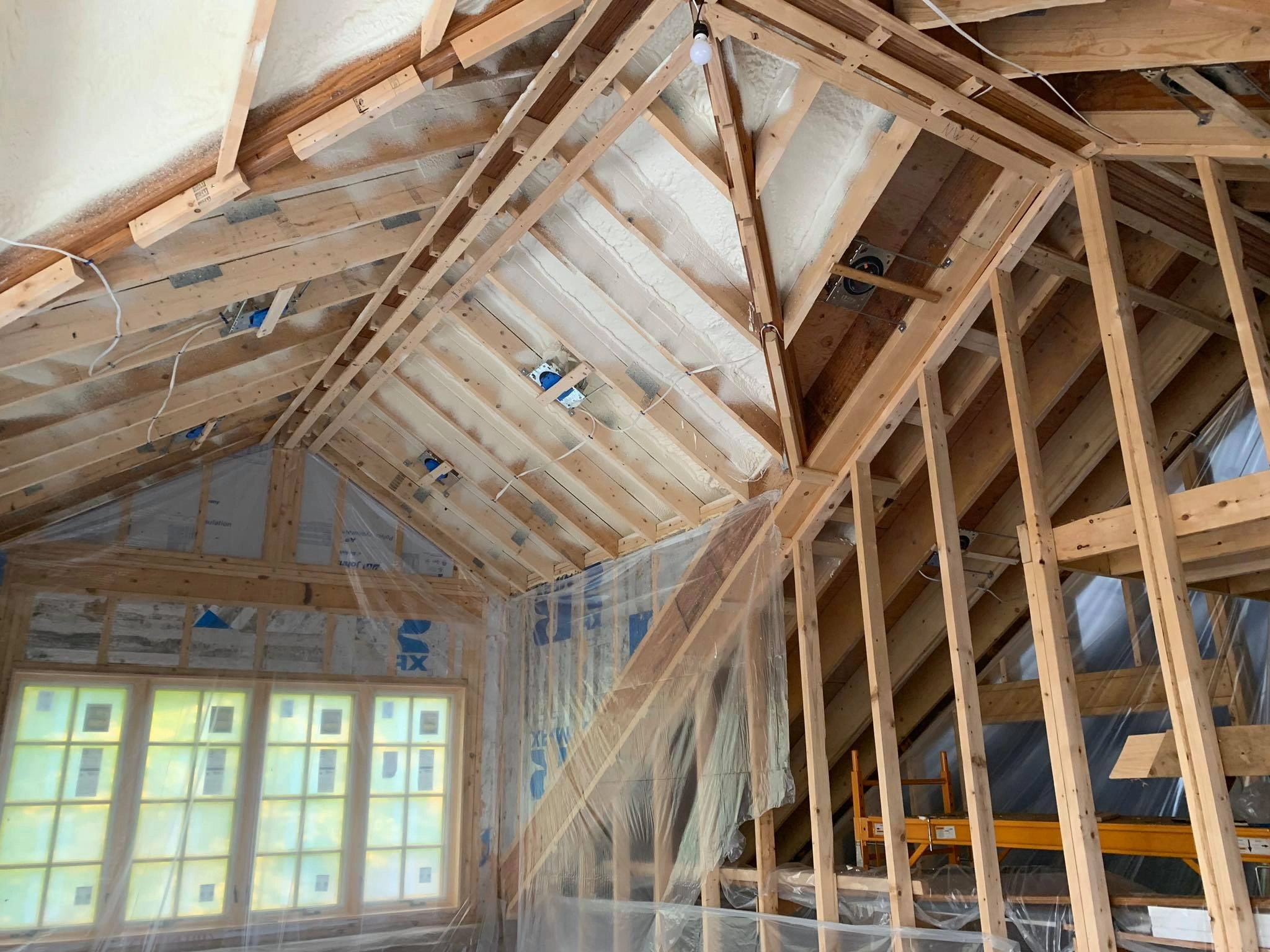
Most homeowners in Charlton fail to account for local climate factors when installing open-cell foam. The biggest mistakes involve insufficient thickness to control moisture and applying the material to dirty or damp surfaces. These errors lead to poor air sealing, structural rot, and wasted money. Lamothe Insulation regularly sees these specific issues during inspections and renovations. This article outlines the technical errors that compromise insulation performance in Massachusetts homes and explains how to avoid them.
Open-cell spray foam acts as an air barrier while allowing water vapor to pass slowly. In Charlton winters, the inside of a home stays warm while the outside temperature drops well below freezing. Water vapor naturally moves from the warm side to the cold side. If the foam layer is too thin, this water vapor hits the cold wood sheathing and condenses into liquid water. This creates a perfect environment for mold growth and wood rot.
Many homeowners assume that any amount of foam helps. The reality is that the foam must be thick enough to keep the sheathing warm enough to prevent condensation. According to research by Building Science Corporation, the foam thickness required to prevent condensation varies by climate zone. In the Massachusetts climate, this depth is critical. Installers must calculate the specific thickness needed to push the dew point inside the foam cavity, where it cannot cause damage.
Ignoring this rule leads to wet walls. Once the structural sheathing gets wet, the insulation loses its effectiveness, and the building’s integrity suffers. Proper installation always prioritizes thermal depth to manage the dew point.
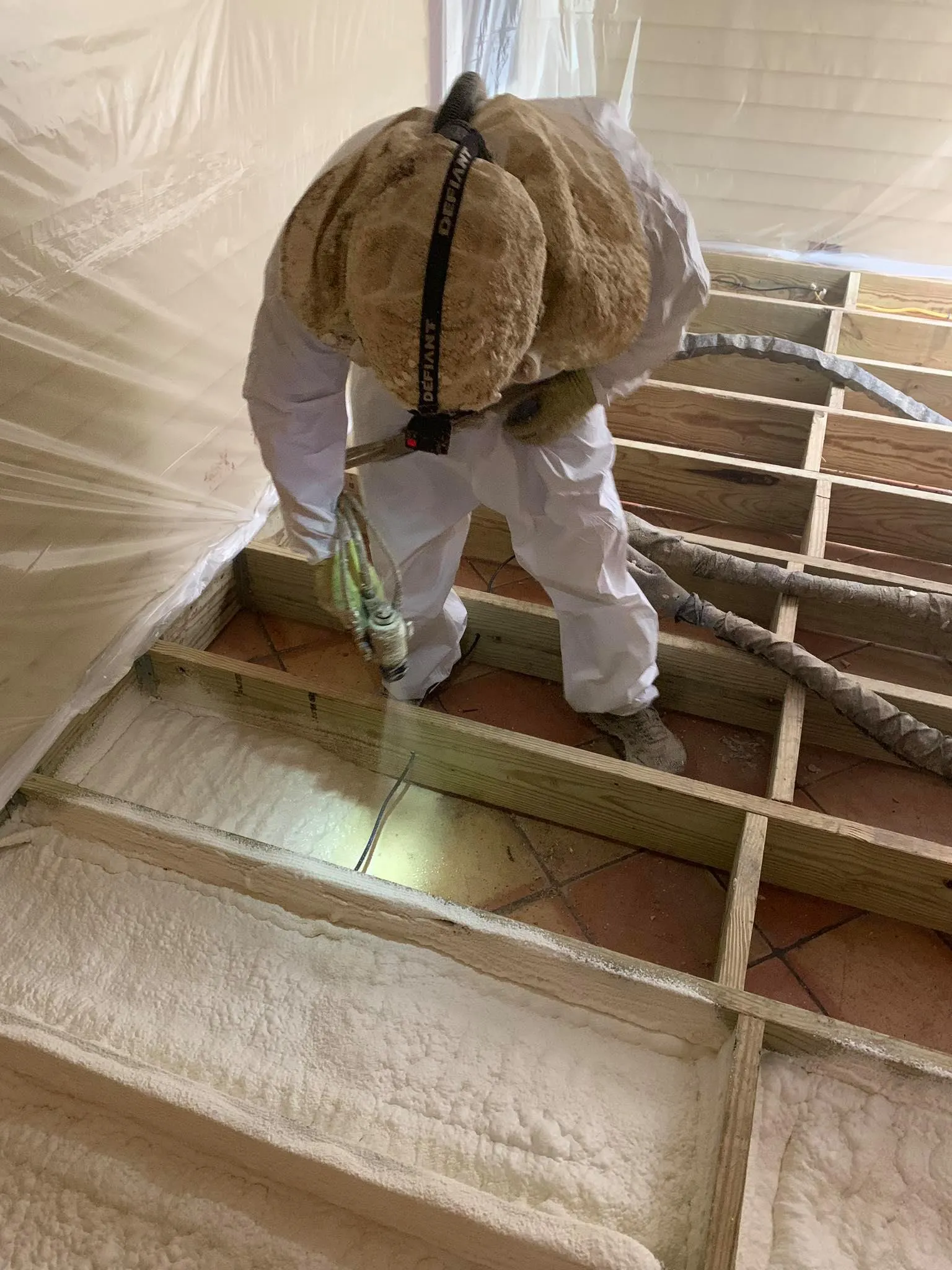
Framing lumber in attics and walls often gathers significant amounts of construction dust, sawdust, and debris. Some installers skip the cleaning step to save time. They spray foam directly over this layer of dirt. The problem is that the foam expands and sticks to the dust rather than the wood.
Over time, gravity pulls the foam down, or air leaks form around the studs because the bond has failed. This destroys the thermal envelope. A clean, dry surface is non-negotiable for long-term performance. The substrate should be vacuumed or blown clean before any spraying begins. The temperature of the substrate also matters. If the wood is too cold or too damp, the foam may not adhere or cure correctly.
The following table outlines the most common installation errors encountered in the field and their direct consequences.
| Mistake | Consequence | Solution |
|---|---|---|
| Dirty Substrate | Poor adhesion, foam delamination from studs | Clean all surfaces with a vacuum or compressed air before spraying |
| Insufficient Thickness | Condensation on sheathing, mold growth, and energy loss | Calculate depth based on local climate dew points |
| Incomplete Fill | Air leakage paths, reduced R-value | Monitor lift depth and fill cavities completely |
| Ignoring Wiring | Future rewiring becomes difficult or dangerous | Plan electrical runs or use foam that allows accessible pathways |
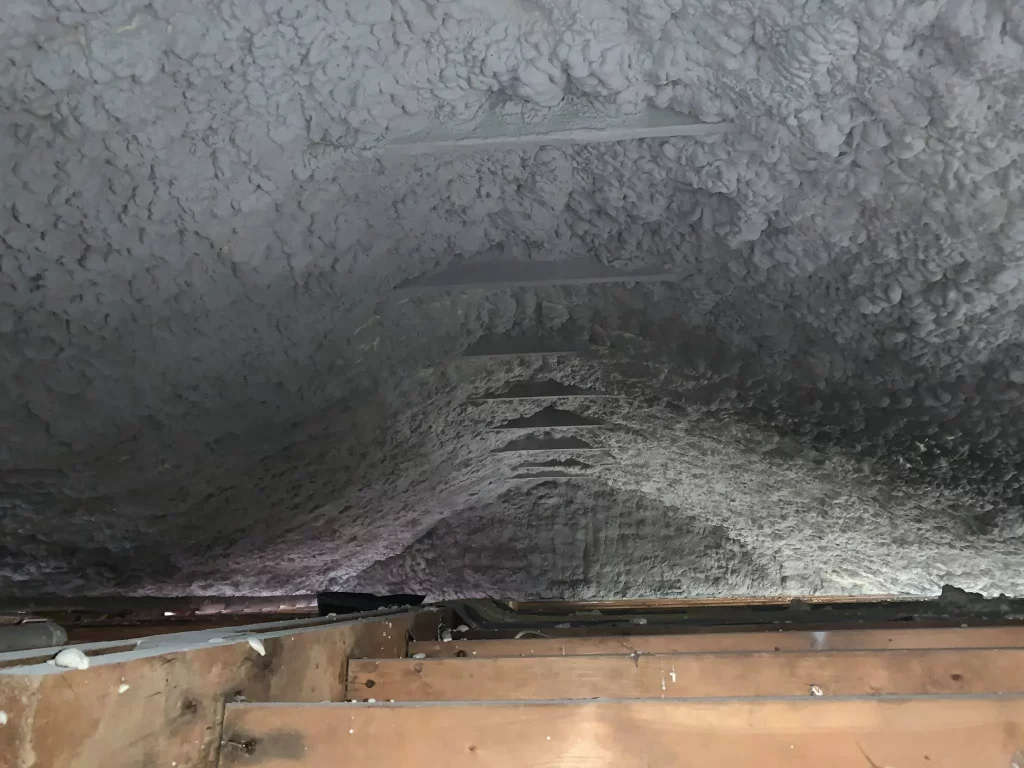
Homeowners often focus on upfront costs rather than long-term returns. However, data suggests that proper insulation services in Charlton, MA offers substantial financial benefits. The U.S. Department of Energy states that heating and cooling account for nearly 50% of energy use in a typical home. Proper insulation is the most direct way to reduce this expense.
Furthermore, the push for energy efficiency is changing market standards. High-performance insulation is no longer a luxury but a standard expectation for new construction in Massachusetts. Reports from the Insulation Institute indicate that homeowners who upgrade insulation can see a significant reduction in utility bills, often recouping the investment within a few years through savings alone. Improper installation voids these potential savings, leaving the homeowner with an expense that never pays for itself.
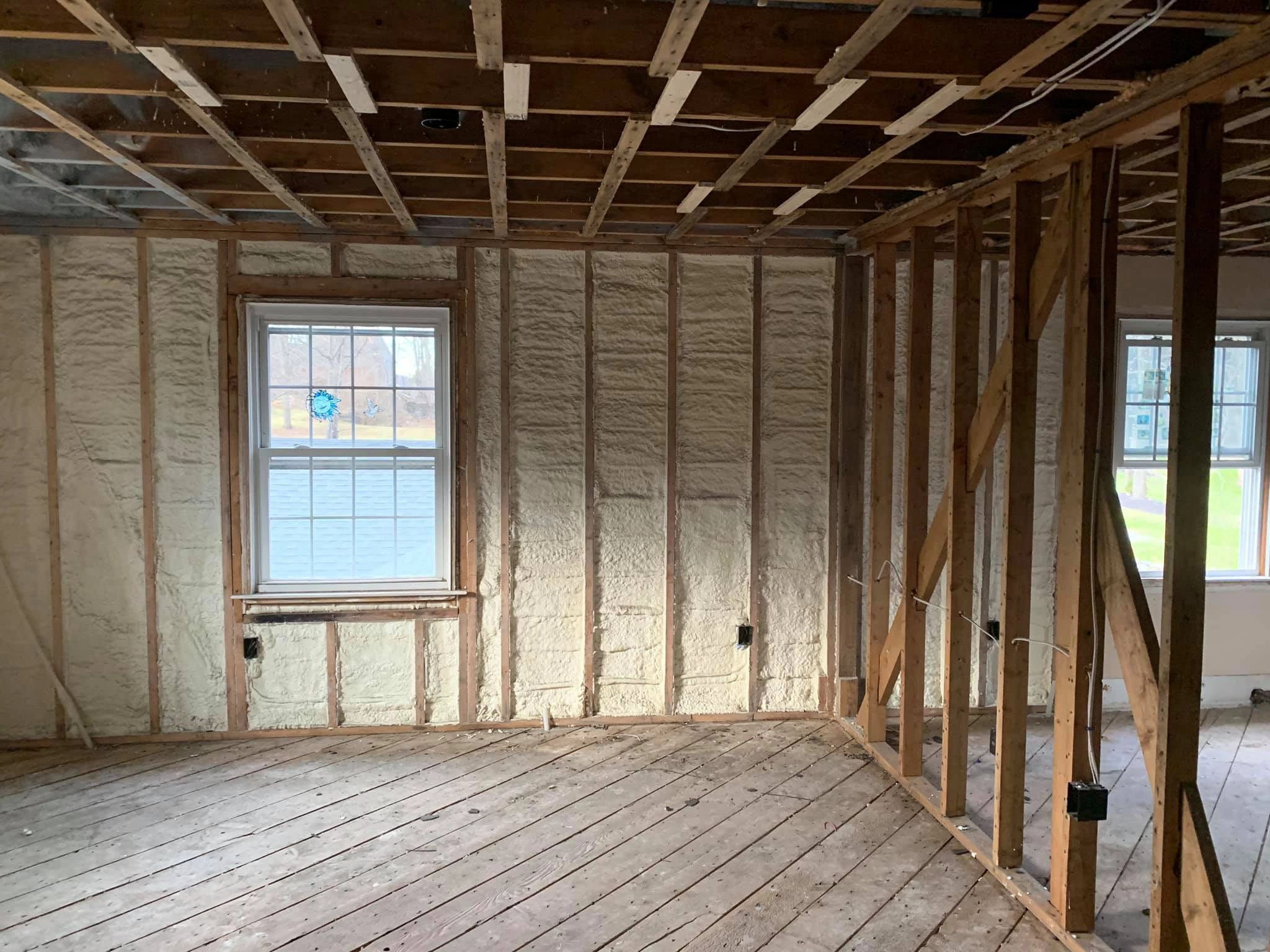
Choosing open-cell foam requires evaluating the existing structure. Homeowners should inspect their wiring. Open-cell foam is dense and sticks to everything. If a home needs electrical updates soon, it might be better to complete that work before insulating. Fishing wires through solid foam is difficult and requires cutting into the insulation, which reduces its performance.
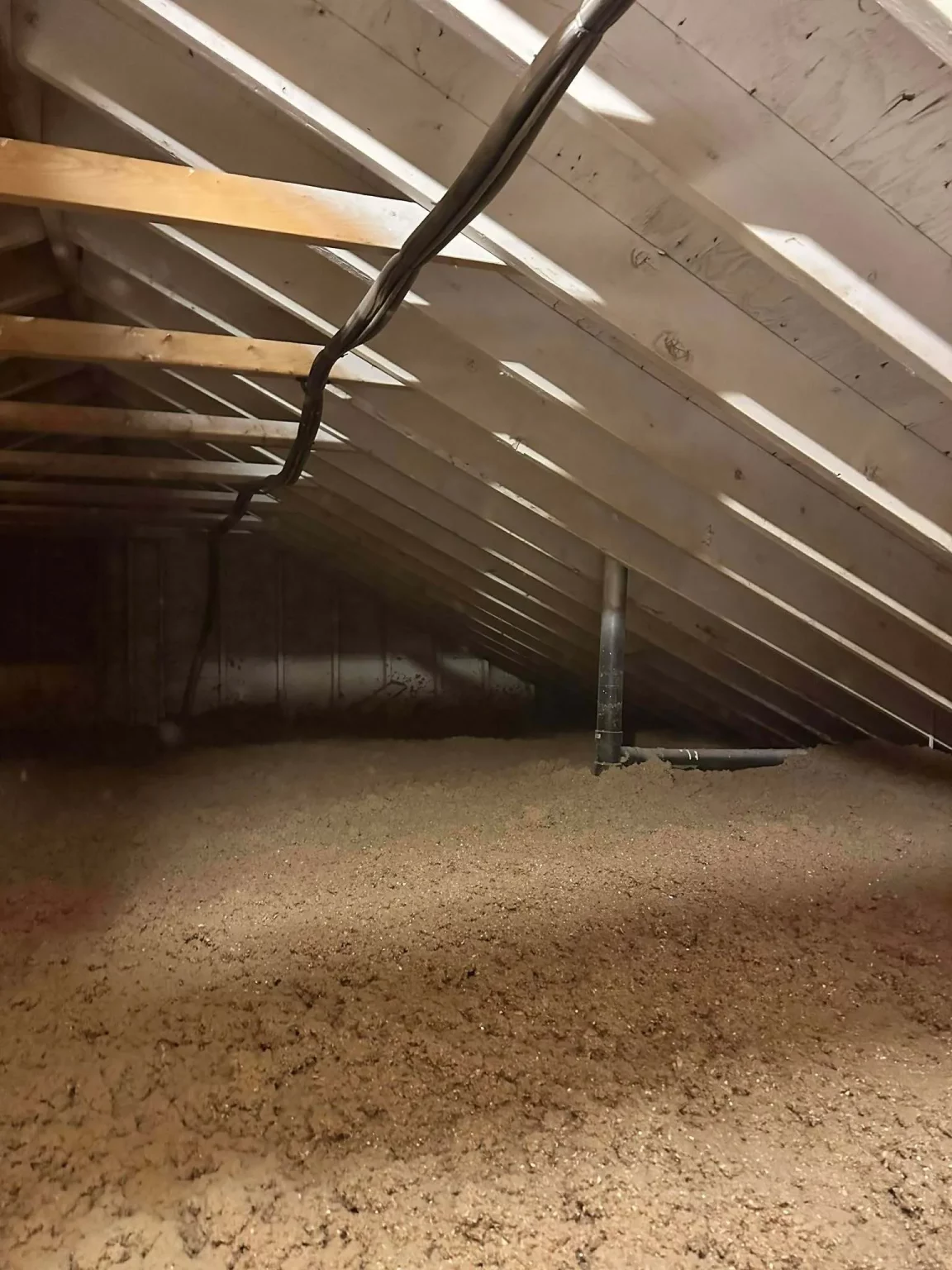
Another factor is the ventilation strategy. Traditional attics are vented to the outside. When insulating the roof deck with open-cell foam, the attic becomes an unvented conditioned space. The existing soffit and ridge vents must be sealed tightly. If they are left open, moist air will enter the attic space, contact the cold foam, and condense. This conversion from a vented to an unvented system changes how the building breathes and requires a deliberate plan.
Bonus Tip: Always check for old knob and tube wiring in older Charlton homes before spraying. Foam must not cover old, unprotected wiring due to fire risks. An electrician should inspect the building before insulation begins.
Watch the Weather Do not spray foam in extreme cold. If the substrate is frozen, the foam will not stick properly. The chemical reaction also slows at lower temperatures, which affects how the foam rises and cures. Professional installers monitor temperature closely.
Verify the Depth Ask the installer to show you the depth markers. Spray foam guns often have markers or settings to ensure a specific pass thickness. Visually checking the depth in a few spots ensures the crew isn’t rushing or underapplying the material.
Avoiding the temptation to cut corners on thickness or preparation saves money and frustration in the long run. The specific climate in Charlton demands a rigorous approach to moisture management and substrate cleaning. Proper installation ensures the home stays efficient and dry for decades. Lamothe Insulation emphasizes verifying all thickness measurements and surface preparations before the job begins to avoid common pitfalls.
For a professional assessment of insulation solutions in Charlton, contact Lamothe Insulation. Reach out via email at [email protected] or call (508) 847-0119 to schedule a consultation.
Most attics in Massachusetts require a minimum R-value of R-49. Since open-cell foam provides roughly R-3.5 per inch, the installation should be approximately 14 inches deep to meet modern code requirements and manage moisture effectively.
Yes, but it requires careful consideration. Concrete basements can be damp. Open-cell foam allows moisture to pass through. If water is present in the block, it can move through the foam into the living space. A vapor retarder might be necessary on the warm side of the foam.
A typical crew can insulate a standard home in one to two days. The actual spraying is fast, but the setup, masking, and cleanup take time. The area remains off-limits until the foam cures and the fumes clear.
Unlike some other insulation types, open-cell spray foam is inert and does not settle. It maintains its R-value over the life of the building as long as it remains dry and physically intact.