Insulation Thickness and Density: How They Affect Noise Reduction
The effectiveness of insulation for noise reduction depends primarily on two physical properties: thickness and density. Thicker insulation blocks more…

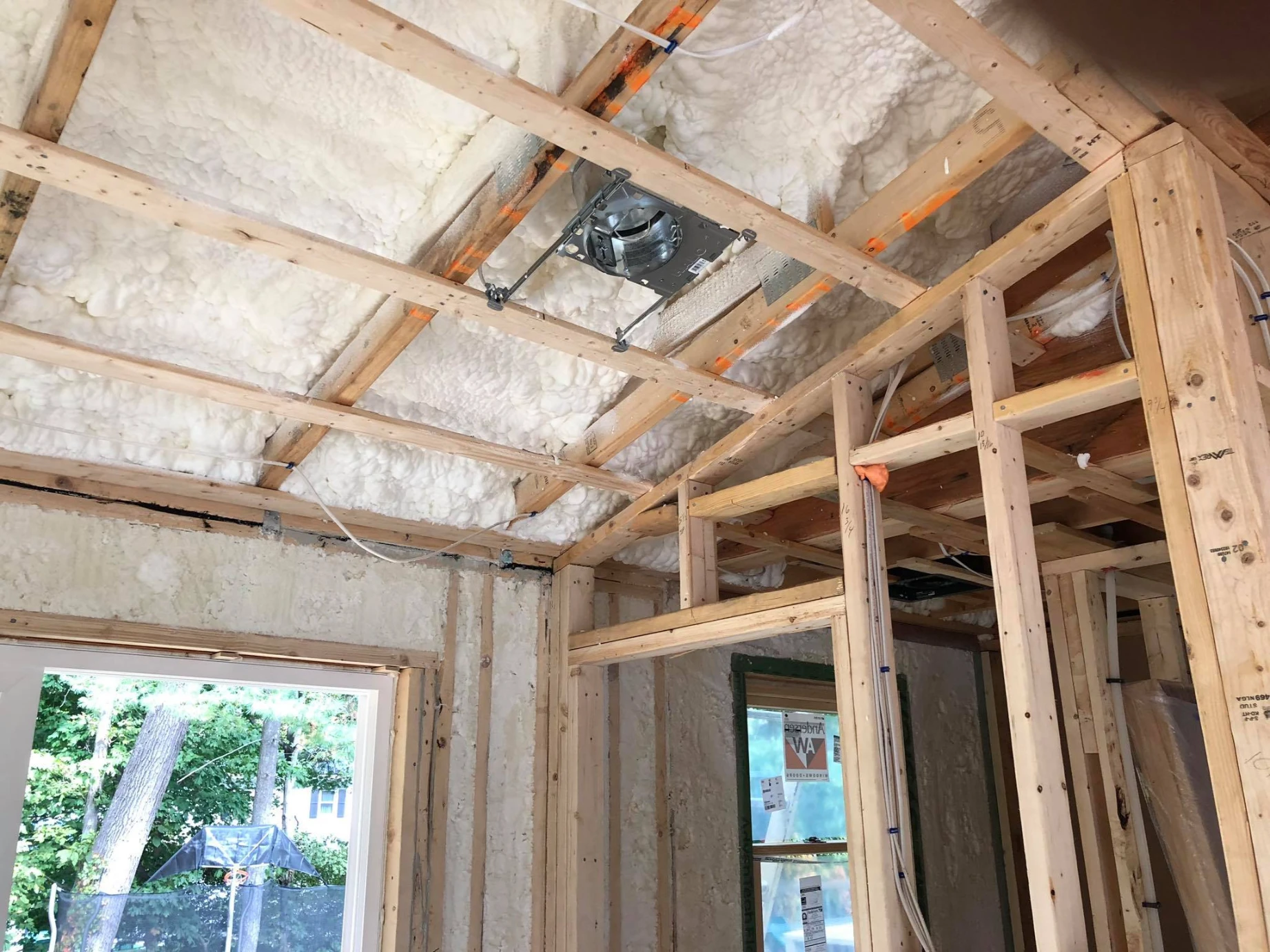
Property owners in Springfield see a notable increase in resale value after open-cell spray foam insulation installation, which addresses the two most significant concerns for New England buyers: high heating costs and indoor comfort. By sealing air leaks that traditional insulation misses, open-cell foam creates a more efficient thermal envelope, lowering energy bills and enhancing the home’s structural appeal. Data from a report by Zillow shows that homes with energy-efficient features can sell for a premium compared to those with standard features.
This guide explores the specific ways high-performance insulation changes the marketability of a local residence. It provides the technical and financial information necessary to understand why modern buyers prioritize these upgrades. Lamothe Spray Foam Insulation brings extensive field experience to this analysis, ensuring that the information reflects actual conditions found in Massachusetts homes.
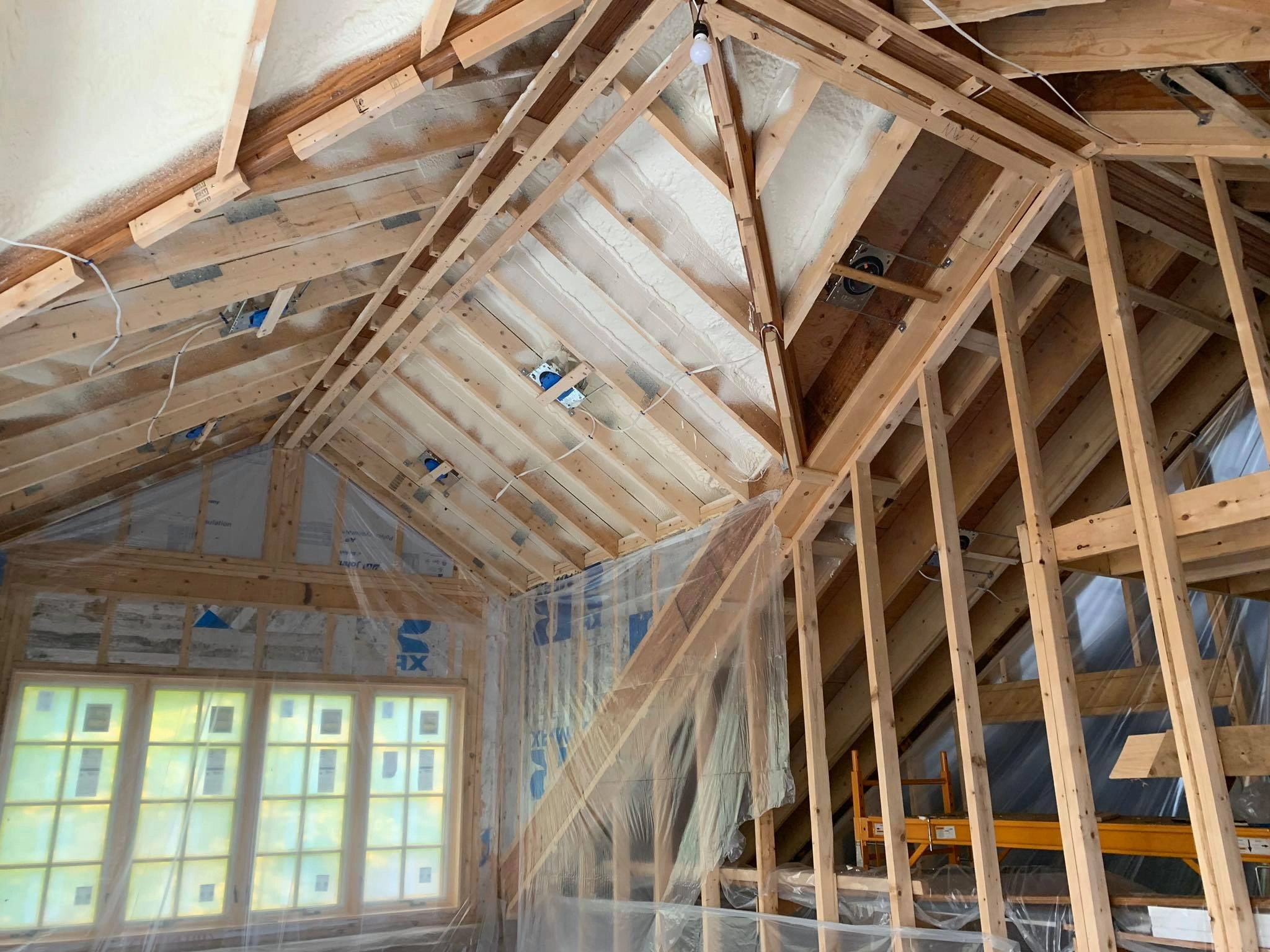
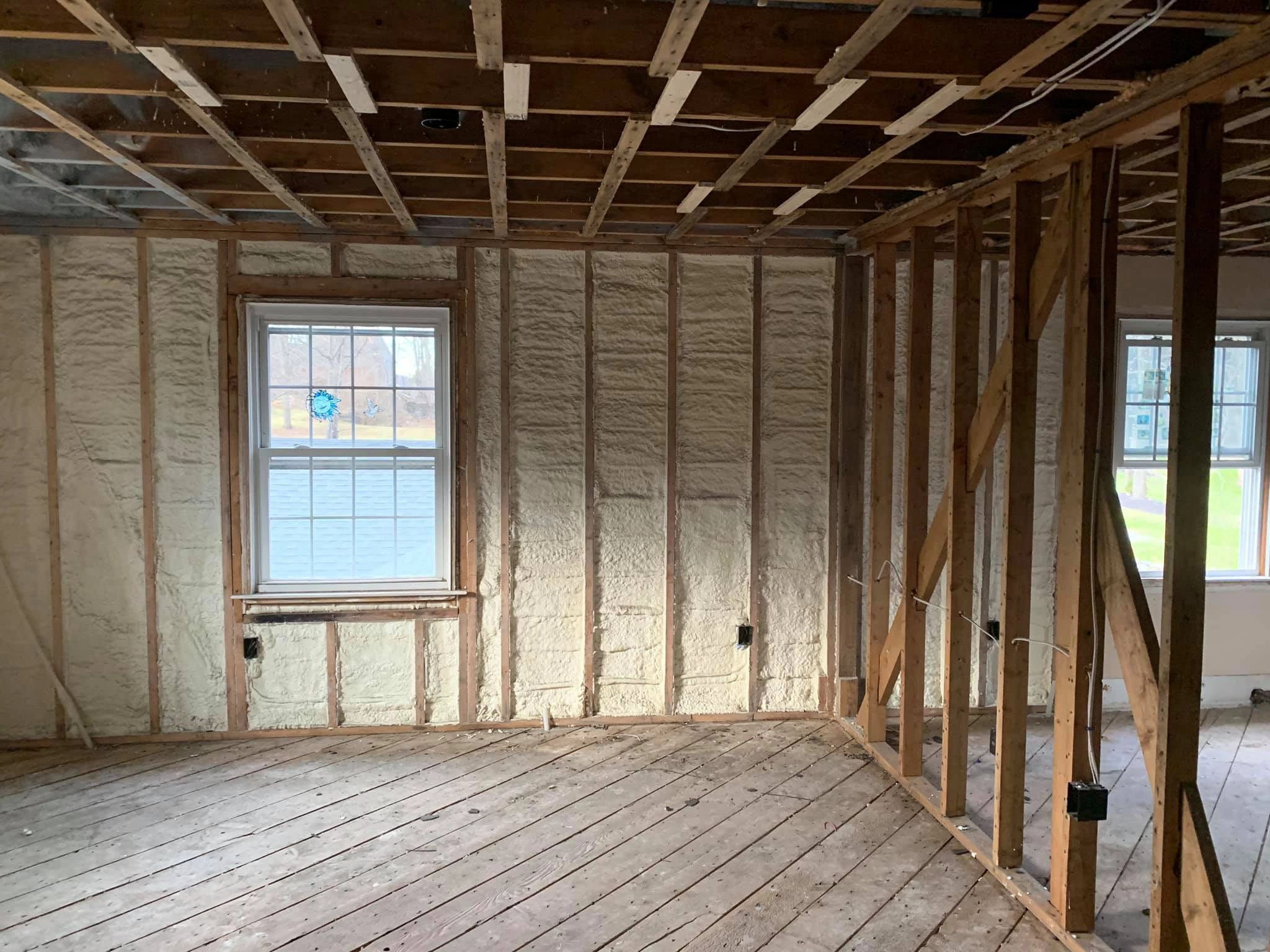
In a climate like Springfield’s, where winter temperatures frequently drop below freezing, heating efficiency is a top priority for house hunters. Open-cell spray foam provides a superior barrier against cold air infiltration. Unlike fiberglass batts, which allow air to pass through gaps and seams, spray foam expands to fill every crack in attics and walls. This creates a continuous seal that keeps warm air inside during the winter and prevents humid air from entering during the summer.
According to the U.S. Department of Energy, heating and cooling account for about 50% of a typical home’s energy use. When a seller can provide utility bills that are 15% to 20% lower than comparable neighborhood properties, the house becomes a much more attractive investment. Buyers view these savings as a permanent reduction in their cost of living, which justifies a higher purchase price.
Bonus Tip: Keep at least twelve months of utility bills handy when listing a home. Showing a clear downward trend in energy costs after an insulation upgrade provides concrete proof of value to skeptical buyers.
Open-cell foam in Springfield does more than just lower bills; it changes how a home feels. It is particularly effective at dampening outdoor noise. Springfield neighborhoods can be busy, and the sound-absorbing properties of open-cell foam create a quieter, more serene indoor environment. This acoustic benefit is a subtle but powerful selling point during an open house.
Furthermore, the airtight seal prevents outdoor allergens, dust, and pollutants from entering the living space. For the many families dealing with seasonal allergies, a home that naturally stays cleaner and has better air quality is a significant advantage. A study by the National Association of Realtors indicates that many buyers are willing to pay more for homes that promote a healthy living environment.
The local weather requires insulation that can handle both extreme cold and significant humidity. Open-cell foam is vapor-permeable, meaning it allows moisture to move through the material rather than trapping it against wooden framing members. This is a key feature for Springfield’s older housing stock, where moisture management is necessary to prevent wood rot and maintain structural integrity.
The following table compares open-cell foam to traditional insulation services in Springfield, MA commonly found in the local area.
| Feature | Open-Cell Spray Foam | Traditional Fiberglass Batts |
|---|---|---|
| Air Sealing | Fully integrated air barrier | None; requires extra sealing |
| Average R-Value | 3.5 to 3.8 per inch | 2.2 to 2.7 per inch |
| Noise Reduction | High sound absorption | Minimal sound dampening |
| Moisture Control | Vapor permeable (breathable) | Can trap moisture if wet |
| Lifespan | 50+ years | 15 to 25 years (settles over time) |
Bonus Tip: Focus on the attic first. Heat rises, and most energy loss in Springfield homes happens through an under-insulated roof or attic floor. Improving this area provides the fastest return on investment.
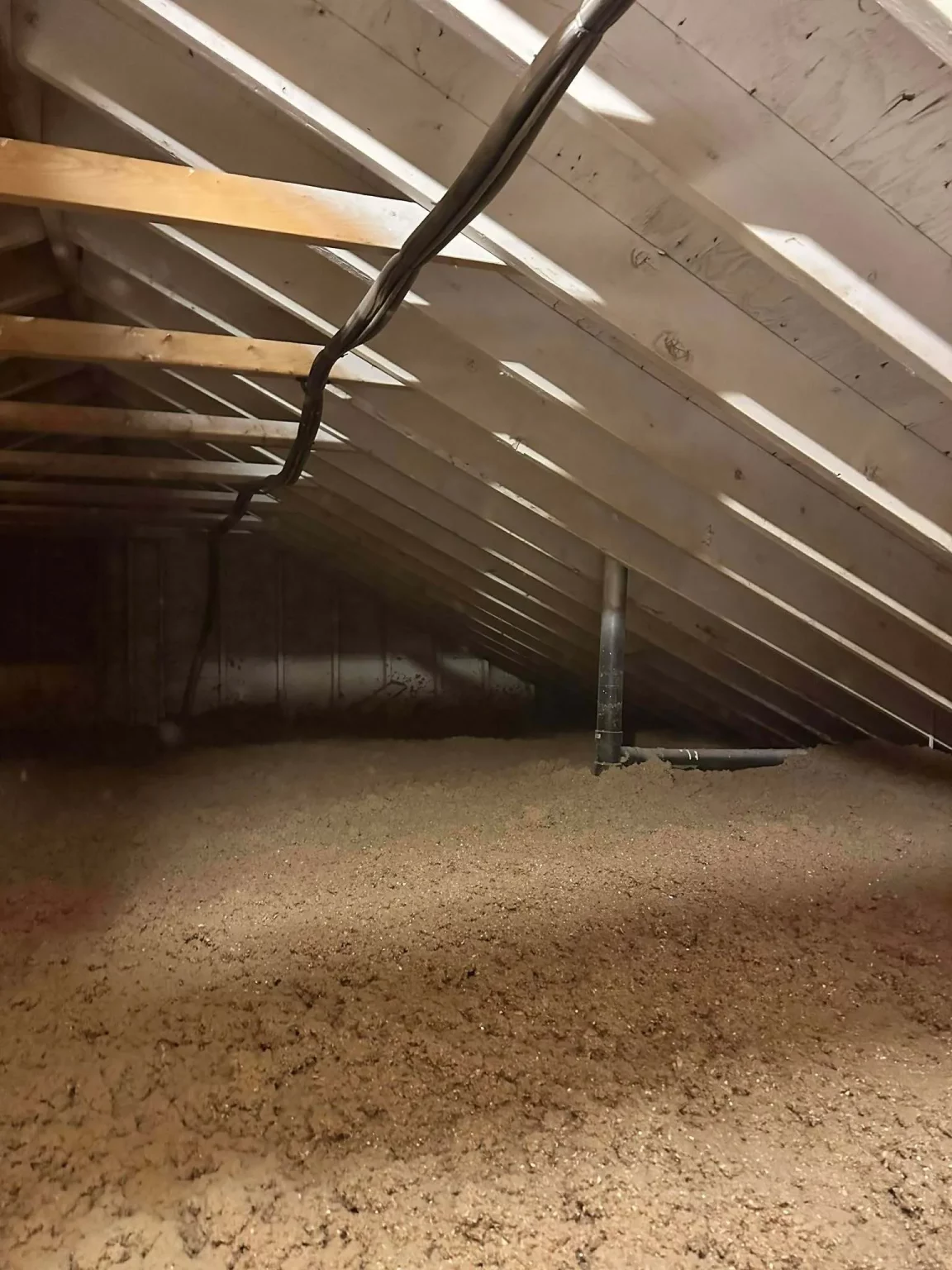
Open-cell spray foam does not sag or settle over time. Traditional materials like cellulose or fiberglass can compress, leaving gaps at the top of wall cavities that allow heat to escape. Because spray foam adheres directly to the substrate, it maintains its shape and performance for the life of the building. Lamothe Spray Foam Insulation often sees how this durability prevents the need for future renovations, which is a significant “invisible” value for a new homeowner.
When a home inspector evaluates a property, they look for signs of past ice dams or moisture damage. Insulation that prevents heat from reaching the roof deck helps stop ice dams from forming in the first place. This protects the shingles and gutters, reducing the likelihood of expensive roof repairs. A well-insulated home suggests to a buyer that the previous owner took care of the property’s core systems.
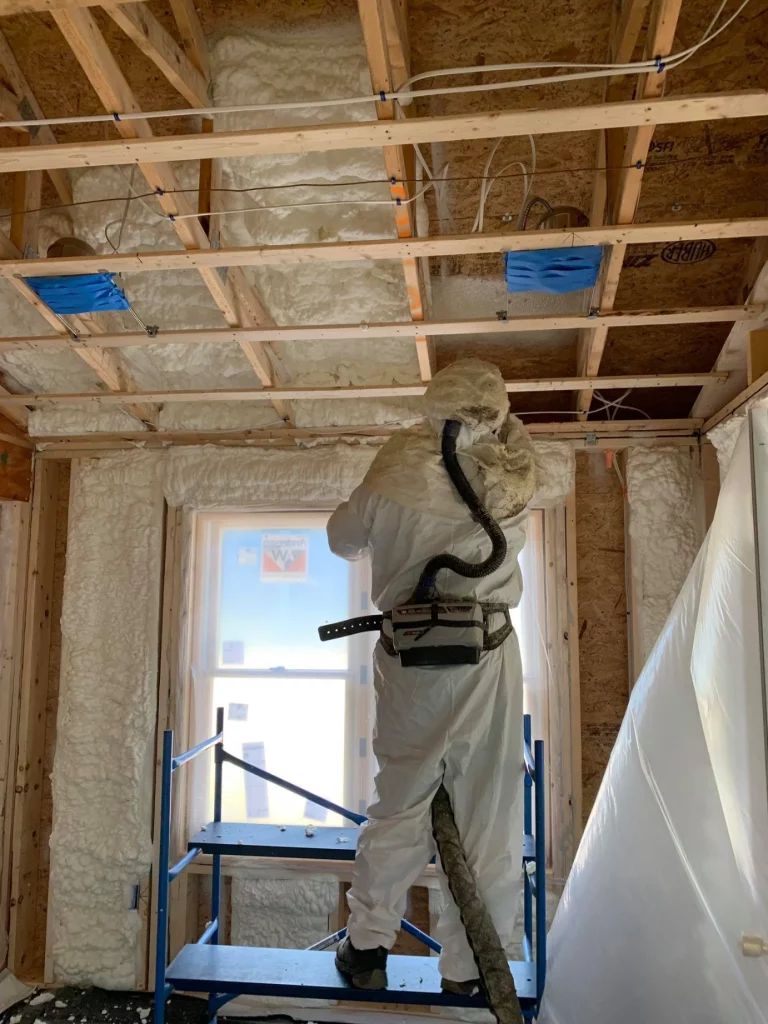
Before choosing to install open-cell foam to boost resale value, property owners should evaluate several factors.
The impact of open-cell foam on a property’s resale value is rooted in the shift toward sustainable and low-maintenance living. Buyers are no longer just looking at the number of bedrooms or the style of the kitchen; they are looking at the total cost of ownership. An expensive-to-heat home is a liability. By installing high-quality insulation, a seller removes that liability and replaces it with a documented asset.
Evaluate the home’s current condition and consider how a thermal upgrade fits into a long-term maintenance plan. Investing in the building envelope is often more effective for resale than cosmetic upgrades because it solves functional problems that would otherwise appear on a home inspection report.
For detailed information regarding specific property needs, contact Lamothe Spray Foam Insulation. Professional guidance ensures the insulation plan aligns with local building codes and the unique architectural styles of Springfield. To discuss a project or request more information, call (508) 847-0119 or reach out via email at [email protected]. Lamothe Spray Foam Insulation provides the expertise necessary to make informed decisions about home performance and value.
Open-cell foam helps prevent mold by reducing the air infiltration that carries moisture into the home. Because it is vapor-permeable, it allows the structure to dry out if a leak occurs, rather than trapping water against the wood.
A home can never be too tight, but it can be under-ventilated. When open-cell foam is installed, it may be necessary to consider mechanical ventilation options, such as an ERV (Energy Recovery Ventilator), to ensure a constant supply of fresh air while maintaining efficiency.
In most residential applications in Springfield, open-cell foam is preferred for attics and walls because it is more cost-effective and provides excellent sound-dampening. It also allows owners to spot roof leaks more easily than closed-cell foam would.
While every appraiser is different, many now use the “Green Addendum” to account for high-performance features. Showing the R-value and the expected energy savings can help the appraiser justify a higher valuation for the property.