Can Open-Cell Spray Foam Really Help Reduce Outside Traffic Noise in Douglas, MA?
admin_lamotheinsulation
November 14th, 2025
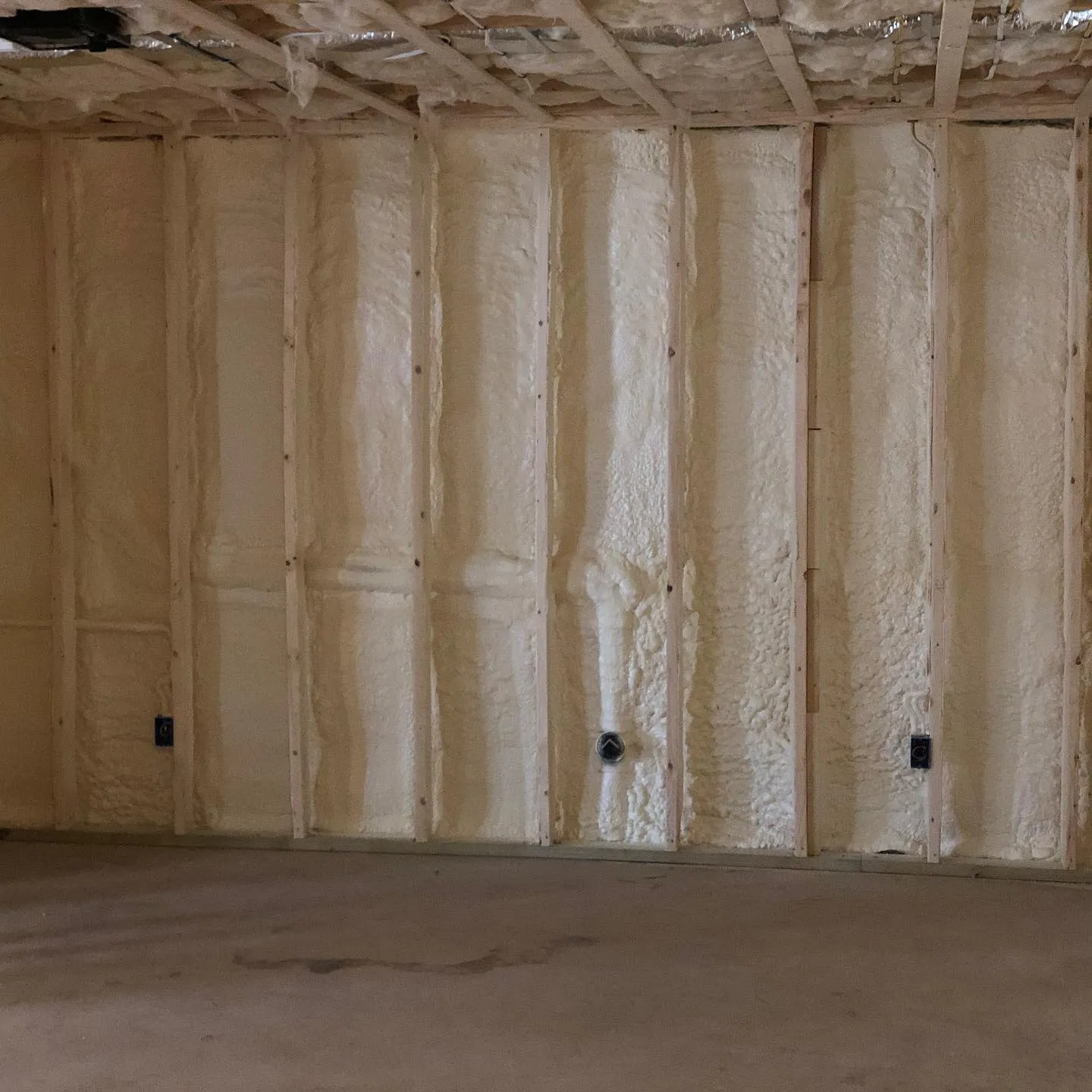
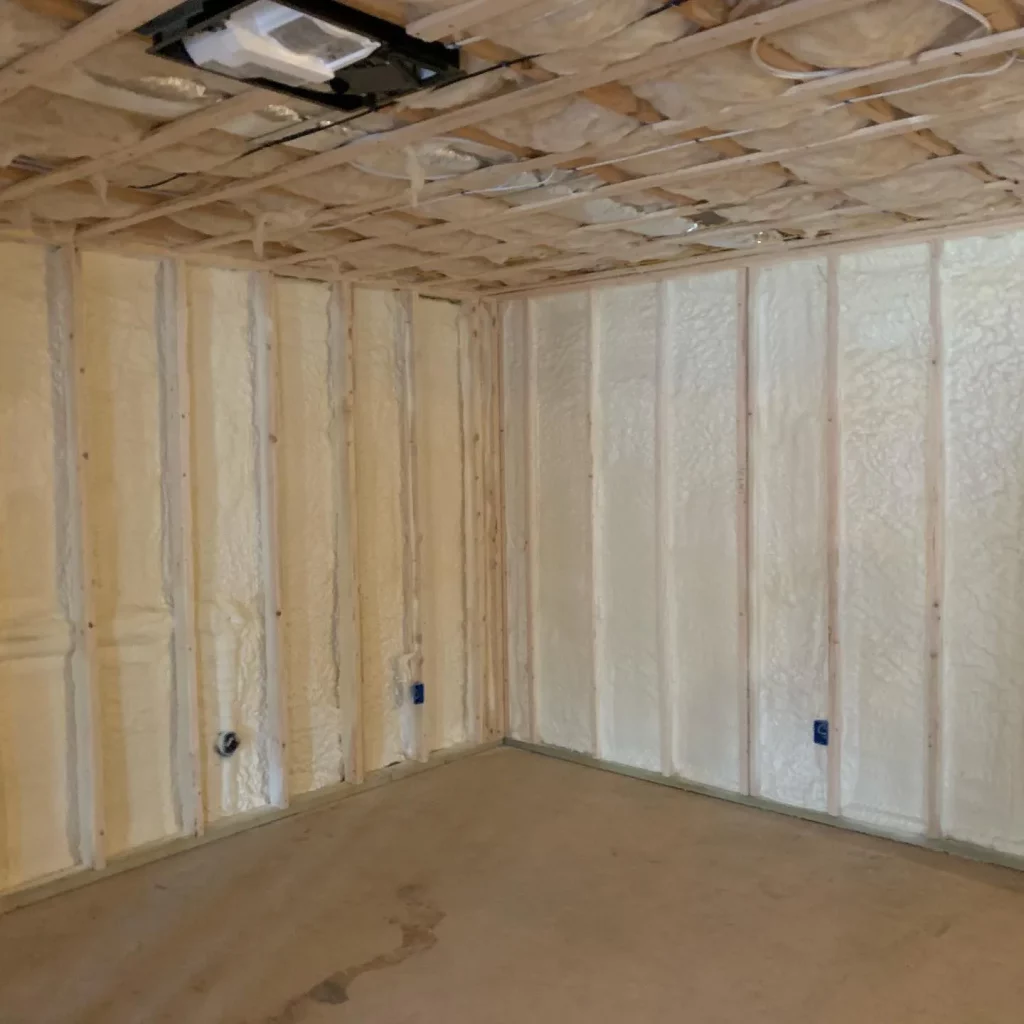
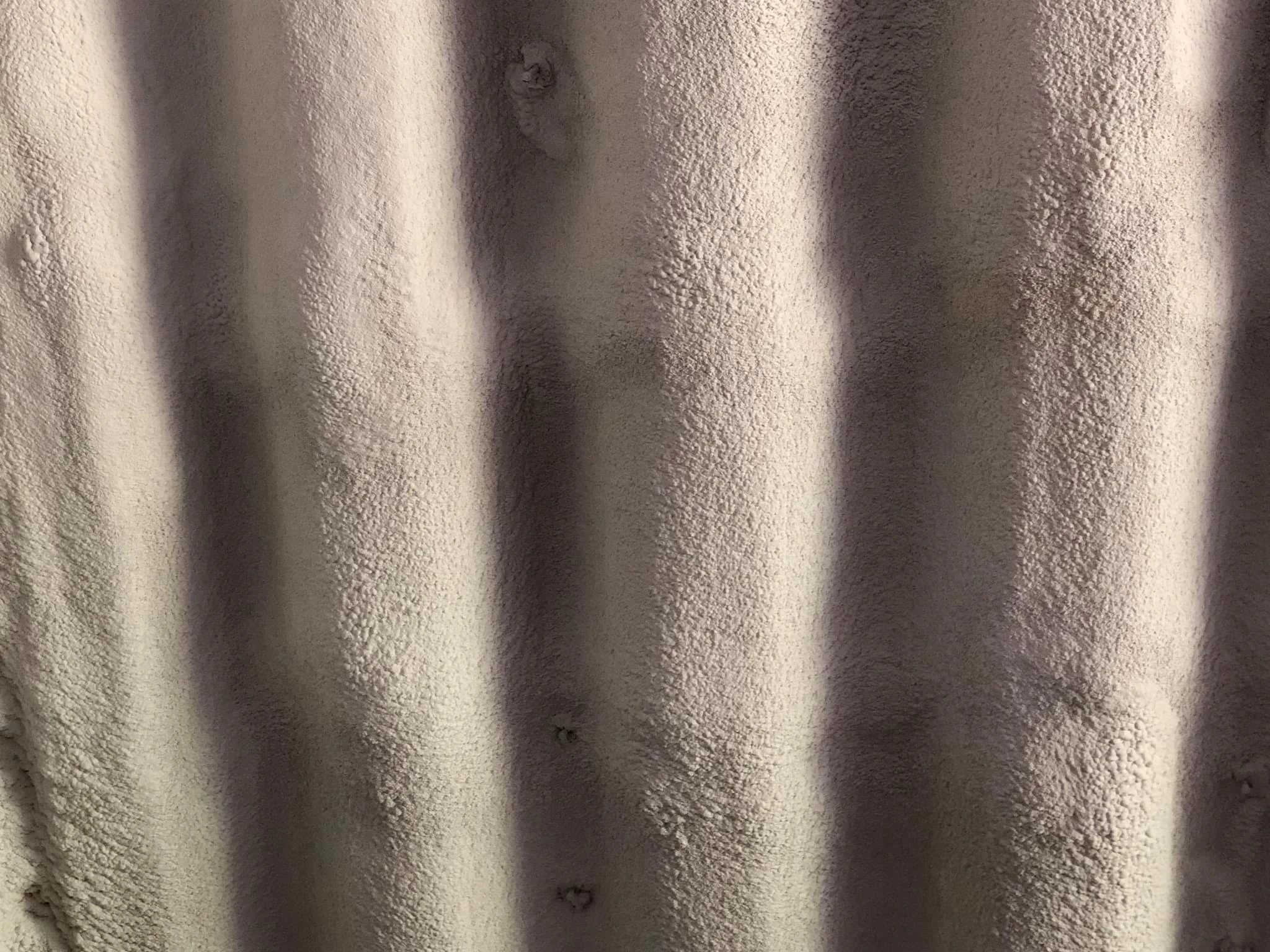
Yes, open-cell spray foam can make a noticeable difference in reducing outside traffic noise in homes. Its effectiveness comes from its material structure. The foam is composed of millions of tiny, interconnected bubbles that are not fully sealed. This soft, porous texture is excellent at absorbing sound waves, particularly in the mid-to-high frequency range, which includes common traffic sounds like car engines and tires on pavement. When sound energy enters the foam, it gets trapped within these cells and is converted into a small amount of heat, effectively deadening the noise before it can pass through your walls.
While it is very good at dampening sound, it’s important to understand that it’s a sound absorption material, not a complete soundproofing solution. To understand its effectiveness, it’s important to explore how it works, how it compares to other options, and what elements are needed for a comprehensive noise reduction strategy. The information here is based on extensive field experience helping homeowners in Douglas and the surrounding areas solve noise issues.
How Open-Cell Spray Foam Manages Sound
The primary way open-cell spray foam reduces noise is through absorption. Its performance in this area is measured by a Noise Reduction Coefficient (NRC). The NRC is a rating from 0 to 1, where 0 means no sound is absorbed and 1 means all sound is absorbed.
Technical data from manufacturers like Huntsman Building Solutions shows that open-cell spray foam typically has a high NRC rating, often around 0.70 or higher, depending on the thickness. This means it can absorb about 70% of the sound waves that come into contact with it. The foam’s soft, irregular surface breaks up and traps sound waves, preventing them from bouncing back into the room or passing straight through the wall assembly. This is different from materials that block sound, which rely on sheer mass and density to stop noise from transmitting.
Open-Cell vs. Closed-Cell Foam for Noise Control
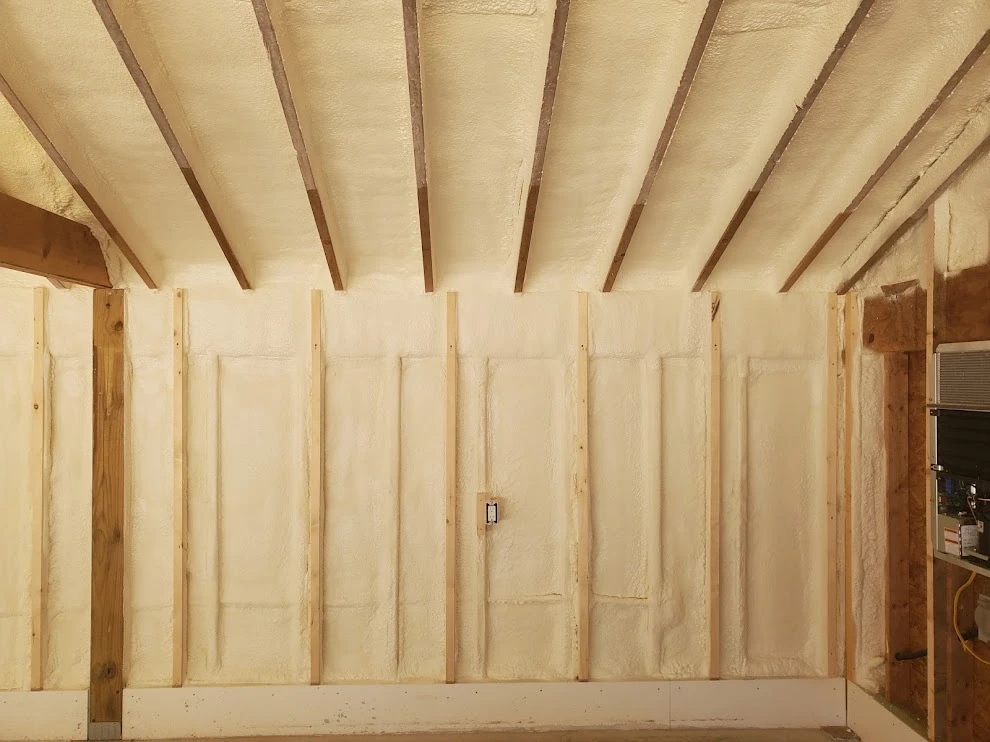
When considering spray foam in Douglas, MA, it’s helpful to know the difference between open-cell and closed-cell types for acoustic purposes. While both provide excellent thermal insulation, they handle sound very differently. Closed-cell foam is rigid and dense, making it a great air and vapor barrier, but its stiff structure is less effective at absorbing sound waves.
Here’s a direct comparison of their acoustic properties:
Feature
Open-Cell Spray Foam
Closed-Cell Spray Foam
Primary Sound Function
Sound Absorption
Sound Blocking (Limited)
Structure
Soft, flexible, and porous
Rigid, dense, and compact
Best For Quieting
Mid-to-high frequencies (voices, traffic)
Low frequencies (bass, vibrations)
Typical NRC Rating
Higher (around 0.70)
Lower (around 0.30)
Application
Filling wall cavities completely for absorption
Structural applications, moisture barrier
For most spray foam insulation in Douglas where the goal is to quiet traffic noise, open-cell foam’s superior absorption capabilities make it the more practical choice.
A Complete Sound Reduction Strategy
Insulation is a major factor in sound control, but it’s only one part of the equation. Sound is like water; it will find the path of least resistance. Even perfectly insulated walls won’t help much if noise is pouring in through old windows or gaps around doors.
Address Windows and Doors
The weakest points for sound intrusion are often windows and doors. Single-pane windows, for example, do very little to stop sound. An analysis from the soundproofing company Soundproof Windows, Inc. shows that upgrading from single-pane to double-pane windows can significantly cut down on perceived noise. For even better performance, look for laminated glass or windows with different glass thicknesses, which disrupt more sound frequencies.
Bonus Tip: Before considering a full window replacement, check the seals. Applying acoustic caulk around the window frames and adding high-quality weatherstripping can be a low-cost, high-impact first step to sealing sound leaks.
Consider Wall and Ceiling Assemblies
In standard construction, sound can travel through the wood studs in your walls. For situations requiring a higher degree of sound isolation, specialized construction techniques can be used, such as using resilient channels. This involves creating a disconnect in the wall structure so vibrations can’t easily pass through. While this is more common for home theaters or recording studios, it’s a useful concept to understand when tackling serious noise problems.
Things to Consider Before Making a Decision
Before you invest in any noise reduction solution, take a moment to assess your specific situation.
Identify the Type of Noise: Are you dealing with the constant drone of distant highway traffic or the sharp, sudden sounds of cars passing right by your house? Open-cell foam is great for dampening the general drone.
Evaluate Your Home’s Structure: Older homes may have unconventional wall cavities or existing materials that need to be addressed before new insulation can be installed. Identifying the primary pathways for sound is key.
Define Your Goal and Budget: Are you looking for a little more peace and quiet, or do you need a room to be as silent as possible? A basic level of sound reduction can be achieved affordably with insulation. Achieving near-total silence requires a more layered and costly approach.
Bonus Tip: Conduct a simple sound audit. During a busy time of day, close all windows and doors and walk through your house. Pay attention to where the sound is loudest. This can help you prioritize which walls or rooms need the most attention.
FAQS
Will open-cell foam completely block the sound of a nearby highway?
No, it will not completely block the sound, but it will reduce it significantly. Open-cell foam absorbs sound, making it much quieter and less intrusive. Complete blocking, or soundproofing, requires mass, density, and decoupling, often involving materials like mass-loaded vinyl and resilient channels in addition to insulation.
Is open-cell foam a good choice for home theaters?
Absolutely. Its excellent sound absorption properties not only help block outside noise but also improve the acoustic quality inside the room. It reduces echo and reverberation, leading to clearer and more defined sound from your speaker system.
Are there any downsides to using open-cell foam for sound control?
The main consideration is that open-cell foam is not a vapor barrier. In climates or specific building assemblies where a vapor barrier is required by code, one would need to be installed separately. For most standard wall applications focused on sound control, this is not a significant issue.
How does spray foam compare to fiberglass for noise reduction?
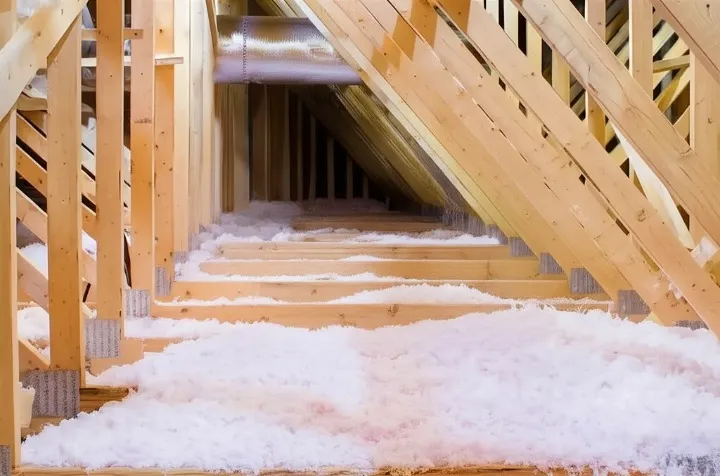
Spray foam generally offers better performance because it expands to fill every crack and crevice, creating a complete air seal. According to the U.S. Department of Energy, air movement is one of the ways sound travels. By stopping airflow, spray foam effectively cuts off a key pathway for noise, an advantage it has over batt insulation like fiberglass, which can leave small gaps.
Is Open-Cell Foam the Right Choice for Your Home?
Open-cell spray foam is a very effective material for reducing unwanted traffic noise and improving the comfort of your home. Its strength lies in its ability to absorb sound waves, turning loud, sharp noises into a much quieter, less bothersome background hum.
For the best results, remember that insulation should be part of a broader strategy that includes addressing windows, doors, and other potential sound leaks. Before moving forward, take time to evaluate the specific noise issues affecting your home and what you hope to achieve.
Mineral wool offers superior soundproofing performance compared to blown-in insulation, delivering STC ratings of 45-52 versus cellulose’s typical STC rating…
Closed-cell spray foam insulation outlasts all traditional insulation types, maintaining peak performance for 80 to 100+ years without degradation. Traditional…