Insulation Thickness and Density: How They Affect Noise Reduction
The effectiveness of insulation for noise reduction depends primarily on two physical properties: thickness and density. Thicker insulation blocks more…


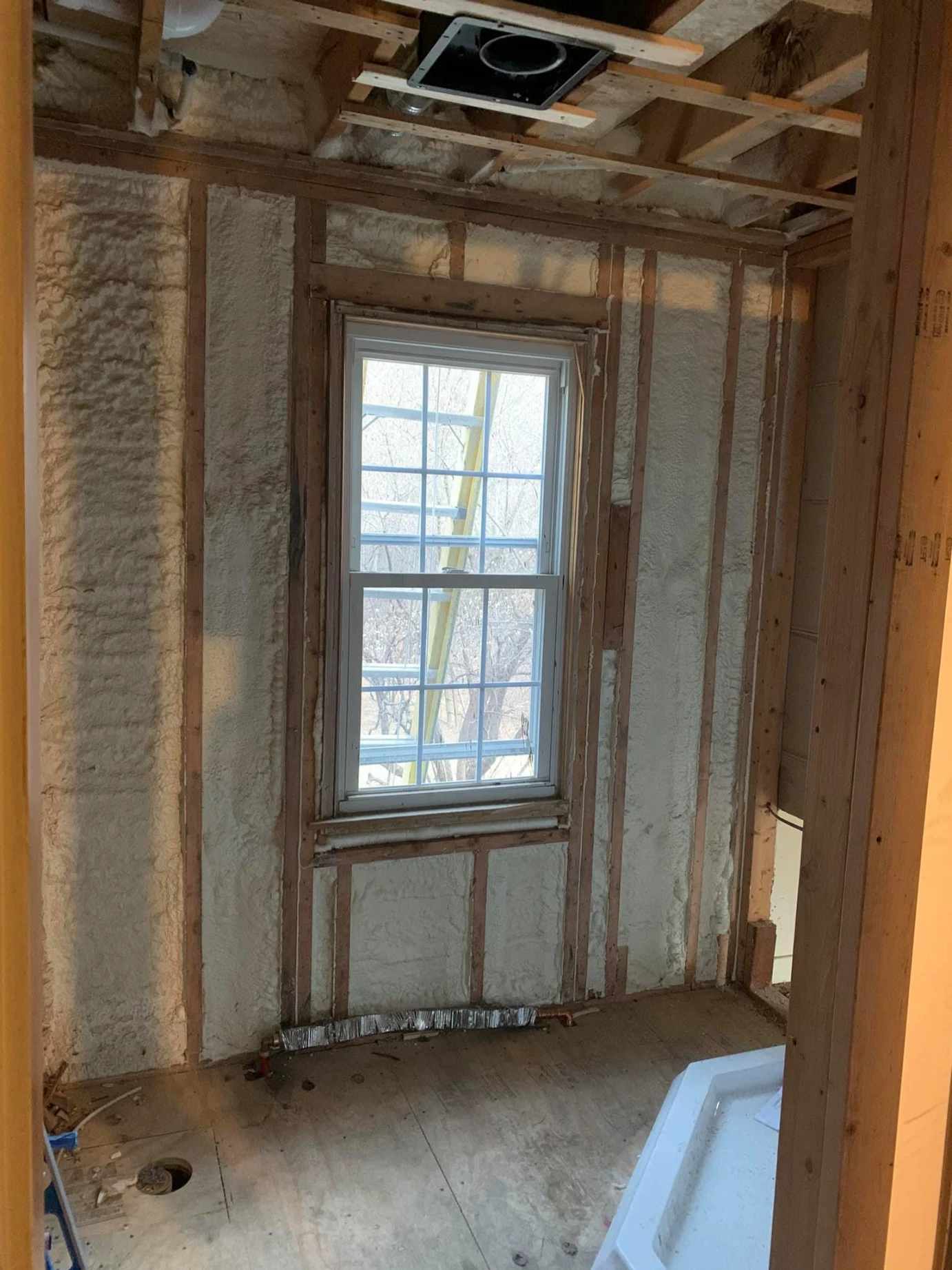
Open-cell spray foam services help reduce indoor dust by creating a functional air seal that blocks the entry points for outdoor pollutants. Unlike traditional insulation materials like fiberglass or cellulose, this foam expands to fill small cracks, gaps, and crevices in the building envelope. By stopping the movement of air through walls, attics, and crawlspaces it prevents wind-borne dust, pollen, and other fine particulates from migrating into the living spaces of a home.
Data from the Department of Energy shows that air leakage can account for a large portion of a home’s heating and cooling costs while also introducing unwanted outdoor elements. While no insulation can eliminate dust, since much of it is generated by indoor activities, sealing the home with open-cell foam addresses the significant volume of debris that enters from the outside. This article provides a detailed look at the mechanics of air sealing and its impact on indoor air quality. Lamothe Spray Foam Insulation brings extensive field experience to this topic, having observed how different insulation types perform in real-world residential settings over several decades.
Indoor dust is a mixture of various materials, including skin cells, fabric fibers, and pet dander. However, a substantial amount of dust consists of soil, soot, and pollen that enters through the building shell. Pressure differences between the inside and outside of the house drive this process. When air moves through the home, it carries microscopic particles.
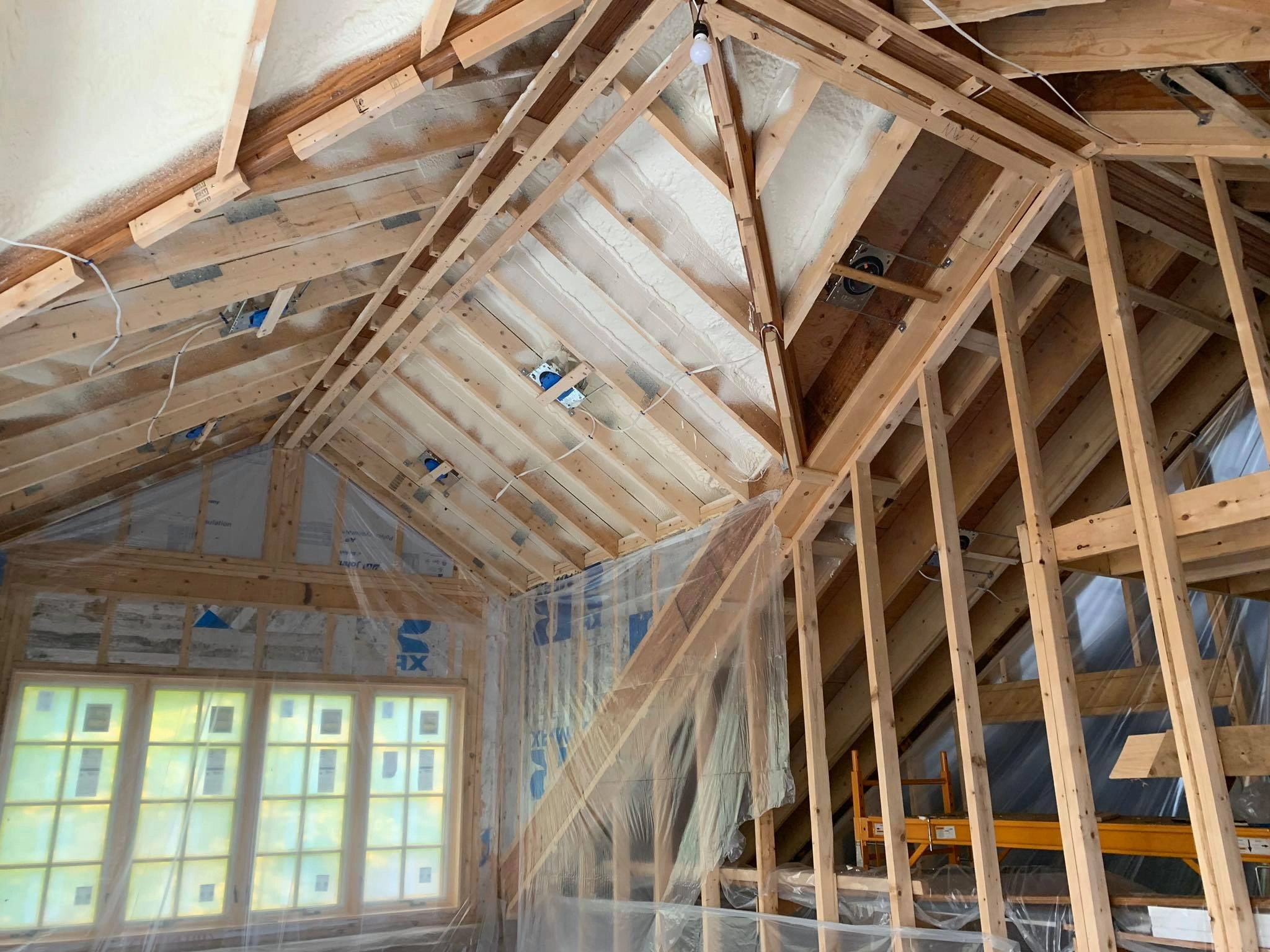
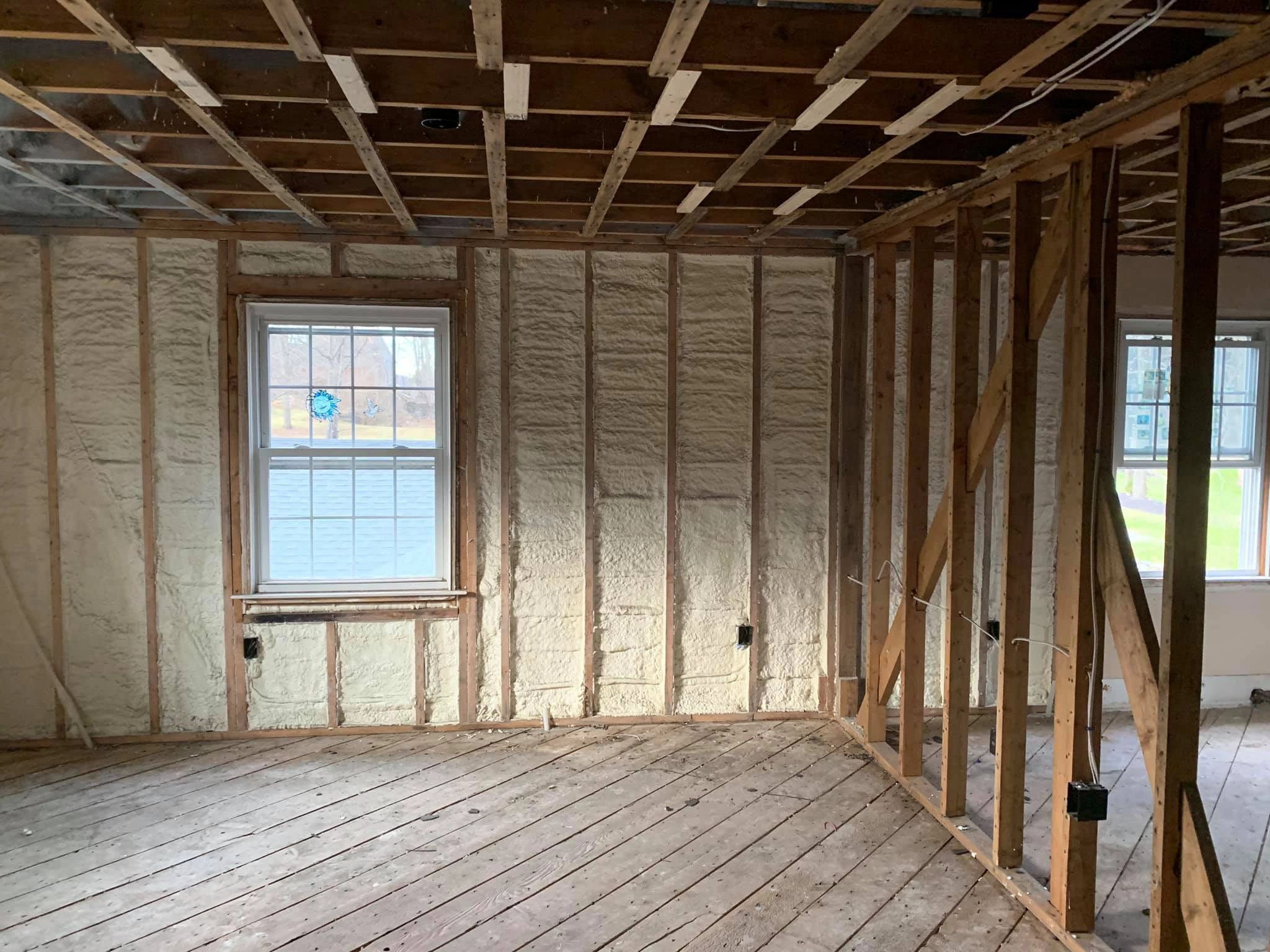
Open-cell spray foam acts as a physical barrier against this air movement. When the liquid components are sprayed into a wall cavity or onto an attic deck, they react and expand up to 100 times their original volume. This expansion ensures that even the most minor holes around electrical outlets, plumbing stacks, and rim joists are filled. Because the foam adheres directly to the building materials, it creates a continuous seal that prevents the “stack effect” from pulling dirty air into the home from the crawlspace or pushing it out through the attic.
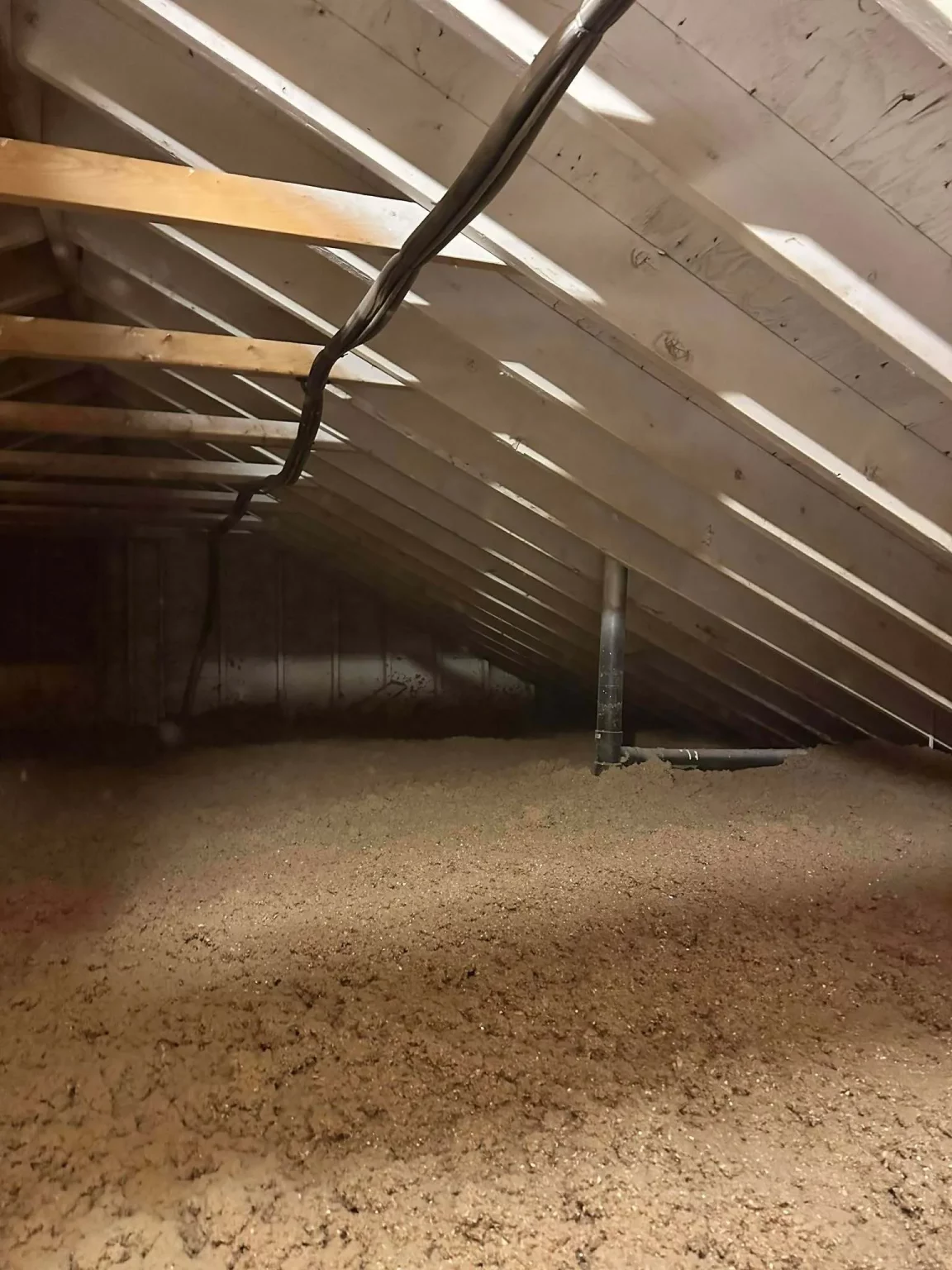
Not all insulation materials handle air movement the same way. Traditional options often act as filters rather than barriers. Fiberglass batts, for example, have a porous structure that allows air to pass through relatively easily. As air moves through the fiberglass, the material traps some dust but allows finer particles to pass into the living areas. Over time, these batts can become clogged with dirt, which may then be released back into the air when the HVAC system runs or during structural vibrations.
The following table compares common insulation types based on their ability to manage air and dust:
| Insulation Type | Air Sealing Ability | Dust Filtering Properties | Installation Method |
|---|---|---|---|
| Open-Cell Spray Foam | High (Creates an air barrier) | Blocks the entry of outdoor dust | Spray-applied expansion |
| Closed-Cell Spray Foam | High (Air and vapor barrier) | Blocks the entry of outdoor dust | Spray-applied expansion |
| Fiberglass Batts | Low (Air passes through) | Traps dust but allows bypass | Friction fit in cavities |
| Blown-In Cellulose | Moderate (Reduces airflow) | Can create its own dust | Blown into spaces |
As shown, spray foam provides a distinct advantage by addressing the source of the problem. Cellulose insulation is often treated with fire retardants. Still, because it is made from recycled paper, it can actually contribute to the total dust load in a home if it is not appropriately contained behind a sealed barrier.
Reducing infiltration of outdoor air does more than just lower dust levels. It also limits the entry of allergens. According to the Environmental Protection Agency, indoor air can be significantly more polluted than outdoor air, and controlling the exchange of air is a primary step in managing this environment.
Open-cell foam is particularly effective in attics. In many older homes, the attic is a significant source of dust because it is vented to the outside. When the attic floor is not sealed, the house “breathes” through the ceiling. By applying open-cell foam to the underside of the roof deck, the attic becomes a conditioned space. This change prevents the dusty, humid air of the attic from ever reaching the bedrooms and hallways below.
Bonus Tip: When upgrading insulation to reduce dust, always have the old insulation professionally removed first. Leaving old, dusty fiberglass in place can trap existing allergens behind the new seal, potentially leading to lingering air quality issues.
Open-cell foam has a lower density than its closed-cell counterpart, typically weighing about 0.5 pounds per cubic foot. Its soft, flexible nature allows it to move with the building as it settles or expands, and to contract and expand with the seasons. This flexibility is essential for maintaining a dust-tight seal over the long term.
While it is an excellent air barrier, open-cell foam is vapor-permeable. This means that while air and dust cannot pass through, moisture vapor can. In many climates, this property is beneficial because it allows building materials to dry out, preventing mold growth that could otherwise contribute to biological dust in the home. Reports from the Building Science Corporation highlight that unvented attic assemblies using spray foam can effectively manage moisture while providing superior air sealing compared to traditional vented designs.
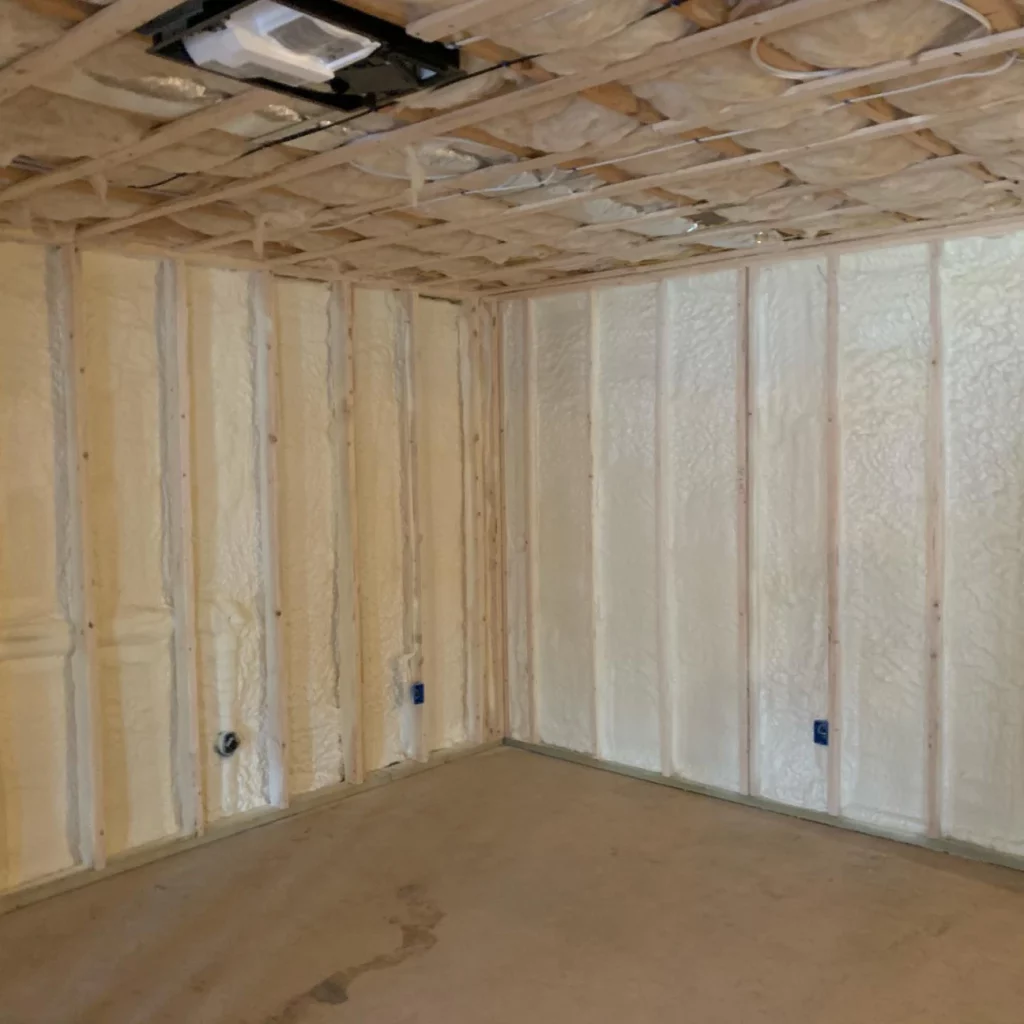
Choosing the proper insulation requires considering the specific needs of the building. While open-cell foam is excellent for dust reduction, several factors should be weighed before proceeding.
Bonus Tip: For the best dust control, pair spray foam insulation with high-quality HVAC filters rated MERV 11 or higher. The foam prevents dust from entering, while the filters remove dust generated by people and pets.
Reducing indoor dust requires a multi-pronged approach, but addressing the building envelope is a fundamental step. Open-cell spray foam provides a superior air barrier, preventing the infiltration of outdoor particulates. Filling gaps that other materials miss, it creates a cleaner, more controlled indoor environment. Homeowners should evaluate their current air quality and consider how sealing the attic or walls could reduce their reliance on constant cleaning and air filtration. The best results come from a balanced approach that includes professional insulation, proper mechanical ventilation, and regular HVAC maintenance.
Lamothe Spray Foam Insulation offers expert assessment and installation for those looking to improve their home’s environment. For questions regarding specific projects or to learn more about material options, contact the office at [email protected]. You can also reach a specialist directly by calling (508) 847-0119 to schedule a consultation. Taking the time to plan a proper air sealing strategy is an investment in the long-term health and cleanliness of any property.
No, open-cell spray foam does not break down into dust. It is a stable polymer that remains flexible. Unlike fiberglass, which can shed tiny glass fibers, or cellulose, which is made of paper particles, spray foam stays intact once it has cured.
You will still need to dust, but the frequency should decrease. Spray foam prevents dust from the attic and the outdoors from entering the home. However, you will still have dust generated from clothing, skin, and pets inside the house.
Both types of foam are equally effective at stopping dust because both create a total air seal. Open-cell is often preferred for residential attics and walls because it is more cost-effective and provides better sound damping, an added benefit in quiet home environments.
Yes, it is one of the best ways to modernize an old home. Old houses often have thousands of tiny cracks. Spray foam is the only material that can expand into those irregular spaces to stop the drafty, dusty air that characterizes older construction.
There is a distinct odor during the application and for a short period afterward while the foam cures. Professionals use ventilation equipment during the process. Once curing is complete, usually within 24 hours, the foam is odorless and does not affect air quality.