Insulation Thickness and Density: How They Affect Noise Reduction
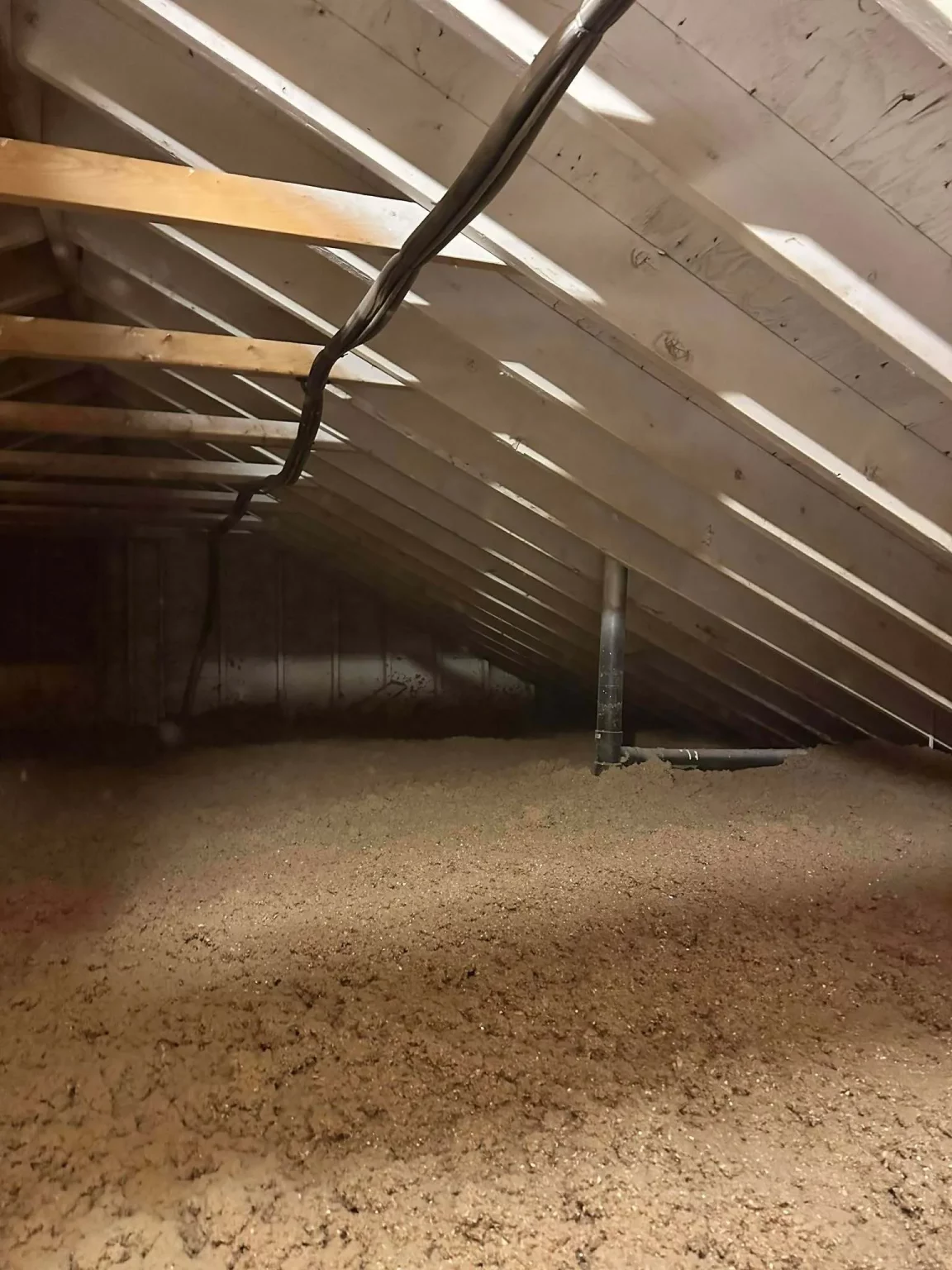
The effectiveness of insulation for noise reduction depends primarily on two physical properties: thickness and density. Thicker insulation blocks more…


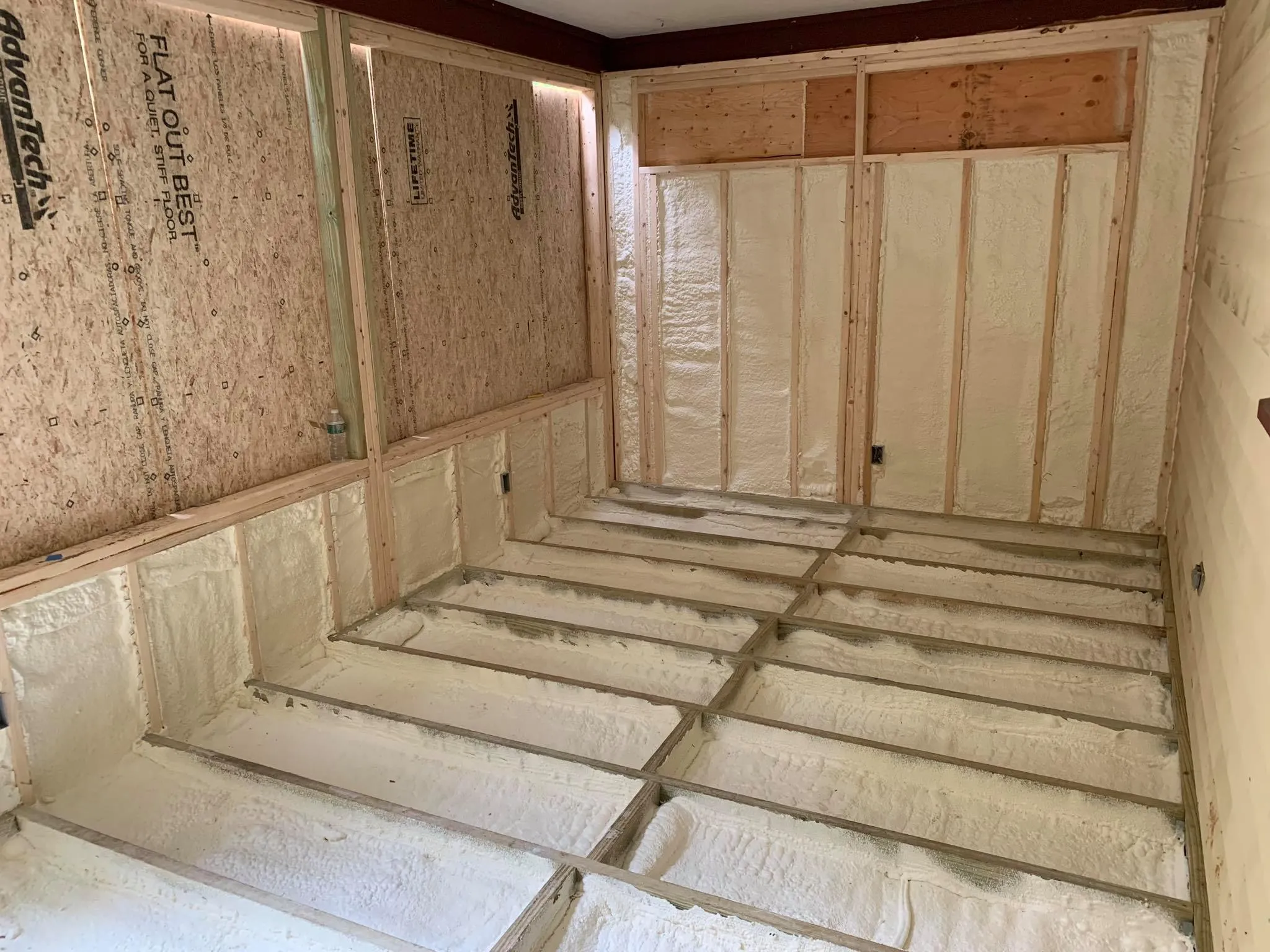
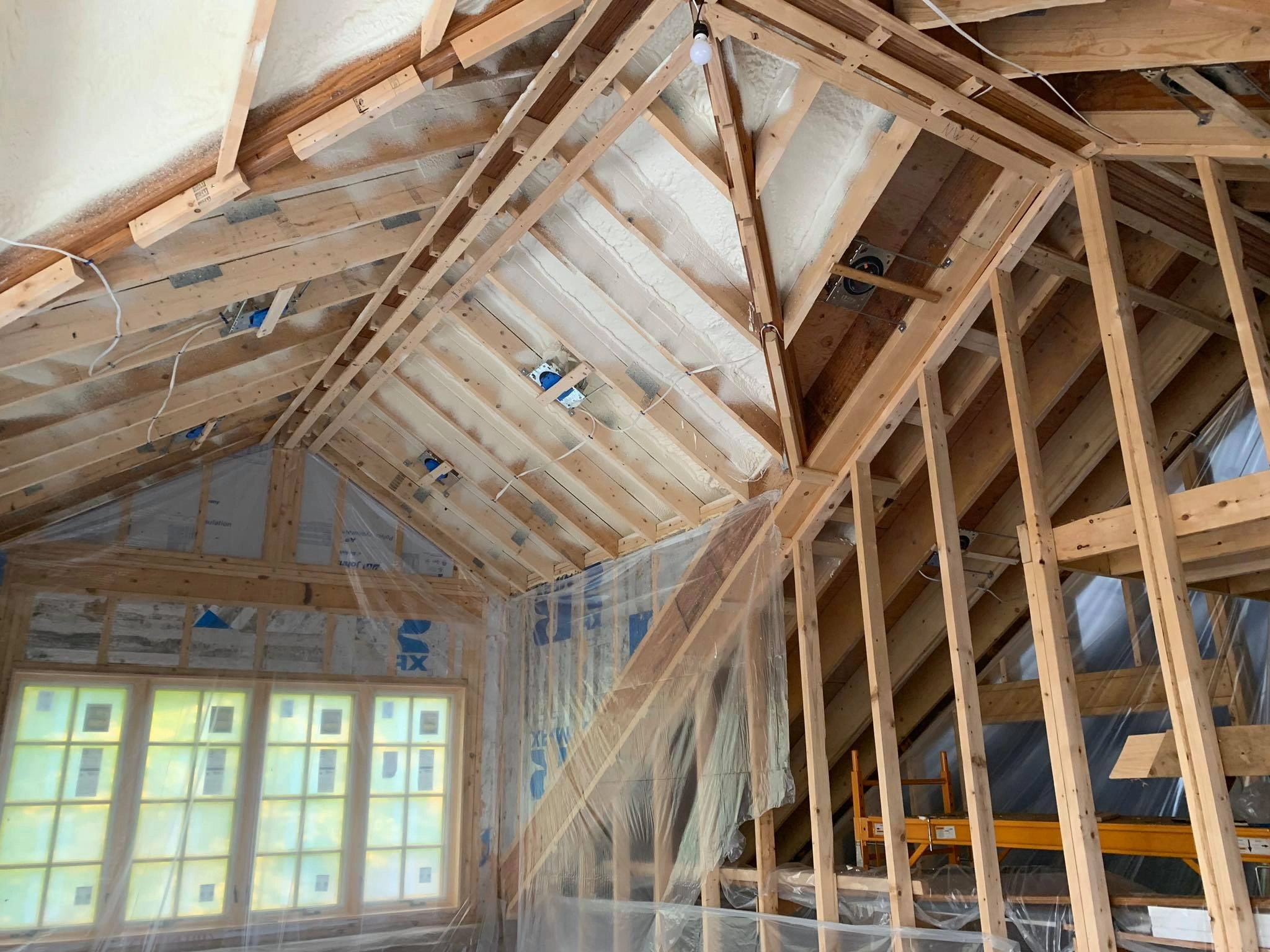
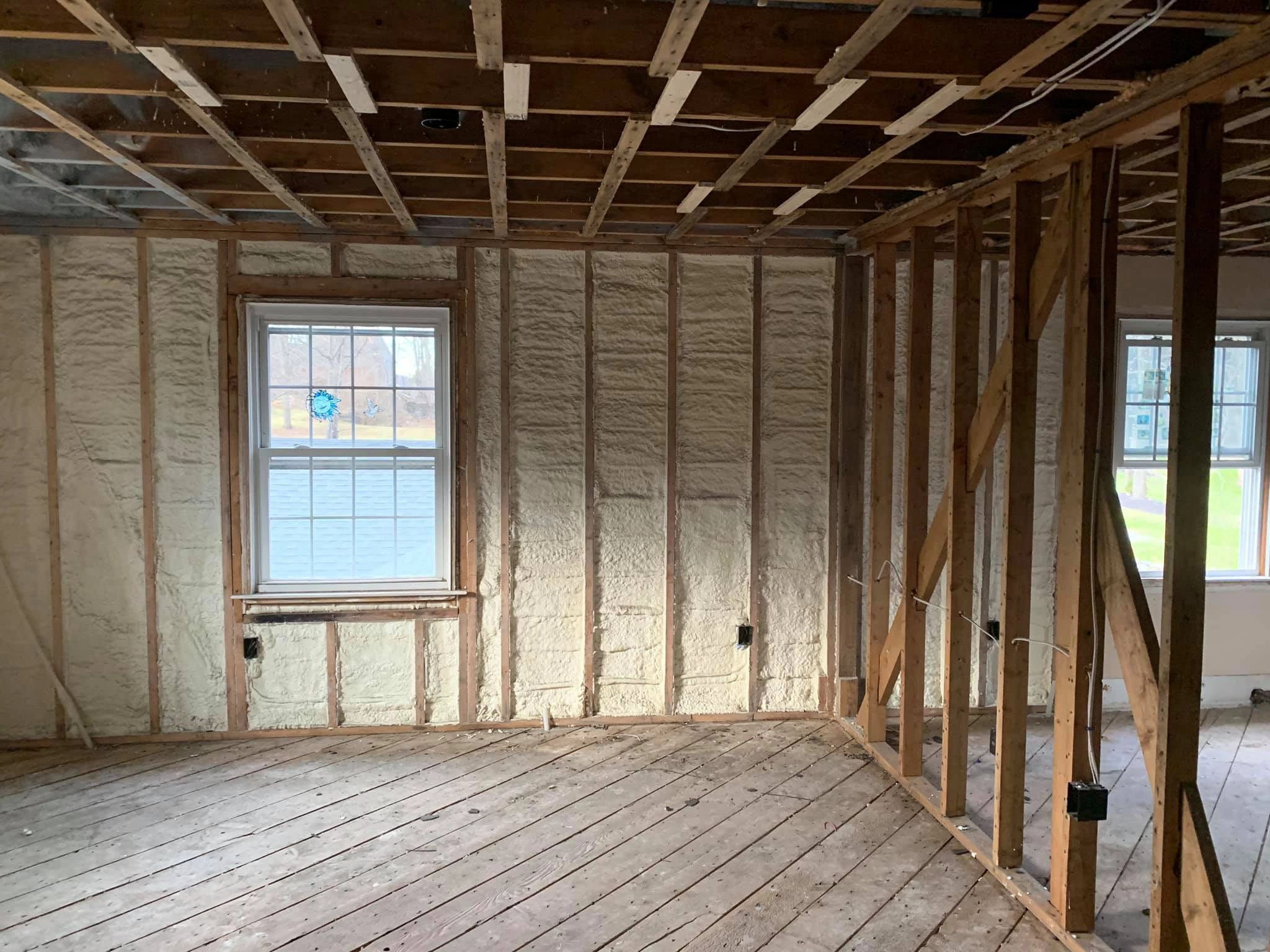
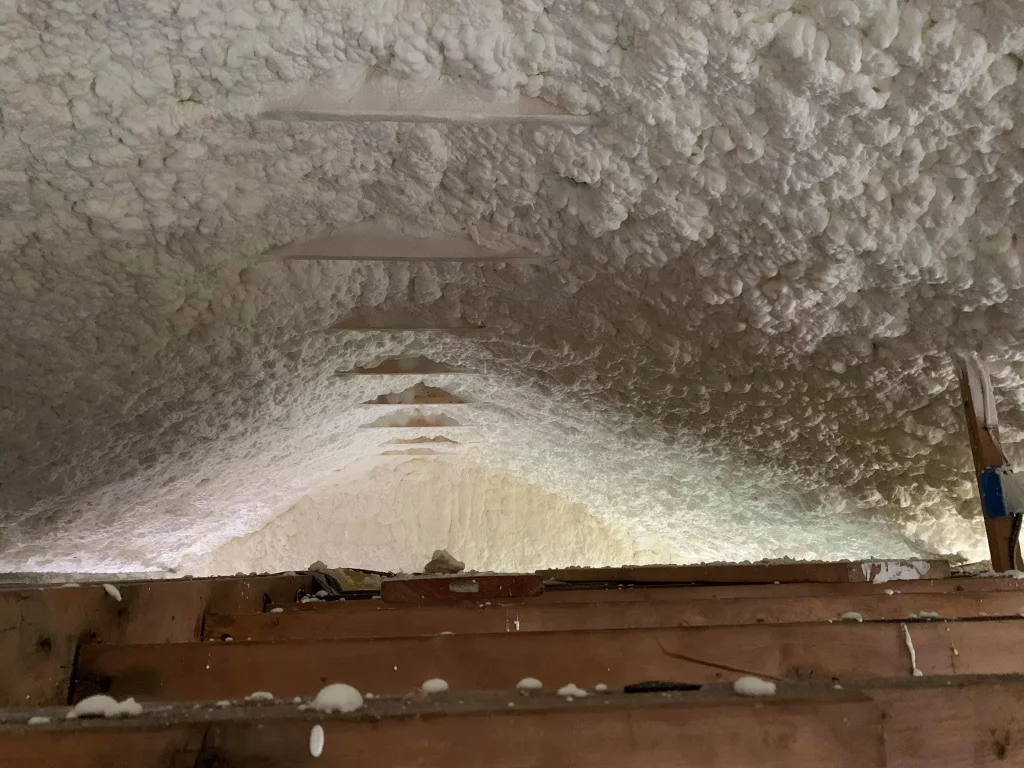
Open-cell spray foam generally provides superior noise reduction compared to closed-cell foam. Its lower density and open cellular structure absorb sound energy effectively, whereas closed-cell foam tends to reflect sound due to its high density and rigidity. While both materials stop air leakage and help block noise, open-cell is the preferred choice for strictly acoustic applications. Lamothe Insulation and Contracting uses this material specifically for interior soundproofing projects where sound transmission deadening is the primary goal.
This guide explains the acoustic differences between these two insulation types, examines the physics behind how they handle sound waves, and details which scenarios suit each material best.
Sound travels through the air as vibration. To stop it, insulation must either absorb that vibration or block its path completely. Open-cell foam acts like a sponge for sound. When sound waves hit the porous surface, they enter the tiny bubbles and lose energy through friction within the cell structure. This process converts sound energy into a tiny amount of heat, effectively muffling the noise.
Closed-cell foam works differently. The cells are pressed tightly together and filled with gas, making the material hard and rigid. When sound waves hit this dense surface, they bounce off rather than penetrating the material. While this blocking effect helps, the rigid nature can sometimes transmit vibration through the building structure if not applied correctly.
Market trends show a growing preference for materials that offer combined benefits. A report from Grand View Research indicates that the spray polyurethane foam market is expanding rapidly as homeowners seek solutions that improve both energy efficiency and indoor comfort.
Open-cell foam is a specialized tool for noise control. Its density is very low, often around 0.5 pounds per cubic foot. This softness makes it excellent at absorbing airborne noise like voices, televisions, and music. It is particularly effective at blocking mid- to high-frequency sounds.
Closed-cell foam is much denser, typically ranging from 1.7 to 2.0 pounds per cubic foot. It creates a vapor barrier and adds structural strength to the building. While it excels at thermal insulation and air sealing, it is not an acoustic absorber. It reflects sound, which can help block noise from entering a space, but it does not reduce echo or reverberation within the room itself.
The table below outlines the key differences between the two materials regarding noise control and physical properties.
| Feature | Open-Cell Spray Foam | Closed-Cell Spray Foam |
|---|---|---|
| Primary Mechanism | Sound Absorption | Sound Reflection / Air Sealing |
| Density | Low (approx. 0.5 lbs/ft³) | High (approx. 2.0 lbs/ft³) |
| Best For | Echo reduction, interior walls | Exterior shells, air sealing |
| Noise Type Handled | Airborne (voices, TV) | Impact & Airborne (via sealing) |
| Vapor Barrier | No (Permeable) | Yes (Impermeable) |
In the Northeast, where temperature swings and humidity are common, choosing insulation requires careful consideration. Data regarding building efficiency suggests that controlling air leakage is the most cost-effective way to improve comfort. Research published by Building Science Corporation emphasizes that air sealing is essential for both thermal performance and moisture control.
For homes in colder climates like New England, closed-cell foam is often specified for the exterior building envelope to prevent ice dams and moisture intrusion. However, when the goal is specifically to soundproof a media room or a master suite, open-cell foam remains the superior choice for interior partitions, regardless of the exterior climate. According to the Spray Polyurethane Foam Alliance, spray foam insulation outperforms traditional insulation in air sealing, which is a critical component of noise reduction because sound travels easily through air leaks.
Another frequent concern involves the smell. High-quality spray foams cure quickly and do not retain odors, but proper ventilation during installation is vital to ensure a safe environment.
Choosing the right foam involves more than just looking at the Sound Transmission Class (STC) rating. Consider these factors before starting a project.
Open-cell spray foam is the clear winner for dedicated noise-reduction projects due to its ability to absorb sound. Closed-cell foam serves best as an air barrier and thermal insulator on the building perimeter. Most high-performance projects use closed-cell on the exterior for structure and weatherproofing, and open-cell on interior partitions to create a quiet, comfortable living space. Evaluating the specific noise source and the environmental conditions of the installation area will ensure the best results.
Determining the right insulation strategy for noise reduction requires professional assessment. Lamothe Insulation and Contracting provides expert evaluations to identify the best materials for specific acoustic and thermal needs. For a consultation, reach out via email at [email protected] or call (508) 847-0119 to discuss project details.
Open-cell spray foam is the best choice for a home theater. It absorbs the sound inside the room, reducing echo and improving audio quality. It also helps prevent sound from escaping the room.
It can significantly reduce it. Open-cell foam is particularly good at dampening the “water hammer” sound and the noise of water rushing through pipes located in interior walls.
No insulation material can completely stop noise. To block loud external noises like traffic or loud music, a combination of mass (such as extra layers of drywall), decoupling, and damping is required, along with insulation.
Closed-cell foam is better when the noise is related to air leakage or when structural rigidity is needed. It is also the better choice in areas exposed to moisture where acoustic control is a secondary concern.
Yes, thickness matters significantly for open-cell foam. The thicker the application, the lower the frequency of sound it can absorb. Standard wall cavities usually provide enough depth for effective residential soundproofing.