Insulation Thickness and Density: How They Affect Noise Reduction
The effectiveness of insulation for noise reduction depends primarily on two physical properties: thickness and density. Thicker insulation blocks more…


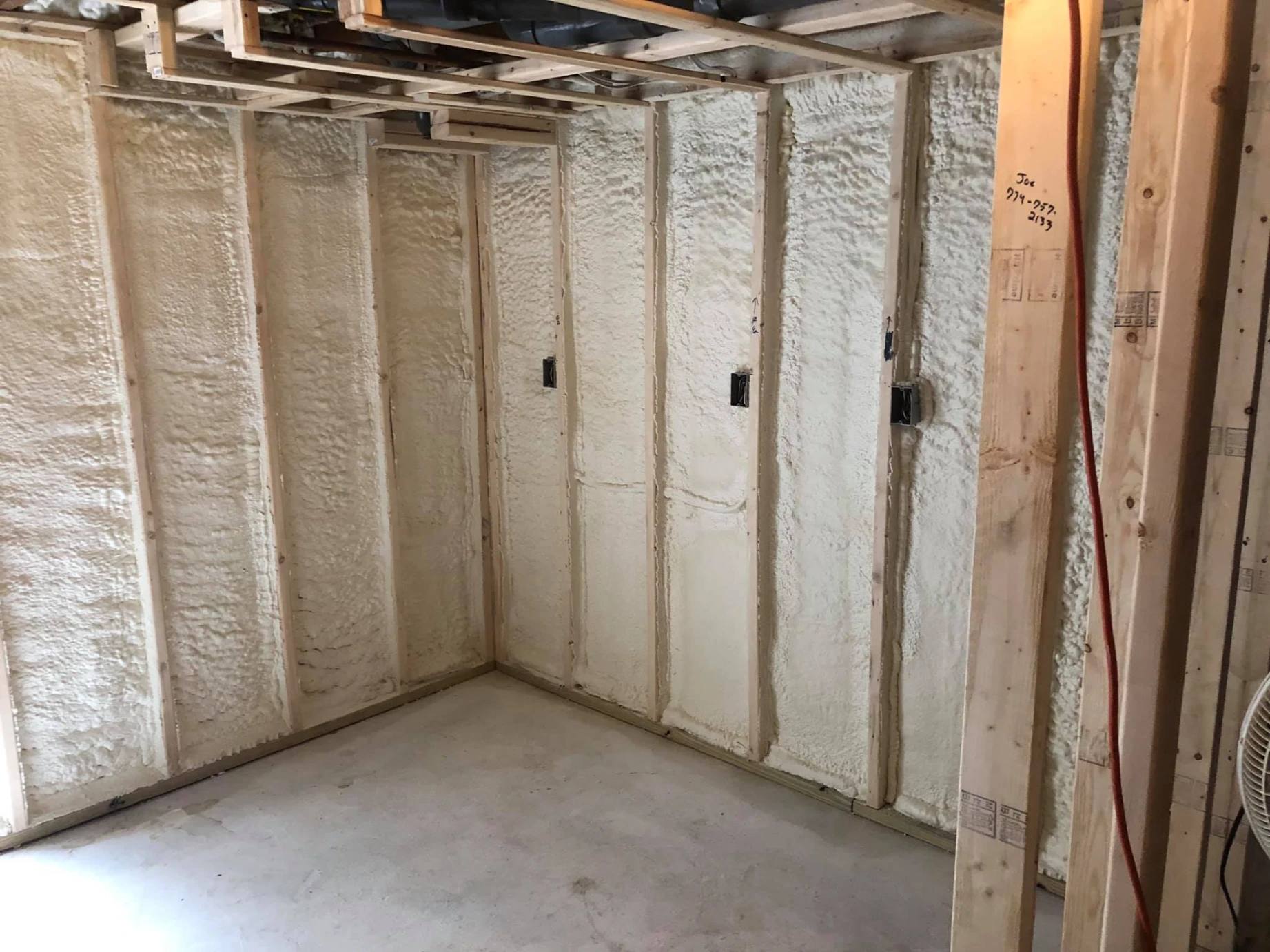
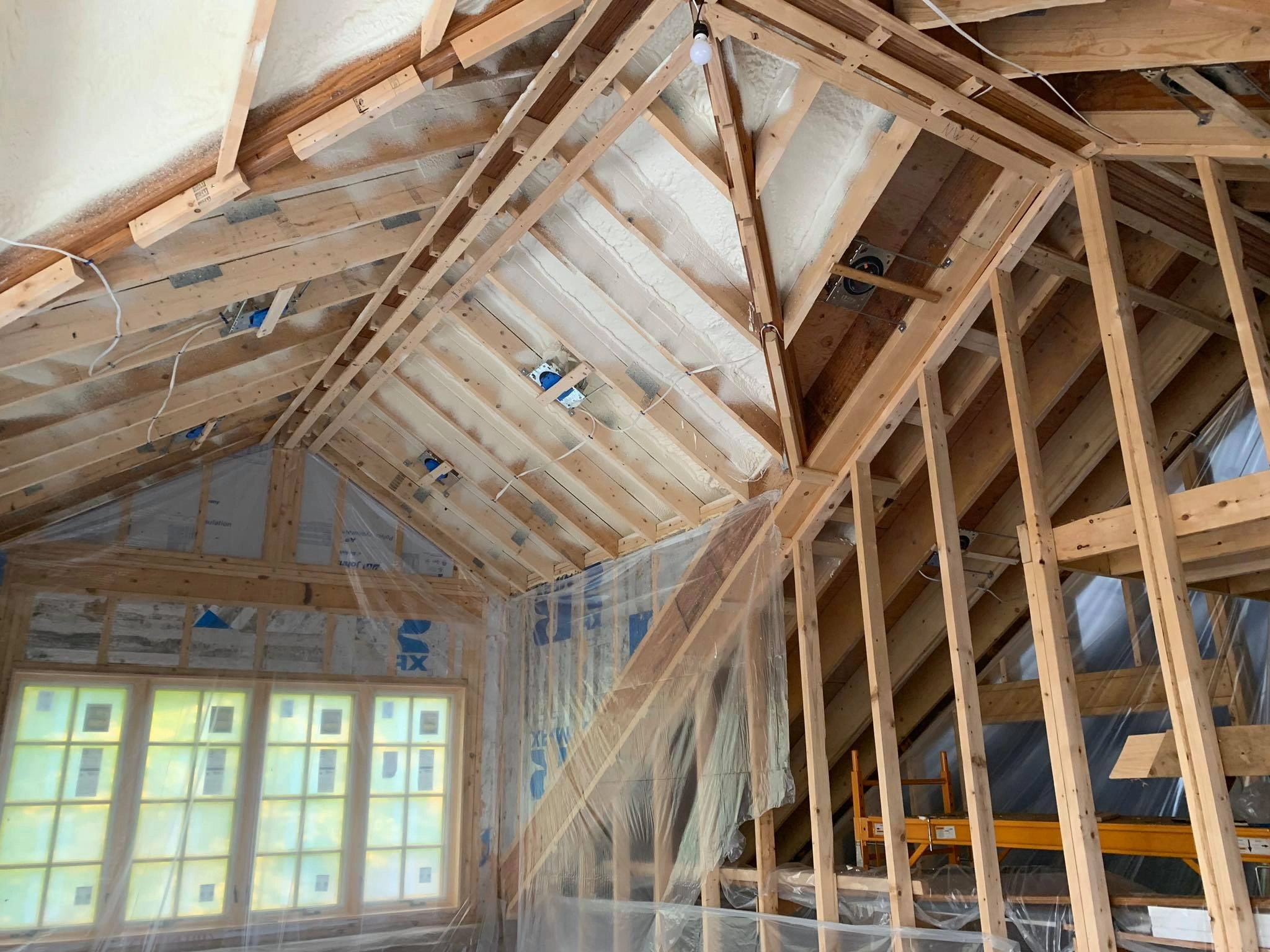
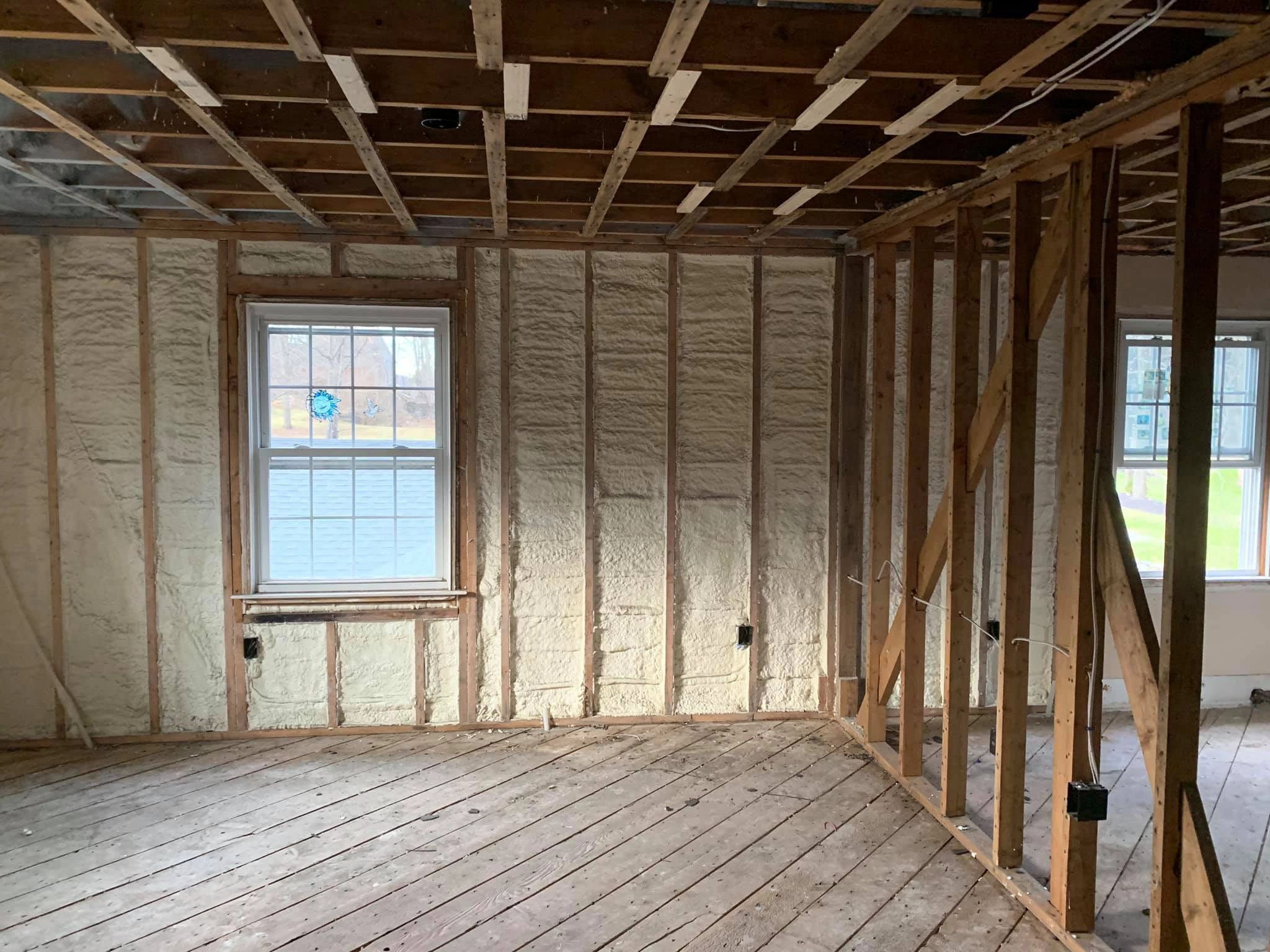
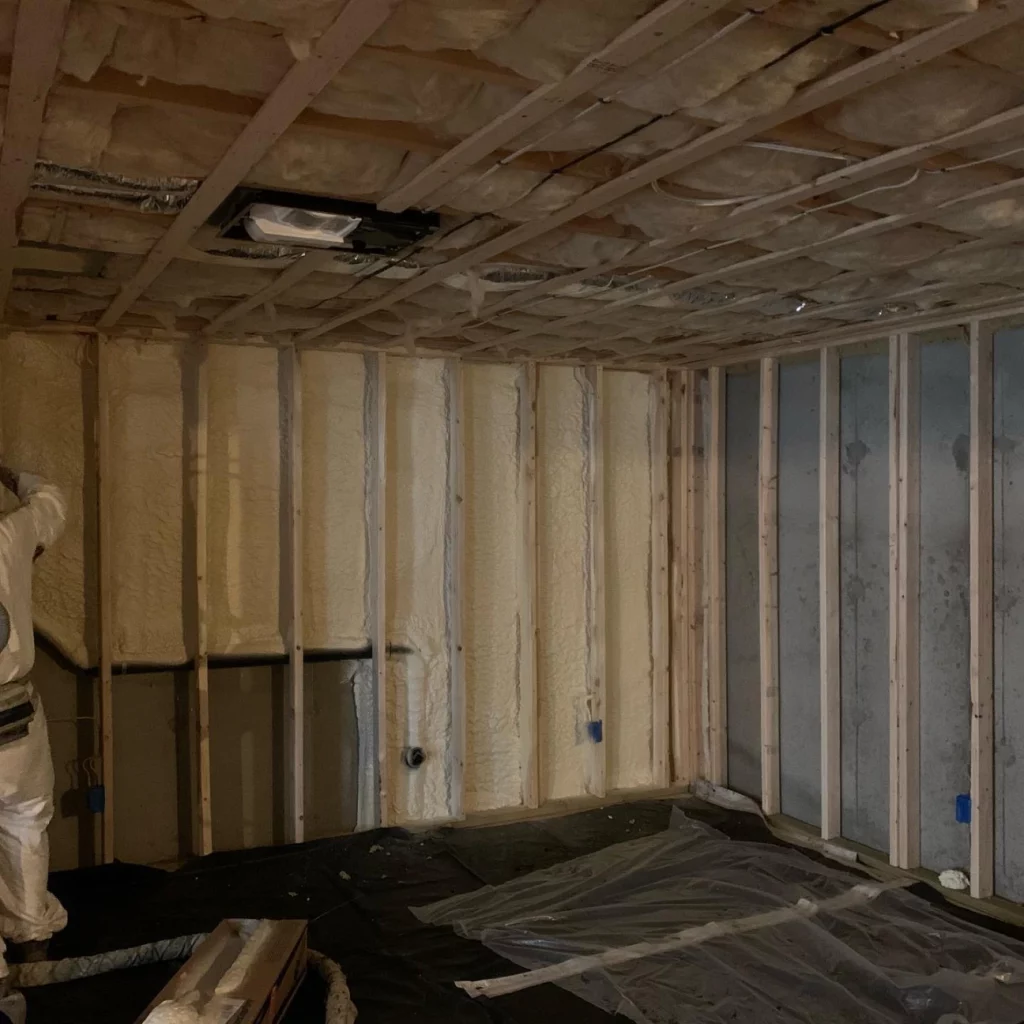
Open-cell spray foam prevents air intrusion by expanding up to 100 times its liquid volume during application, creating a custom-fitted air barrier. This rapid expansion allows the material to fill every gap, crack, and crevice within a wall cavity or attic space that traditional insulation often misses. By adhering directly to the building substrate, it eliminates the voids where air typically leaks in or out of a home, effectively stopping drafts that lead to higher energy costs and discomfort.
This guide provides technical details on how open-cell technology functions as a primary air seal and why it remains a preferred choice for residential energy efficiency. Lamothe Spray Foam Insulation applies this information, gained through years of field experience, to help homeowners understand the mechanics of building envelopes. Proper air sealing is the first step in creating a stable indoor climate and reducing the workload on heating and cooling systems.
Air intrusion occurs when outdoor air enters a building through unsealed joints and porous materials. This process is driven by pressure differences caused by wind or the stack effect, where warm air rises and escapes through the top of a house while pulling cold air in through the bottom. According to data from the Department of Energy, air leakage can account for 25% to 40% of the energy used for heating and cooling in a typical residence.
Open-cell spray foam addresses this by acting as both insulation and an air barrier. When the two-component liquid mixture is sprayed, a chemical reaction creates tiny bubbles or cells. Because these cells remain open, the foam stays flexible and soft. This flexibility is a significant advantage because it allows the foam to move with the natural shifting or settling of a house without breaking the air seal. Unlike rigid materials that might crack over time, the pliable nature of open-cell foam maintains a consistent block against air movement.
Bonus Tip: Before applying spray foam insulation solution, identify large holes around plumbing stacks or electrical chases. While foam fills these well, ensuring these areas are clear of debris helps the material bond more effectively to the wood or masonry.
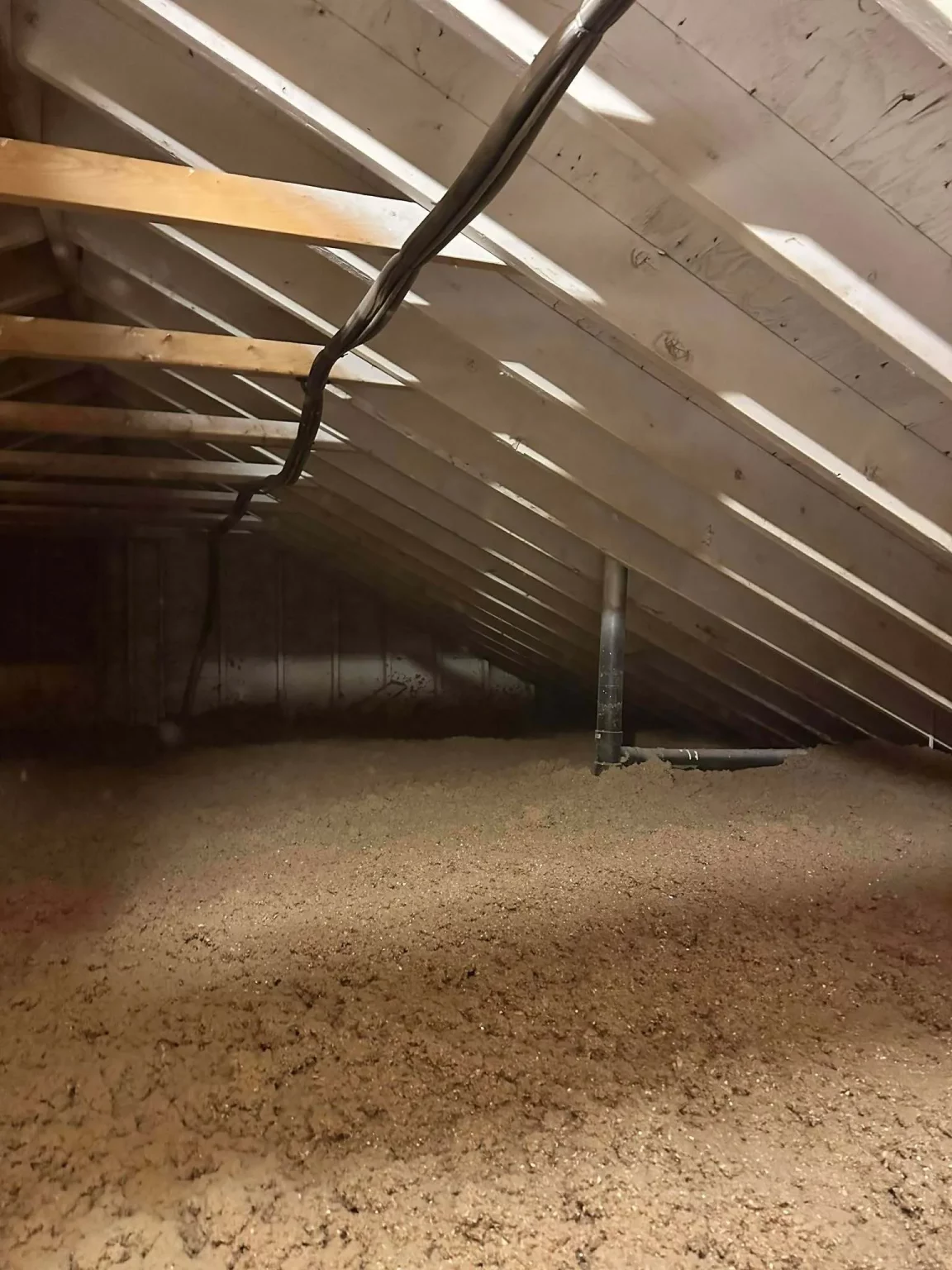
Standard insulation materials like fiberglass or cellulose primarily slow down heat transfer but do not stop air flow. Air can pass through fiberglass batts easily, which often results in “dirty” insulation where the fiberglass acts as a filter for dust and pollutants carried by the air. In contrast, open-cell foam creates a physical block.
The following table highlights the differences in how common materials handle air movement and installation.
| Feature | Open-Cell Spray Foam | Fiberglass Batts | Cellulose (Blown-in) |
|---|---|---|---|
| Air Sealing Capability | High (Custom fits to cavity) | Low (Air passes through) | Moderate (Dense pack only) |
| Expansion Rate | 100x liquid volume | None | None |
| Physical Texture | Soft and Flexible | Fibrous | Loose particles |
| Installation Style | Spray-applied | Manual fit | Blown or sprayed |
| Sound Absorption | High | Moderate | Good |
As shown, the expansion rate of open-cell foam is the primary reason it excels at preventing air intrusion. It reaches behind wires and into corners that are physically impossible to reach with hand-installed batts.
The open-cell foam’s ability to grow significantly upon contact ensures complete fill. In modern construction, wall cavities are often filled with obstacles such as electrical boxes, recessed lighting, and HVAC ducting. Traditional materials must be cut and tucked around these objects, which inevitably leaves small gaps. Even a gap as small as a few millimeters can allow significant air bypass.
Information published by ENERGY STAR indicates that sealing air leaks is one of the most cost-effective ways to improve home energy efficiency. Because open-cell foam is a liquid during the first few seconds of application, it flows into these tight spots before expanding. This ensures that the finished product is a monolithic layer of protection.
Bonus Tip: When using open-cell foam in an attic, applying it to the underside of the roof deck (creating a conditioned attic) is often more effective at stopping the stack effect than insulating the attic floor. This keeps the mechanical equipment located in the attic within a tempered space.
While the primary goal is to stop air, the open-cell structure provides secondary benefits. The interconnected pathways within the foam are excellent at absorbing sound waves. This makes the material valuable for interior walls in home theaters, bedrooms, or home offices where noise reduction is a priority.
Additionally, open-cell foam is vapor-permeable. This means that while air cannot blow through it, moisture in the form of vapor can slowly move through the material. This is an important safety feature in certain climates because it allows the building assembly to dry out if moisture ever gets trapped behind the walls. This helps prevent mold or wood rot from growing when non-permeable materials trap moisture.
Choosing the proper insulation requires considering the specific needs of the structure. While open-cell foam is excellent for air sealing, certain factors influence its performance.
A report from Grand View Research mentions that the rising demand for energy-efficient buildings is pushing more builders toward spray foam solutions. Understanding these factors helps in planning a successful installation that meets both energy goals and safety standards.
Does open-cell foam absorb water?
If a leak occurs, open-cell foam can retain water due to its open-cell structure. However, it does not act like a sponge that pulls water in; instead, it allows water to pass through, helping homeowners identify a roof leak faster than materials that hide water.
How long does the material last?
When installed correctly and protected from UV light, open-cell spray foam is designed to last for the life of the building. It does not sag or settle over time like loose-fill or batt insulation.
Is there an odor during installation?
There is a brief period of off-gassing during the chemical reaction. Professional installers require occupants to vacate the premises for a specified period, typically 24 hours, to allow the foam to cure fully and the air to clear.
Preventing air intrusion is one of the most effective ways to lower utility bills and improve indoor air quality. Open-cell spray foam provides a high-performance solution by filling gaps left by other materials. The foam’s expansion creates a custom seal that moves with the home, ensuring long-term protection against drafts. When evaluating a home for energy upgrades, consider the building as a whole system. Focus on the areas where the most air escapes, such as the attic and the foundation. Assessing the depth of the wall cavities and the specific climate requirements will guide the decision on whether open-cell foam is the right fit for the project.
To receive a professional evaluation of a building envelope, contact Lamothe Spray Foam Insulation. The team provides detailed assessments to determine if open-cell spray foam is the right solution for specific energy goals. For questions about scheduling or technical specifications, reach out via email at [email protected] or call (508) 847-0119. Improving a home’s air seal is a step toward lasting comfort and efficiency.
Open-cell foam is lighter and less dense than closed-cell options. While closed-cell foam adds structural strength and acts as a vapor barrier, open-cell foam is generally more affordable and provides better sound dampening. For most residential interior applications and attic roof decks, open-cell is the standard choice for air sealing.
Open-cell foam is generally not recommended for below-grade applications or areas in direct contact with bulk water. For rim joists or basement walls, closed-cell foam is often preferred due to its moisture-resistant properties. Lamothe Spray Foam Insulation evaluates the specific moisture levels of a site before recommending a specific foam type.
Open-cell foam typically provides an R-value of 3.5 to 3.8 per inch. While this is lower than the R-7 of closed-cell foam, the total system performance is often higher than that of traditional materials because the air-sealing component is built directly into the insulation.
Spray foam solution is not a food source for insects or rodents. While it does not act as a pesticide, the tight air seal it creates can help block the pheromone trails that pests use to enter a home.