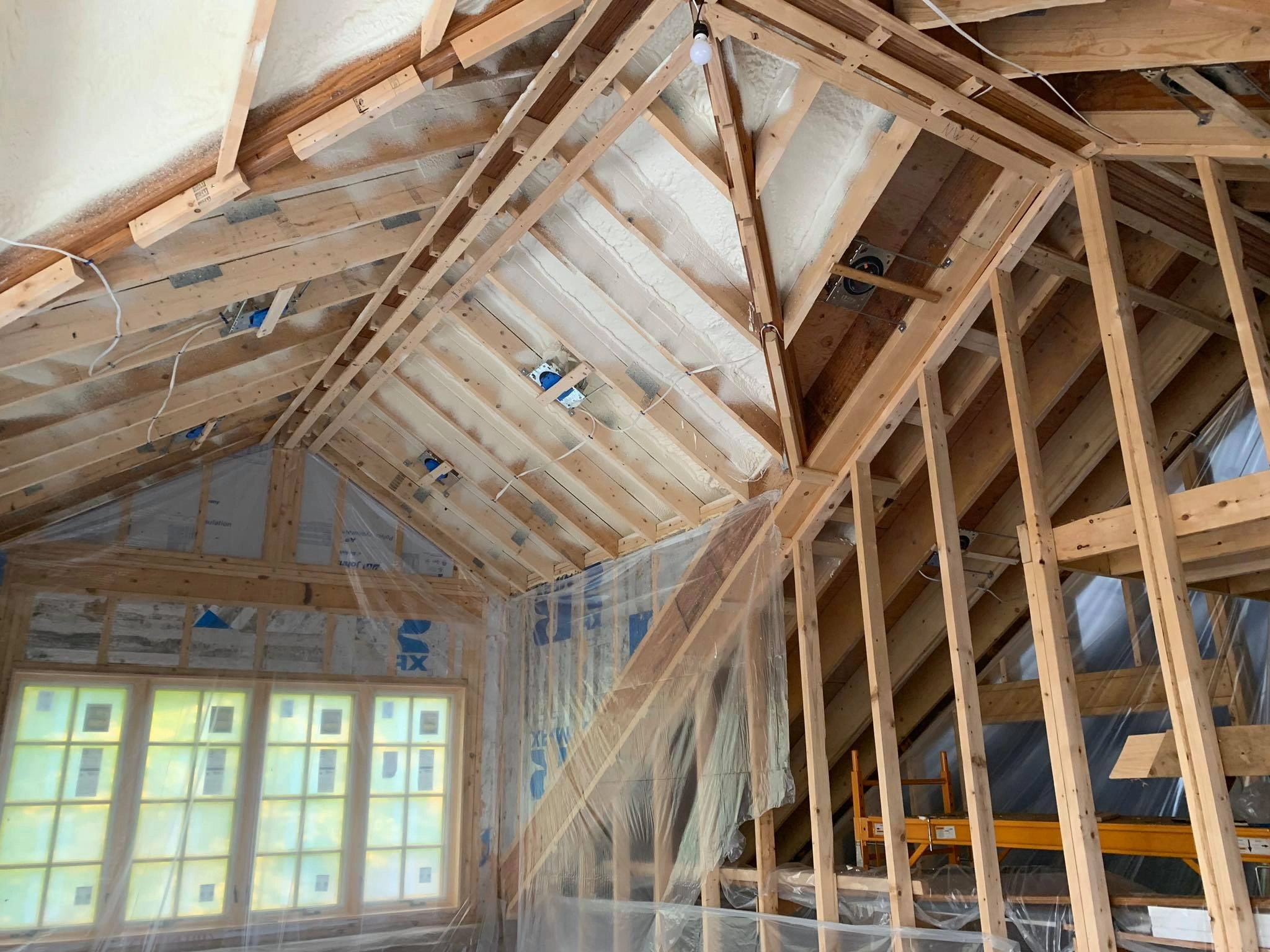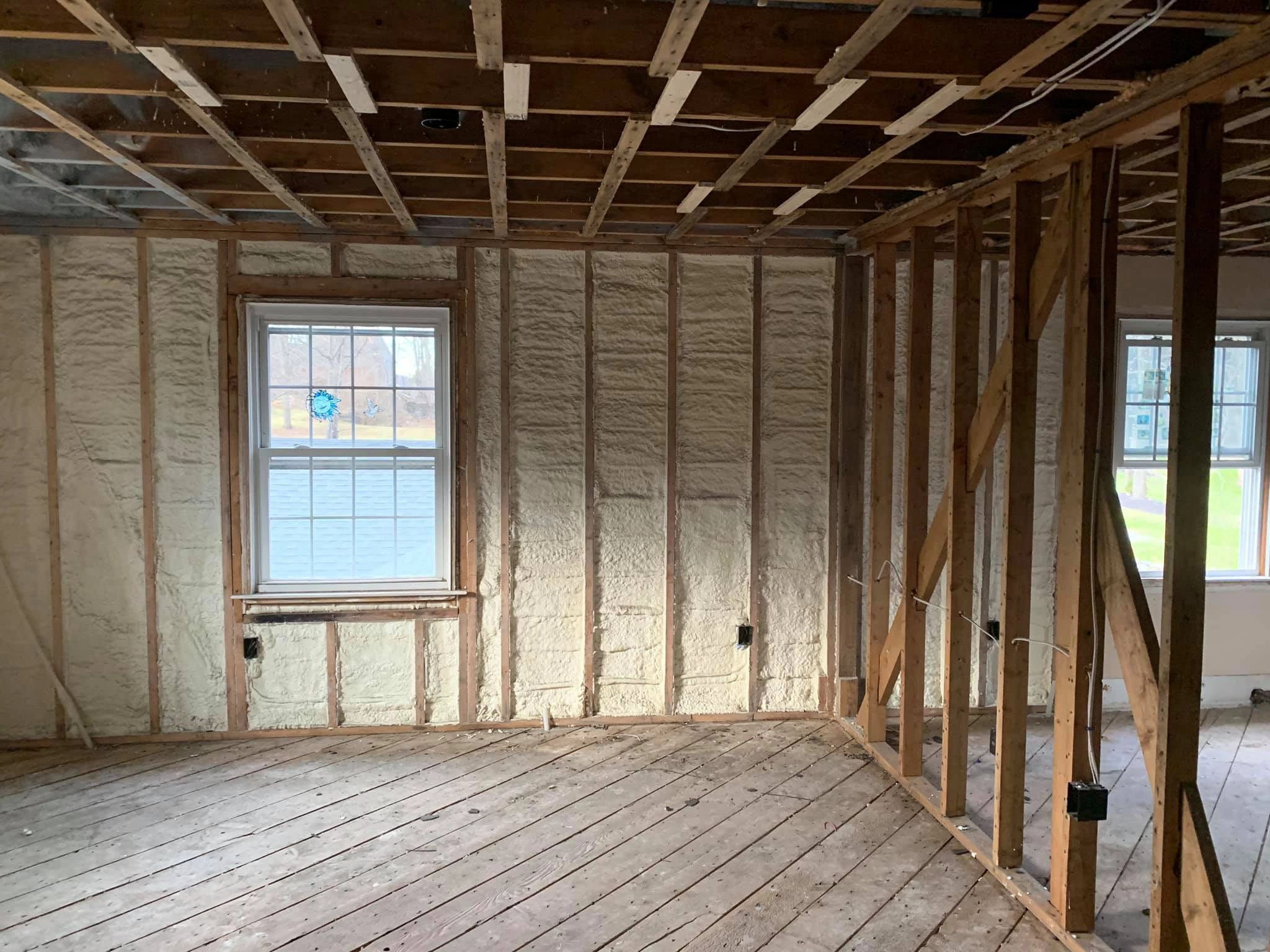
Insulation Thickness and Density: How They Affect Noise Reduction
The effectiveness of insulation for noise reduction depends primarily on two physical properties: thickness and density. Thicker insulation blocks more…


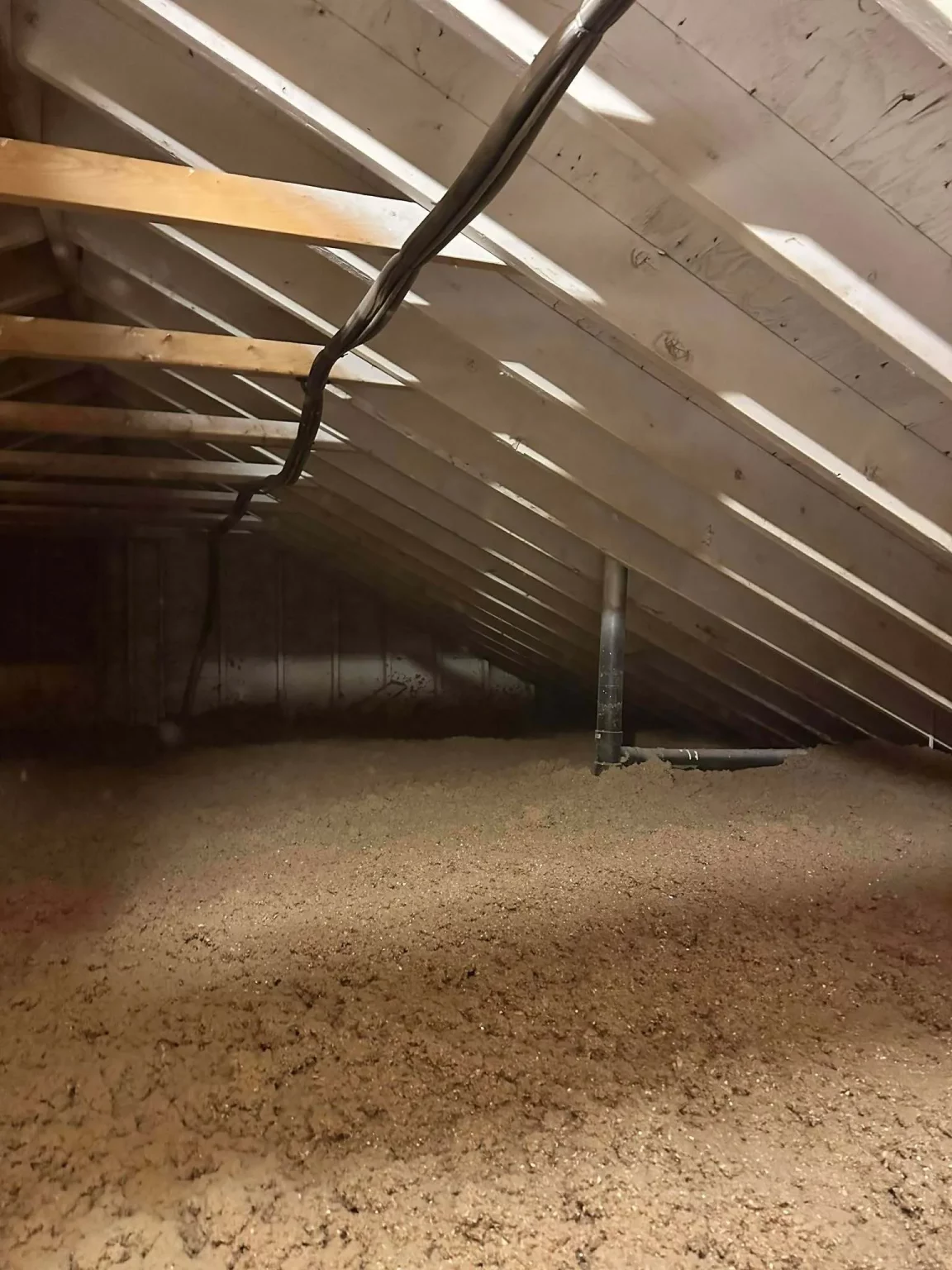
Blown-in insulation serves as a critical defense system against roof leaks in Millbury, MA by creating a continuous thermal barrier that prevents condensation, ice dams, and moisture penetration. Unlike traditional batt insulation, blown-in materials fill every gap and cavity, eliminating air pathways where water vapor can travel and cause damage. In Millbury’s climate, where winters bring heavy snow and summers are humid, this comprehensive coverage is essential for protecting roofing structures from the inside out. This article explains exactly how blown-in insulation works to prevent leaks, what options work best for local conditions, and what property owners should consider before installation.
Lamothe Insulation has extensive experience with roof systems across Massachusetts, giving direct knowledge of how insulation choices impact building longevity. The information here comes from years of hands-on work with residential and commercial properties throughout New England’s varying weather conditions.
Blown-in insulation stops roof leaks through three primary mechanisms. First, it eliminates thermal bridging where heat escapes through framing members, which would otherwise create cold spots that encourage condensation formation. Second, the material’s density creates an effective air barrier that stops moist indoor air from reaching cold roof surfaces in winter. Third, proper insulation maintains consistent roof temperatures, preventing ice dam formation along eaves where melting snow refreezes and creates backup water pressure.
In Millbury’s climate zone, these functions prove especially important. The area experiences an average annual snowfall of 48 inches, with winter temperatures frequently dropping below freezing. According to the U.S. Department of Energy, proper insulation services in Millbury, MA can reduce energy bills by up to 20% in cold climates while simultaneously preventing moisture-related structural damage.
The Massachusetts Building Code, which dictates the official state requirements for insulation values and installation standards, requires specific R-values for different parts of a home. However, these minimums often fall short of what’s needed for optimal moisture control in Millbury’s climate. The region’s proximity to both Atlantic moisture and continental cold fronts creates challenging conditions that demand higher insulation standards than code minimums.
Local building practices typically include roof ventilation systems designed to work in tandem with insulation. The combination of proper attic ventilation and blown-in insulation creates a system where air can move freely above the insulation while preventing indoor air from reaching the roof deck. This airflow helps remove any moisture that does penetrate the roof covering before it can cause damage.
Bonus Tip: Ventilation Balance Many Millbury properties suffer from either too much or too little ventilation. A qualified insulation specialist should calculate the exact ventilation needs based on attic square footage and roof pitch. The general rule is 1 square foot of ventilation for every 300 square feet of attic space, split evenly between intake and exhaust vents.
Three main types of blown-in insulation in Millbury, MA work well for roof leak prevention. Each has distinct properties affecting moisture resistance, installation methods, and long-term performance.
The following table compares key characteristics of each insulation type for roof leak prevention in Millbury’s climate:
| Insulation Type | R-value per Inch | Moisture Resistance | Settling Rate | Best Application |
|---|---|---|---|---|
| Cellulose | 3.2-3.8 | Excellent – absorbs/releases moisture | 20% over 20 years | Existing homes with ventilation needs |
| Fiberglass | 2.2-2.7 | Poor – traps water between fibers | Minimal (<5%) | New construction with tight air barriers |
| Mineral Wool | 3.0-3.3 | Excellent – water repellent | Minimal (<2%) | Areas requiring additional fire protection |
According to market research from the Insulation Institute, cellulose represents approximately 15% of the insulation market nationally, with higher adoption rates in cold climate regions like Massachusetts, where its moisture management properties provide additional value.
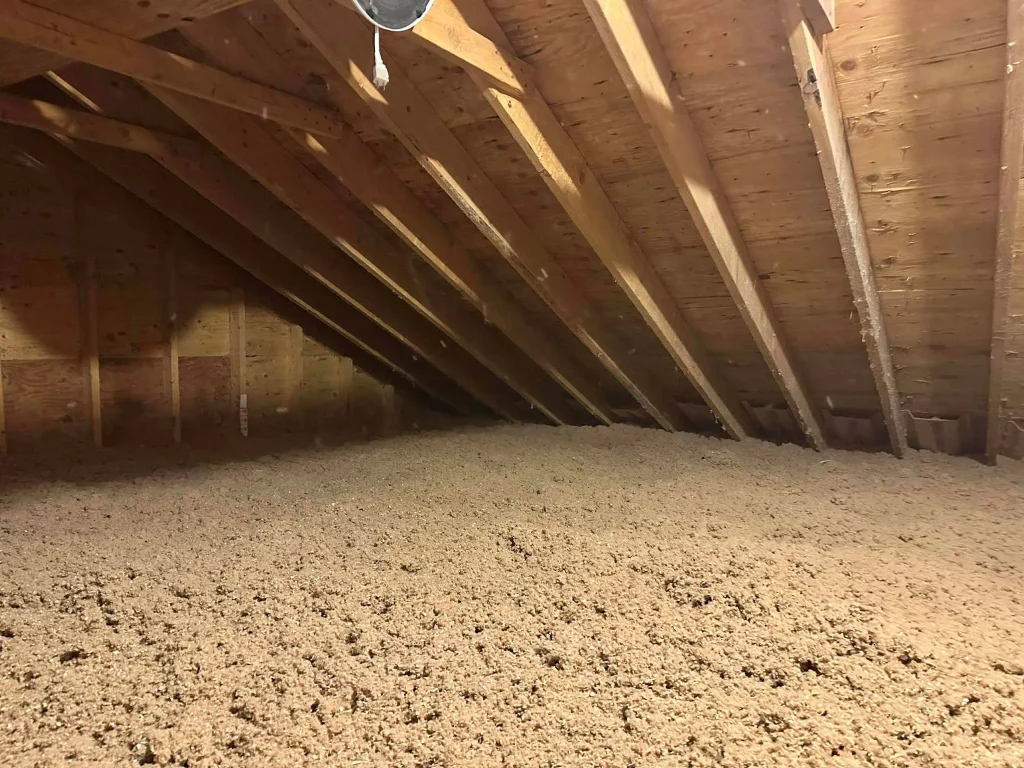
Blown-in insulation provides substantial protection against roof leaks when properly specified and installed for local conditions. The material’s ability to fill gaps and create continuous thermal barriers makes it especially valuable in Millbury’s challenging climate. Success depends on addressing the entire roof system, including ventilation, air sealing, and vapor barriers—rather than treating insulation as an isolated solution.
For property owners in Millbury considering blown-in insulation to prevent roof leaks, a professional evaluation helps determine the right approach for your specific situation. Lamothe Insulation provides comprehensive assessments, including moisture testing, air sealing identification, and insulation recommendations tailored to local climate conditions. Contact us at [email protected] or call (508) 847-0119 to schedule an inspection of your current insulation and roof system.
Most roofing manufacturers require proper ventilation and insulation to maintain warranty coverage. Incorrect installation that leads to moisture damage can void warranties.
Proper insulation combined with adequate ventilation prevents ice dams by keeping the roof surfaces uniformly cold. When the entire roof stays at outdoor temperature, snow melts evenly without creating refreeze zones at the eaves.
Annual inspections before winter help identify settling, moisture intrusion, or pest damage. Professional evaluations every 3-5 years can catch developing issues before they cause significant damage.