Insulation Thickness and Density: How They Affect Noise Reduction
The effectiveness of insulation for noise reduction depends primarily on two physical properties: thickness and density. Thicker insulation blocks more…

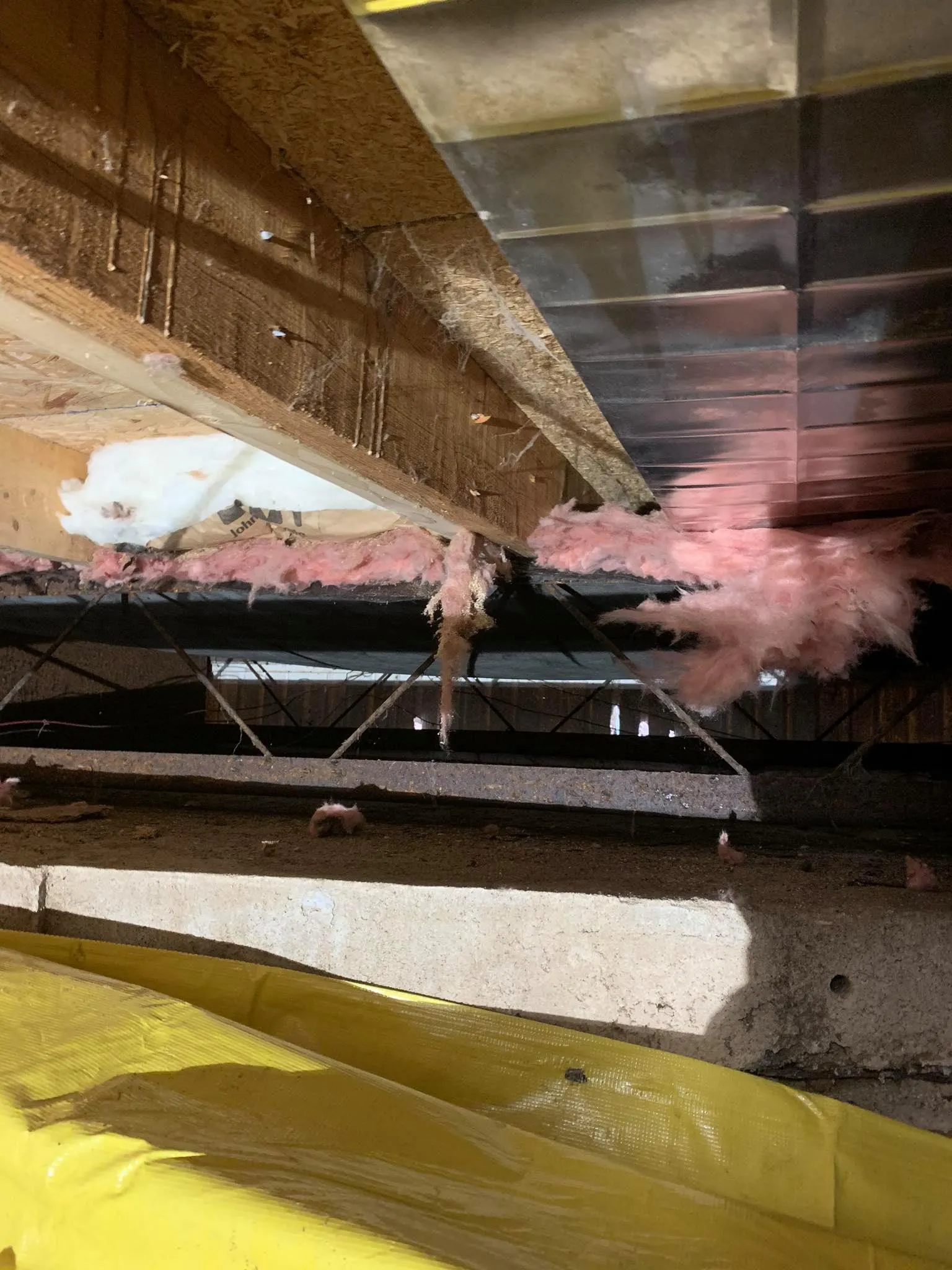
Professional insulation removal is safer than DIY methods because specialized equipment contains hazardous fibers and particles, whereas standard shop vacuums and household tools often recirculate these contaminants throughout the living space. Disturbing old insulation releases a concentrated mix of dust, rodent droppings, and potentially asbestos fibers into the air, creating immediate respiratory hazards and long-term health risks. Lamothe Insulation emphasizes that without industrial-grade containment bags and high-suction filtration systems, a homeowner cannot effectively isolate the work area from the rest of the house. This guide explains the specific technical and safety reasons why expert intervention is necessary for insulation removal.
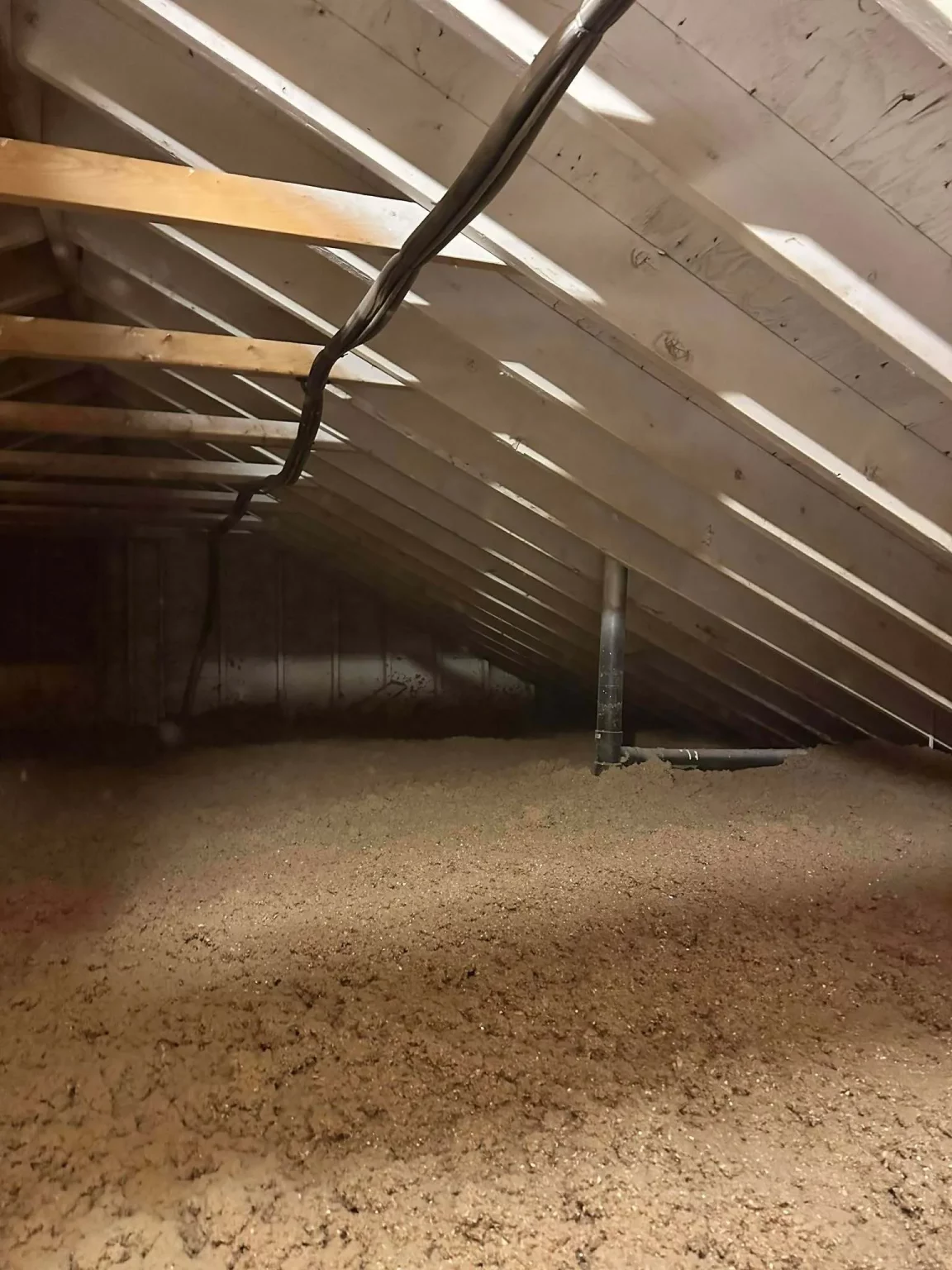
Old insulation acts as a sponge for decades of household debris, pest waste, and moisture. Fiberglass insulation poses obvious risks with tiny glass shards that irritate skin and lungs, but the real danger often lies in what has settled on top of or within the material.
Rodents frequently nest in attic insulation. According to the Centers for Disease Control and Prevention, rodents can spread Hantavirus Pulmonary Syndrome, a severe respiratory disease transmitted through virus particles in rodent urine and droppings. Sweeping or vacuuming insulation with a standard machine stirs up these particles, making them easier to inhale. Once airborne, these contaminants can travel through HVAC systems or settle in living areas below, exposing the entire household to pathogens.
Homes built before the 1990s may contain vermiculite insulation, specifically the Zonolite brand mined from Libby, Montana. The Environmental Protection Agency warns that this insulation often contains traces of asbestos. Asbestos fibers are microscopic and, when disturbed, can lodge in the lungs permanently, causing serious diseases years later.
A major issue with vermiculite is that it is impossible to identify asbestos presence through a visual inspection. Homeowners often assume their insulation is safe because it looks like standard gravel, yet disturbing it without proper testing creates a toxic environment. Professionals test materials before removal to determine whether they contain asbestos. If found, the removal process changes entirely to meet strict abatement regulations that a homeowner cannot legally or safely perform alone.
The primary barrier to safe DIY removal is the equipment. A homeowner relies on a standard shop vac or garbage bags. These tools are not designed to handle the volume or the fineness of insulation particles.
Standard shop vacuums exhaust air directly back into the room. Even with a HEPA filter attachment, many consumer-grade vacuums do not seal perfectly, allowing fine particulate matter to bypass the filter and blow back into the space. This defeats the purpose of removal by simply moving dust from the floor to the air.
Professional removal teams use high-volume vacuum systems mounted outside the home. A large hose feeds the machine, sucking up insulation and depositing it directly into a sealed disposal bag. This process creates negative pressure in the attic, which prevents dust from escaping into the house. Without this negative pressure, every movement a homeowner makes sends insulation fibers into cracks around light fixtures and attic hatches.
| Feature | DIY Approach | Professional Approach |
|---|---|---|
| Containment | Plastic sheets over floors; dust often escapes | Full containment barriers; negative pressure setup |
| Respiratory Protection | Basic N95 mask (often insufficient) | Full-face respirators with P100 filters |
| Disposal | Regular trash bags (risk of tearing) | Commercial-grade polypropylene bags |
| Vacuum System | Shop vac (exhausts air inside) | Industrial truck-mounted or portable vacuums (exhausts outside) |
| Cleanup Speed | Several days or weeks | Typically completed in one day |
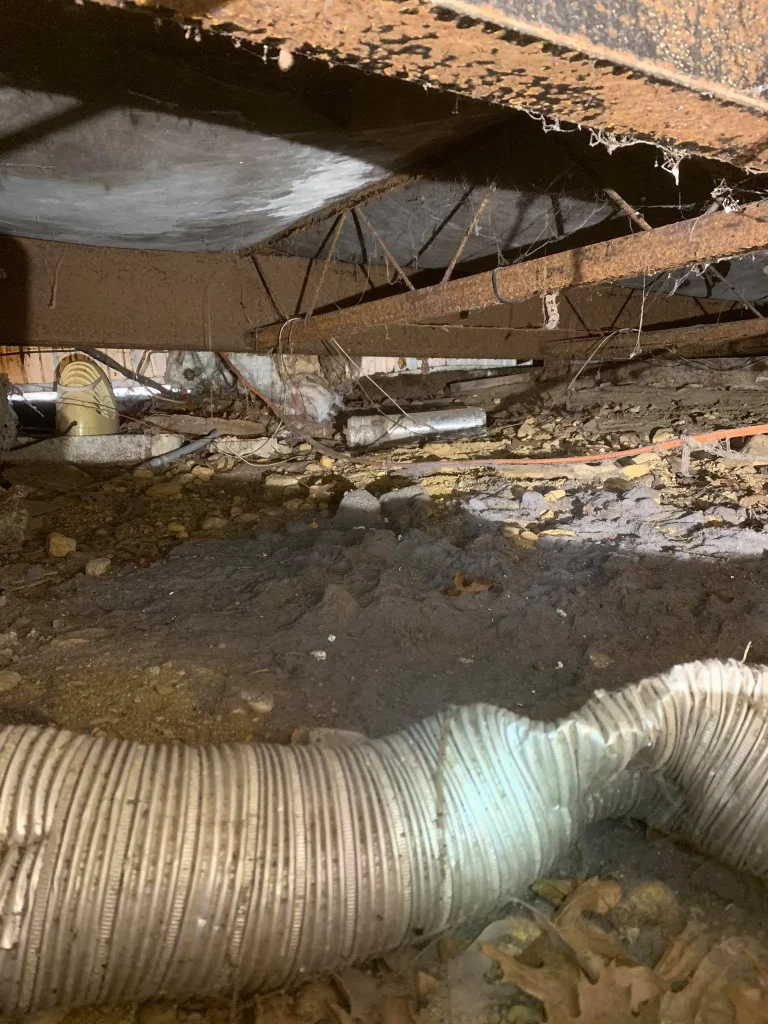
Attics present physical hazards beyond insulation dust. The structure of an attic is designed to support the ceiling above, not the weight of a person walking around. Step joists and truss chords are narrow. One misstep can result in a foot going through the drywall ceiling or, worse, a fall from height.
Insulation installation hides electrical hazards. Over the years, electricians may have run new wires across the top of the insulation or through it. Old knob-and-tube wiring, which is common in older homes, can be live and dangerous. A metal shovel or a vacuum hose hitting exposed wiring creates a significant shock risk. Professionals know how to identify and avoid these hazards. They work in teams where one person manages the hose while the other watches for structural and electrical dangers.
The home improvement sector has seen massive growth, leading to more homeowners attempting complex projects themselves. According to the Harvard Joint Center for Housing Studies, spending on home improvements and repairs reached over $485 billion in 2023. While this indicates a strong interest in maintaining homes, it also correlates with rising injury rates from DIY projects.
Emergency rooms frequently treat patients for falls, lacerations, and eye injuries related to attic work. Fiberglass in the eyes is a painful injury that often requires medical attention to remove properly. The cost of medical treatment usually exceeds the savings gained by doing the job personally.
Before deciding between professional help and a DIY approach, consider the age of the home and the type of insulation present. Homes built before 1980 require extra caution due to asbestos risks. Also, assess the current health of the household. Individuals with asthma, compromised immune systems, or respiratory issues should never be in a home where insulation is being disturbed.
Consider the scope of the project. A small area of water damage might be manageable, but a full attic removal is a major undertaking. Finally, think about disposal. Landfills have specific regulations for accepting construction materials. Loose insulation is difficult to transport in a personal vehicle without it spilling or blowing out during transit.
Test Before You Touch Always test for asbestos before starting any work on insulation installed before 1990. A professional lab test is inexpensive compared to the cost of abatement if you accidentally contaminate the home.
Seal the Gaps If you must access the attic for any reason, ensure the attic hatch is weather-stripped and seals tightly. This prevents conditioned air from escaping and stops attic dust from falling into the hallway below.
Check for Air Leaks Before adding new insulation, seal around recessed lights, plumbing stacks, and electrical wires penetrating the attic floor. Insulation does not stop air movement; it only slows heat transfer. Sealing these gaps first maximizes the performance of the new insulation.
The safety difference between professional and DIY insulation removal comes down to containment and hazard management. Homeowners lack the industrial vacuum systems and personal protective equipment needed to handle fine particulates, asbestos, and rodent waste safely. Disturbing these materials without proper controls spreads contaminants throughout the home, posing long-term health risks to occupants. Evaluating the age of the house, the material type, and the potential for hidden hazards helps determine that professional removal is the responsible choice for protecting both the property and the people living inside.
Lamothe Insulation can help homeowners assess their insulation needs safely. Our team provides expert removal services to ensure a clean and healthy home environment. Contact Lamothe Insulation at [email protected] or call (508) 847-0119 to schedule a consultation or get answers to specific project questions.
Professional removal is designed to be clean. By using negative pressure and sealing off the attic opening, dust stays contained. DIY removal almost always results in fine dust settling throughout the home because containment barriers are rarely adequate.
Most standard residential attic removals take one day. A professional crew can remove thousands of square feet of insulation in hours due to the high power of their equipment. A DIY project often stretches over weekends due to the physical limitations of bagging material by hand.
Professionals haul the insulation away to approved disposal facilities. The material is bagged in heavy-duty containers designed to prevent tearing during transport. Homeowners often struggle with finding a dump that accepts loose insulation and may face higher fees for small loads.
Insulation loses effectiveness when it gets wet or settles. Moisture destroys the air pockets in fiberglass that provide thermal resistance. Also, heavy compression from storage boxes or walking on it reduces its R-value. Removal is often necessary to restore the cavity to its full depth for new material.
Fiberglass and cellulose are treated with fire retardants, but they can become hazardous if they accumulate around electrical fixtures or can lights. Old dust and debris build-up can be combustible. Removing the old material provides a clean slate to ensure proper clearance around heat sources.