Insulation Thickness and Density: How They Affect Noise Reduction
The effectiveness of insulation for noise reduction depends primarily on two physical properties: thickness and density. Thicker insulation blocks more…

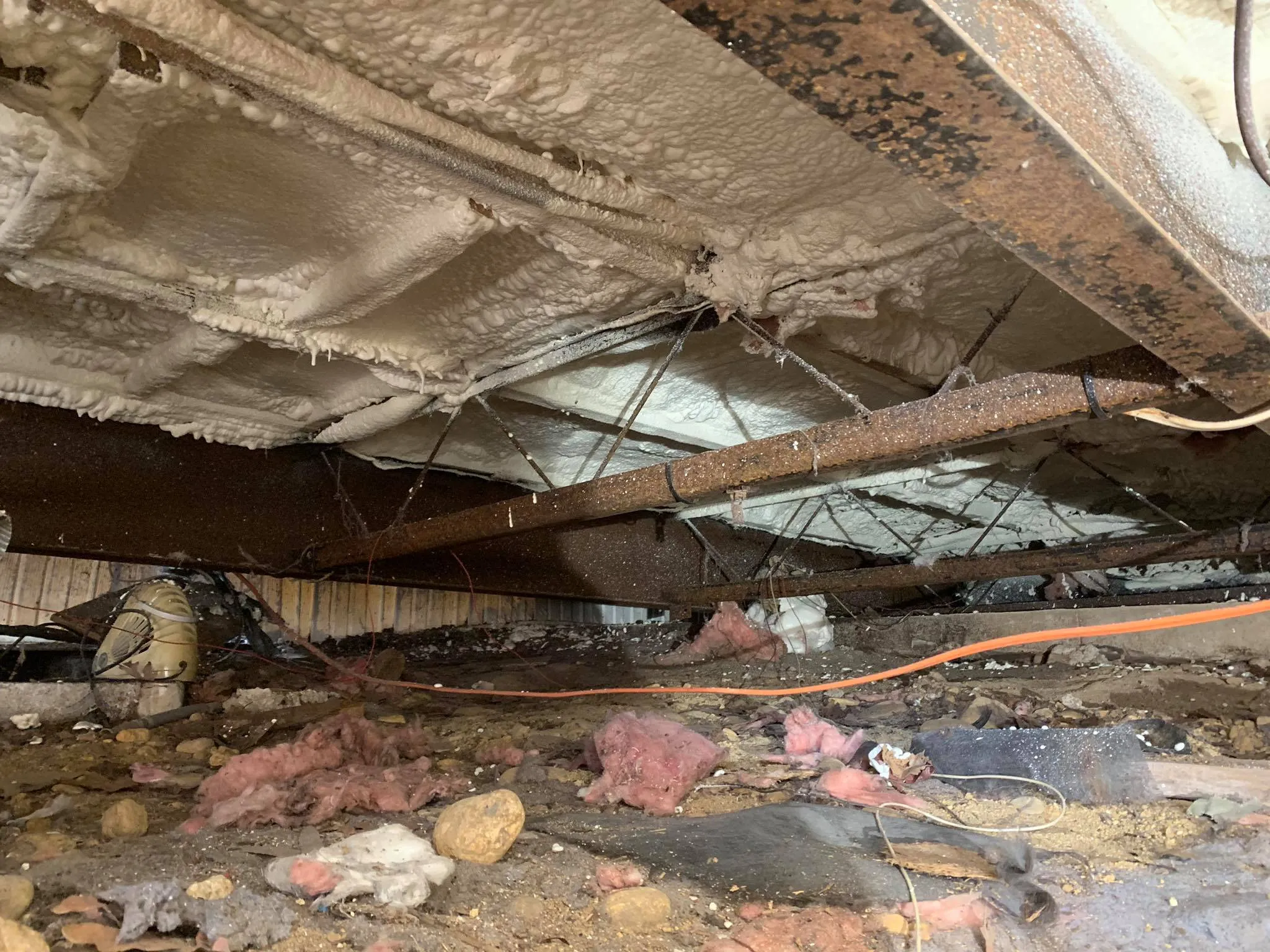
Removing old insulation significantly improves indoor air quality by eliminating long-term reservoirs of dust, mold spores, and pest debris that accumulate over decades. As insulation ages, it loses its ability to resist air movement and begins to trap biological contaminants. These trapped particles circulate through living spaces every time the HVAC system runs. Removing the old material breaks this cycle of pollution and creates a clean slate for modern, high-performance materials.
Homeowners looking to upgrade their homes in 2026 should prioritize air quality as much as energy efficiency. Lamothe Insulation and Contracting has observed that houses with insulation over twenty years old often contain hidden allergens that affect respiratory health. Addressing this issue creates a healthier environment and prepares the home for future efficiency standards.
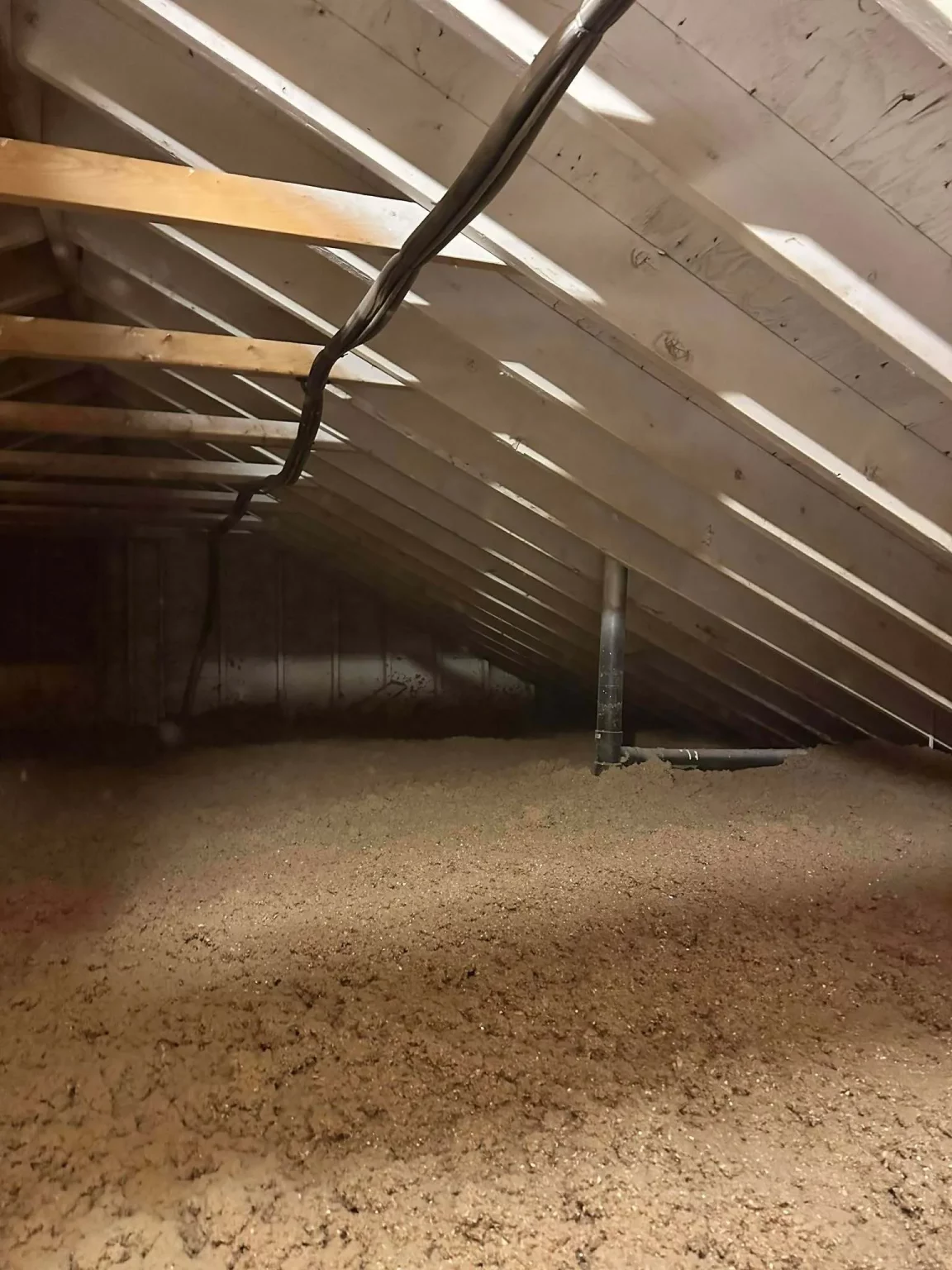
Insulation does not last forever. Materials like fiberglass and cellulose settle and degrade over time. When they settle, they leave gaps at the top of the walls and rafters. These gaps allow unfiltered air from the attic or crawlspace to enter the home.
Old insulation acts like a sponge for moisture. Roof leaks or condensation from high humidity can soak into the material. Wet insulation is a breeding ground for mold. Once mold grows, it releases spores into the air. These spores can trigger asthma attacks and allergic reactions. According to the Environmental Protection Agency, biological contaminants like mold and dust mites are a major contributor to poor indoor air quality and can cause serious health issues.
Pests are another major problem. Rodents and insects often tunnel through loose-fill insulation to nest. They leave behind droppings, urine, and decaying bodies. These waste products dry out and turn into dust. This dust then floats through the home. Removing the contaminated insulation is the only way to eliminate these health hazards fully.
Dirty insulation forces heating and cooling systems to work harder. When ductwork runs through attics or crawlspaces filled with debris, the system can pull that dirty air into the living space. This happens through leaks in the ductwork. Even small leaks can draw in a significant amount of dust and allergens.
Removing old insulation allows for a thorough inspection of the ductwork. Professionals can seal leaks before adding new material. This ensures the air flowing through the vents is clean. A report from Grand View Research indicates that the insulation market is growing rapidly due to increased awareness of energy efficiency and indoor environmental quality. Homeowners are realizing that clean insulation is a key part of a healthy home system.
The difference in air quality after an insulation upgrade is measurable. Homeowners often notice a reduction in dust accumulation on surfaces and fewer musty odors. The table below outlines the typical changes found in a home renovation project.
| Factor | Condition Before Removal | Condition After Removal |
|---|---|---|
| Particulate Matter | High levels of dust and debris are circulating from the attic | Drastic reduction in airborne dust particles |
| Moisture Control | Wet or damp insulation retaining water against wood | Dry materials prevent mold growth |
| Pest Activity | Evidence of nesting and droppings within the insulation | Clean space free of food sources for pests |
| Odor | Musty or urine-like smells are noticeable in living areas | Neutral, clean air smells throughout the home |
| Air Sealing | Gaps around framing allow drafts and pollutants | Sealed envelope preventing uncontrolled air flow |
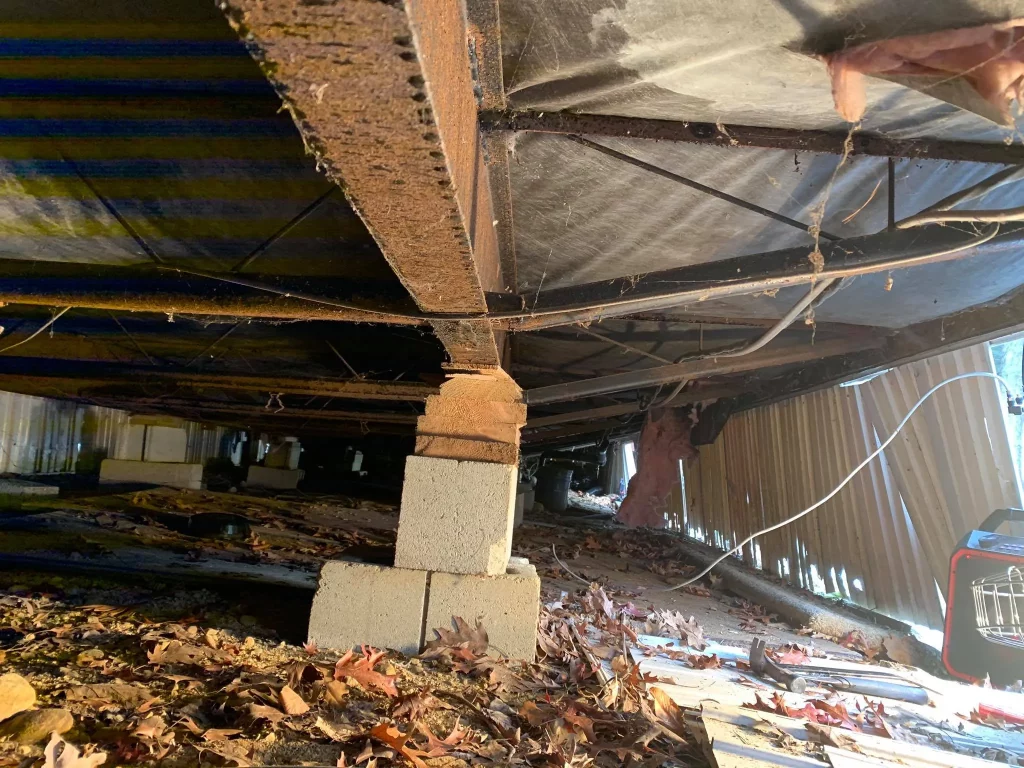
The climate in New England presents specific challenges for insulation. The area code 508 region experiences cold, snowy winters and humid summers. This cycle causes the attic materials to expand and contract. This movement creates gaps. It also leads to ice dams in winter, which can force water back under the shingles and soak the insulation.
Lamothe Insulation often finds that older homes in this region lack proper ventilation. Without ventilation, moisture gets trapped in the insulation. Removing the old batts or blown-in material provides an opportunity to install baffles and intake vents. Proper ventilation works hand-in-hand with new insulation to keep the home dry and the air clean.
The demand for healthier homes is changing the construction industry. Builders and remodelers are moving away from materials that off-gas chemicals. They are choosing options that are formaldehyde-free and mold-resistant.
Data from the U.S. Department of Energy shows that proper air sealing and insulation can save homeowners up to 15% on heating and cooling costs. This financial incentive, combined with health benefits, is driving a wave of upgrades in older housing stock. In 2026, the focus is shifting toward whole-home performance, where indoor air quality is as important as R-value.
Removing insulation is a significant project. Homeowners should evaluate several factors before starting.
Bonus Tip: Always check for recessed lighting cans before insulating. Older “can” lights can get very hot and require a specific clearance to prevent fire hazards. Removing old insulation ensures these safety barriers are installed correctly.
Bonus Tip: Consider air sealing the rim joists in the basement or crawlspace at the same time. This area is a major source of cold air drafts and moisture entry.
Maintaining good air quality requires more than just insulation. Homeowners should consider a whole-house approach.
Improving indoor air quality starts with the building envelope. Old, dirty insulation undermines every other effort to keep a home clean and healthy. By removing these outdated materials, homeowners eliminate the source of persistent allergies and moisture problems. This investment pays off in lower energy bills and a healthier living environment.
Every home is different. Owners should evaluate their specific situation, consider the age of their insulation, and look for signs of pests or moisture. Taking action in 2026 sets the foundation for a comfortable and healthy home for decades to come.
Assessing the condition of insulation installation requires a trained eye. Lamothe Insulation can provide a detailed evaluation of your attic and crawlspace. Contact us to discuss removal options and improve your home’s air quality. Reach out via email at [email protected] or call (508) 847-0119 to schedule a consultation.
Most standard residential attics take one day to clear. Larger homes or those with difficult access might take two days.
It is not recommended if the old layer is wet, moldy, or contains animal waste. Covering it up locks the contaminants inside the home.
Blown-in insulation covers the floor more evenly and fills small gaps better than batts. This reduces air movement and limits the travel of allergens.
Some vermiculite insulation from the 1970s and 1980s may contain asbestos. It is vital to have a professional test the material before disturbing it.
Yes. Removing old, ineffective insulation and replacing it with fresh material prevents attic heat from radiating into the living room. This reduces the load on the air conditioner.