Insulation Thickness and Density: How They Affect Noise Reduction
The effectiveness of insulation for noise reduction depends primarily on two physical properties: thickness and density. Thicker insulation blocks more…

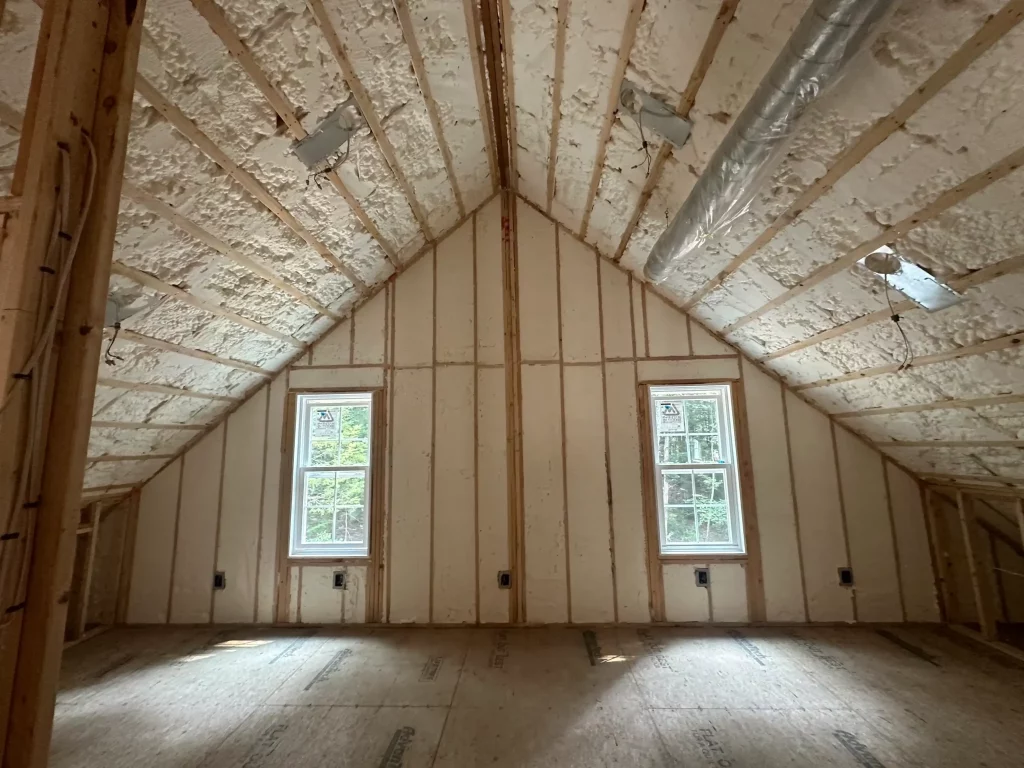
Spray foam insulation provides superior thermal performance and air sealing for attics compared to traditional insulation materials. It works by expanding to fill gaps and cracks, creating a continuous barrier that prevents heat transfer and air leakage. While the upfront cost is higher than fiberglass or cellulose, spray foam can reduce energy bills by up to 50% and eliminates common problems like ice dams and moisture issues. This guide covers everything you need to make an informed decision about spray foam insulation for your attic.
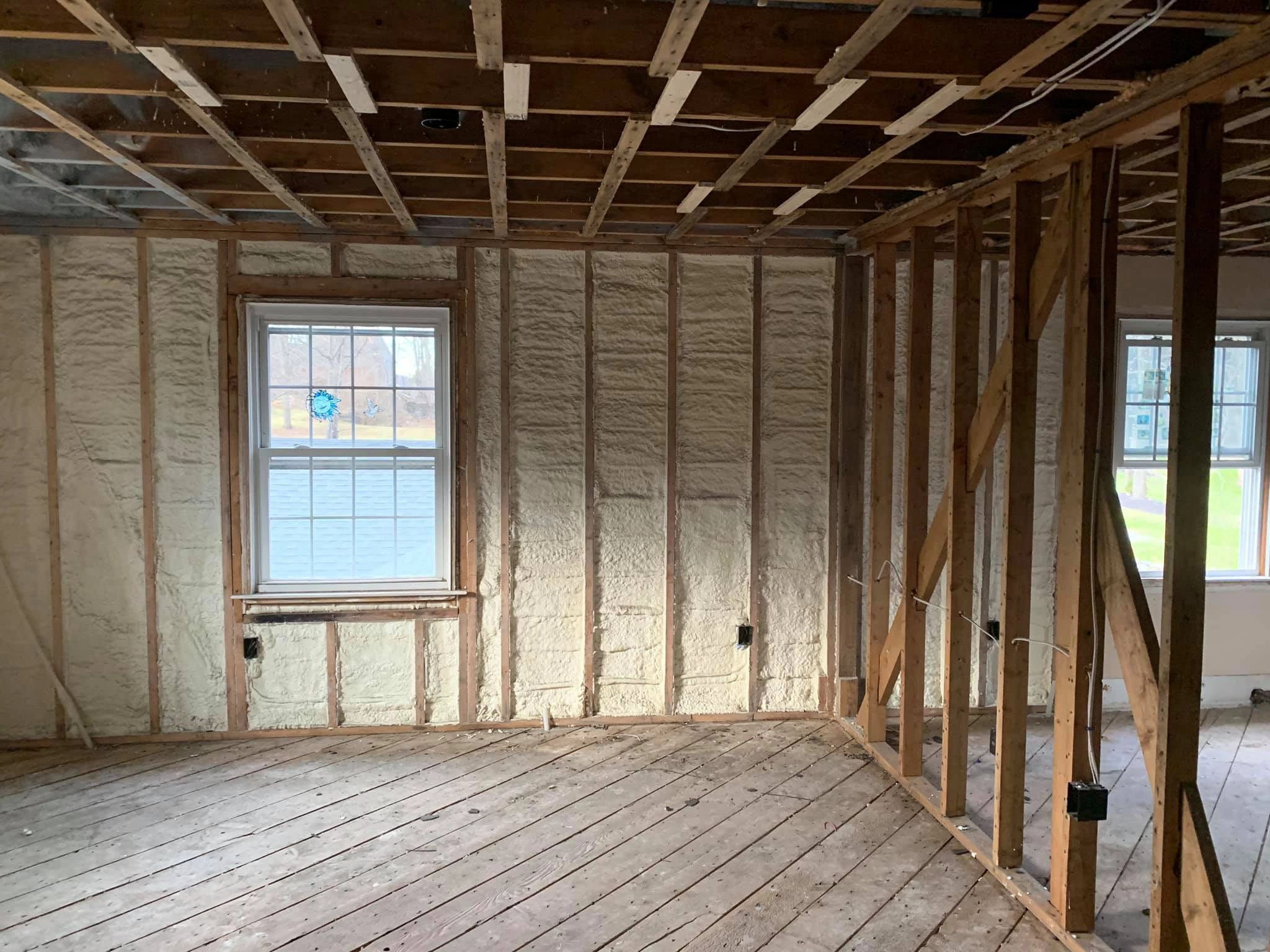
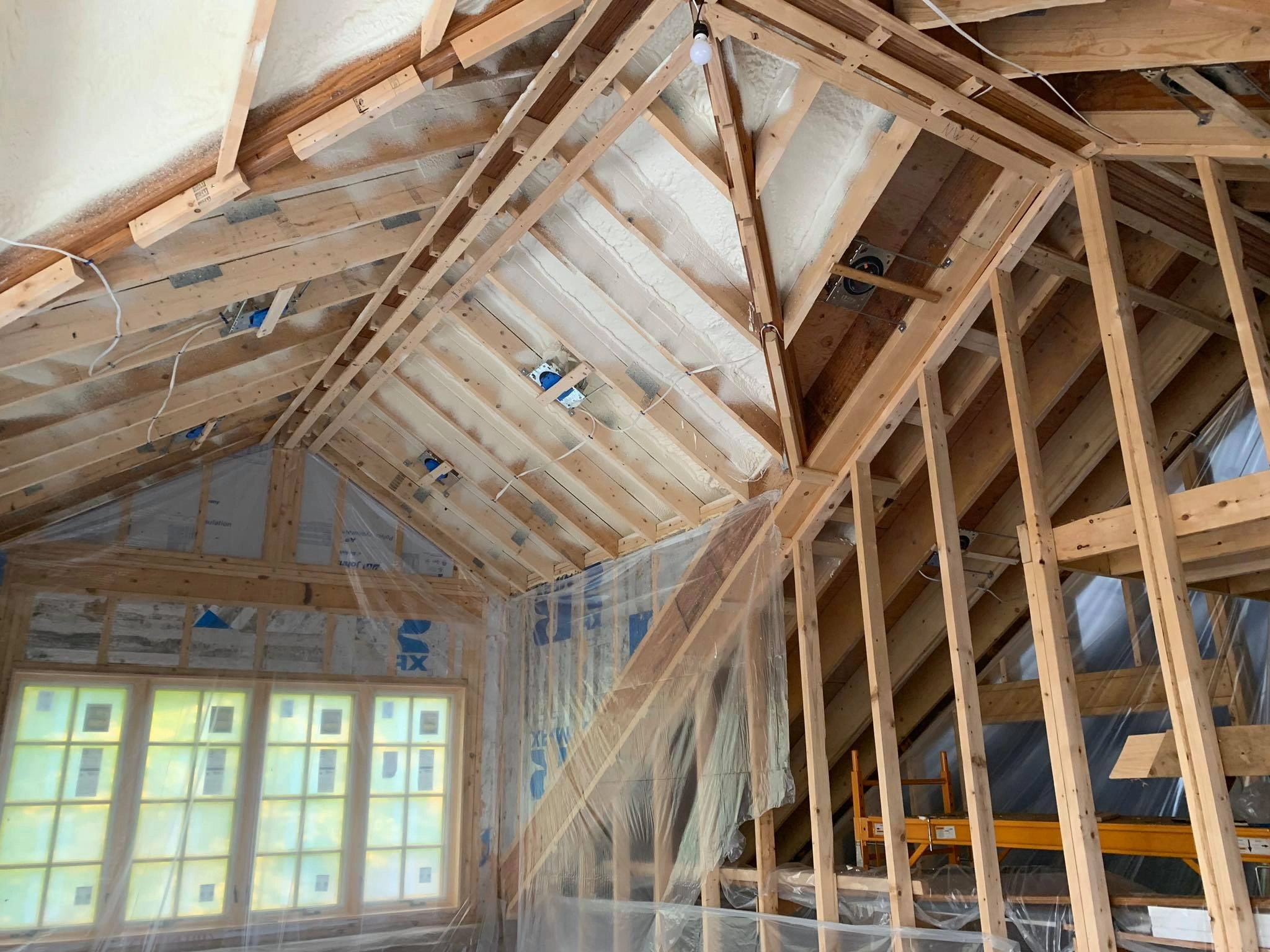
Spray foam insulation is a two-part liquid that mixes and expands on contact, forming a cellular plastic material. The expansion allows it to fill every crack, crevice, and void in your attic space, which traditional insulation materials cannot achieve. This air-sealing property is what sets spray foam apart – it doesn’t just slow heat transfer like other insulations; it actually stops air movement completely. The foam comes in two main varieties: open-cell and closed-cell, each with distinct properties suited for different applications.
The installation process requires specialized equipment and trained technicians. The chemicals are heated and pumped through hoses to a spray gun, where they mix at high pressure and expand rapidly. Professional installers must wear protective equipment due to the chemical nature of the product and the fumes produced during application. The foam cures within minutes but takes 24-48 hours to fully off-gas before attic spaces can be safely accessed.
The two types of spray foam serve different purposes and have significantly different costs and performance characteristics. Understanding these differences helps determine which option best suits your attic insulation needs.
| Feature | Open-Cell Foam | Closed-Cell Foam |
|---|---|---|
| R-Value per inch | 3.5-3.8 | 6.0-7.0 |
| Expansion rate | 100x original volume | 30-40x original volume |
| Vapor barrier | Semi-permeable | Complete vapor barrier |
| Best application | Interior walls, attics | Foundations, metal buildings |
| Weight | Very light | Dense and heavy |
Open-cell foam is softer and more flexible, allowing it to expand significantly more than closed-cell varieties. It’s more affordable and provides excellent sound insulation, making it ideal for interior applications in homes. Closed-cell foam is denser, provides a higher R-value per inch, and acts as a complete moisture barrier. The higher cost of closed-cell foam often makes sense for crawl spaces, basements, and areas where moisture control is critical.
The primary advantage of spray foam insulation is its superior air sealing capability. According to the U.S. Department of Energy, air sealing through insulation upgrades can save homeowners up to 15% on heating and cooling costs. Spray foam also eliminates the need for separate air barrier systems since it performs both functions simultaneously. Other benefits include resistance to mold growth, improved structural rigidity in closed-cell applications, and a longer lifespan than traditional insulation materials.
However, spray foam installation presents challenges. The high initial investment can be 2-3 times more expensive than fiberglass insulation. Installation requires professional expertise – DIY attempts often result in poor performance and potential health hazards from improper mixing or application. The chemicals used during installation can irritate the eyes, skin, and respiratory system. Some homeowners report sensitivity to spray foam off-gassing, though most products are certified low-VOC and safe after proper curing.
For homes in mixed climates like New England, a hybrid approach often works best: use closed-cell foam in the first 2 inches for air sealing and moisture control, then top with open-cell or conventional insulation to reach recommended R-values while controlling costs.
Proper attic preparation significantly impacts spray foam performance. The attic must be completely clean and dry before insulation installation. Any existing moisture problems, roof leaks, or ventilation issues must be addressed first – spray foam will trap moisture if applied to damp surfaces. The attic structure needs evaluation too; the added weight of closed-cell foam may require reinforcement in older homes Insulation Institute.
Building codes vary by region and often have specific requirements for spray foam installation. Most areas require foam to be covered by a thermal barrier like drywall, especially in living spaces. Local regulations might dictate which types of foam are approved for attic applications. Check with your local building department before proceeding.
Consider your HVAC equipment placement. If your air handler or ductwork is in the attic, spray foam insulation might allow you to convert the space to a conditioned area, improving equipment efficiency and longevity. However, this requires additional planning for proper ventilation and moisture control.
Regional climate plays a crucial role in determining the best spray foam approach for your attic. In cold climates like the Northeast, preventing ice dams becomes a primary concern. Properly installed spray foam eliminates the warm air leaks that cause ice dams by maintaining consistent roof deck temperatures. According to Building Science Corporation, unvented attics with spray foam insulation outperform traditional ventilated attics in cold climates when installed correctly.
Hot and humid climates present different challenges. Here, moisture control becomes critical, making closed-cell foam the preferred choice for many applications. The complete vapor-barrier properties of closed-cell foam prevent humid outdoor air from reaching cooler interior surfaces, where condensation could occur. However, proper HVAC system sizing and dehumidification capacity must be evaluated when converting ventilated attics to unvented, conditioned spaces.
Spray foam insulation offers significant advantages for attics when installed correctly, but it’s not the right solution for every situation. The decision depends on your climate, home construction, budget, and long-term plans. Consider consulting with an insulation professional who can evaluate your specific circumstances and provide detailed recommendations. Remember that proper installation is just as important as the product choice – poor installation can negate all the benefits of this advanced insulation technology.
Before making a final decision, evaluate your home’s current energy performance, existing insulation, and any moisture issues. Spray foam works best as part of a comprehensive approach to home energy efficiency that includes proper air sealing, HVAC optimization, and moisture management.
For homeowners considering spray foam insulation for their attics, professional consultation is essential. Lamothe Insulation provides detailed assessments and recommendations based on your specific home and climate conditions. Contact us at [email protected] or call (508) 847-0119 to schedule an evaluation. Their experience with local building requirements and climate challenges ensures your insulation project meets all standards for performance and safety.
For homeowners planning to stay in their homes 5+ years, spray foam typically pays for itself through energy savings. The high initial cost is offset by lower heating and cooling bills, reduced ice-dam problems, and improved home comfort. Homes with spray foam insulation also command higher resale values in many markets.
For open-cell foam, most attics require 8-10 inches to achieve recommended R-values of R-30 to R-38. Closed-cell foam needs only 4-6 inches due to its higher R-value per inch. Local building codes specify minimum requirements based on your climate zone – check with your local building department for exact specifications.
Professional installation is strongly recommended. DIY spray foam kits exist, but typically produce inferior results and can create health hazards. Proper installation requires specialized equipment, training, and safety precautions. Many manufacturers void warranties for DIY installations.
No – spray foam creates an unvented attic assembly. Traditional vented attics rely on air movement to prevent moisture problems, but spray foam eliminates air leakage and moisture transport through the ceiling. This approach actually performs better in many climates and simplifies roof design.