Spray Foam vs Traditional Insulation: Which One Lasts Longer?
admin_lamotheinsulation
March 30th, 2026
Closed-cell spray foam insulation outlasts all traditional insulation types, maintaining peak performance for 80 to 100+ years without degradation. Traditional options like fiberglass can last 80-100 years but lose effectiveness through settling and compression, while cellulose typically degrades within 20-30 years due to moisture absorption and compaction.
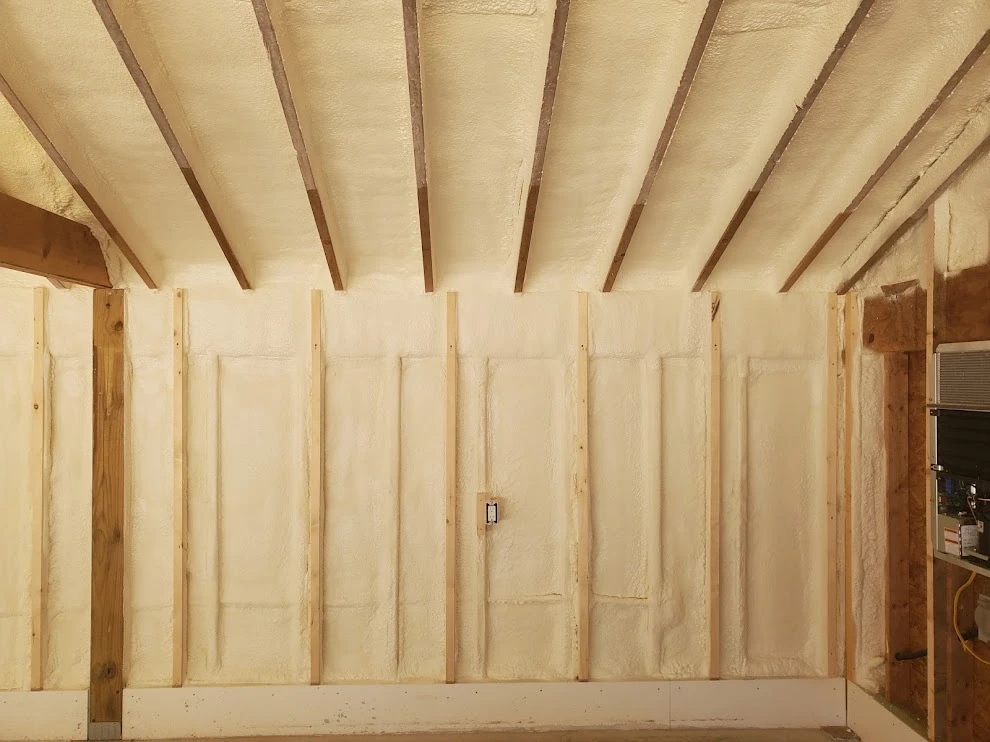
Spray foam creates an airtight, monolithic barrier that bonds directly to surfaces, preventing the sagging, shifting, and thermal bridging common with batt and loose-fill materials. This structural stability means spray foam continues performing at its installed R-value decade after decade, whereas traditional insulation often loses 20-50% of its thermal resistance within the first 10-15 years due to gaps, settling, and moisture damage.
While both options can technically “last” the lifetime of a building, spray foam maintains consistent energy efficiency without replacement or supplementation. Traditional insulation frequently requires remediation, additional layering, or complete replacement to maintain adequate thermal performance over time.
TLDR / Key Takeaways
Spray foam lifespan: 80-100+ years with no performance degradation when properly installed Source: BuildLabs
Fiberglass lifespan: 80-100 years theoretically, but R-value drops 20-50% within 10-15 years due to settling and gaps
Cellulose lifespan: 20-30 years before significant compaction and moisture damage reduce effectiveness
Closed-cell foam: Superior longevity compared to open-cell due to denser structure and moisture resistance
Cost per decade: Spray foam costs more upfront but requires zero replacement costs; traditional insulation often needs 2-3 replacements over a building’s lifetime
Best for longevity: Closed-cell spray foam in climates with temperature extremes or high humidity
Maintenance factor: Spray foam is maintenance-free; traditional insulation requires periodic inspection and remediation
Understanding Insulation Lifespan: What “Lasts Longer” Actually Means
When contractors discuss insulation longevity, we need to distinguish between physical existence and functional performance. A material can remain in your walls for decades while failing to provide adequate thermal protection.
How Spray Foam Maintains Performance Over Time
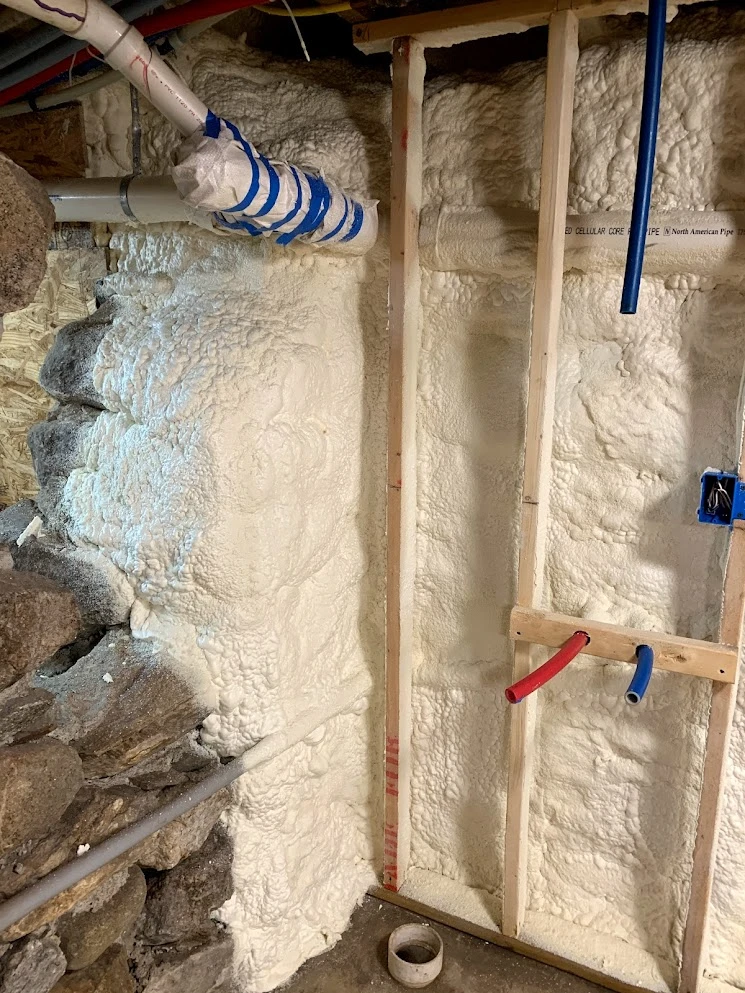
Spray foam insulation creates a chemical bond with framing and sheathing, expanding to fill every crack and cavity. Once cured, it becomes a rigid, dimensionally stable material that:
Resists compression and settling
Maintains consistent R-value throughout its lifespan
Prevents air infiltration that causes thermal bridging
Does not absorb moisture or support mold growth
Both closed-cell and open-cell spray foam last 80-100 years, with closed-cell variants offering slightly superior durability due to their denser structure and lower moisture permeability.
Why Traditional Insulation Degrades Faster
Traditional insulation materials face inherent structural limitations:
Fiberglass Batts
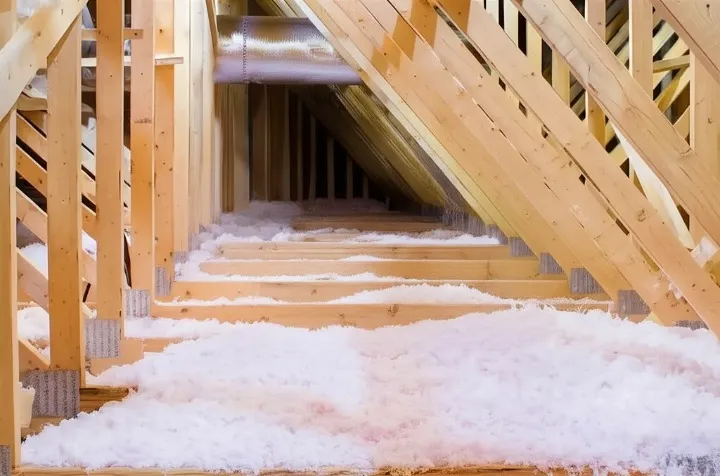
Compresses when disturbed or exposed to moisture
Creates gaps around irregular framing over time
Loses R-value when wet (and often never fully recovers)
Attracts dust and debris, that reduce effectiveness
Cellulose (Loose-Fill)
Settles 20-25% within the first few years
Absorbs moisture, leading to compaction and mold
Requires re-blowing every 10-15 years to maintain coverage
Attracts pests that can compromise thermal barriers
Mineral Wool
Similar settling issues to cellulose
Heavy weight can cause sagging in ceiling applications
Moisture absorption reduces performance
Longevity Comparison Table
Insulation Type
Rated Lifespan
Real-World Performance
Maintenance Required
Closed-Cell Spray Foam
100+ years
Maintains R-value consistently
None
Open-Cell Spray Foam
80-100 years
Minor R-value reduction possible
Minimal
Fiberglass Batts
80-100 years
20-50% R-value loss within 15 years
Inspection every 10 years
Cellulose
20-30 years
Significant settling after 5-10 years
Re-blowing every 10-15 years
Mineral Wool
50+ years
Moderate settling in ceilings
Inspection every 15 years
Visual Suggestion: Line graph showing R-value retention over 50 years. X-axis: Years 0-50. Y-axis: Percentage of original R-value. Spray foam maintains 95-100%, fiberglass drops to 60-75% by year 15, and cellulose drops to 50% by year 10.
Real-World Contractor Scenarios
Scenario
Property Type
Recommended Option
Longevity Advantage
New construction custom home (30+ year ownership)
Single-family residence
Closed-cell spray foam
One installation, lifetime performance
Multi-family rental renovation
4-plex apartment building
Closed-cell spray foam
No tenant disruption for 80+ years
Fiberglass retrofit replacement
1970s colonial
Spray foam removal/replacement
Eliminates recurring replacement cycles
Commercial warehouse with high humidity
Industrial facility
Closed-cell spray foam
Moisture resistance prevents degradation
Quick flip investment property
Condo conversion
High-density fiberglass
Lower upfront cost, acceptable for short-term
Critical Factors That Determine Actual Lifespan
Installation Quality
Spray foam requires professional application with proper temperature, humidity control, and thickness monitoring. Poor installation creates voids that compromise the entire system. Traditional insulation is more forgiving of DIY errors but still suffers from compression and gaps when improperly installed.
Moisture Exposure
Closed-cell spray foam is virtually impervious to moisture, maintaining performance even in damp crawl spaces. Spray foam’s moisture resistance prevents the degradation cycles that destroy traditional materials.
Fiberglass loses up to 40% of its R-value when wet and may never fully recover. Cellulose compacts and promotes mold growth when exposed to humidity.
Building Movement
As structures settle and shift over decades, rigid spray foam maintains its seal. Batts and loose-fill materials create gaps at framing connections, reducing thermal performance by 15-30% over time.
Air Infiltration
Spray foam’s air-sealing properties remain constant throughout its lifespan. Traditional insulation allows increasing air leakage as materials settle and gaps form, effectively reducing the “real-world” R-value significantly below rated specifications.
Who Should Choose Spray Foam for Longevity
Ideal for:
Property owners planning 15+ year ownership
Buildings in extreme climate zones (very hot summers or cold winters)
Structures with moisture concerns (crawl spaces, basements)
Commercial properties where disruption is costly
Net-zero or high-performance building goals
NOT recommended for:
Short-term flips (3-5 year ownership)
Properties with severely compromised structural integrity
Buildings requiring frequent electrical/plumbing access in walls
Projects with extreme budget constraints (though financing often offsets this)
Ready to Invest in Insulation That Outlasts Your Mortgage?
The difference between spray foam and traditional insulation isn’t just about the next few years, it’s about decades of energy savings, comfort, and zero replacement costs. At Lamothe Insulation, we specialize in closed-cell spray foam installations that protect your buildings for generations.
Don’t settle for insulation you’ll need to replace twice. Contact our team for a comprehensive energy audit and discover how spray foam can eliminate your long-term insulation headaches.
Email us at [email protected] or call (508) 847-0119 to speak with our insulation specialists. We’ll assess your property, explain your options, and provide a detailed quote with ROI projections.
Frequently Asked Questions
How long does spray foam insulation actually last in real-world conditions?
When professionally installed, spray foam insulation lasts 80 to 100+ years without losing R-value or requiring maintenance. Unlike traditional materials, it doesn’t settle, compress, or absorb moisture, meaning the performance you get on day one remains consistent for decades.
Will I really need to replace fiberglass or cellulose insulation?
Cellulose typically requires re-blowing or replacement every 20-30 years due to settling and moisture damage. Fiberglass can physically remain in walls for 80+ years, but often loses 20-50% of its insulating effectiveness within 10-15 years due to gaps, compression, and moisture exposure. Most contractors recommend inspecting traditional insulation every 10 years.
Does spray foam ever need to be removed or replaced?
Properly installed spray foam rarely needs replacement. The only scenarios requiring removal are improper initial installation (voids or off-ratio mixing) or structural modifications requiring wall cavity access. Once cured, spray foam becomes chemically inert and stable.
Is closed-cell or open-cell spray foam more durable?
Closed-cell spray foam offers superior longevity due to its denser structure (2.0+ lbs per cubic foot vs. 0.5 lbs for open-cell), higher compressive strength, and lower moisture permeability. While both last 80+ years, closed-cell performs better in high-moisture environments and provides structural reinforcement.
Does the higher upfront cost of spray foam pay off over time?
Absolutely. When calculated over a 30-year ownership period, spray foam typically costs 40-60% less than traditional insulation due to zero replacement costs, lower energy bills (15-50% reduction), and elimination of air sealing upgrades. Most property owners see full ROI within 5-7 years through energy savings alone.
Sources
BuildLabs – Insulation Lifespan Study – Comprehensive analysis of insulation longevity across material types including fiberglass, cellulose, and spray foam with degradation timelines.
Mineral wool offers superior soundproofing performance compared to blown-in insulation, delivering STC ratings of 45-52 versus cellulose’s typical STC rating…
Closed-cell spray foam insulation outlasts all traditional insulation types, maintaining peak performance for 80 to 100+ years without degradation. Traditional…