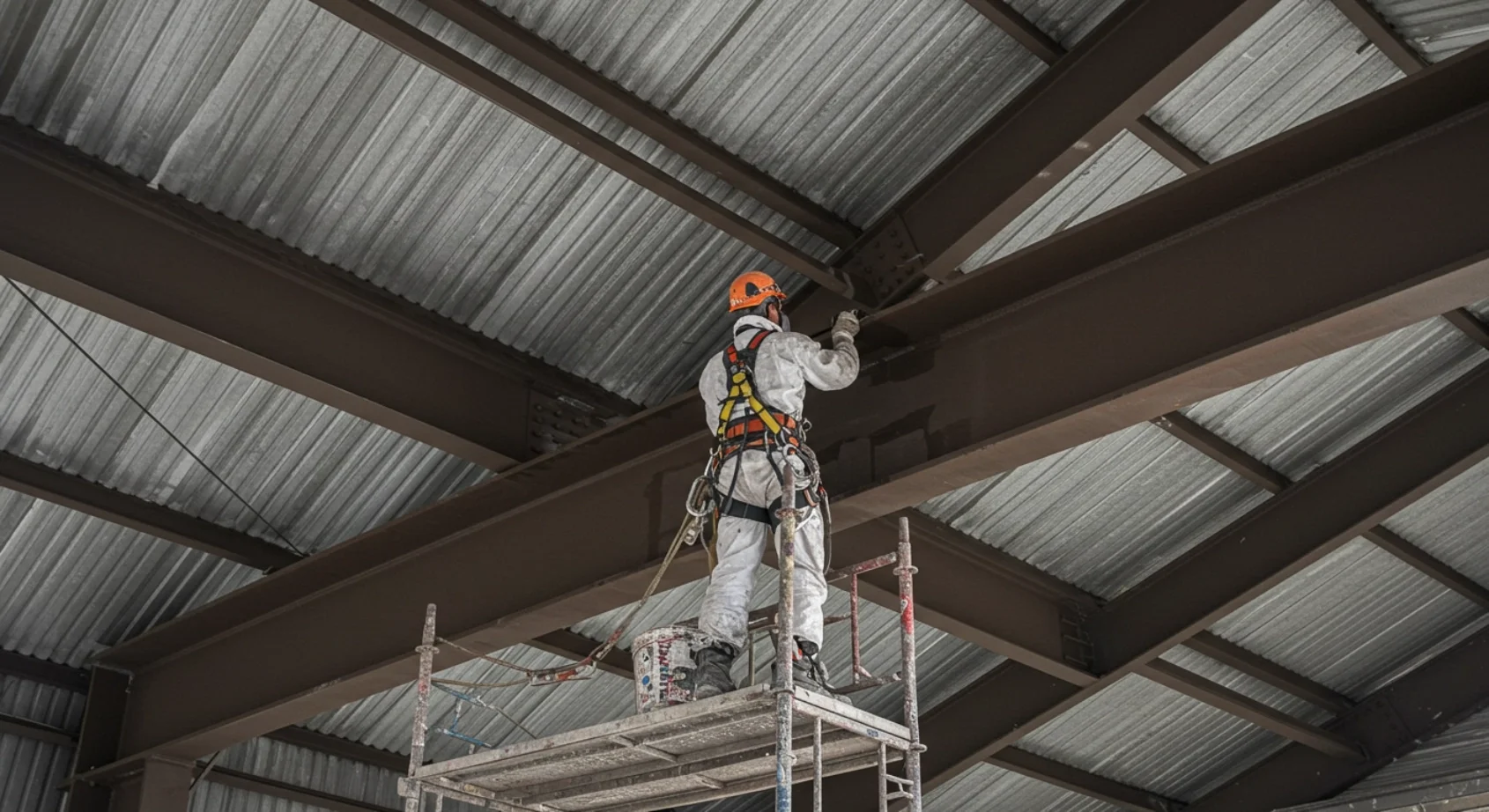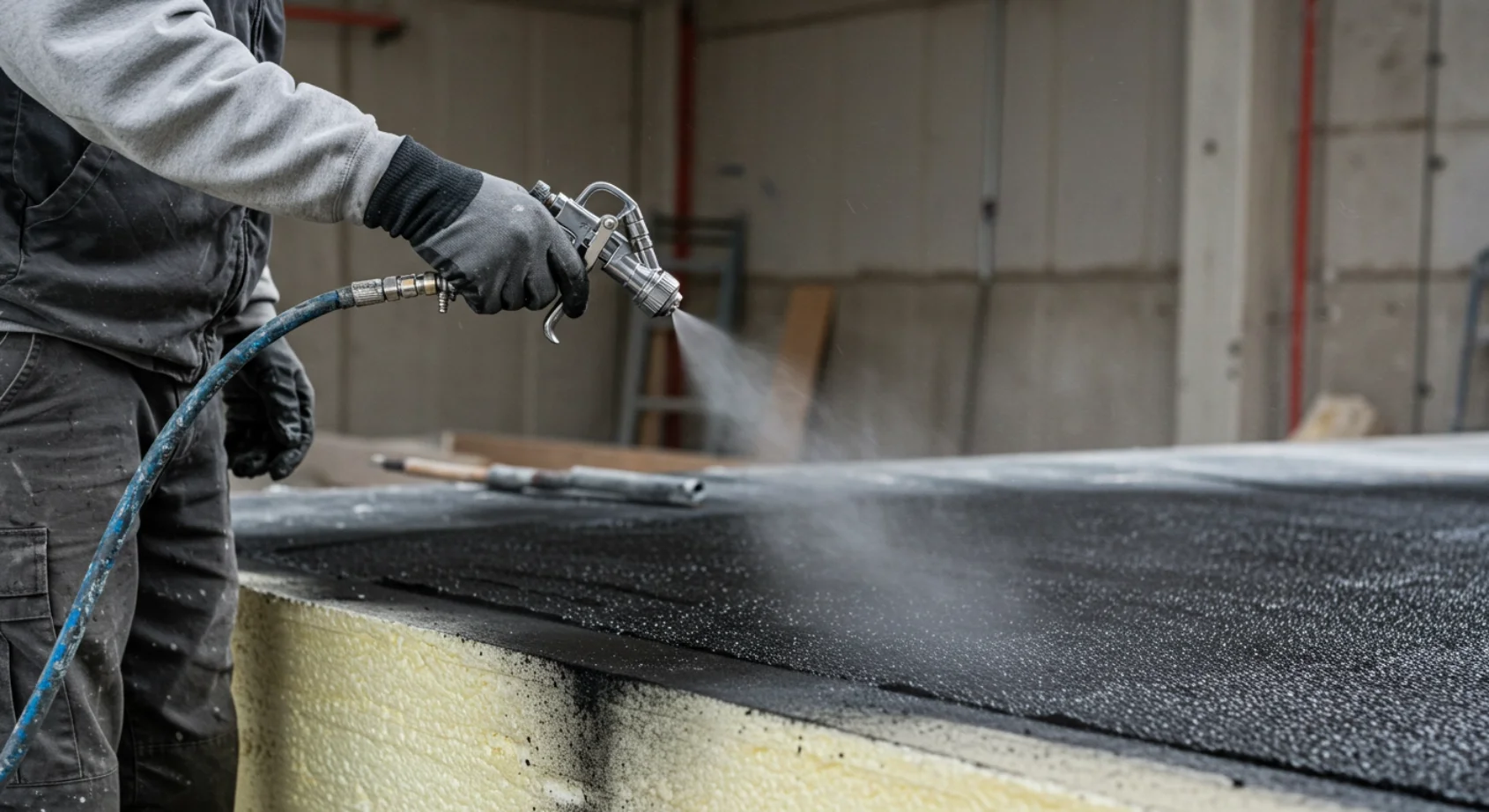
How Is Intumescent Coating Thickness Determined in Spencer, MA?
Determining the required thickness for an intumescent coating is not a matter of guesswork; it is an engineering calculation that…


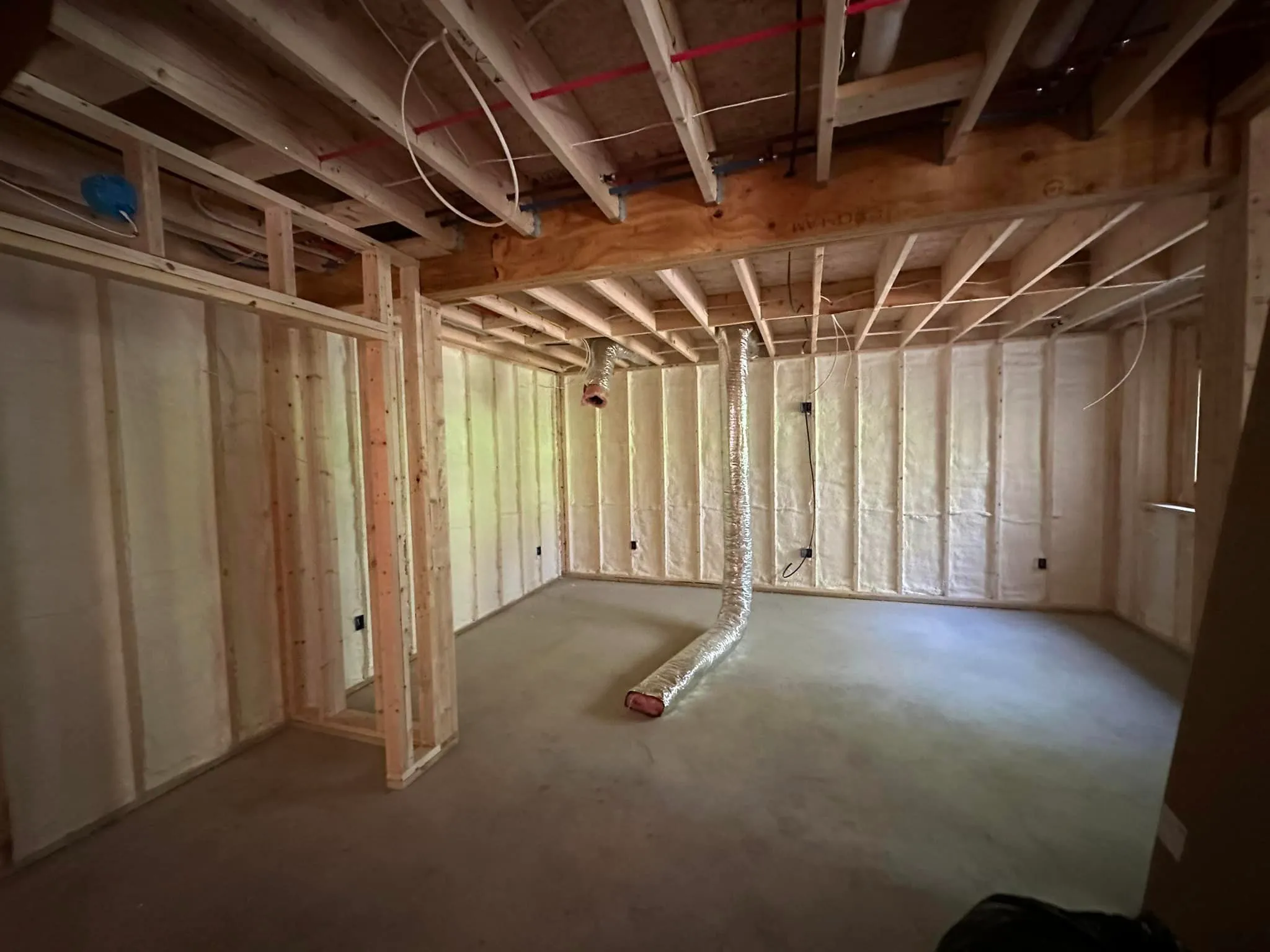
If you are looking to insulate a home in Worcester, Massachusetts, you are likely choosing between closed-cell spray foam and rigid foam board. While both materials offer high thermal performance, closed-cell spray foam provides superior air sealing and moisture protection, making it the more effective choice for the harsh winters and humid summers characteristic of Climate Zone 5A.
Worcester experiences significant seasonal temperature swings. According to the U.S. Department of Energy, standards for Climate Zone 5A require wall assemblies to meet strict thermal resistance targets to prevent heat loss and avoid condensation issues.
When you insulate a home here, the goal is not just to stop heat from escaping; it is to manage the dew point within your wall cavities. If warm, humid interior air leaks into your exterior walls during the winter, it can condense on cold surfaces, leading to mold and structural rot. Modern building practices prioritize continuous air barriers to solve this problem. This is why closed-cell spray foam insulation in Worcester, MA is frequently favored over board-based methods that rely on taped joints.
The answer depends on whether you are working on a new build, a total gut renovation, or a specific problem area. When homeowners ask about a closed-cell foam vapor barrier, they are usually looking for a solution that prevents moisture-related damage while providing insulation. Closed-cell spray foam offers a higher R-value per inch, typically R-6.5 to R-7, compared to closed-cell rigid foam boards, which usually range from R-3.5 to R-6.
For a homeowner in Worcester, the decision often comes down to the envelope’s complexity. If your home has irregular stud cavities, rim joists, or cathedral ceilings, spray foam is the only way to ensure a complete, airtight seal. Rigid board is excellent for flat, unobstructed surfaces, but it requires precise cutting and sealing at every single joint. In many cases, the labor required to seal every board joint exceeds the cost of a professional spray foam application.
When comparing these materials, performance is measured by how they handle the building envelope as a system.
| Feature | Closed-Cell Spray Foam | Rigid Foam Board |
|---|---|---|
| Air Sealing | Monolithic, airtight seal | Dependent on taped joints |
| Vapor Barrier | Class II vapor retarder | Varies by material type |
| R-Value per Inch | ~R-6.5 to R-7 | ~R-3.5 to R-6 |
| Installation | Professional spray required | Can be manual/DIY |
The air-sealing capability of closed-cell foam is its primary advantage. Because it expands into every corner and crevice, it eliminates the “stack effect” where air enters through the rim joists and exits through the attic. Furthermore, because it is a closed-cell structure, it does not absorb water.
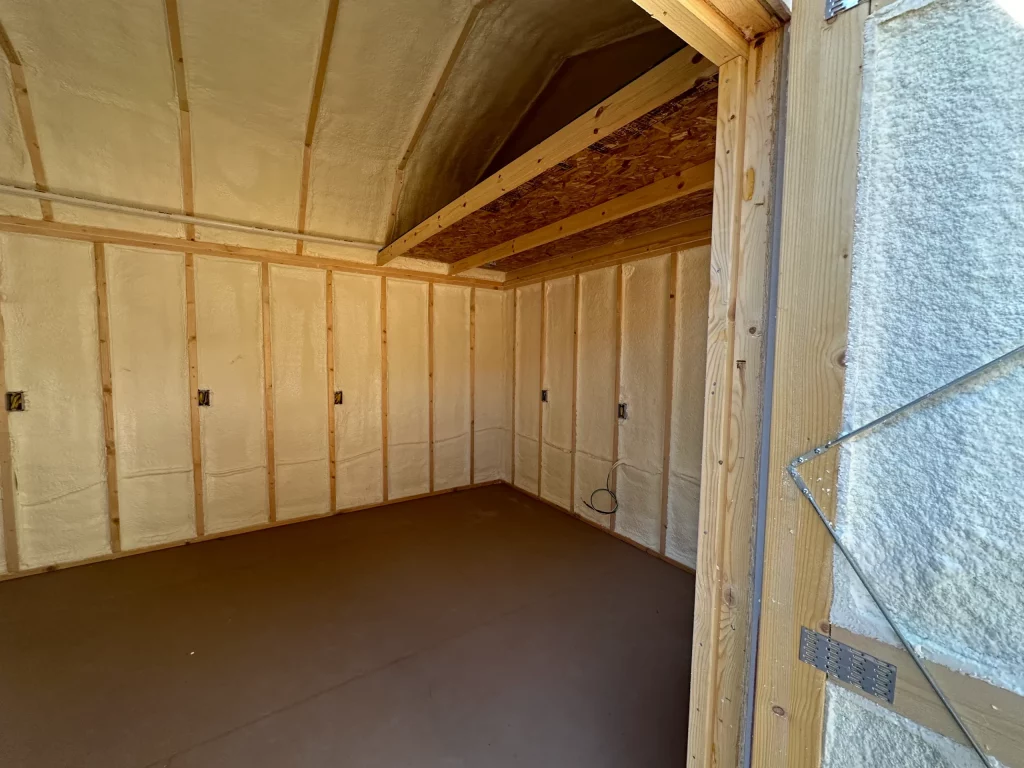
We often recommend closed-cell foam board insulation in Worcester, MA, for specific exterior applications. If you are replacing your home’s siding, installing continuous exterior insulation over the sheathing is an ideal use for boards. It creates a thermal break that prevents thermal bridging through the studs.
However, for interior cavity work, such as basement walls, rim joists, or attics,closed-cell spray foam is the industry standard. It provides structural reinforcement to the assembly while guaranteeing that no air passes through the wall. If you are balancing a strict budget, you might use closed-cell foam insulation installation panels for accessible, flat areas while reserving spray foam for difficult-to-reach or high-leakage zones.
The effectiveness of any insulation depends entirely on the quality of the installation. Professional application requires specialized equipment to ensure the chemicals are mixed at the correct temperature and pressure. If the mix ratio is slightly off, the foam may not cure properly, leading to lingering odors or “soft spots” that do not provide the intended thermal resistance.
Rigid board installation is more accessible, but common mistakes include failing to seal the edges with high-quality tape or foam sealant. Even a small gap at the edge of a board allows air to bypass the insulation entirely, which significantly reduces your home’s energy performance. Because Worcester winters are unforgiving, we recommend hiring a qualified closed-cell spray foam contractor for any product that serves as your primary air barrier.
Lamothe Insulation specializes in helping homeowners determine the right insulation strategy for their specific property. Whether you are dealing with cold floors, high heating bills, or moisture concerns in your basement, we have the experience to provide a durable, energy-efficient solution. We know the local housing stock in Worcester and the surrounding areas, and we focus on delivering high-quality, long-term protection.
Ready to improve your home’s comfort and energy efficiency? Contact Lamothe Insulation today for a free consultation. Phone: (508) 847-0119 Email: [email protected]
It is water-resistant. Its closed-cell structure prevents water absorption, making it an excellent barrier against moisture, but it should not be used as a primary waterproofing membrane.
Properly installed, professional-grade closed-cell spray foam should not have a lasting odor. Any smell during installation typically dissipates within 24 to 48 hours with ventilation.
When installed correctly and protected from direct sunlight (UV exposure), closed-cell spray foam is designed to last for the life of the building.
Yes, rigid board is common for DIY projects. However, ensuring a perfect air seal at every seam is difficult and critical for effective performance in Massachusetts.
Closed-cell spray foam is generally better for basements because it acts as both a high-performance insulator and a vapor retarder against concrete wall moisture.