How Do Intumescent Coatings Protect Steel During High-Temperature Fires in Spencer, MA?
Robert Lamothe
November 12th, 2026
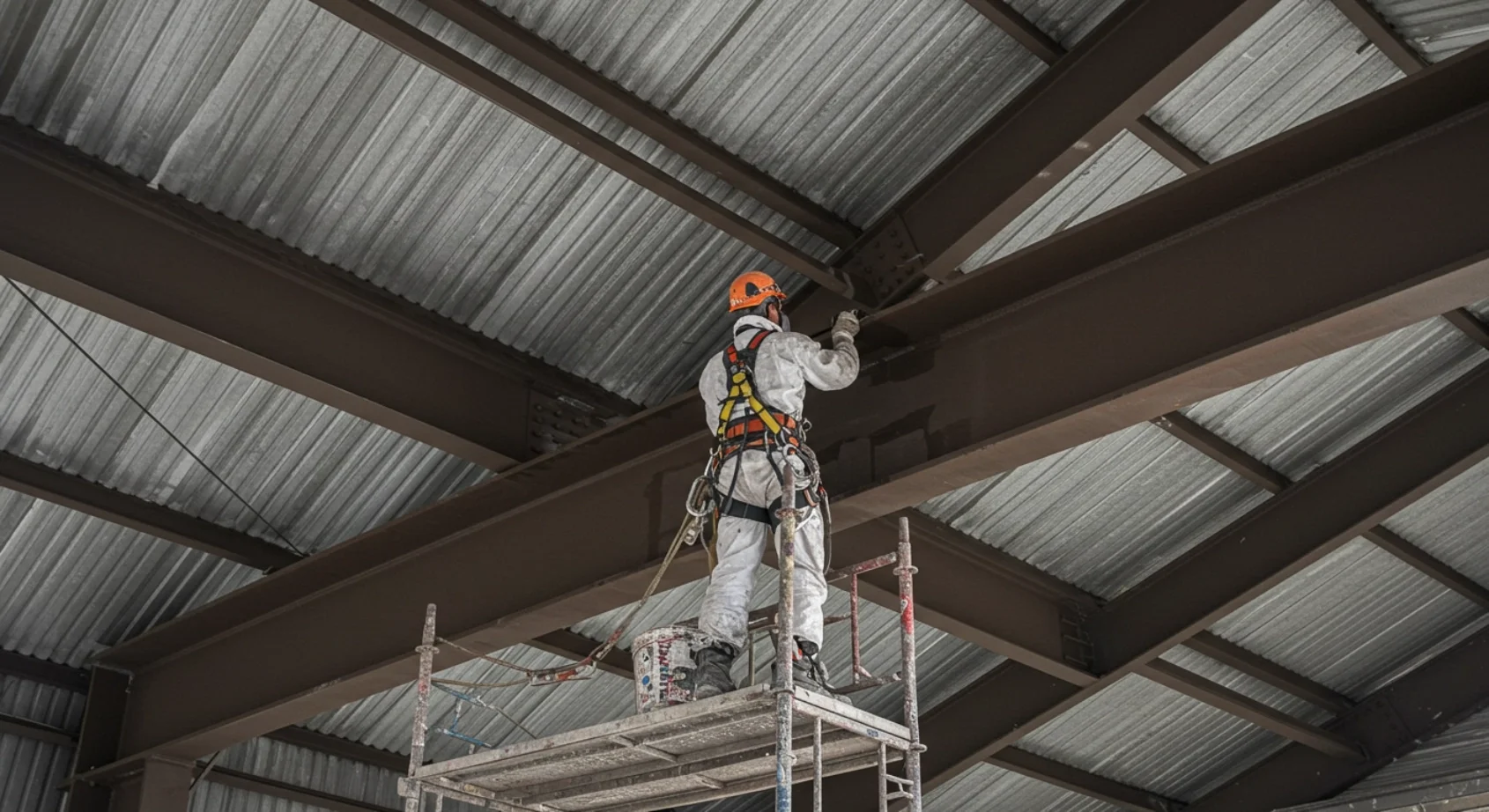
Intumescent coatings protect structural steel by reacting to intense heat and rapidly expanding into a thick, foam-like carbonaceous char. This dense, multi-layered char serves as a high-performance thermal barrier that significantly restricts heat transfer to the underlying metal, delaying the critical temperature rise and enabling the steel frame to retain its load-bearing structural integrity for much longer during a fire.
TL;DR:
Steel softens as fire heats it.
The coating swells into insulating char and slows that climb.
Thickness and rating follow steel size and required hours.
Moisture, damage, and poor prep cut performance.
What Happens to Steel in a High-Temperature Fire?
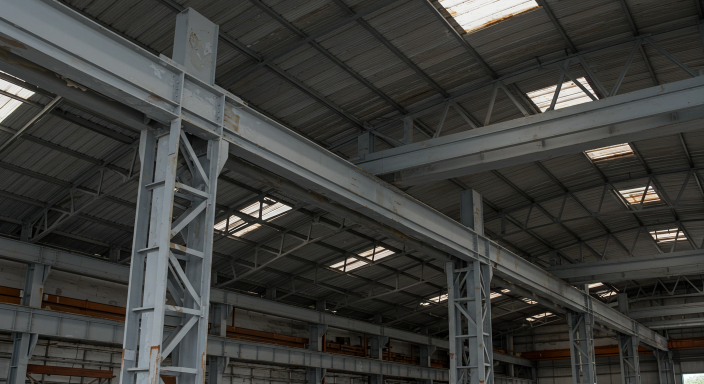
Steel does not burn, but heat is still its enemy. As flames push a beam or column hotter, the metal softens and its ability to carry load drops fast.
In a building fire, structural steel loses strength as the temperature climbs, which is why fireproofing aims to keep the metal below its critical range, around 540°C, about 1,000°F, as explained in Wikipedia’s fireproofing overview. An unprotected frame can sag, twist, or collapse, putting occupants and firefighters at risk and turning a repairable fire into a total loss. That is the job of structural steel fire protection, and it is why codes require listed systems on many commercial frames.
How the Coating Reacts When Heat Hits the Steel
Think of the coating as a dormant shield. At room temperature it looks like flat paint, and it only wakes up when a fire shows up.
When flame heat reaches the surface, a chemical reaction starts. Intumescent coatings materials swell as they heat up, gaining volume and dropping in density. The usual trio of ammonium polyphosphate, pentaerythritol, and melamine reacts in a melted binder, foaming the film into a microporous carbon char that clings to the steel.
That char is the whole trick. Char transfers heat poorly, so it works like a fire blanket over the beam, slowing the temperature climb long enough for people to get out and crews to work. Example: a coated column rated for one hour stays cooler through that first hour than the same column left bare.
What Sets the Thickness and the Fire Rating
Thickness is not guesswork, and it is not the same on every beam. It is calculated member by member.
The right intumescent coating thickness comes from two things: the fire-resistance rating the building needs, and the size and shape of each steel section. A bulky column heats slower than a slim beam, so it often needs less product for the same rating. Product choice matters too, since water-based, solvent-based, and epoxy systems each carry their own coverage rules.
Those hours come from standard fire tests. In ASTM E119, a loaded beam or column sits through a controlled fire while the test measures how long it holds its load and stays contained. Manufacturers publish listed assemblies from these tests, and field work has to match that listing, or the rating is just a guess.
Where These Coatings Make Sense, and Where They Don’t
No single product fits every building. Where the steel sits, and what it faces day to day, should drive the choice.
These are the fire-resistant coatings for steel you pick when looks matter: exposed frames in offices, restaurants, showrooms, and converted mill buildings around central Massachusetts. Thin-film products leave a smooth finish, add little weight, and hide utilities far better than bulky wraps. Epoxy and silicone versions handle rougher outdoor and industrial conditions, while softer films prefer dry interiors, and some products lose function after long moisture exposure, a limit noted in intumescent material references.
System
Where It Shines
Watch Out For
Thin-film intumescent
Exposed frames, dry interiors, finished looks
Needs compatible primer and topcoat
Gypsum-based spray
Hidden structure, plenums, decks
Rough look, mess during install
Board encasement
Wet areas, high-abuse spots, exterior
Bulk, cost, lost space
We install intumescent systems where the finish matters, and we point people toward sprays or boards where abuse and moisture rule.
How These Coatings Fit Into a Whole-Building Fire Plan
One coating cannot protect a building alone. Think in layers, because a fire attacks every part of the structure at once.
AISC engineers and an NFPA representative frame structural fire protection as the materials and systems that keep a building safe and standing during a fire. In product catalogs you will find this coating grouped under passive fire protection systems; intumescent coating applications cover beams, columns, and exposed frames while firestopping, fire doors, and dampers seal the gaps. Unlike sprinklers, none of it needs power, water, or a trigger. It waits quietly, which is exactly what you want in the first minutes of a fire.
A Quick Checklist Before You Schedule the Work
A little homework up front saves change orders later.
Know your required rating: plans, your inspector, or your insurer can confirm the hours you need.
List your steel: beam and column sizes drive the thickness calculation.
Insist on real surface prep: clean steel, compatible primer, no shortcuts.
Mind the weather window: curing needs the right temperature and humidity.
Build the inspection habit: check yearly and after any flood or leak damage.
Get a Free Quote for Your Spencer Building
If you own or manage a shop, warehouse, restaurant, or converted mill space in Spencer, MA, and you want straight answers about protecting the frame, our team at Lamothe Insulation & Contracting will walk the building, confirm what rating applies, and lay out your options in plain English. Call us at (508) 847-0119 or email [email protected] for a free quote. No pressure, just practical advice from neighbors who work in New England buildings every day.
Frequently Asked Questions About Intumescent Fireproofing Coatings in Spencer, MA
At what temperature does the coating start to expand?
Most thin-film products begin reacting once the steel surface reaches roughly 200°C, about 400°F, though the exact point varies by product, so check the technical data sheet.
Can you paint over an intumescent coating?
Yes, but only with a protective topcoat the manufacturer approves for that system. The wrong paint can block expansion and compromise the rating.
How long does the protection last?
A properly applied system can protect for decades, but moisture, UV, and physical damage wear on it over time, so inspect yearly and repair per manufacturer guidance.
Does the steel need to be primed first?
Yes. Steel should be cleaned of rust, oil, and mill scale and primed with a compatible primer before application. Poor surface prep is the most common cause of adhesion failures.
Can it be applied during a Massachusetts winter?
Water-based products typically need surface and air temperatures above roughly 50°F to cure, so unheated buildings usually wait for milder weather. Solvent-based and epoxy options handle a wider range.
I’m Robert Lamothe, owner and lead installer of Lamothe Insulation, established in 2019. My experience includes spray foam, carpentry, and building science, with a focus on precision, craftsmanship, and energy efficiency.