
Lamothe Insulation Logo

Our Blog- Unlock Your Knowledge About Spray foam insulation

Early Spray Foam Failure in Worcester, MA: Signs & Fixes

Is Your Spray Foam Failing Early in Worcester, MA? Signs and Solutions

Spray foam insulation that fails early in Worcester, MA is almost always the result of using the wrong foam type for Climate Zone 5A, improper installation, or moisture mismanagement. Worcester sits in IECC Climate Zone 5, which demands specific insulation performance to handle cold winters and humid summers. When spray foam is applied incorrectly or […]

Read more
How Spray Foam in Attics Improves Efficiency and Cuts Bills

How Spray Foam in the Attic Solves Heat Loss and High Energy Bills

Spray foam insulation in the attic works by creating a continuous, airtight barrier that blocks both conductive heat transfer and air leakage, the two largest drivers of energy waste in most homes. Unlike fiberglass batts or blown cellulose that sit loosely between ceiling joists, spray foam expands to fill every gap, crack, and penetration in […]

Read more
Wall Energy Flow with Closed-Cell Spray Foam in Worcester, MA

How Closed-Cell Spray Foam Impacts Heat Flux in Wall Systems in Worcester, MA

Closed-cell spray foam insulation directly reduces heat flux through wall assemblies by delivering a higher R-value per inch than nearly any other common insulation material, combined with an airtight seal that eliminates convective heat loss through gaps and penetrations. In Worcester, MA, where winter temperatures average 26.3 degrees Fahrenheit and the region falls within IECC […]

Read more
How Spray Foam Seals Air Leaks and Improves HVAC Efficiency

How Spray Foam Prevents Air Leakage and Improves HVAC Efficiency

Spray foam insulation prevents air leakage by expanding into cracks, gaps, and penetrations throughout the building envelope, bonding directly to surfaces and forming a continuous airtight seal that traditional insulation materials like fiberglass and cellulose cannot achieve. According to the U.S. Department of Energy’s Energy Saver program, sprayed foam insulation fills even the smallest cavities […]

Read more
Blown-In Cellulose vs Fiberglass: Which Has Higher R-Value?

Which Has Better R-Value Per Inch: Blown-in Cellulose or Fiberglass?

Blown-in cellulose delivers a better R-value per inch than blown-in fiberglass. Cellulose settles in at R-3.2 to R-3.8 per inch, while blown-in fiberglass comes in at R-2.2 to R-2.7 per inch according to the Department of Energy’s Building America Solution Center. That means cellulose provides roughly 30 to 40 percent more thermal resistance per inch […]

Read more
Why Spray Foam Works in Extreme Weather in Rochdale, MA

How Spray Foam Insulation Protects Against Extreme Weather in Rochdale, MA

Spray foam insulation protects homes in Rochdale, MA by combining high R-value thermal resistance, continuous air sealing, and moisture control into a single applied material. For a village in Massachusetts Climate Zone 5A, where winter lows regularly drop into the teens and summer heat drives humidity through every gap and crack, spray foam addresses the […]

Read more
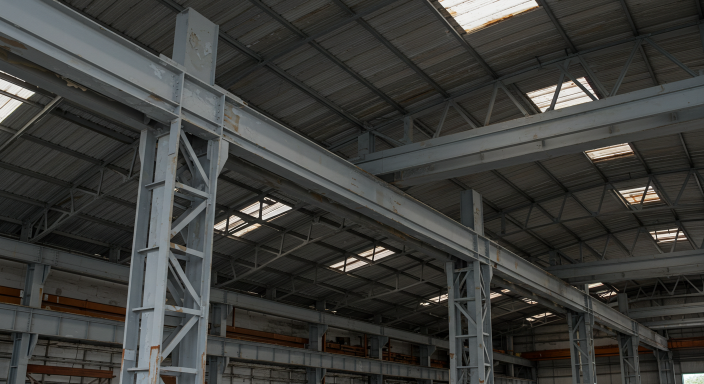
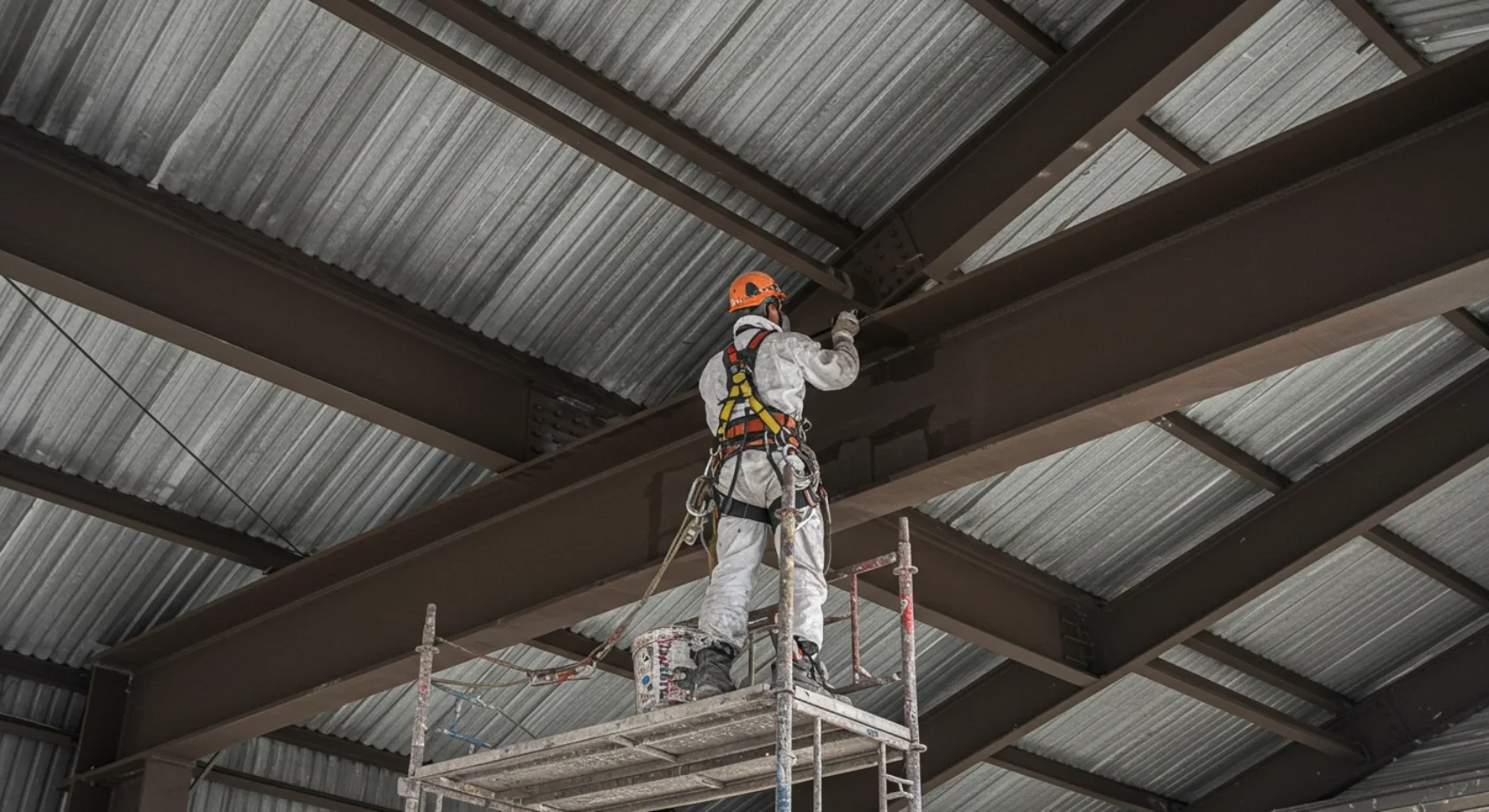
Intumescent Paint Thickness for Fire Resistance in Worcester, MA

How Thick Should Intumescent Paint be for Maximum Fire Resistance in Worcester, MA?

The thickness of intumescent paint required for maximum fire resistance depends on several interrelated factors, including the substrate type (steel, wood, or gypsum), the steel section’s weight-to-heated-perimeter ratio (W/D), the desired fire-resistance rating (typically 60 to 180 minutes), and the specific product’s tested performance data per ANSI/UL 263 and ASTM E119 standards. There is no […]

Read more
© 2024 All Rights Reserved. Lamothe Insulation & Contracting.
Skip to content