How Does Safe Insulation Disposal Protect Your Spencer Home During a Removal Project?
Safe insulation disposal keeps harmful fibers, dust, and possible asbestos out of your living space once the old material comes…


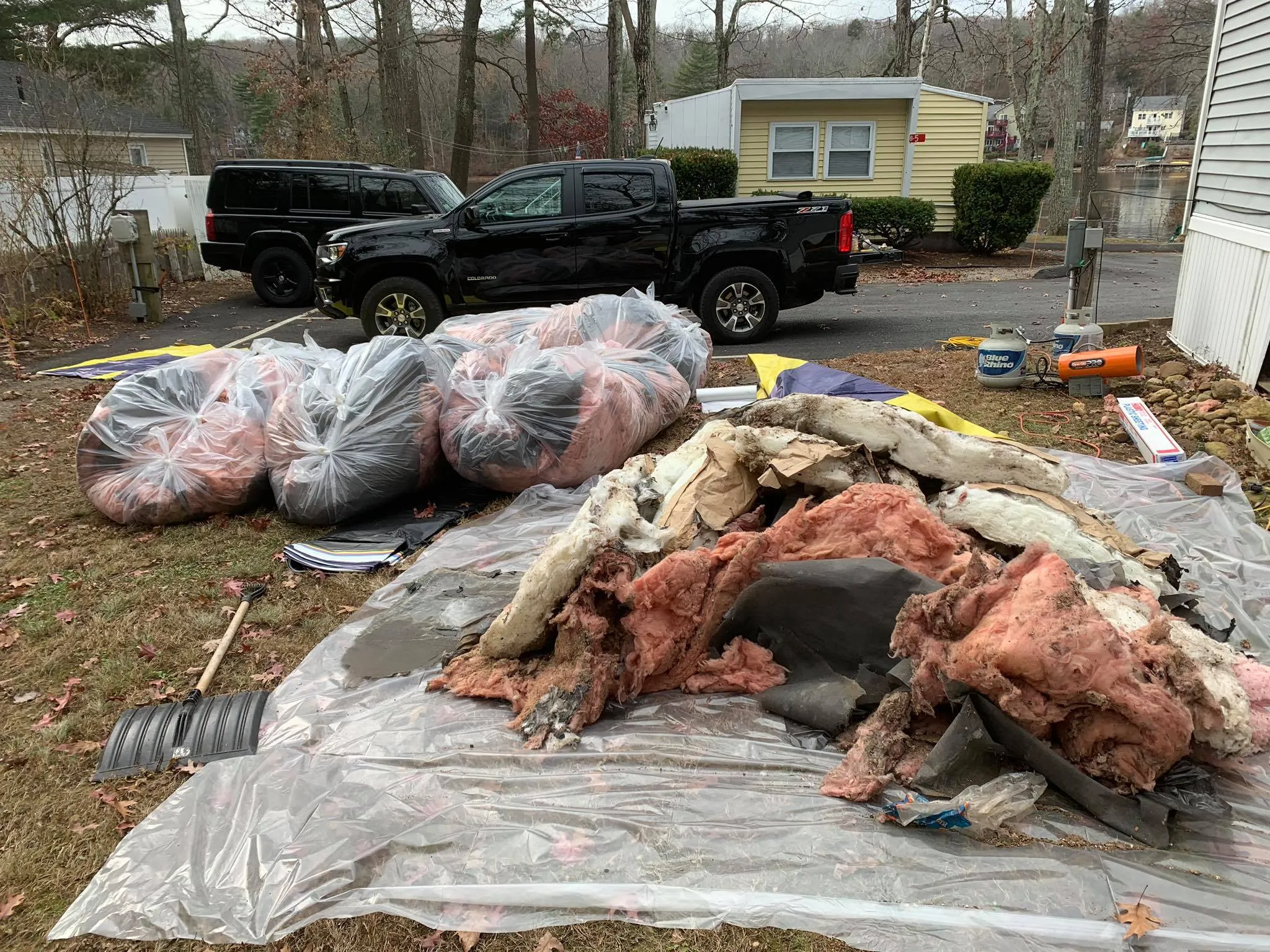
Safe insulation disposal keeps harmful fibers, dust, and possible asbestos out of your living space once the old material comes out. Proper bagging, sealing, and hauling stop contamination from spreading through your Spencer home and help you avoid dumping mistakes. We handle each removal so the cleanup protects your family, not just your attic, from day one to the last load.
Pulling insulation out is only half the job. How it leaves your house decides whether you end up with a cleaner home or a dustier one.
Most people picture home insulation removal as old material leaving the attic. The carry-out matters just as much. Old insulation can hold years of dust, rodent droppings, and moisture, and careless handling sends that debris into bedrooms and heating ducts.
We bag material right where we pull it so it never settles on your furniture. Fiberglass also irritates skin, eyes, and lungs, so ICAA best practices call for workers removing fiberglass to wear an N95 dust respirator or better.
Some older insulation is more than messy. It can be hazardous, so we identify what you have before anything gets disturbed.
Before removing old insulation in a Spencer home, we check the insulation type and the age of the house. The EPA recommends leaving vermiculite insulation undisturbed, because disturbing it can release asbestos fibers you might inhale.
Massachusetts also adds a paperwork step. MassDEP requires notice at least ten working days before asbestos abatement, removal, or disposal begins. If you suspect asbestos, stay out of the attic and call us before you touch anything.
Good disposal starts before the first handful comes out. These steps keep the mess in one place.
Not every insulation type travels the same way. This table shows how we think about it.
| Material | Typical Handling | Main Concern |
|---|---|---|
| Fiberglass batts or loose-fill | Sealed heavy-duty bags | Fine fibers and dust |
| Wet or moldy insulation | Bagged right away | Spreading spores |
| Rodent-soiled insulation | Bagged with protective gear | Droppings and allergens |
| Suspected vermiculite or asbestos | Licensed asbestos professionals | Airborne fibers |
Usually yes for ordinary fiberglass, with a few ground rules. Suspected asbestos is a different story, and we’d ask you to leave the work area alone entirely.
Keep kids and pets away from the attic and the carry-out route. We often ask homeowners to keep interior doors closed along that path. If we find anything suspicious mid-project, we stop and talk with you before going further.
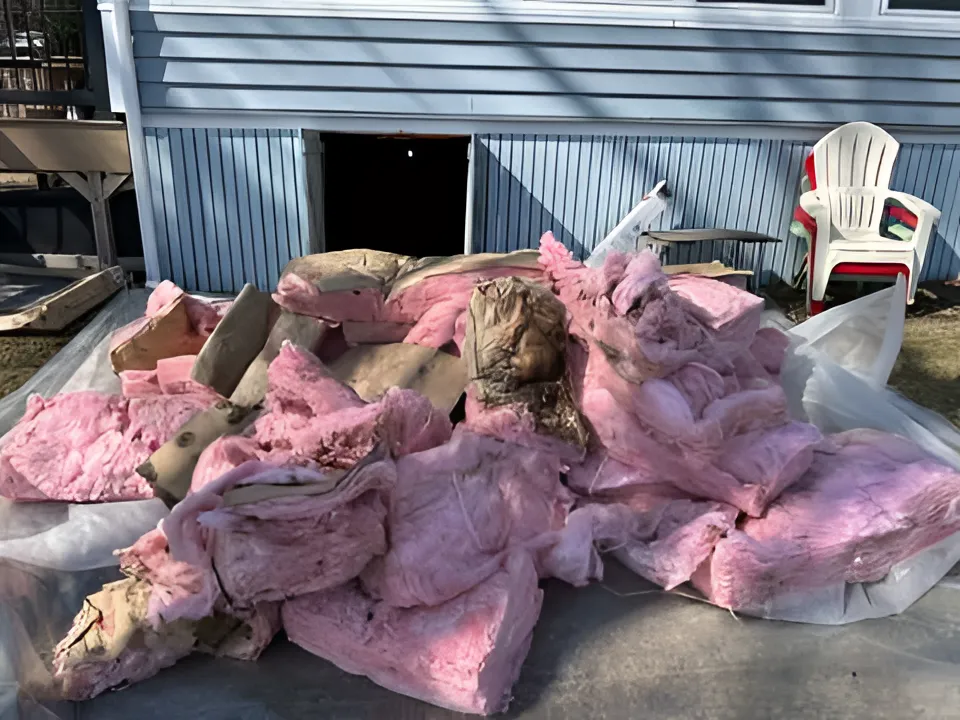
A solid insulation removal strategy begins before anyone climbs a ladder. A little prep keeps the day short and the cleanup clean.
If you’re weighing insulation removal services for an attic, wall, or crawl space, we’ll look at what’s there and explain how we’d bag and haul it. Our quote is free, and we’ll answer your questions plainly.
Rules differ by town and hauler, so ask before you bag it. Suspected asbestos material should never go in household trash.
You can’t tell by looking, so lab testing is the reliable route. For vermiculite, the EPA says to assume it contains asbestos.
Vacuuming is usually cleaner because the material goes straight into a sealed container. Scooping stirs up more dust.
It depends on the area size, insulation type, and access. We can give you a realistic window after seeing the space.
Most homeowners stay home, but you should stay away from the work zone. If asbestos is suspected, leave the work area alone until we’ve talked.
ICAA Best Practices for Fiberglass Insulation – respirator use when removing fiberglass.
EPA: Vermiculite Insulation in Your Attic – leaving vermiculite undisturbed and the inhalation risk.
MassDEP Asbestos, Construction & Demolition Notifications – ten working day notice for asbestos work.