Choosing the right insulation for your home is an important decision that impacts energy efficiency, comfort, and long-term costs. Homeowners in Webster often weigh the pros and cons of dense pack cellulose vs spray foam insulation. Choosing between cellulose insulation vs spray foam is one of the biggest decisions homeowners face when upgrading energy efficiency, comfort, and long-term costs. Both are popular, well-tested options, but they perform very differently depending on your budget, climate, and the areas of your home you’re insulating. This guide breaks down performance, cost, R-value, and environmental impact so you can make a confident choice. For a full breakdown of every option available to you, see our complete insulation services guide.
TL;DR
- Dense pack cellulose is the more affordable, eco-friendly choice, made from 80-85% recycled paper, and it performs well for soundproofing and general energy savings.
- Spray foam costs more upfront but delivers a higher R-value per inch, a true air seal, and better long-term durability with no settling.
- Cost: cellulose is cheaper to install, but spray foam can offset its higher price through greater energy savings over time.
- Best fit: budget-conscious or eco-focused homeowners lean cellulose; homeowners prioritizing maximum energy efficiency and moisture control lean spray foam.
Understanding Cellulose Insulation
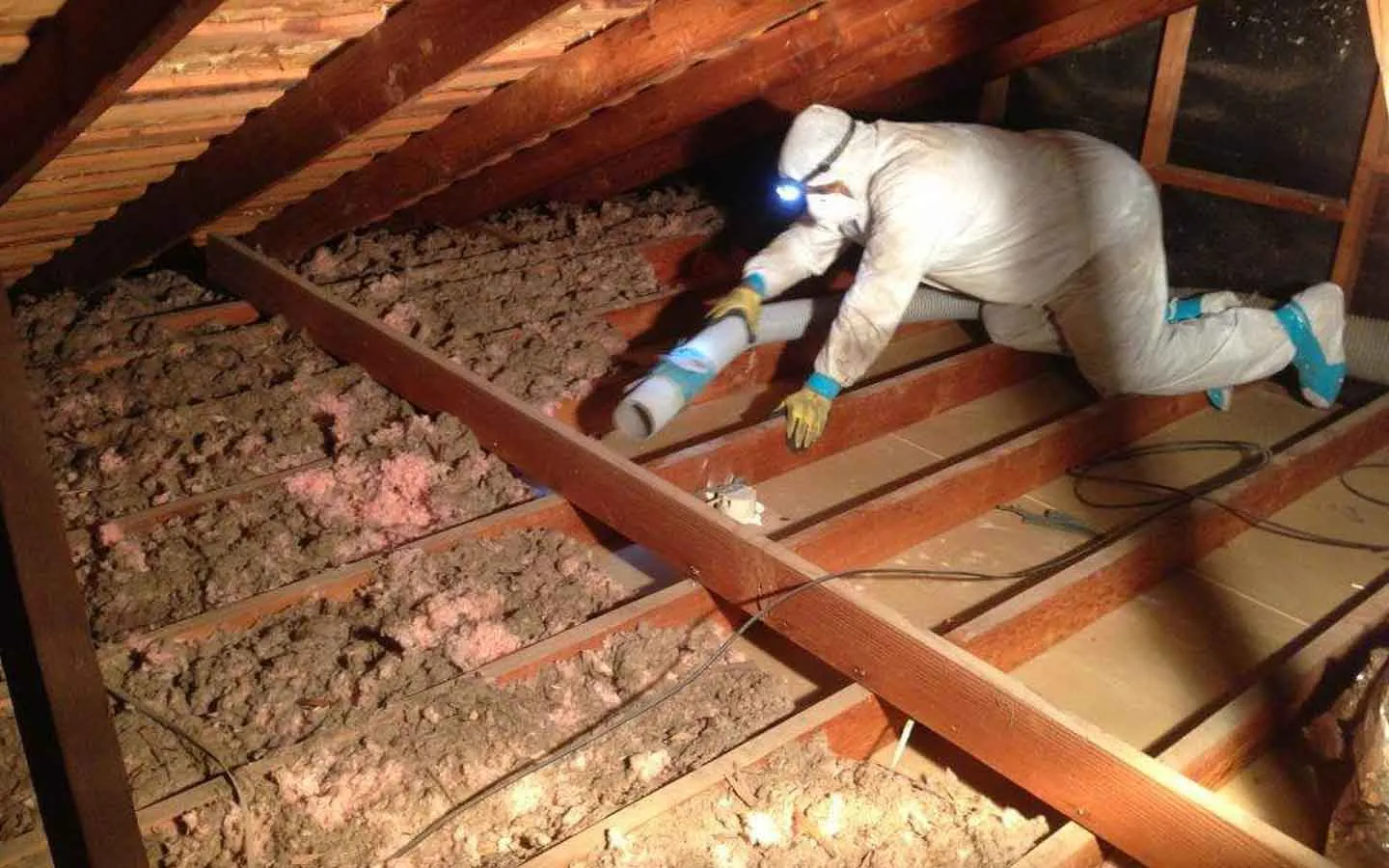
Dense pack cellulose insulation is made from recycled paper products, mostly newspaper, treated with non-toxic fire retardants for safety. It’s installed by blowing the material into walls, attics, and other cavities, then packing it tightly to reduce air leakage and improve thermal performance.
Benefits of Cellulose Insulation
- Energy efficiency: reduces heat transfer and helps maintain consistent indoor temperatures year-round.
- Soundproofing: its dense composition noticeably cuts down noise transmission, a strong fit for homes near busy roads.
- Eco-friendly: made from recycled materials, making it one of the more sustainable insulation choices available.
- Affordability: typically the lower-cost option upfront compared to spray foam.
- Fire resistance: treated cellulose resists fire well, adding a layer of home safety.
Drawbacks of Cellulose Insulation
- Settling over time: cellulose can settle after installation, which may reduce effectiveness in certain wall cavities.
- Moisture sensitivity: without proper vapor barriers, cellulose exposed to moisture can compact or become mold-prone.
- Installation skill required: a proper, airtight dense pack job needs an experienced installer.
Understanding Spray Foam Insulation
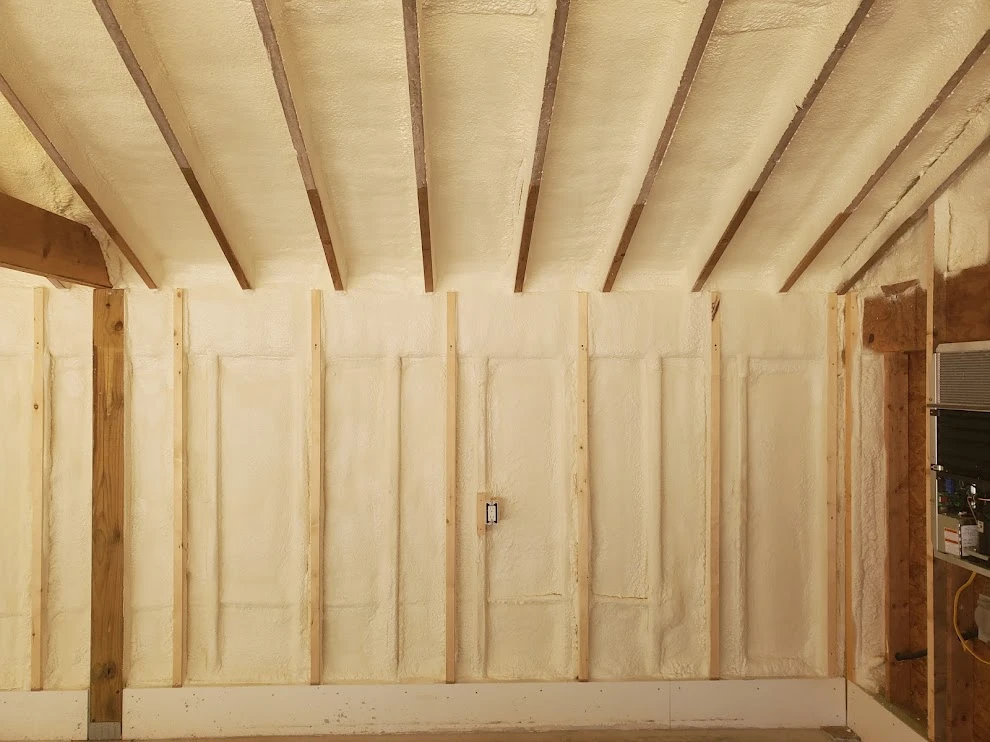
Spray foam insulation is a synthetic material created by combining isocyanate and polyol resin, which expand into foam on application. It’s sprayed directly onto surfaces, forming a solid, seamless barrier that conforms to irregular shapes and hard-to-reach cavities.
Types of Spray Foam Insulation
- Open-cell spray foam: lighter and more flexible, a strong choice for soundproofing and interior walls.
- Closed-cell spray foam: denser and more rigid, offering superior thermal performance and moisture resistance. Explore our closed-cell spray foam insulation service for a closer look at how it’s applied.
Benefits of Spray Foam Insulation
- Superior air sealing: creates a true airtight barrier, cutting energy loss and drafts.
- High R-value: closed-cell spray foam has one of the highest R-values per inch of any common insulation material.
- Moisture resistance: closed-cell foam acts as a vapor barrier, helping protect against mold and moisture damage.
- Durability: doesn’t settle or degrade the way cellulose can, so performance stays consistent for years.
Drawbacks of Spray Foam Insulation
- Higher cost: generally more expensive than cellulose, both in materials and labor.
- Environmental tradeoffs: its petrochemical-based manufacturing raises sustainability questions compared to recycled cellulose.
- Professional installation required: specialized equipment and training make this a job for licensed installers. Because SPF involves a chemical reaction, homeowners should consult the U.S. Environmental Protection Agency (EPA) Health Information on Spray Polyurethane Foam to understand safety protocols, such as proper ventilation and re-occupancy times.
Cellulose vs Spray Foam: Cost Comparison
Cost is usually the first question homeowners ask, and it’s one of the most searched comparisons for this topic.
- Upfront cost: dense pack cellulose is the less expensive option to install.
- Long-term savings: spray foam’s superior air sealing and R-value can generate greater energy savings over time, which may offset its higher initial price.
- Where cost matters most: larger homes and full-attic jobs tend to favor cellulose on a pure budget basis, while smaller, harder-to-seal spaces often justify spray foam’s premium.
Cellulose vs Spray Foam: R-Value and Thermal Performance
- Closed-cell spray foam typically reaches an R-value of about 6.5 to 7 per inch, while dense pack cellulose sits closer to 3.5 to 3.8 per inch.
- That means spray foam delivers more thermal resistance in a smaller amount of space, which matters in tight wall cavities.
- Dense pack cellulose can still perform well in thicker applications, like attics, where there’s more room to build up R-value.
Air Sealing
- Spray foam expands to fill gaps and create a complete air barrier, which reduces drafts and eases the load on your HVAC system.
- Dense pack cellulose reduces airflow significantly but doesn’t create the same airtight seal as spray foam.
Environmental Impact
- Cellulose is the more eco-friendly option, thanks to its recycled content and lower energy production footprint.
- Spray foam production relies on petrochemicals, which generally results in a larger carbon footprint during manufacturing.
Installation Process
Both materials require professional installation for the best results. Cellulose is blown into cavities under pressure to achieve the “dense pack” effect, while spray foam is applied with specialized equipment that mixes and sprays the two-part chemical formula on site. Neither is a realistic DIY project if you want a warrantied, code-compliant result.
How to Choose the Right Insulation for Your Home
To help narrow down your selection based on your specific climate and region, the U.S. Department of Energy’s Consumer Guide to Home Insulation provides a roadmap for recommended R-values and material effectiveness.
- Budget-conscious homeowners: dense pack cellulose offers strong performance at a lower cost.
- Maximum energy savings: spray foam’s higher R-value and air sealing can meaningfully cut energy bills.
- Eco-friendly priorities: cellulose aligns better with sustainable building goals.
- Moisture-prone areas: closed-cell spray foam offers stronger protection against mold and water damage.
If you’re still weighing your options, our recent post on how spray foam compares to other insulation types in tough climates is a useful next read, especially if extreme temperatures are a factor in your decision.
Get Expert Guidance
Choosing between cellulose and spray foam doesn’t have to be complicated. A quick conversation with an experienced insulation contractor can save you time, money, and guesswork, and help you land on the option that actually fits your home. Reach out to our team for a free consultation and a straightforward recommendation for your project.
Frequently Asked Questions
Is spray foam worth the higher cost?
For homeowners focused on long-term energy savings and top-tier performance, spray foam is often worth the investment, especially in homes prone to air leaks or moisture issues.
Can I install dense pack cellulose or spray foam myself?
DIY kits exist for small jobs, but professional installation is strongly recommended for both materials to ensure safety and full effectiveness.
Which insulation lasts longer?
Spray foam generally outlasts cellulose because it resists settling and degradation over time.
Is cellulose insulation safe?
Yes. It’s treated with non-toxic fire retardants and is considered safe when installed correctly.
Does spray foam insulation expand after application?
Yes, spray foam expands on contact to fill gaps and create an airtight seal.
Which insulation is better for reducing noise?
Cellulose typically performs better for soundproofing due to its dense, packed structure.
What is the R-value of cellulose vs spray foam?
Dense-pack cellulose runs about 3.5 to 3.8 per inch, while closed-cell spray foam reaches roughly 6.5 to 7 per inch.
Can cellulose insulation prevent mold?
It offers some moisture resistance, but proper vapor barriers are needed to guard against mold growth fully.
How do I know which insulation is right for my home?
It comes down to budget, energy goals, environmental priorities, and the specific needs of your space. A professional assessment makes the decision much easier.
Sources
U.S. Environmental Protection Agency, Health Information on Spray Polyurethane Foam
U.S. Department of Energy, Consumer Guide to Home Insulation