How Is Intumescent Coating Thickness Determined in Spencer, MA?
Determining the required thickness for an intumescent coating is not a matter of guesswork; it is an engineering calculation that…

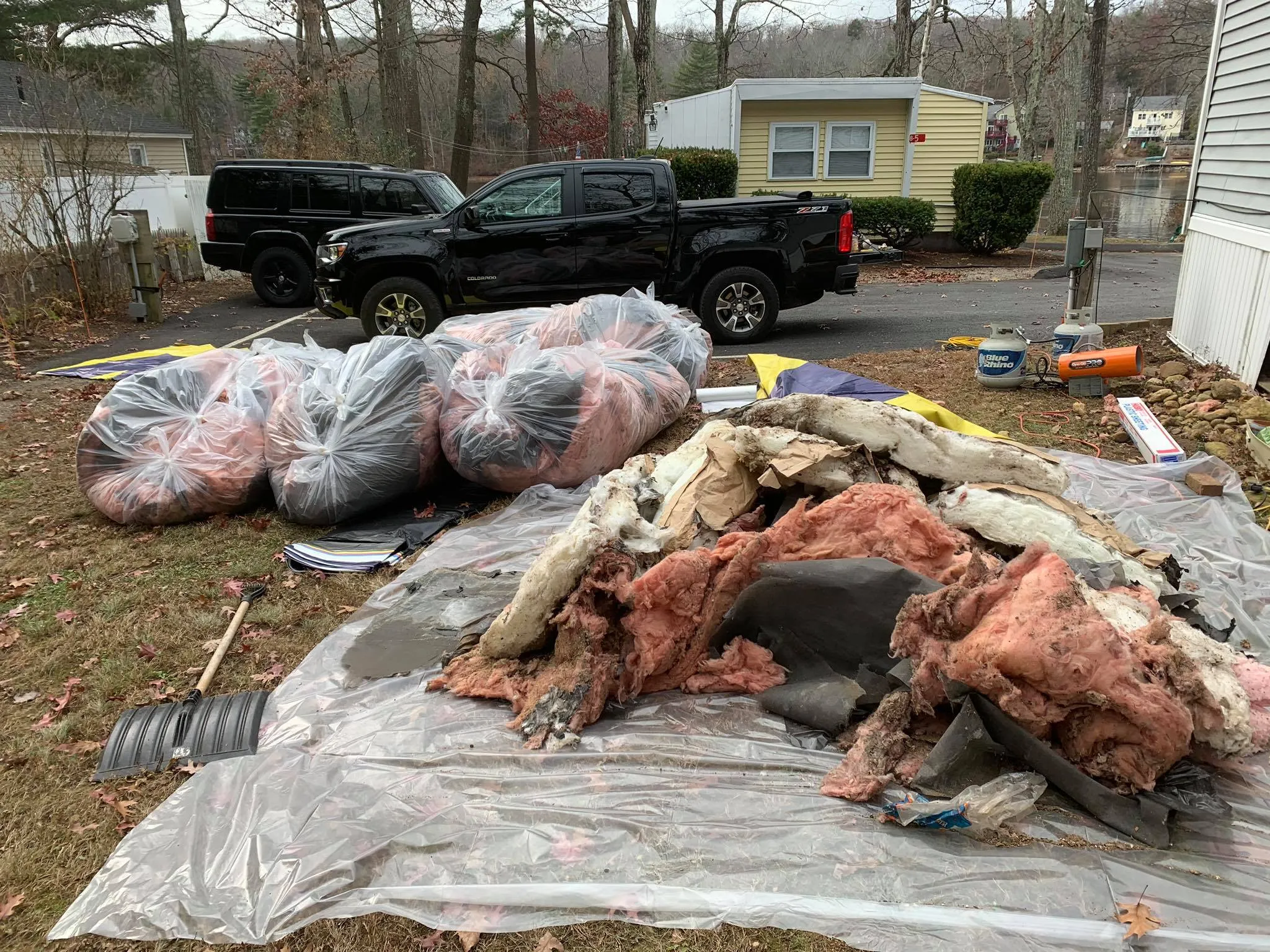
Rodent-damaged insulation is a serious problem for Hudson, MA homeowners, one that goes far beyond a few missing fiberglass batts. Mice, rats, and squirrels that nest in attics and walls contaminate insulation with droppings, urine, and nesting material, which degrades thermal performance and introduces biological contaminants into the air you breathe indoors. Identifying the damage early and using professional removal methods protects both your home’s energy efficiency and your family’s health. The right approach depends on the extent of contamination, the type of insulation installed, and whether rodent entry points have been properly sealed.
Hudson, MA experiences cold, snowy winters and warm, humid summers. Homes in this region need insulation that performs reliably through wide temperature swings. According to the U.S. Department of Energy‘s insulation guide, Climate Zone 5 requires an R-value of R-60 for uninsulated attics and R-49 when 3 to 4 inches of existing insulation are present. When rodents tunnel through, compact, or soil insulation, the effective R-value drops and your heating and cooling system works harder to compensate.
The EPA’s biological contaminants guide identifies pests like mice and cockroaches, along with their droppings and body parts, as biological contaminants that negatively impact indoor air quality. On average, people spend about 90% of their time indoors, making the quality of that air a direct health concern. Rodent-contaminated insulation sits directly above or beside your living spaces, and airborne particles from contaminated insulation can circulate through your HVAC system into every room.
Most homeowners do not spend time in their attic, which means rodent damage often goes unnoticed for months or even years. Watch for these indicators:
Visible evidence in living areas:
Performance and sensory clues:
Structural concerns:
If you notice two or more of these signs, an attic inspection should be your next step before the problem compounds further.
The EPA classifies rodent droppings, urine, and body parts as indoor air pollutants that contribute to poor indoor air quality. Children, pregnant women, older adults, and individuals with preexisting respiratory conditions face the greatest risk from exposure. Specific health concerns include:
The EPA recommends three strategies for reducing exposure: source control (removing the contamination), ventilation, and filtration. With rodent-contaminated insulation, source control means complete removal of the damaged material.
Not all insulation materials suffer equally from rodent activity. The DOE’s types of insulation guide breaks down common materials and their characteristics. Here is how each type holds up:
| Insulation Type | Rodent Vulnerability | Damage Pattern | Replace or Spot Repair? |
|---|---|---|---|
| Fiberglass batts/rolls | High | Rodents easily tunnel, shred, and nest in fiberglass batts | Full replacement required when contaminated |
| Loose-fill fiberglass | High | Rodents create tunnels and compact the material, reducing R-value | Full removal and re-blowing needed |
| Cellulose (blown-in) | Moderate | Borate treatment deters some pests, but heavy infestations still contaminate | Contaminated sections need full removal |
| Mineral wool | Low to moderate | Dense, fibrous structure resists tunneling; borate content discourages nesting | Often salvageable if damage is limited |
| Closed-cell spray foam | Very low | Rodents cannot easily gnaw through or nest in cured foam | Rarely needs replacement; spot-seal any entry points |
| Open-cell spray foam | Low | Spongy texture is unappealing for nesting | Spot repairs usually sufficient |
Fiberglass and loose-fill insulation are the most common materials found in Hudson, MA attics, and both are highly susceptible to rodent damage. When these materials become contaminated, partial cleanup is not enough. The DOE’s insulation materials page notes that cellulose contains borate for fire and insect resistance, which offers some deterrent effect, but it cannot prevent contamination from an active infestation.
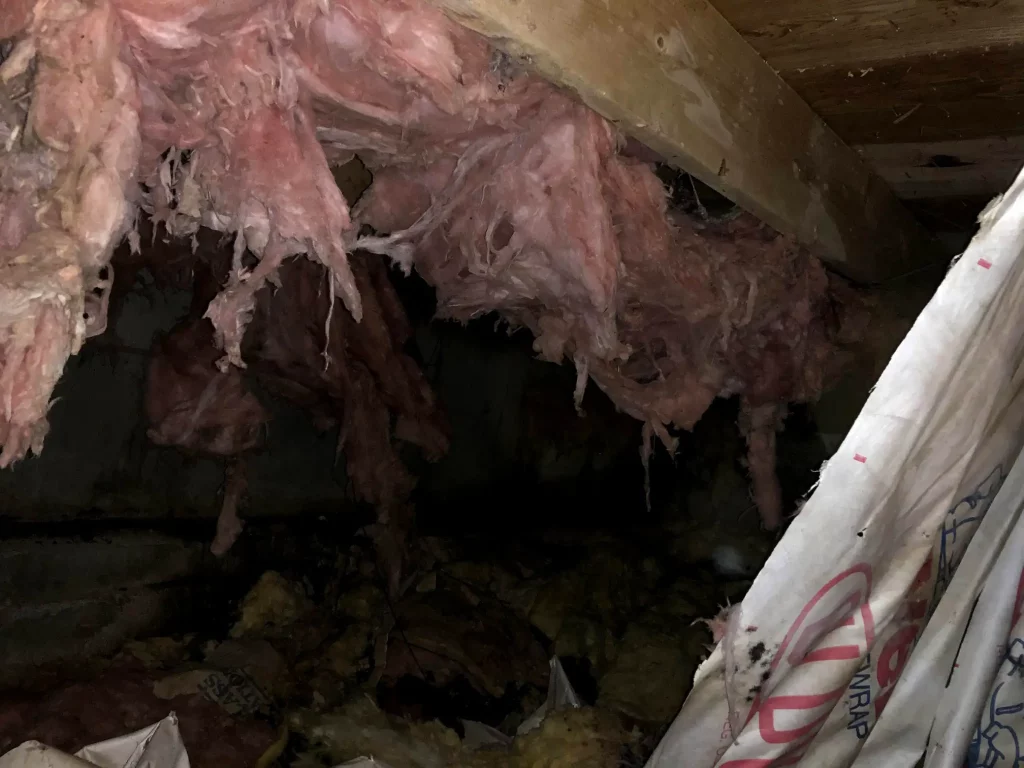
Removing rodent-contaminated insulation is not a standard DIY project. Disturbing contaminated material without proper protective equipment can release particles into the air you breathe. Here is the professional process:
Skipping any of these steps leaves your home vulnerable to continued air quality problems and repeat infestations. The DOE recommends hiring professional installers for blown-in and spray foam applications in Hudson, MA, and this advice applies even more strongly when contamination is involved.
After removal, homeowners have an opportunity to choose insulation that offers better long-term resistance. Mineral wool and spray foam are the most rodent-resistant options available for attics and walls. Both materials are difficult for rodents to tunnel through or use as nesting material. Our team can recommend the best material based on your attic configuration, budget, and performance goals.
Choosing the right team for this work matters. A qualified insulation contractor serving Hudson, MA should demonstrate:
Lamothe Insulation and Contracting provides expert rodent-damaged insulation inspection, safe removal, and replacement services for homeowners throughout Hudson, MA and the surrounding area. Our experienced team handles every step, from thorough attic evaluation and contaminated material extraction to entry point sealing and fresh insulation installation. We use professional-grade equipment and follow strict safety protocols to protect your home and your family’s health.
Request a Free Quote | Schedule an Attic Inspection
Call us at (508) 847-0119 or email [email protected] to get started. Do not wait for rodent damage to compromise your insulation performance and indoor air quality any longer.
Look for visible droppings, gnaw marks on wiring, compressed or tunneled insulation, musty odors on upper floors, and unexplained increases in your energy bills. If you suspect damage, a professional attic inspection is the most reliable way to confirm it.
We do not recommend DIY cleanup. Disturbing contaminated insulation without proper protective equipment and containment can release harmful airborne particles. Professional removal uses specialized vacuum systems and antimicrobial treatments to ensure safe, complete remediation.
Most standard homeowners insurance policies do not cover rodent damage, as it is generally classified as a maintenance issue rather than a sudden peril. Check your specific policy or contact your insurance provider to confirm your coverage.
Mineral wool and closed-cell spray foam offer the highest resistance to rodent tunneling and nesting. However, sealing all entry points is the most effective prevention method regardless of insulation type.
Most residential attic insulation removal and replacement projects are completed within one to two days, depending on the size of the space and the extent of contamination. Our team will provide a clear timeline during your initial assessment.