How Is Intumescent Coating Thickness Determined in Spencer, MA?
Determining the required thickness for an intumescent coating is not a matter of guesswork; it is an engineering calculation that…

When you need to protect structural elements like steel, wood, or foam insulation from fire, intumescent coatings are the standard solution. These coatings act as a passive fire protection system, expanding significantly when exposed to high heat to create an insulating char layer that delays structural failure. Choosing between water-based and solvent-based versions comes down to your project’s specific environment, curing constraints, and local building requirements. Neither type is universally superior; the right choice depends on whether you are working in an occupied interior space or a semi-exposed environment.
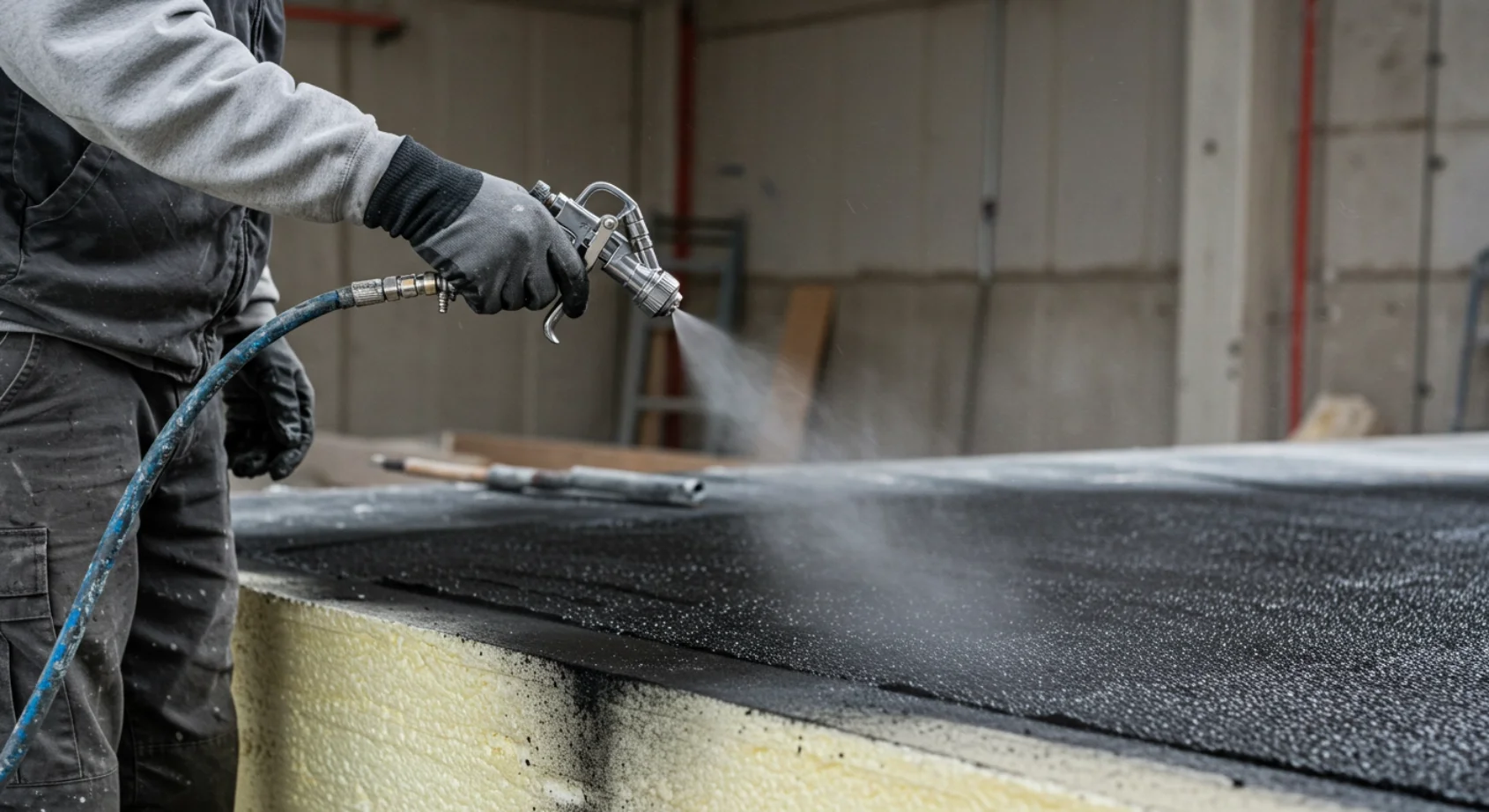
Intumescent coatings work through a chemical reaction triggered by intense heat. As explained in Hempel’s guide to passive fire protection, these coatings expand when exposed to high temperatures, forming an insulating char layer that slows heat transfer to the underlying material, such as steel beams or spray foam insulation.
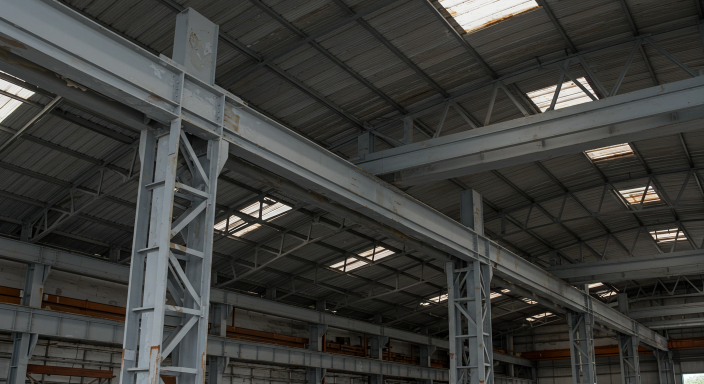
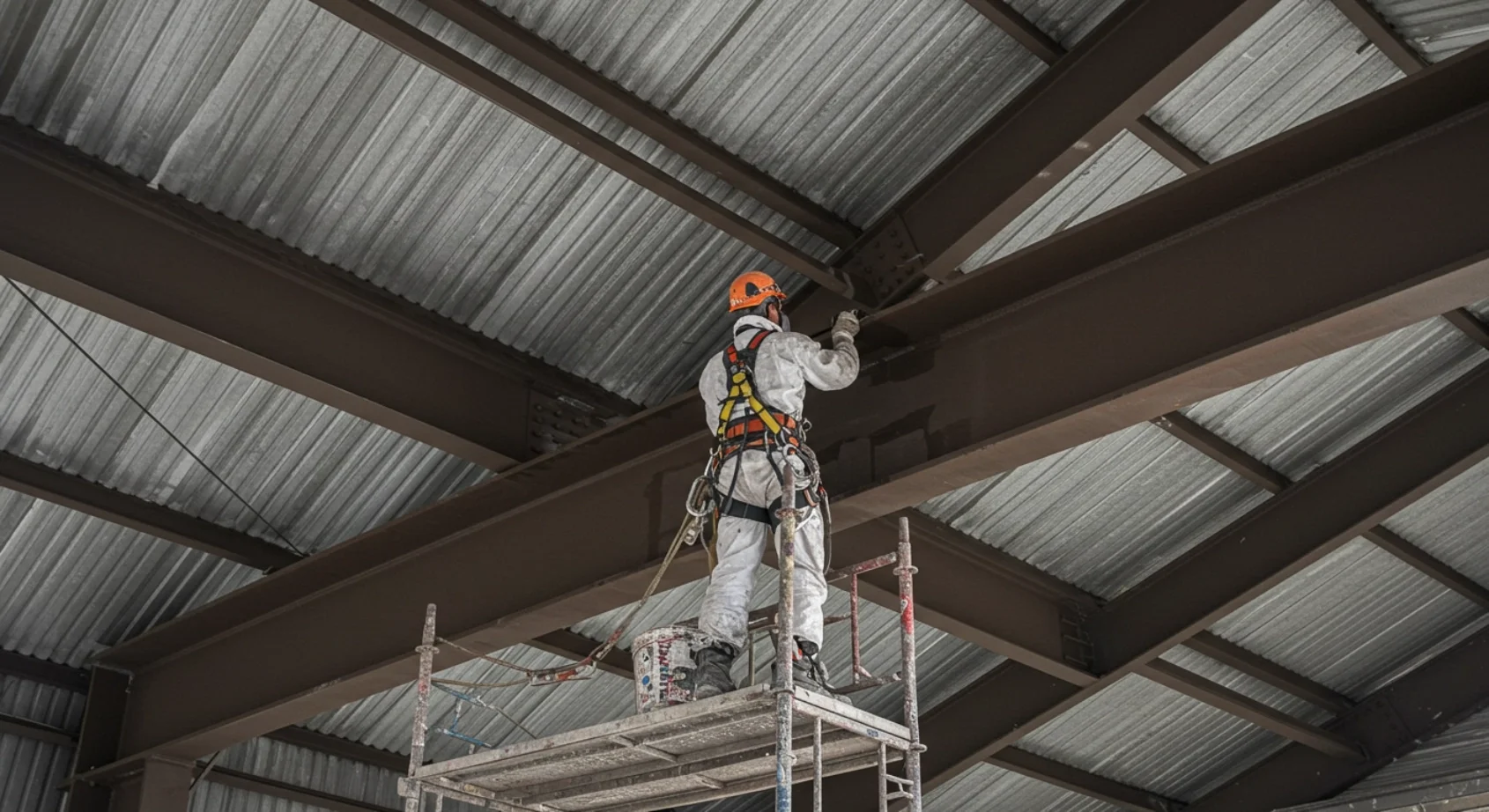
For steel, this process helps maintain the structural integrity of the frame for a longer duration, providing additional time for safe evacuation. The National Institute of Building Sciences’ guidance on passive fire protection also highlights the importance of passive protection measures in building fire safety. For insulation, approved coating systems may serve as ignition or thermal barriers when permitted by applicable building codes and product approvals.
The primary difference between these two systems lies in the carrier medium used to keep the active ingredients in liquid form. Understanding this distinction is the most important step in product selection.
| Feature | Water-Based | Solvent-Based |
|---|---|---|
| Primary Use | Indoor, occupied spaces | Semi-exposed or harsh environments |
| Odor/VOCs | Low odor, low VOC content | Higher odor, higher VOCs |
| Drying Time | Generally slower | Faster |
| Environmental Sensitivity | Sensitive to high humidity | More resistant to fluctuations |
Water-based systems are the preferred choice for most indoor projects because they produce minimal fumes, making them safer for use in offices, schools, or residential areas during construction. However, they are sensitive to ambient conditions. If the site is too humid or cold, the coating may not cure properly, which compromises its fire-resistant properties.
Solvent-based systems use organic carriers that evaporate more quickly. This allows them to dry faster and perform better in environments where humidity levels are difficult to control or where temperatures might fluctuate. While they provide excellent durability, the stronger odor and higher VOC levels mean they are typically reserved for industrial or semi-exposed settings where ventilation is easier to manage.
Selecting the correct coating requires an honest assessment of your project site. Before selecting a product, consider the environment where the coating will live for the next several years.
If you are working in an occupied building, water-based coatings are often the best balance of safety and performance. However, if your project involves a garage, a warehouse, or a semi-exposed structure, a solvent-based coating may be necessary to ensure the finish remains stable against the elements.
Always check the manufacturer’s technical data sheet for the specific product you are considering. These documents define the exact temperature and humidity ranges required for application. In Massachusetts, local building codes also dictate the required fire rating for different types of construction. Using a product that does not meet the specified fire rating,or applying it in conditions that prevent it from curing correctly,can lead to failed inspections and safety hazards.
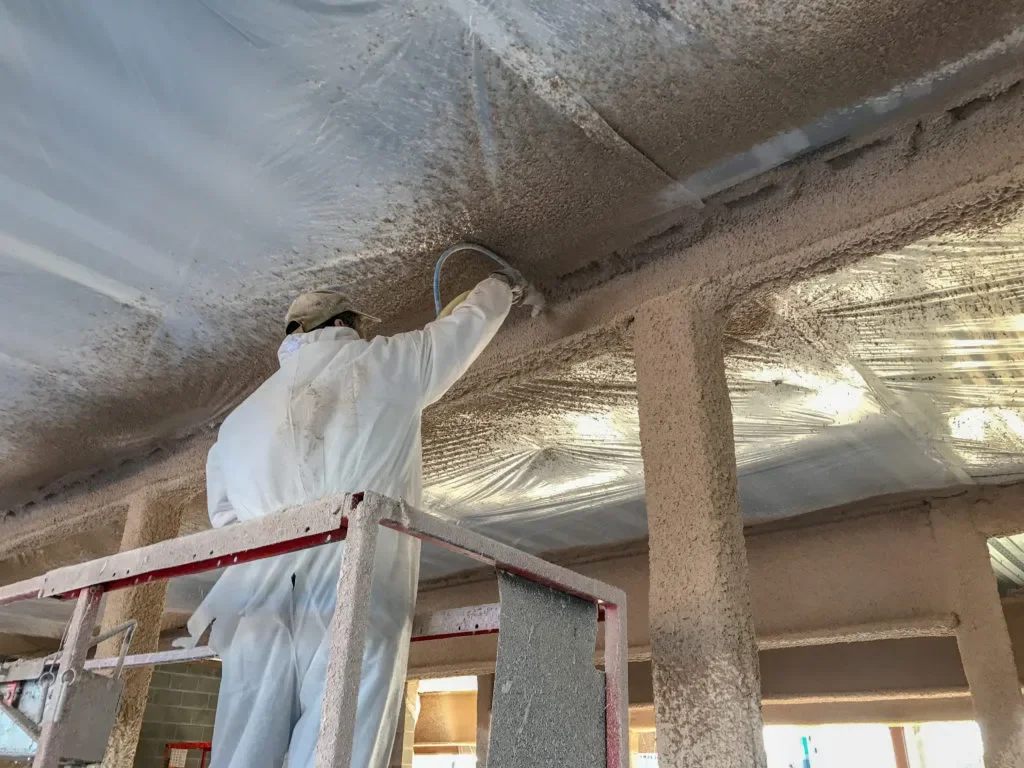
Choosing the right paint is only half the battle. The effectiveness of any intumescent coating depends almost entirely on the Wet Film Thickness (WFT) applied during installation.
If the coating is applied too thinly, it won’t provide the required fire rating. If it is applied too thickly, it may sag, crack, or fail to adhere properly to the substrate. Professional applicators use specialized gauges to monitor WFT throughout the process, ensuring the final dry thickness meets code requirements exactly. Because fire inspectors verify these measurements, hiring a professional for the application is often the most reliable way to avoid delays and ensure your property meets safety standards.
Lamothe Insulation understands that fire protection isn’t just about applying a product; it’s about ensuring that your building meets local safety codes and performance expectations. Whether you are dealing with spray foam compliance or structural steel fireproofing, we help you determine which coating system is appropriate for your specific site conditions.
If you have questions about which coating is right for your project, call us at (508) 847-0119 or email us at [email protected] to discuss your needs.
When applied correctly and kept in the recommended environment, these coatings are designed to last for the lifetime of the building unless damaged or altered.
Yes, but you must use a compatible topcoat specified by the manufacturer, as certain paints can interfere with the coating’s ability to expand during a fire.
Yes, building codes in Massachusetts often require specific fire ratings for structural elements; we recommend verifying your local town permit requirements before starting.
We do not recommend DIY application because ensuring the precise thickness required to pass a professional fire inspection is technically difficult without proper training.
Professional applicators use a wet film thickness gauge during the application process to ensure the amount of paint applied matches the manufacturer’s specification.
Hempel – Provides authoritative information on the chemical mechanism of passive fire protection and how charring protects structures.
National Institute of Building Sciences – Offers government-backed guidance on passive fire protection systems and their role in maintaining structural integrity.