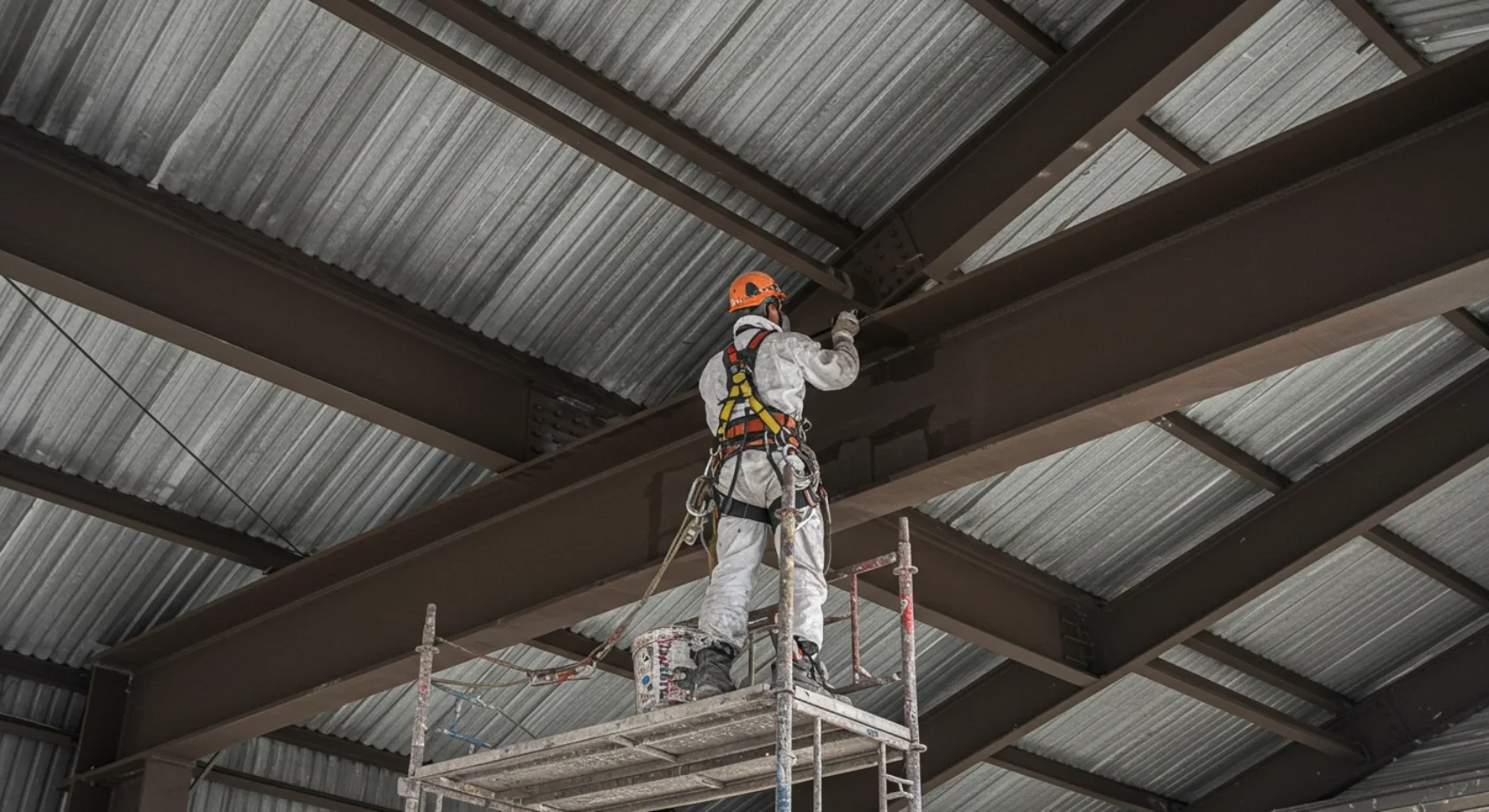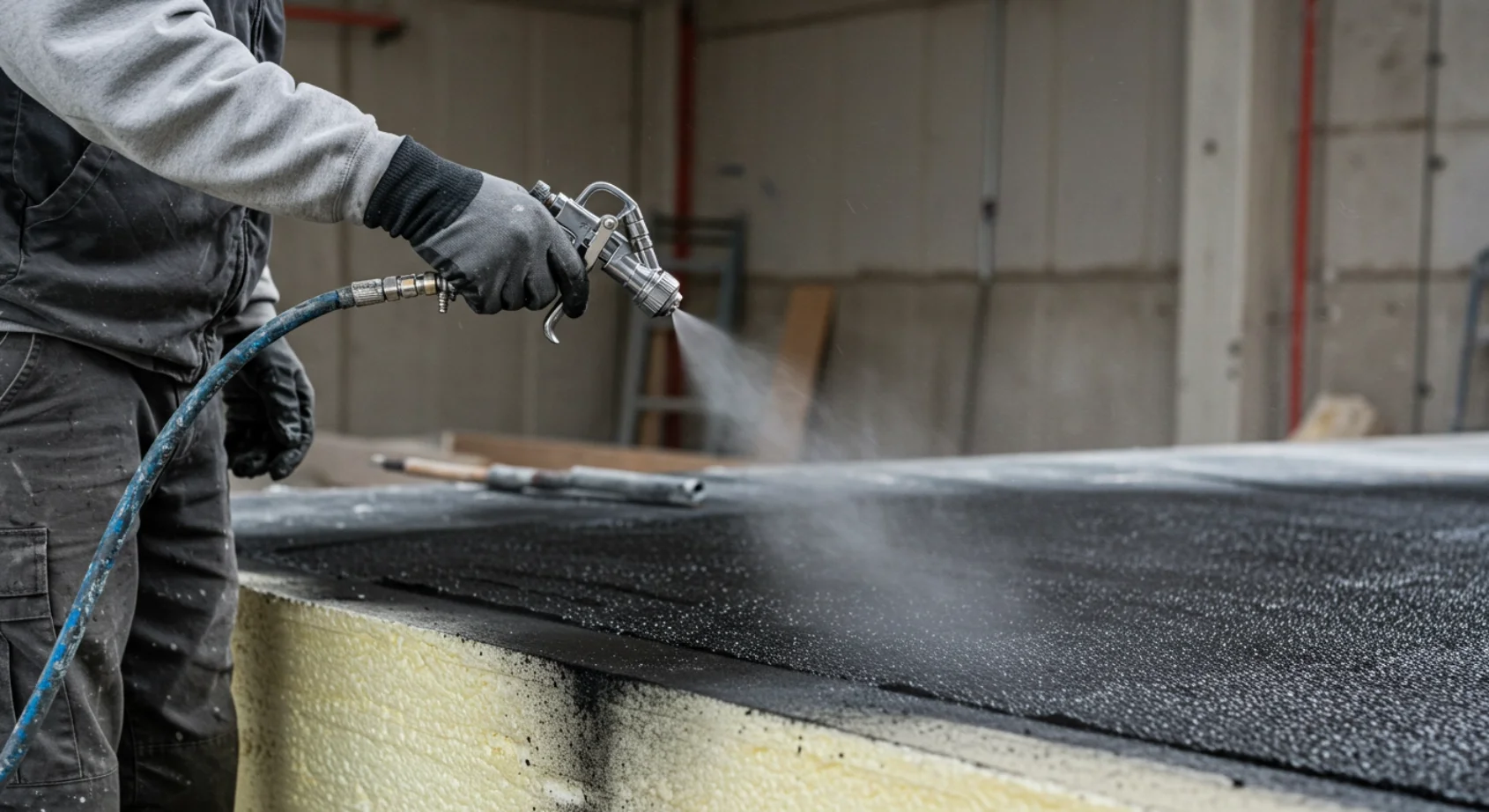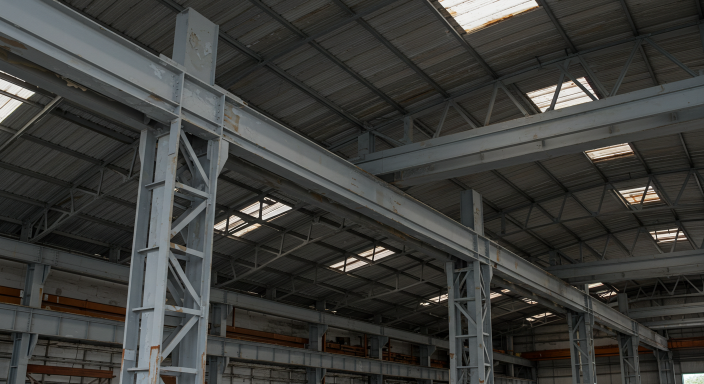
How Is Intumescent Coating Thickness Determined in Spencer, MA?
Determining the required thickness for an intumescent coating is not a matter of guesswork; it is an engineering calculation that…

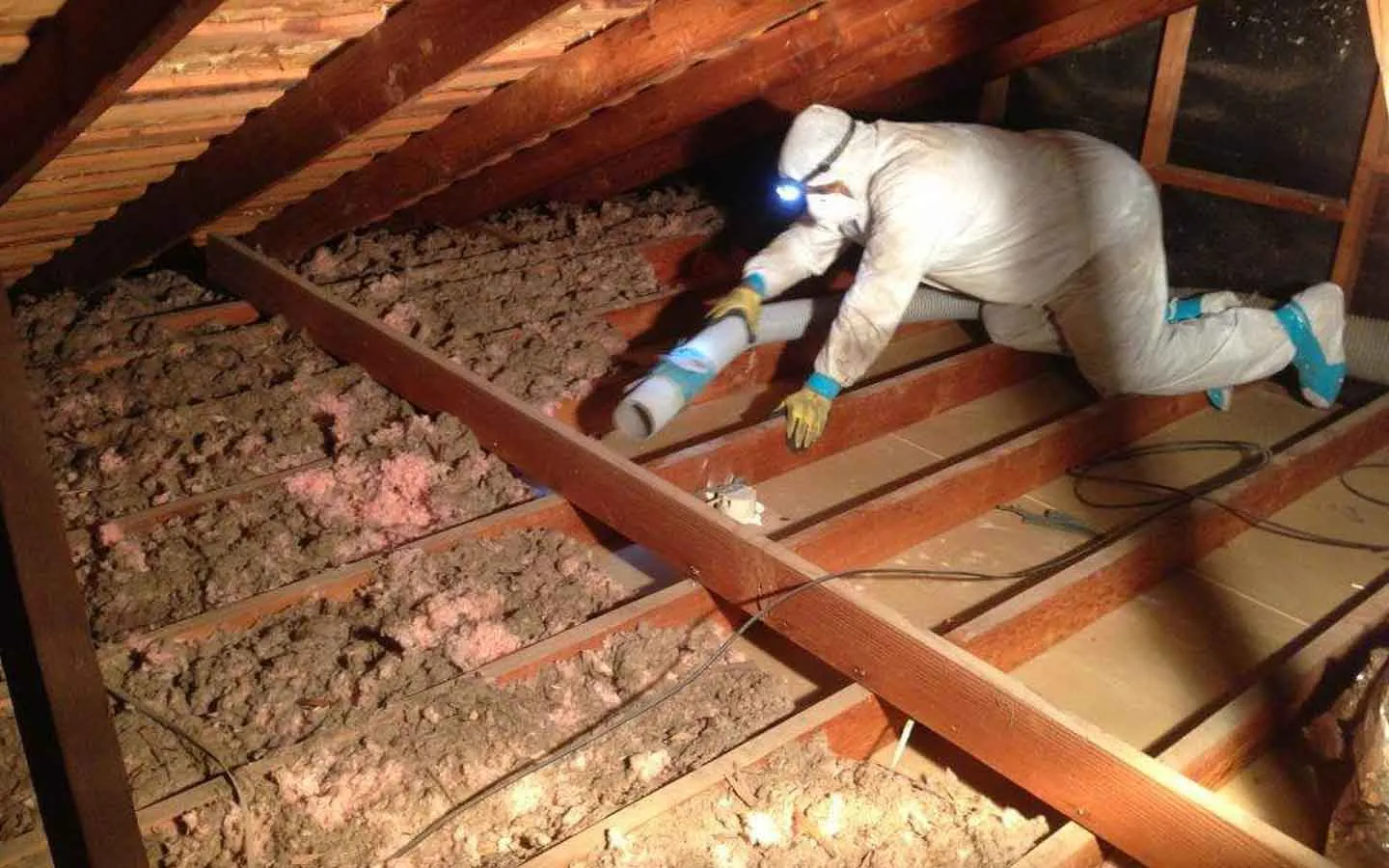
Old attic insulation in Northbridge, MA homes causes rising energy bills, indoor air quality problems, roof damage from ice dams, mold growth, and in some cases, exposure to asbestos-contaminated vermiculite. Northbridge sits in Climate Zone 5, where the U.S. Department of Energy recommends attic insulation levels of R-49 to R-60. Most older homes in the area fall far short of that target, meaning heat escapes through the attic all winter long and your HVAC system works harder than it should.
Northbridge, MA falls squarely within Climate Zone 5, according to the International Energy Conservation Code and the US Department of Energy‘s climate zone map. In this zone, winter temperatures regularly drop below freezing, and the heating season stretches from November through April. The attic is the single largest source of heat loss in most homes because warm air naturally rises, and without a proper thermal barrier, that heat escapes directly through the ceiling and roof.
The DOE explains that insulation works by resisting heat flow, slowing conductive, convective, and radiant heat transfer. When insulation is old, compressed, or settled, its resistance to heat flow drops significantly. An insulating material’s thermal resistance is measured in R-value, and as the DOE notes, compressed insulation will not provide its full rated R-value. This means insulation that was installed decades ago at an acceptable level may now be performing at a fraction of its original capacity.
Most older Northbridge homes were built with far less insulation than modern standards require. The ENERGY STAR recommended R-values for Climate Zone 5 call for R-60 in an uninsulated attic or R-49 where 3 to 4 inches of existing insulation is already present. Many homes we inspect in the Northbridge area have insulation that has settled to R-19 or lower, which is less than a third of what the DOE considers adequate.
| Condition | Typical R-Value | DOE Recommended | Performance Gap |
|---|---|---|---|
| Settled blown-in fiberglass (20+ years old) | R-11 to R-19 | R-49 to R-60 | 60% to 80% below target |
| Compressed fiberglass batts | R-8 to R-13 | R-49 to R-60 | 75% to 85% below target |
| Damp or compacted cellulose | R-10 to R-15 | R-49 to R-60 | 70% to 80% below target |
| Vermiculite (pre-1990) | R-2 to R-2.7 per inch | R-49 to R-60 | 90%+ below target |
Old insulation in Northbridge attics is a magnet for moisture. When warm indoor air rises through ceiling gaps and contacts cold surfaces in an under-insulated attic, condensation forms. Over time, this moisture saturates the insulation and creates ideal conditions for mold. According to the CDC, mold grows where there is moisture, and exposure to moldy environments can cause a stuffy nose, sore throat, coughing, wheezing, burning eyes, and skin rash. People with asthma or mold allergies may experience severe reactions.
The CDC also notes that mold can grow in insulation itself, and the 2004 Institute of Medicine review found sufficient evidence linking indoor mold exposure to upper respiratory tract symptoms in otherwise healthy people. In an attic, mold spores can travel through air gaps, around recessed lights, and through ductwork into every room of the house below. Old insulation that has absorbed moisture over years of winter condensation cycles becomes a persistent source of mold contamination that standard air filters cannot fully address.
Homes in Northbridge built before 1990 may contain vermiculite attic insulation, which the EPA warns could be contaminated with asbestos. The Libby, Montana mine was the source of over 70 percent of all vermiculite sold in the United States from 1919 to 1990, and that deposit was contaminated with asbestos. The EPA advises that homeowners should assume vermiculite insulation contains asbestos and should not disturb it.
Asbestos exposure increases the risk of developing asbestosis, lung cancer, and mesothelioma, and disease may not appear until decades after exposure. If vermiculite is disturbed during a renovation, a contractor working in the attic, or simple storage activities, asbestos fibers can become airborne and settle into living spaces. Removing vermiculite requires a trained and accredited asbestos abatement professional, not a standard insulation contractor.
Old insulation provides nesting material for rodents and insects. Paper-faced fiberglass batts and cellulose insulation are particularly attractive to mice and squirrels, which tunnel through the material and leave behind droppings, urine, and debris. Over time, these contaminants accumulate and circulate through the home whenever air moves between the attic and living spaces. Deteriorating fiberglass can also release loose glass fibers into the air, which irritate the eyes, skin, and respiratory tract.
Old attic insulation is one of the primary contributors to ice dams on Northbridge homes during Massachusetts winters. When heat escapes through the ceiling and warms the roof deck above the attic, snow on the roof melts and runs down toward the eaves. At the eaves, where there is no warm air escaping from below, the water refreezes and forms a ridge of ice. As more snow melts, water pools behind the ice dam and can back up under shingles, penetrating the roof deck and leaking into walls and ceilings.
This cycle repeats throughout the winter and can cause extensive water damage to insulation, drywall, paint, and framing. In severe cases, the repeated freeze-thaw cycle damages the roofing materials themselves, leading to premature roof failure.
When moisture from condensation or ice dam leaks saturates old insulation, the wood framing and roof deck beneath can absorb that moisture and begin to rot. Over years and decades, this leads to weakened structural members, soft spots in the roof deck, and in extreme cases, sagging ceilings. By the time homeowners notice water stains on ceilings or a soft spot when walking on the roof, the structural damage is often already significant.
The DOE states that adding insulation to an existing home can pay for itself within a few years, and that many older homes have less insulation than homes built today. In Northbridge’s cold winters, under-insulated attics force furnaces and boilers to run longer and more frequently to maintain comfortable indoor temperatures. Rooms directly below the attic, often upper-floor bedrooms and bathrooms, feel drafty and cold despite the heating system running constantly.
The energy waste is compounded by air leakage. Old insulation does not seal gaps around penetrations like recessed lights, plumbing vents, electrical wires, and chimney chases. Each of these openings allows warm air to escape freely into the attic, which the DOE identifies as a major contributor to energy loss. Air sealing, combined with proper insulation levels, is the most effective approach to stopping this waste.
Our team has encountered many situations where old attic insulation created significant problems for homeowners in the Northbridge area. Here are representative examples:
| Scenario | Home Type | Problem | Solution | Outcome |
|---|---|---|---|---|
| 1950s Cape | Pre-1970s Cape in Northbridge | Vermiculite insulation with asbestos contamination discovered during renovation | Professional asbestos abatement followed by blown-in cellulose to R-60 | Safe, code-compliant attic with improved warmth and air quality |
| 1980s Colonial | Two-story colonial near Whitinsville | Settled fiberglass batts at R-13 causing ice dams and ceiling leaks every winter | Removed old insulation, air-sealed penetrations, installed blown-in fiberglass to R-49 | Ice dams eliminated, heating costs reduced, no more winter ceiling stains |
| 1970s Ranch | Single-story ranch in Northbridge | Rodent nesting in compressed cellulose, strong musty odor throughout home | Full insulation removal, sanitization, new blown-in cellulose with air sealing | Odor eliminated, rodent entry points sealed, even temperatures room to room |
| 1990s Split-Level | Split-level near Uxbridge border | Inadequate R-19 insulation causing cold upstairs bedrooms and high oil bills | Added R-30 of blown-in fiberglass over existing insulation with air sealing | Upstairs temperature increased by 8 degrees, oil usage dropped noticeably |
| 1960s Garrison | Garrison-style home in Northbridge | Damp, compressed insulation with visible mold on roof sheathing | Mold remediation, ventilation improvements, new insulation to R-60 | Mold eliminated, attic humidity controlled, no recurring moisture issues |
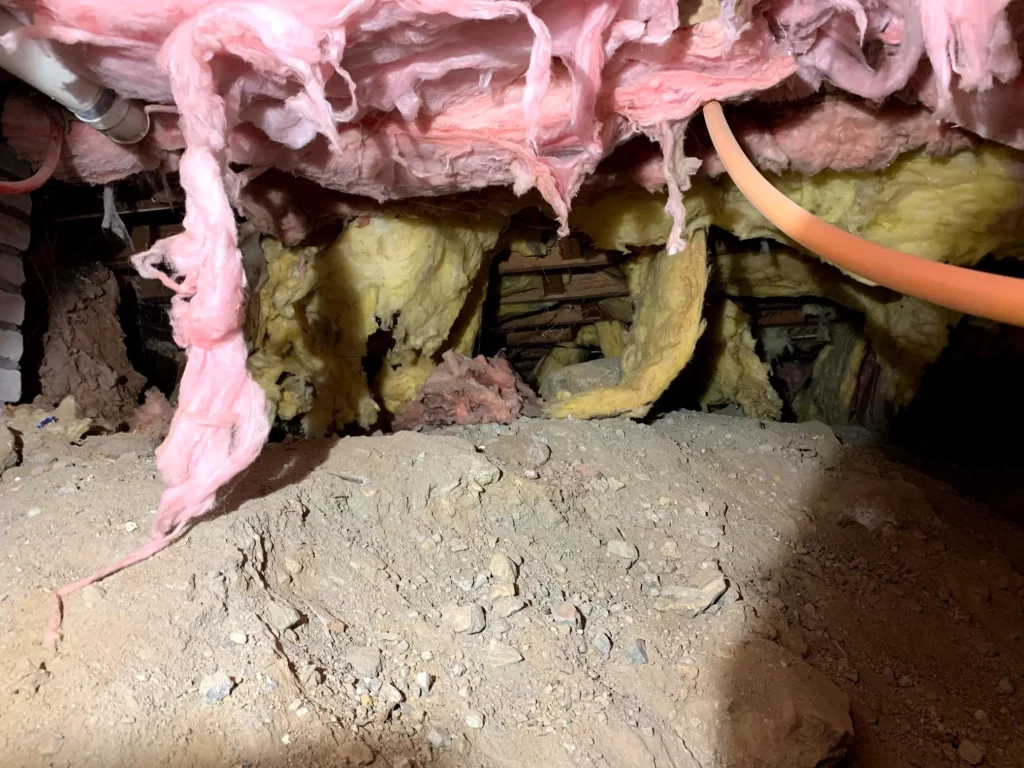
Homeowners in Northbridge should watch for these indicators that their attic insulation is past its useful life:
If any of these signs are present, a professional inspection is the next step. Our team evaluates insulation type, depth, condition, and air sealing needs to give homeowners a clear picture of what needs to be done.
Several variables influence how well attic insulation performs in Northbridge’s Climate Zone 5 conditions:
At Lamothe Insulation and Contracting, we have worked with homeowners throughout the Northbridge area to identify and resolve attic insulation problems. Whether your home has settled fiberglass, moisture-damaged cellulose, vermiculite that needs professional handling, or you simply want to bring your attic up to the R-49 to R-60 standard for Climate Zone 5, our experienced team provides thorough inspections, honest recommendations, and professional insulation installation.
Contact us at (508) 847-0119 or email [email protected] to discuss your attic insulation concerns. We are ready to help you make your home more comfortable, healthier, and energy-efficient.
Request a Free Quote | Schedule an Attic Assessment
If your home was built before 1990 and the insulation has never been updated, or if the material has settled below the tops of ceiling joists, appears compressed, damp, or discolored, it likely needs replacement. A professional inspection can measure the current R-value and confirm whether an upgrade is needed.
Yes. Old insulation that has absorbed moisture can harbor mold, which the CDC links to respiratory symptoms, coughing, wheezing, and worsened asthma. Insulation contaminated with pest droppings or deteriorating fiberglass fibers can also circulate allergens and irritants through your home’s air.
Do not disturb it. The EPA advises that vermiculite insulation should be assumed to contain asbestos and left undisturbed until a trained and accredited asbestos abatement professional can safely evaluate and, if necessary, remove it.
Proper attic insulation combined with air sealing and adequate ventilation addresses the root cause of ice dams, which is heat escaping through the ceiling and warming the roof deck. This prevents the melt-and-refreeze cycle that creates ice dams along the eaves.
Northbridge is in Climate Zone 5, where the DOE and ENERGY STAR recommend R-49 to R-60 for attics. This typically translates to roughly 14 to 19 inches of blown-in fiberglass or 10 to 16 inches of blown-in cellulose, depending on the specific material and installation method.