
Lamothe Insulation Logo

Our Blog- Unlock Your Knowledge About Spray foam insulation

Why Your Worcester Property Is Losing Energy and How Spray Foam Can Fix It?

Why Your Worcester Property Is Losing Energy and How Spray Foam Can Fix It?

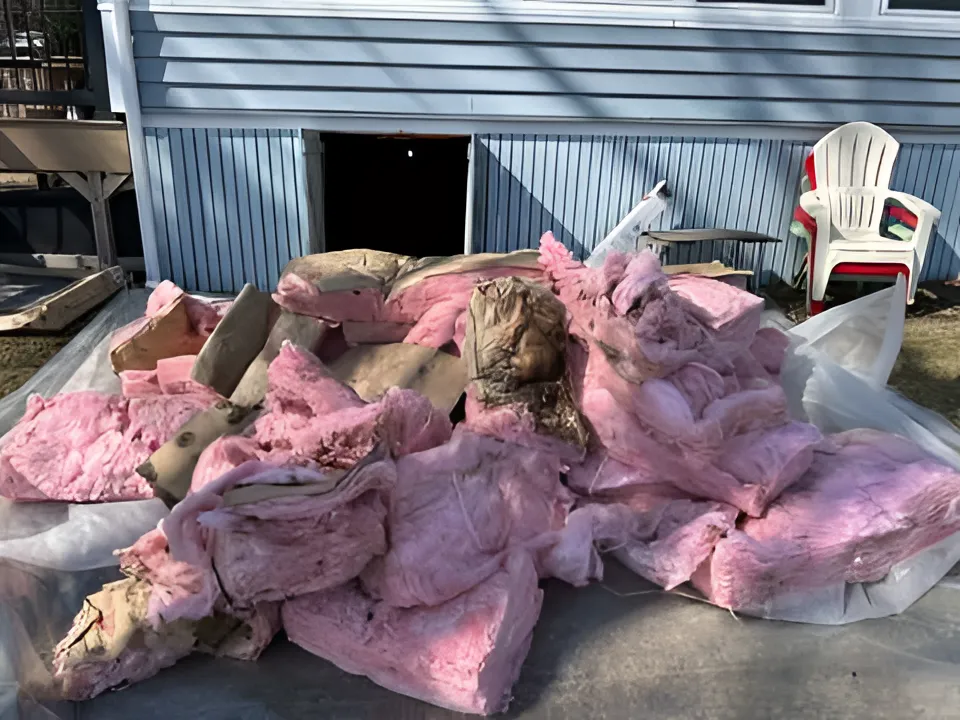
Your Worcester property loses energy through air leaks, inadequate insulation, and thermal bridging that forces your heating system to work overtime during Massachusetts’ harsh winters. Spray foam insulation creates an airtight seal that stops this energy waste by filling gaps and cracks where traditional insulation fails, reducing heat loss by up to 50% compared to […]
Read more
Insulation Thickness and Density: How They Affect Noise Reduction

Insulation Thickness and Density: How They Affect Noise Reduction

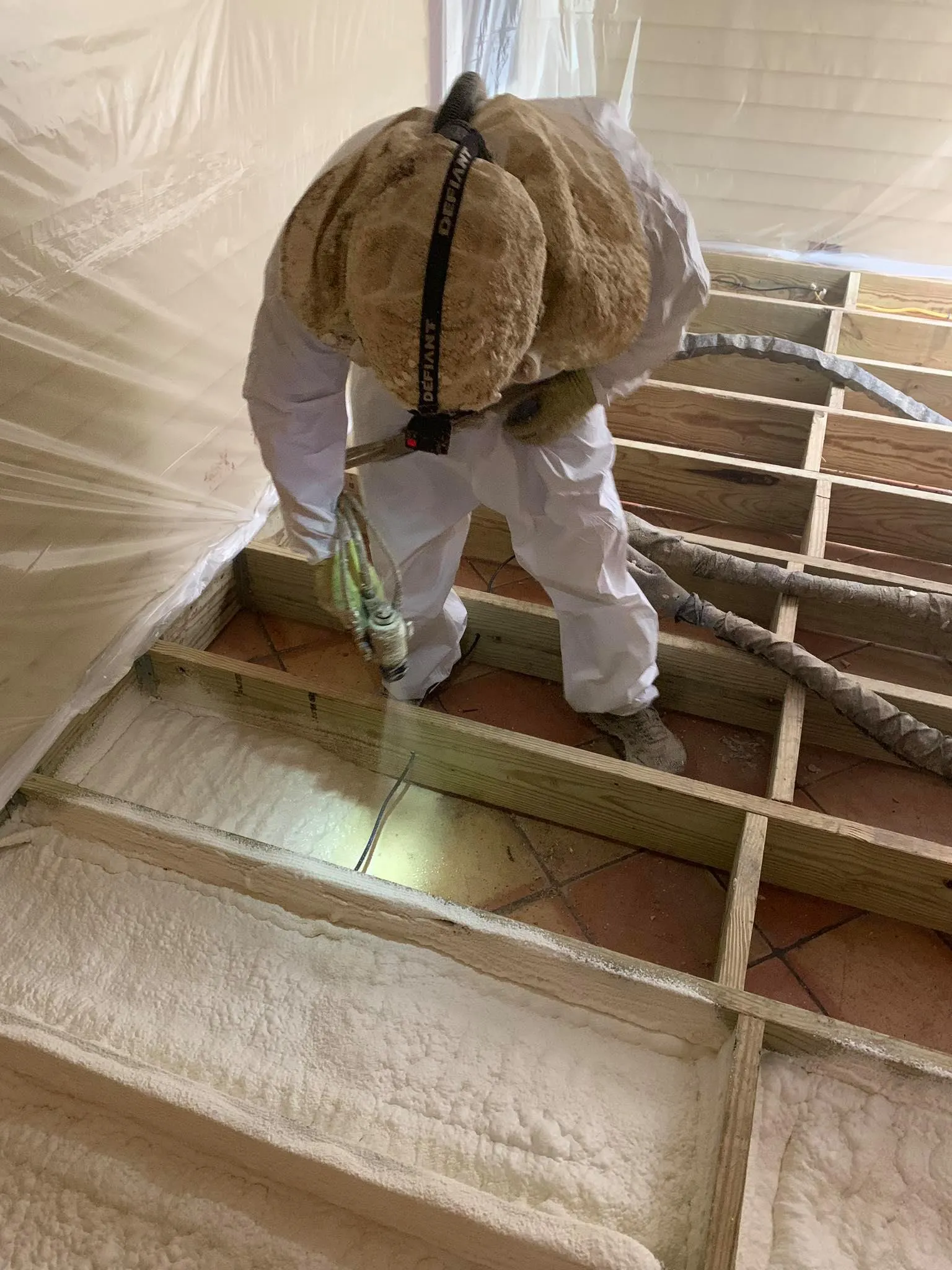
The effectiveness of insulation for noise reduction depends primarily on two physical properties: thickness and density. Thicker insulation blocks more sound by providing more material for sound waves to travel through, while denser insulation absorbs sound energy better by converting it into heat through friction. For optimal noise control, you need both sufficient thickness to […]

Read more
Spray Foam Insulation for Attics: What Homeowners Should Know

Spray Foam Insulation for Attics: What Homeowners Should Know

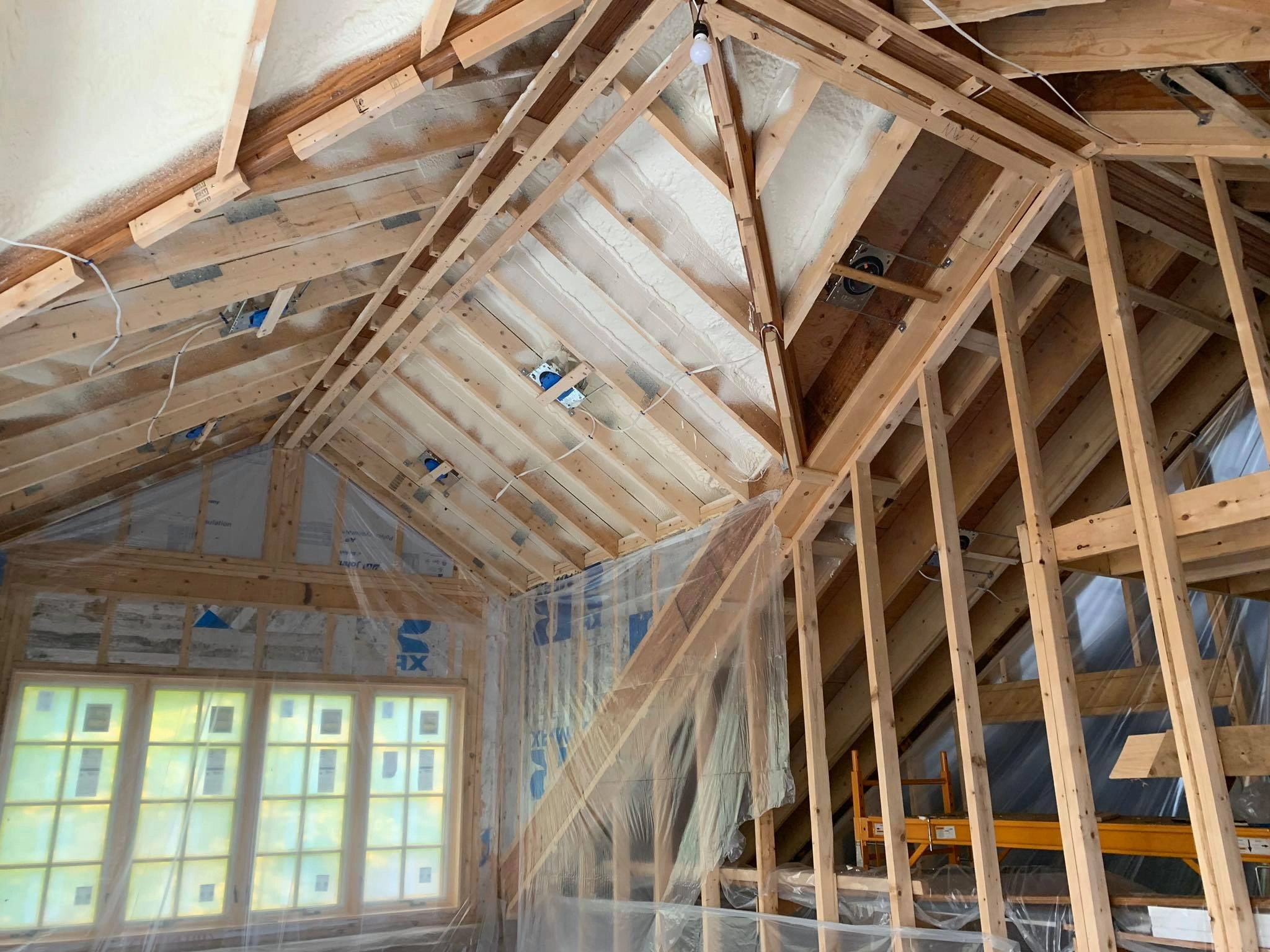
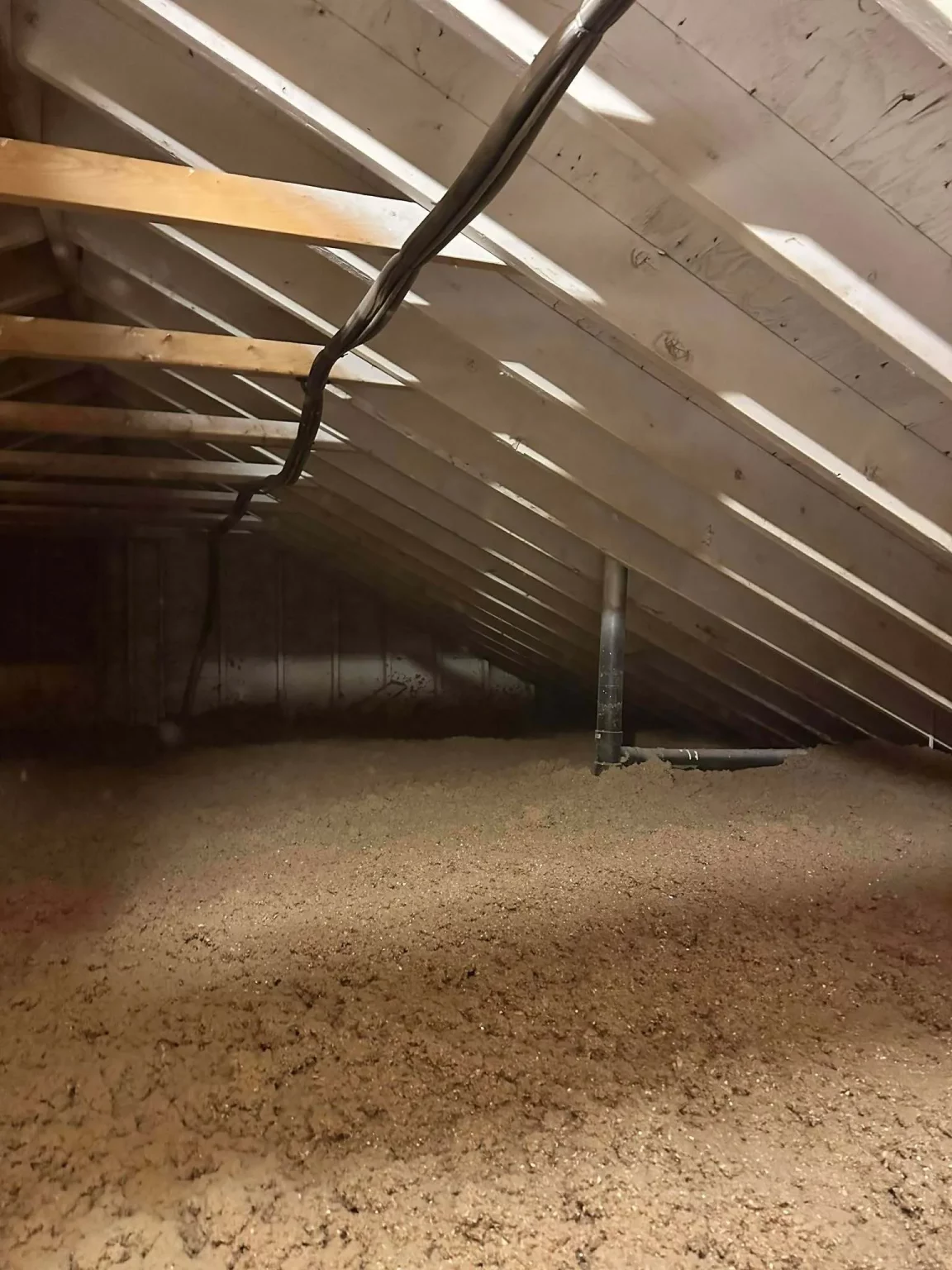
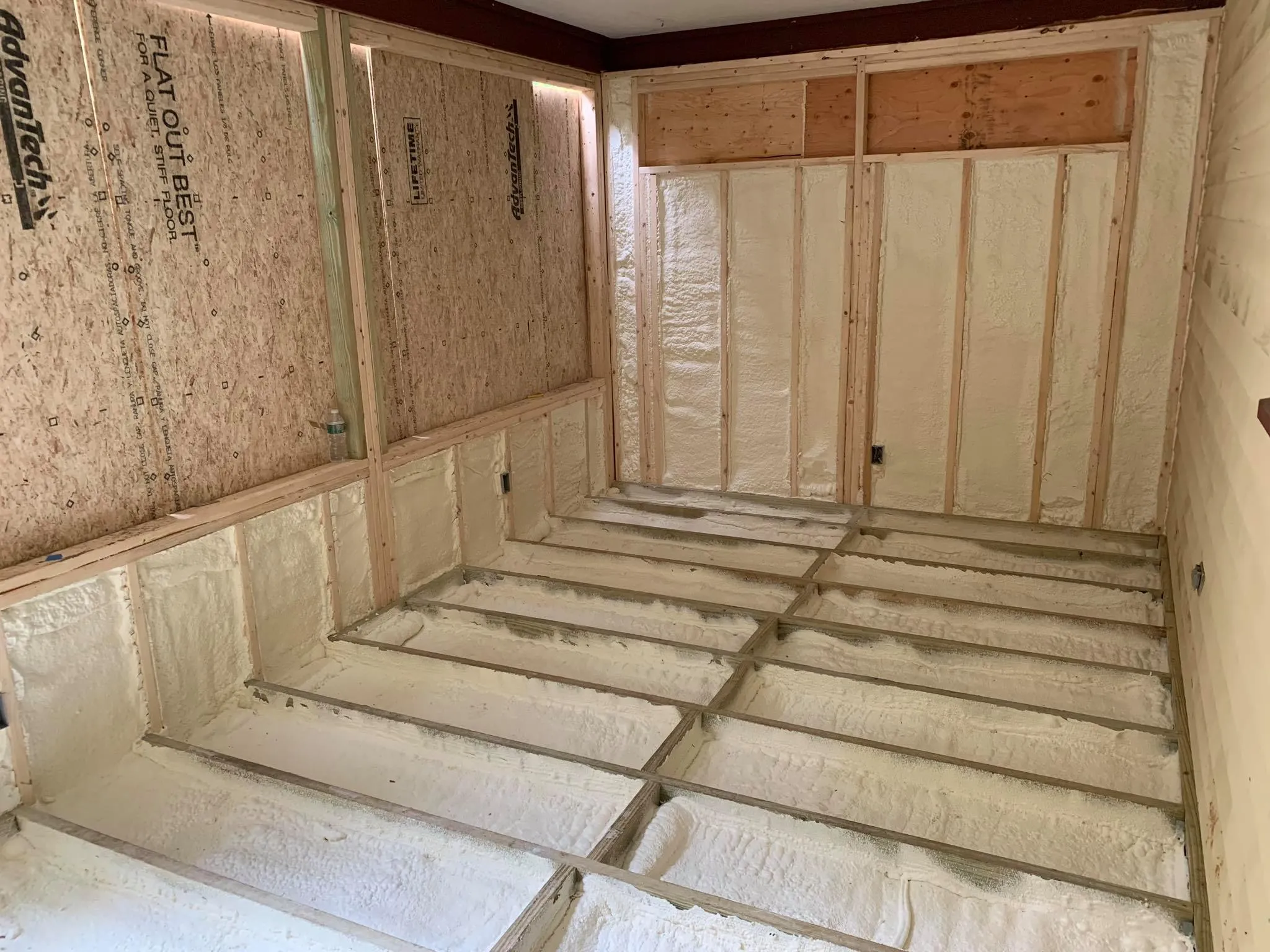
Spray foam insulation for attics offers stronger thermal performance and air sealing than fiberglass or cellulose, which is why it’s become the go-to option for homeowners dealing with ice dams, high energy bills, or an attic that never seems to hold temperature. It works by expanding to fill gaps and cracks, forming a continuous barrier […]

Read more
The Role of Blown-In Insulation in Preventing Roof Leaks in Millbury, MA

The Role of Blown-In Insulation in Preventing Roof Leaks in Millbury, MA

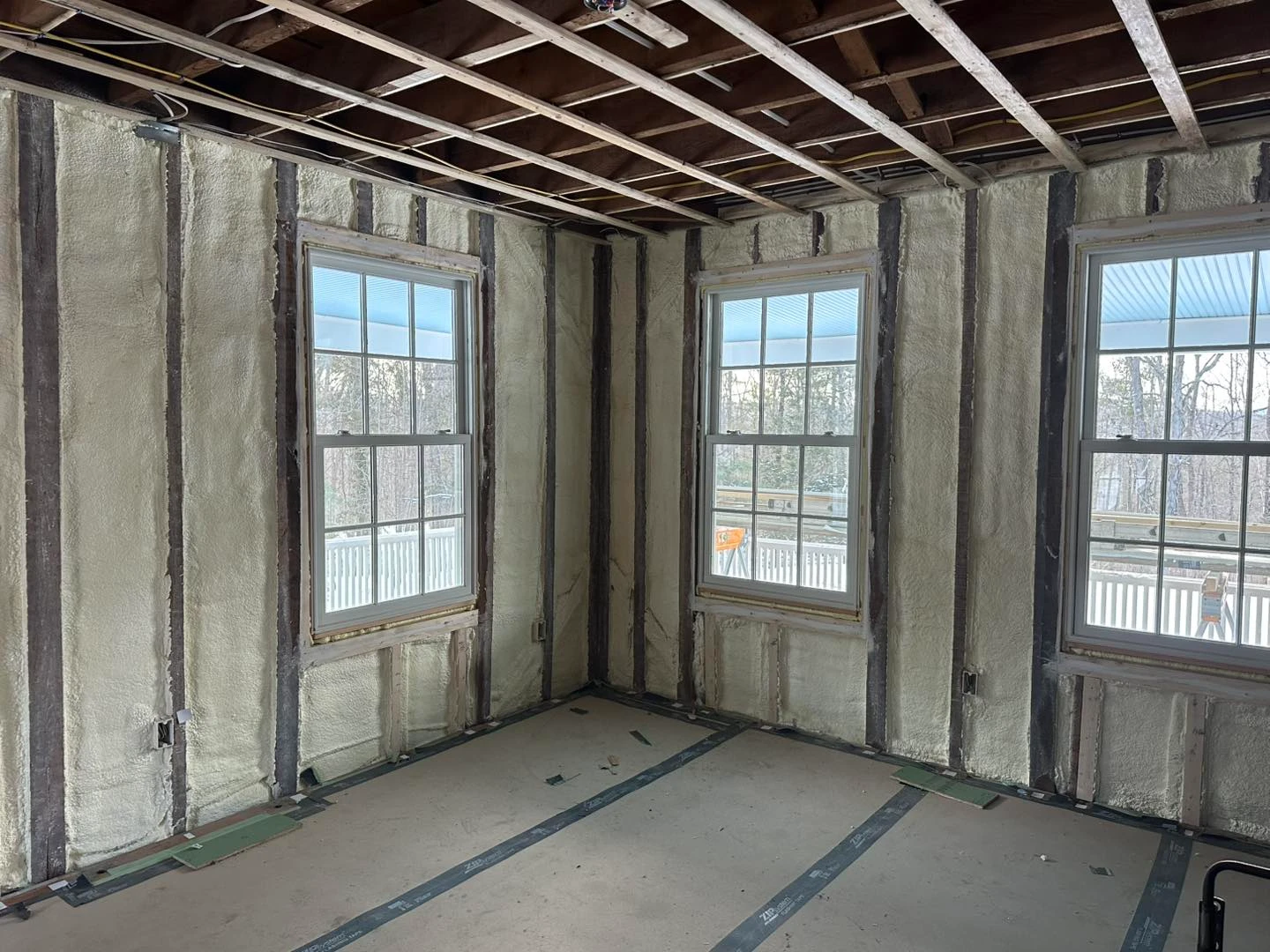
Blown-in insulation serves as a critical defense system against roof leaks in Millbury, MA by creating a continuous thermal barrier that prevents condensation, ice dams, and moisture penetration. Unlike traditional batt insulation, blown-in materials fill every gap and cavity, eliminating air pathways where water vapor can travel and cause damage. In Millbury’s climate, where winters […]

Read more
Understanding the Process of Safe Asbestos Insulation Removal

Understanding the Process of Safe Asbestos Insulation Removal

Safe asbestos insulation removal requires professional containment, specialized equipment, and strict adherence to federal safety protocols. The process involves identifying asbestos-containing materials, establishing controlled work areas with negative air pressure, wearing proper personal protective equipment, carefully removing the material while keeping it wet to prevent fiber release, and disposing of it at approved hazardous waste […]

Read more
Can Removing Old Insulation Reduce Musty Odors in Your Whitinsville, MA Property?

Can Removing Old Insulation Reduce Musty Odors in Your Whitinsville, MA Property?

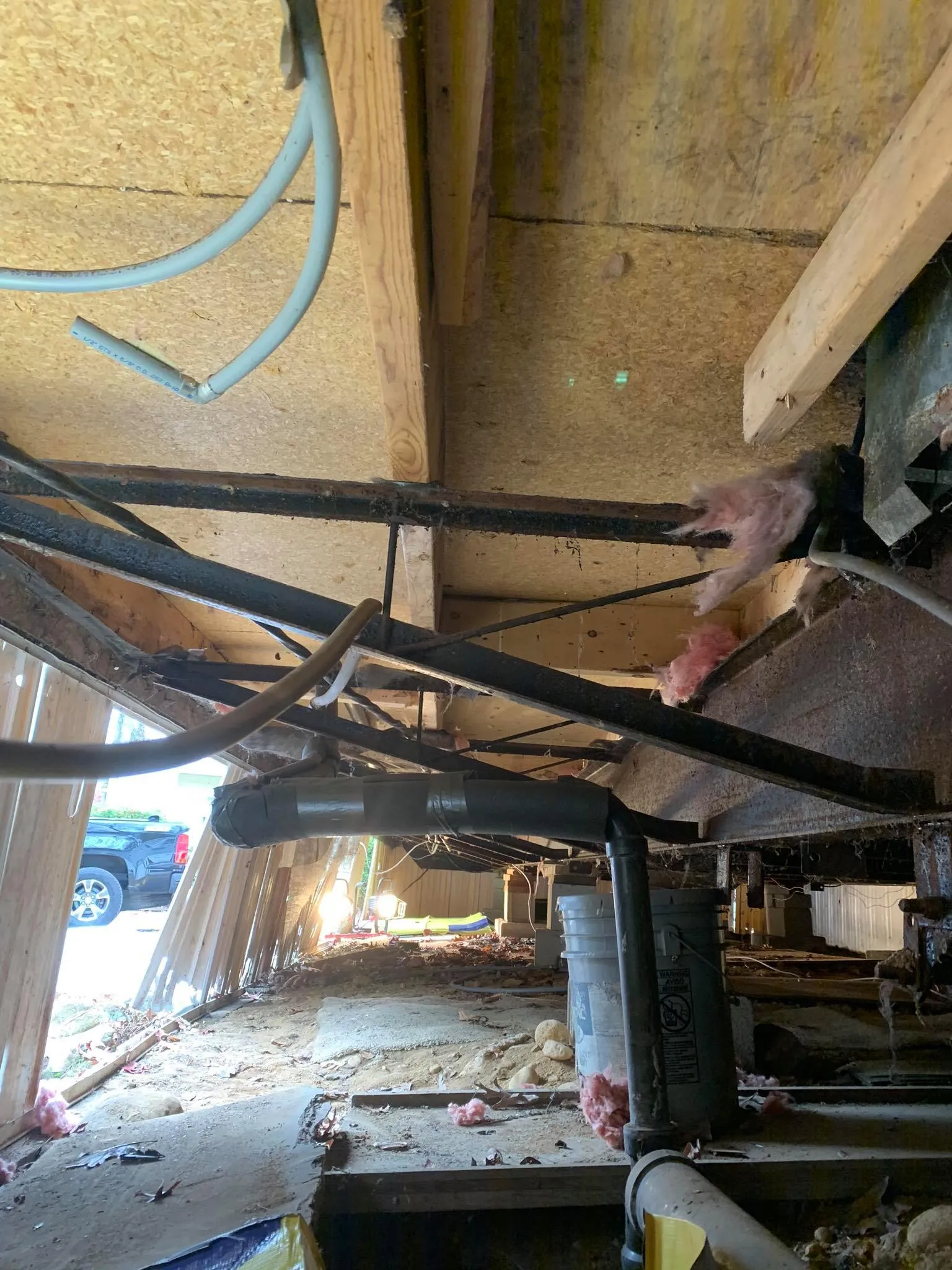
Yes, removing old insulation can significantly reduce musty odors in your Whitinsville, MA, property. Old insulation often harbors moisture, mold, mildew, and pests that create persistent smells. When insulation becomes saturated with humidity or contaminated by rodent droppings, it becomes a breeding ground for odor-causing bacteria. The removal process eliminates these sources at their origin, […]

Read more
Stopping Mold Growth: Why Insulation Removal is the First Step

Stopping Mold Growth: Why Insulation Removal is the First Step

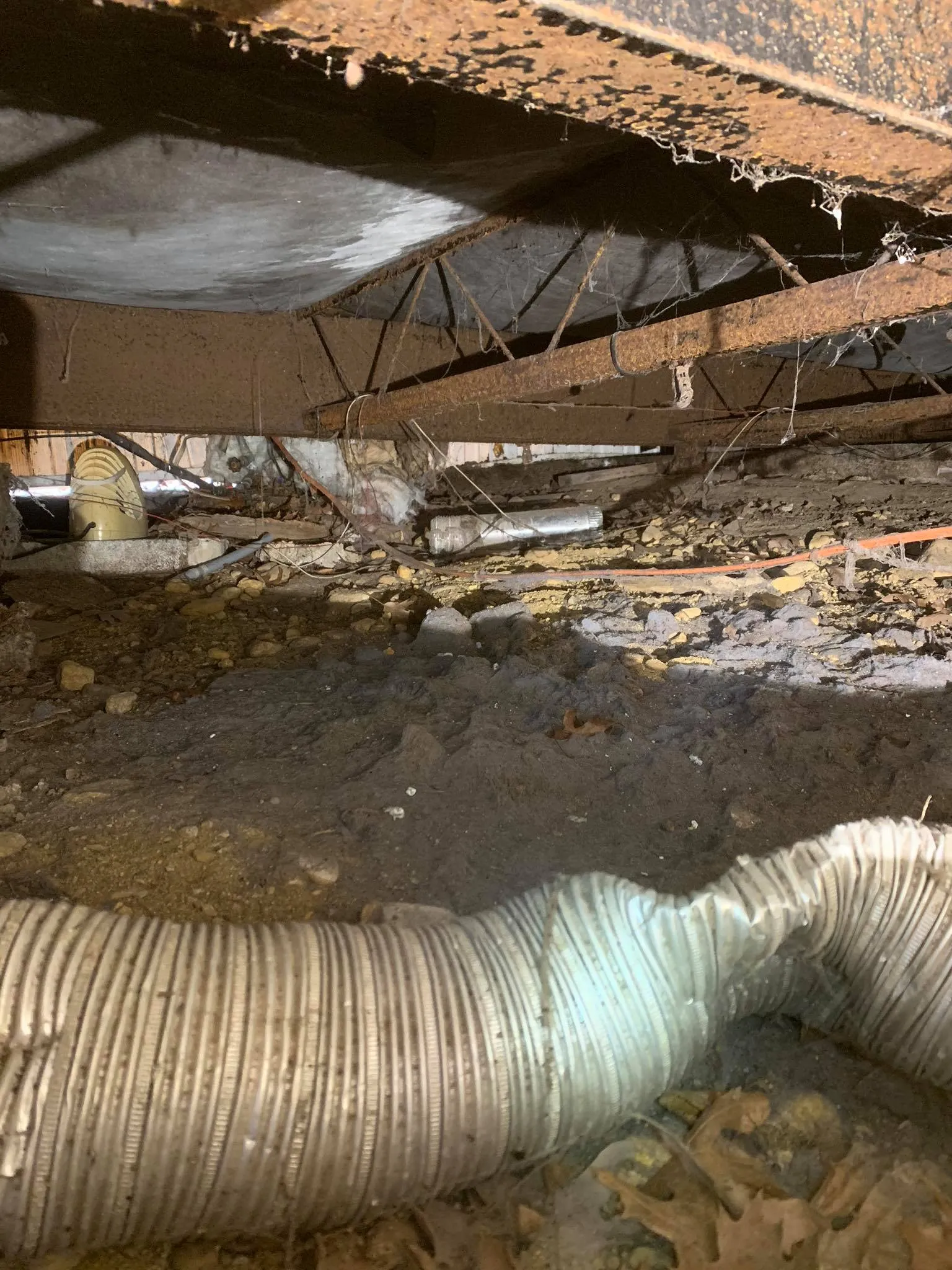
Removing contaminated insulation is the essential first step in stopping mold growth because insulation materials act as sponges that trap moisture and provide the perfect environment for mold spores to multiply. Once mold establishes itself in insulation, it spreads rapidly through the material’s fibers and cannot be effectively cleaned or treated without complete removal. This […]

Read more
Noise Reduction Comparison: Open-Cell vs Closed-Cell Spray Foam for Soundproofing

Noise Reduction Comparison: Open-Cell vs Closed-Cell Spray Foam for Soundproofing

Open-cell spray foam generally provides superior noise reduction compared to closed-cell foam. Its lower density and open If you’re comparing open-cell vs closed-cell foam for soundproofing, the short answer is that these two materials handle sound in completely different ways. Open-cell foam absorbs sound waves inside its soft, porous structure. Closed-cell foam is dense enough […]

Read more
© 2024 All Rights Reserved. Lamothe Insulation & Contracting.
Secret Link
Skip to content