How to Address Uneven Insulation Coverage With Open-Cell Spray Foam in Worcester, MA
Fixing uneven insulation coverage with open-cell spray foam in Worcester, MA starts with diagnosis, not with more foam. Our team…


Fixing uneven insulation coverage with open-cell spray foam in Worcester, MA starts with diagnosis, not with more foam. Our team follows a four-step process: document where the coverage falls short using depth probes and thermal imaging, identify why it happened, choose the right corrective strategy, and verify the repair with an air-sealing test. The fix usually falls into one of four categories: a touch-up pass over thin spots, trimming and re-spraying defective areas, removing and reapplying foam where the chemistry failed, or topping off thin foam with a compatible air-permeable insulation. Open-cell foam delivers roughly R-3.8 per inch and only functions as a true air barrier at about 5.5 inches of thickness, so patchy coverage quietly drains comfort and energy performance during Central Massachusetts’ long heating season. The right corrective approach depends on the depth of the gaps, whether the original foam cured properly, and the assembly you are insulating, and the sections below walk through each decision in order.
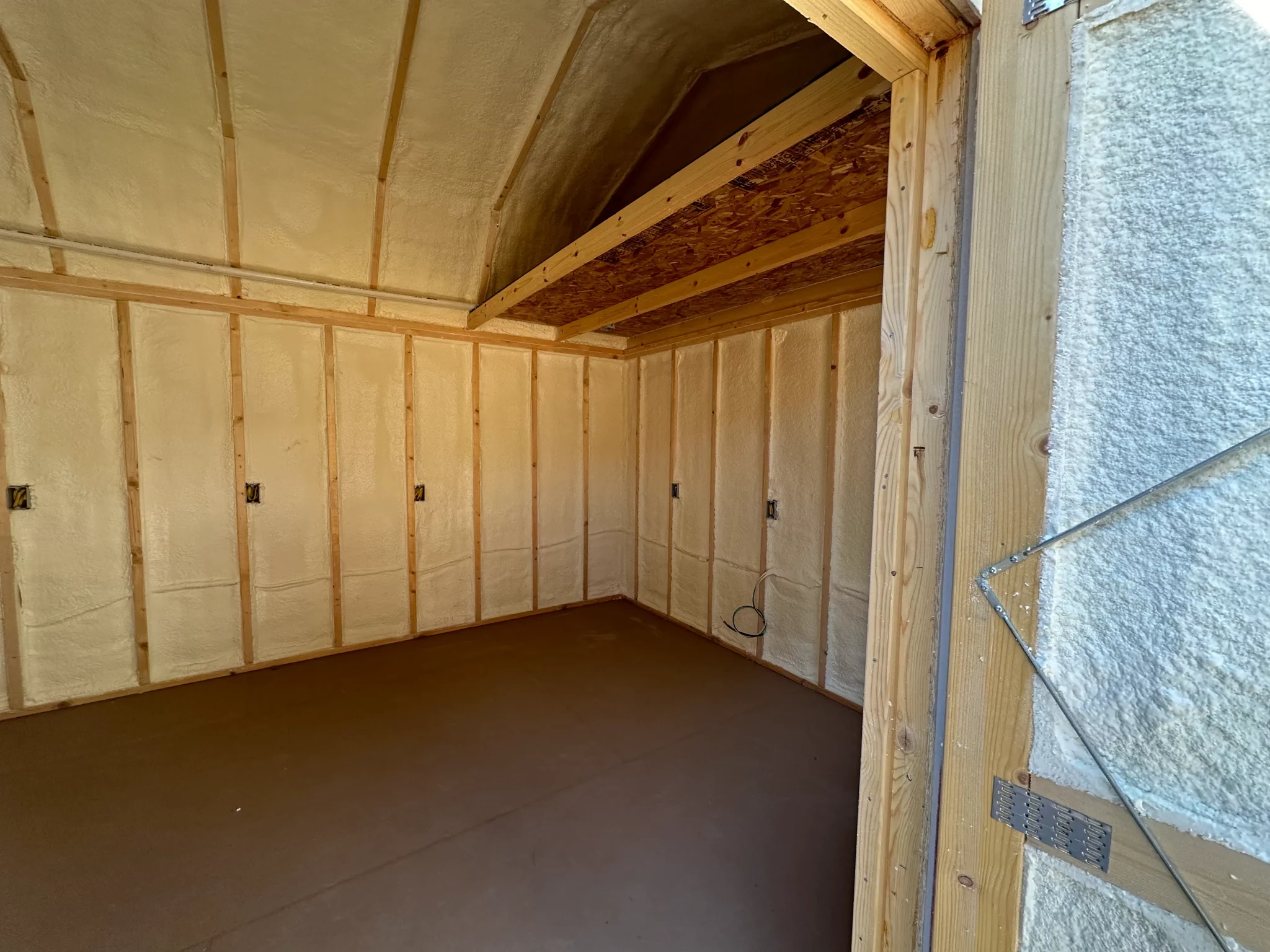
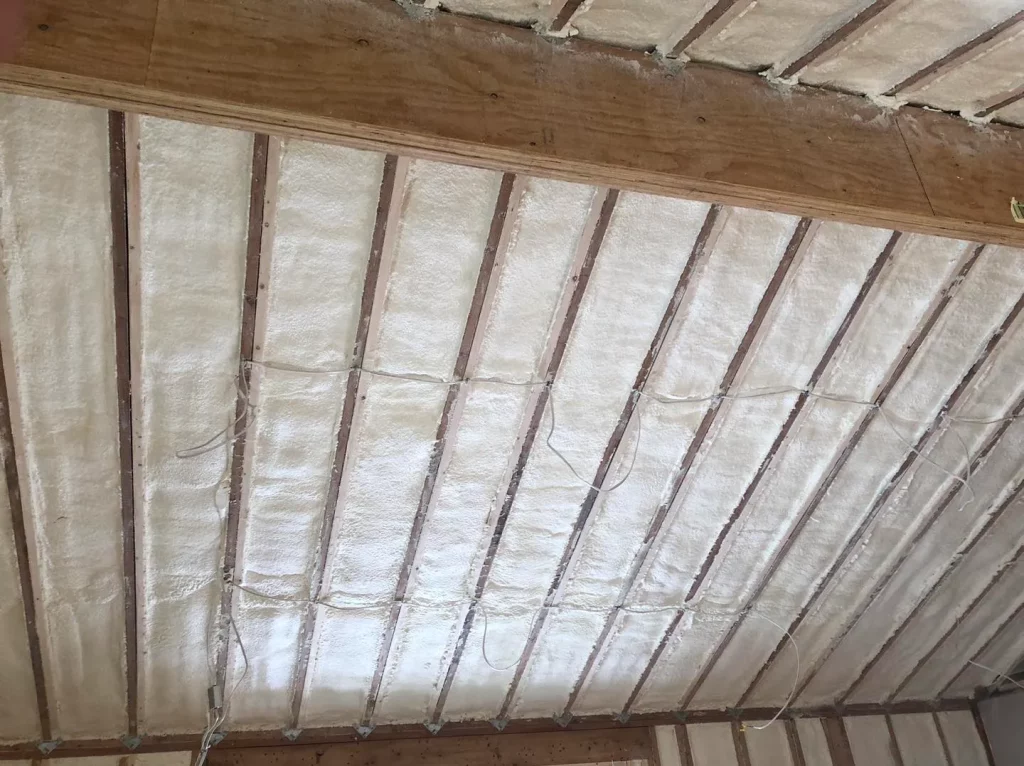
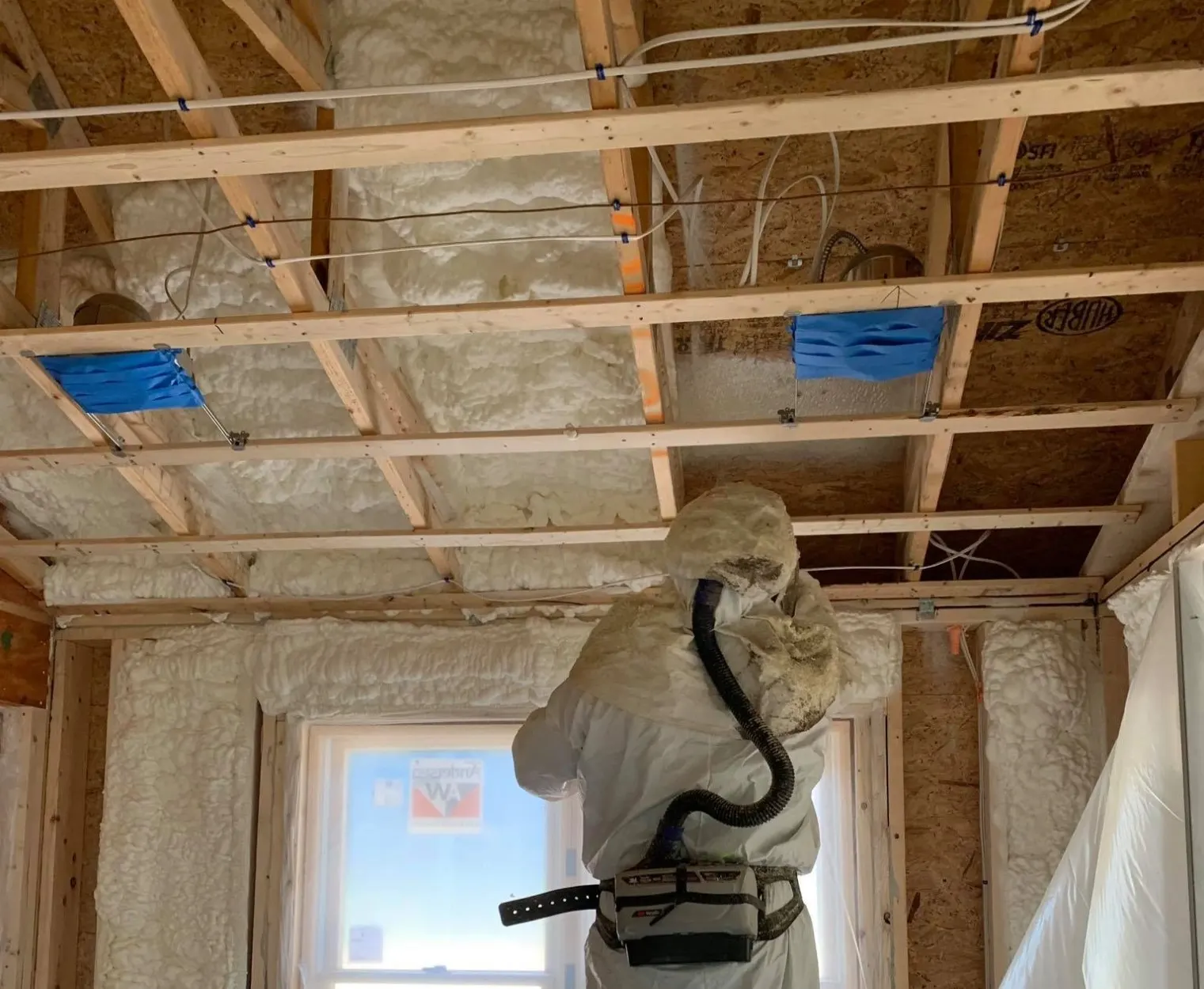
Open-cell foam insulation starts as two liquid chemicals, side A and side B, that meet at the gun and expand up to 30 to 60 times their liquid volume in seconds (Wikipedia – Spray foam). That explosive expansion is exactly what makes coverage so sensitive to conditions. The most frequent failure points we see in Worcester attics and rim joists include:
Worcester sits in a cold, humid climate zone where January temperatures regularly stay below freezing and heating systems run for six months or more. The US baseline recommendation for attic insulation is at least R-38, and thin or missing foam cuts effective R-value far below that line even when the assembly looks finished . Here is what gaps actually do:
Guessing at the problem leads to spraying over symptoms. Our inspection ladder moves from simple to technical:
| Diagnostic Method | What It Detects | How It Works | Best Used When |
|---|---|---|---|
| Visual walk-through | Missing bays, voids, delamination, charred or crumbly foam | Direct inspection of accessible attic and rim joist areas | Always, as the first step |
| Depth probing | Foam that is thinner than the target thickness | Ruler or probe measurement at set intervals across the plane | Foam looks full but comfort complaints persist |
| Infrared thermography | Cold streaks, voids behind finished surfaces, thermal bridges | Camera maps surface temperature differences on a cold day | Finished ceilings and walls where foam is hidden |
| Blower door test | Whole-envelope air leakage caused by gaps | Fan depressurizes the home and quantifies leaks | Verifying air barrier performance before and after repair |
A professional energy audit bundles several of these checks and is the most reliable way to confirm whether the insulation itself or other building issues are driving the problem.
| Fix Strategy | Best For | Key Steps | Expected Outcome | Limitations |
|---|---|---|---|---|
| Touch-up pass | Thin but healthy foam in accessible areas | Clean and dry the surface, apply corrective lifts to target depth | Restores R-value and air barrier continuity | Not suitable over contaminated or off-ratio foam |
| Trim and re-spray | Charred, shrunk, or soft sections | Cut out defective foam, inspect substrate, reapply in proper lifts | Removes the chemistry problem at the source | More labor; requires substrate repair in places |
| Removal and reapplication | Widespread failure or moisture contamination | Mechanical removal, moisture diagnosis, full re-spray | Clean slate with correct material and depth | Largest scope; building must be properly vented during work |
| Supplemental top-off | Thin foam with limited access or budget pressure | Add air-permeable insulation (such as blown cellulose) over the foam plane | Boosts total R-value without re-spraying | Does not repair adhesion failures; foam below must be sound |
Use these depth benchmarks before signing off on any corrective work, based on Worcester open-cell foam‘s roughly R-3.8 per inch performance:
| Application | Air Barrier Threshold | Typical Target Depth | Approximate R-Value |
|---|---|---|---|
| Cathedral ceilings / roof decks | 5.5 in | 10 to 12 in | R-38 to R-46 |
| Attic slopes and kneewalls | 5.5 in | 8 to 10 in | R-30 to R-38 |
| Rim joists and band boards | 5.5 in where full depth allows | Fill to cavity depth | R-15 to R-20 |
Remember that thin layers of open-cell foam do not act as a vapor barrier, so depth and air-sealing continuity carry the performance load in a Worcester assembly. Air barrier materials themselves are measured against defined permeance limits under standards such as ASTM E2178, which is why verified thickness and continuity matter more than visual appearance alone (Wikipedia – Air barrier).
Re-spraying follows the same hazard controls as original installation. Isocyanate exposure is linked to occupational asthma, skin and respiratory irritation, and sensitization, meaning future exposures can trigger reactions at even low concentrations. Our corrective crews follow EPA guidance on ventilation, occupant vacating, and safe re-entry timing, and we use contractor-to-client communication checklists so homeowners know exactly when the space is ready again. If you want to understand the material before considering corrective work, our open-cell spray foam guide covers the basics. Once foam fully cures, it becomes inert, but the work zone stays off-limits until that point.
Lamothe Insulation and Contracting has diagnosed and corrected open-cell spray foam coverage problems across Worcester, MA and Central Massachusetts for years, from thin attic slopes in century-old colonials to voided rim joists in triple-deckers. Our team brings the depth probes, thermal imaging, blower door testing, and corrective spraying equipment needed to find the real gaps and close them permanently. Call us at (508) 847-0119 or email [email protected] to talk through your situation with a real applicator, not a call center.
Stop losing heat through gaps you cannot see. One assessment gives you documented depths, a clear repair plan, and verified results.
Open-cell foam needs about 5.5 inches to form an air barrier, and most Worcester roof deck applications target 10 to 12 inches to reach R-38 or better. Measure with a probe at set intervals rather than trusting appearances.
Yes, if the existing foam is fully cured, clean, dry, and structurally sound. Defective or off-ratio foam should be trimmed out first so the new pass bonds to a healthy surface.
It can be, because gaps let warm humid air reach cold sheathing where condensation forms. Foam that was applied incorrectly or in damp conditions can trap moisture against roof structures over time.
Follow the vacate and re-entry guidance provided by your contractor, which EPA directs installers to communicate before work begins. Occupants return only after the foam has cured and the space has been ventilated per the plan.
No, removal is reserved for widespread chemistry failures or moisture contamination. Isolated thin spots and voids are usually corrected with targeted touch-up passes or a supplemental top-off layer.