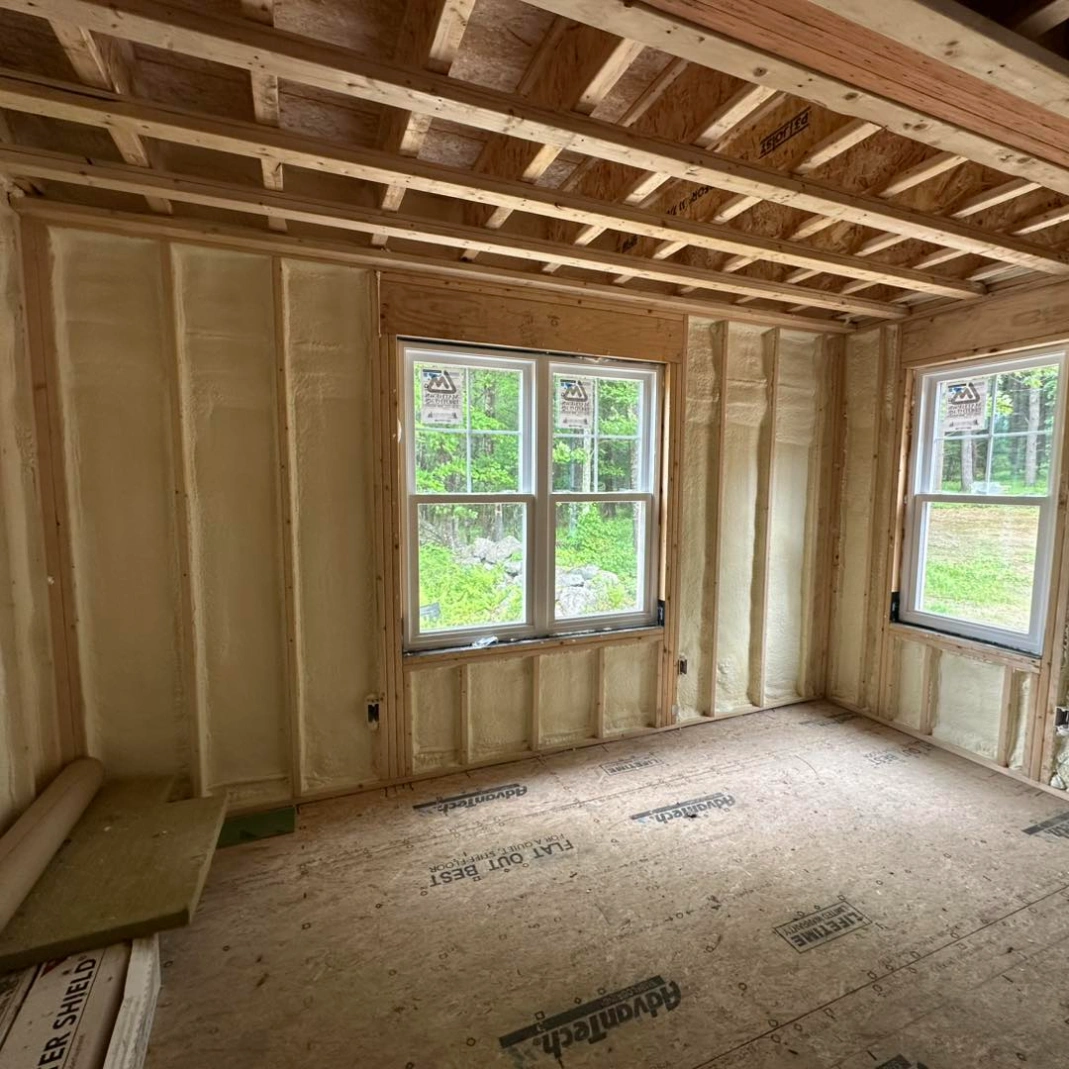
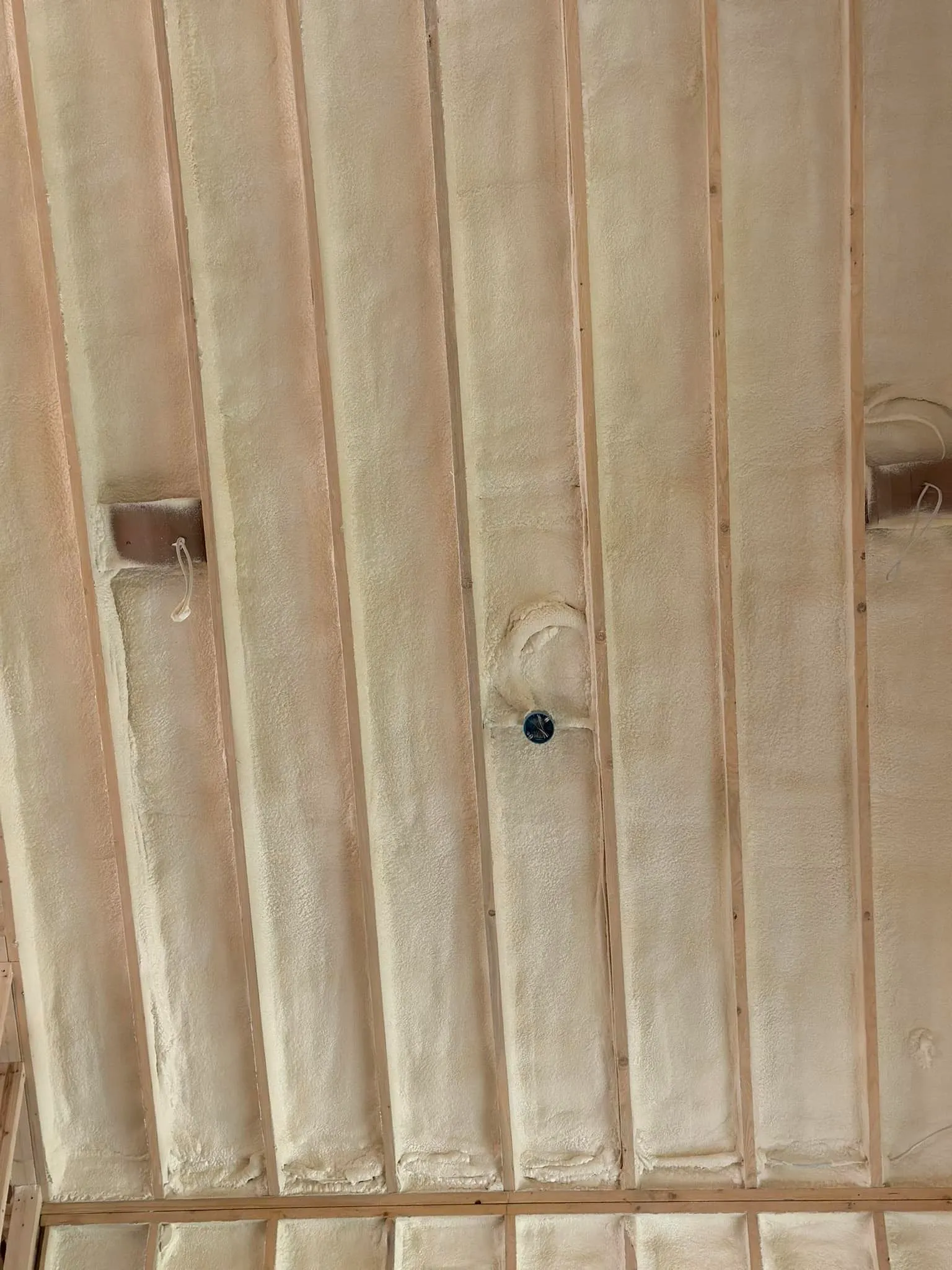
How Closed-Cell Spray Foam Creates a Continuous Air Seal in Worcester, MA
Closed-cell spray foam creates a continuous air seal by applying liquid polyurethane that expands up to 60 times its original…


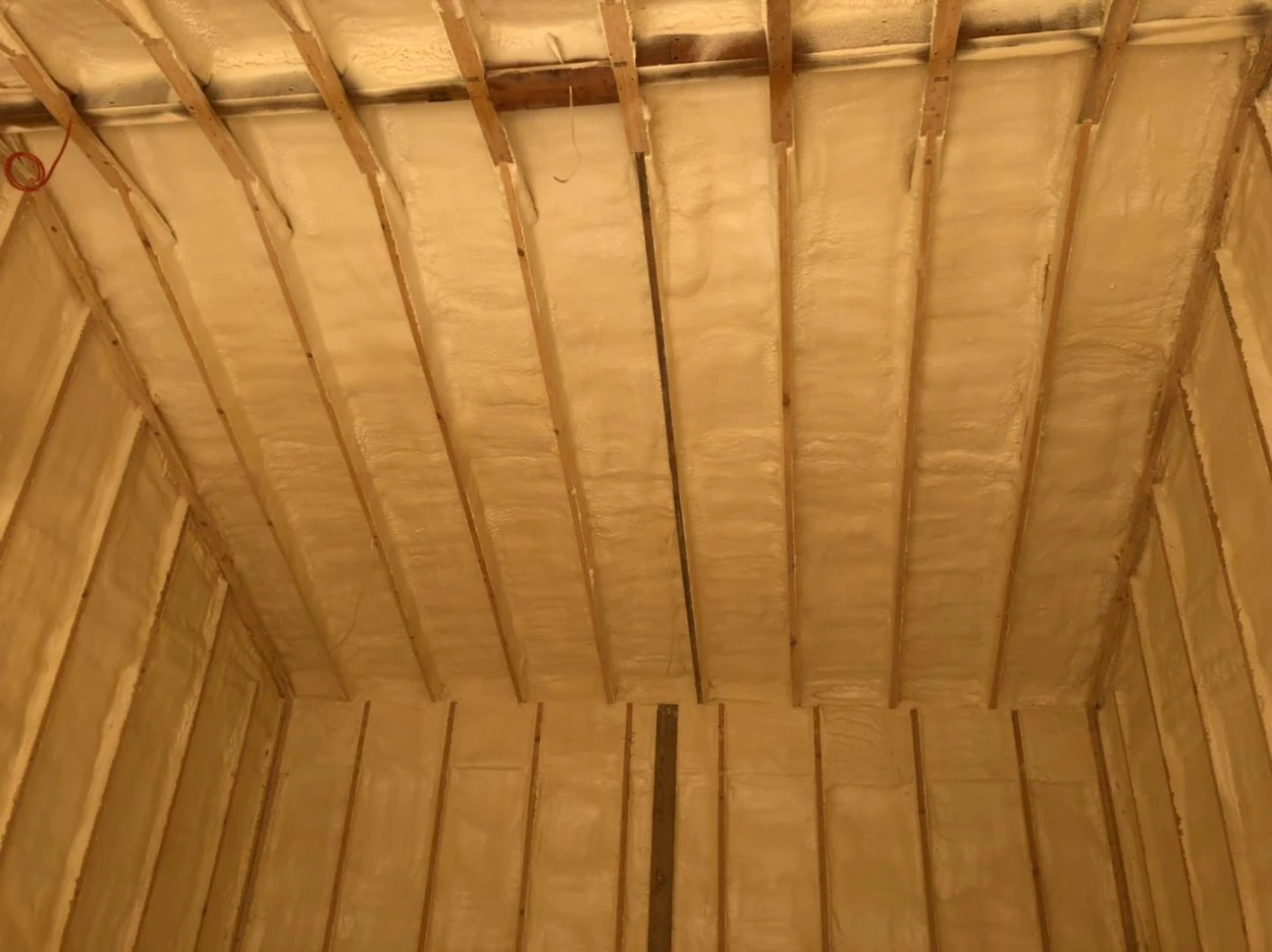
The right spray foam insulation in Worcester, MA property depends on your building type, budget, and whether the project involves new construction or retrofitting an existing home. Closed-cell spray foam delivers the highest R-value per inch (R-6.0 to R-7.0) and acts as a moisture barrier, making it the strongest all-around performer for energy-efficient properties in Massachusetts Climate Zone 5A. Open-cell spray foam offers lower R-values (R-3.5 to R-3.7 per inch) at a more affordable price point and excels in interior cavities like attics and wall studs. Understanding the differences between these options, along with Worcester’s updated building energy code requirements, will help you make a cost-effective decision that maximizes long-term energy savings.
Worcester experiences cold winters with average January lows around 17 degrees Fahrenheit and warm, humid summers. That temperature swing makes insulation performance a year-round concern. Properties in Climate Zone 5A, per the Department of Energy’s climate zone classification system, need a minimum of R-60 in uninsulated attics, R-49 in attics with existing insulation, R-30 in floors over unconditioned spaces, and R-20 plus R-5 continuous insulation in wood-frame walls.
Spray foam insulation sets itself apart from fiberglass batts and blown cellulose in one critical way: it also acts as an air barrier. The DOE explains that insulation filling building cavities reduces airflow and leakage, which directly impacts energy costs. When spray foam expands into cracks, gaps, and voids, it seals those penetrations while insulating, a dual benefit that traditional materials simply cannot match.
Worcester’s adoption of the Specialized Stretch Energy Code in July 2024 raised the bar even further. The code targets net-zero construction and imposes stricter insulation and air sealing requirements on new builds and significant renovations. Spray foam insulation is one of the most practical ways to meet and exceed these updated standards.
Understanding the differences between the two primary spray foam types is the first step toward choosing the right product for your property.
| Feature | Closed-Cell Spray Foam | Open-Cell Spray Foam |
|---|---|---|
| R-Value per inch | R-6.0 to R-7.0 | R-3.5 to R-3.7 |
| Density | Medium to high | Low |
| Air barrier | Yes (vapor retarder) | Yes (not vapor retarder) |
| Moisture barrier | Yes | No |
| Structural reinforcement | Adds rigidity | Minimal |
| Best application areas | Basements, crawl spaces, exterior walls, rim joists | Interior wall cavities, attics, sound dampening |
| Cost per square foot (1 inch) | $1.00 to $2.00 | $0.50 to $1.00 |
| Expansion ratio | 30 to 40x | 100 to 150x |
Closed-cell foam is the better choice when you need high thermal resistance in a thin application, moisture control, and structural support. In Worcester’s climate, this makes it particularly well-suited for:
Open-cell foam is the more cost-effective option when space is not a constraint and moisture control is handled separately. It works best for:
The financial case for spray foam insulation in Worcester is grounded in measurable energy savings data. According to ENERGY STAR’s methodology for estimated energy savings, homeowners in Climate Zone 5 can expect approximately 12% savings on total house energy costs and 16% on heating and cooling costs when combining proper air sealing with insulation upgrades.
These savings are amplified when spray foam is used because it addresses both the insulation and air sealing requirements in a single application. Traditional insulation materials leave gaps around framing, wiring, and plumbing that allow conditioned air to escape. Spray foam eliminates these bypasses, which is particularly important in older Worcester housing stock where air leakage rates can be double those of modern construction.
The payback period for spray foam insulation typically ranges from 5 to 10 years depending on the scope of the project, current insulation levels, and heating fuel type. Properties heated with oil or electricity generally see faster returns than those using natural gas.
| Property Type | Application | Foam Type | Investment Level | Expected Outcome |
|---|---|---|---|---|
| 1920s Colonial Retrofit | Rim joist sealing and insulation | Closed-cell, 2 inches | $2,500 to $4,000 | Eliminated drafts in first floor, 10-12% heating cost reduction |
| New Construction Single-Family | Full envelope insulation | Closed-cell walls, open-cell attic | $8,000 to $15,000 | Exceeds Stretch Code requirements, 30-40% improvement over code-minimum homes |
| Ranch-Style Basement Conversion | Foundation walls and ceiling | Closed-cell, 3 inches | $4,000 to $7,000 | Transformed basement into conditioned living space, moisture issues resolved |
| Two-Family Investment Property | Attic air sealing and insulation | Open-cell, full depth | $3,000 to $5,500 | Reduced ice dam formation, lower heating bills for both units |
| Historic Home Renovation | Wall cavities and attic floor | Hybrid: closed-cell walls, open-cell attic | $6,000 to $11,000 | Preserved historic character while achieving modern energy performance |
Choosing the right installer is just as important as choosing the right foam type. A poorly installed spray foam job can lead to air leaks, moisture problems, and wasted money. Here are the criteria we recommend evaluating:
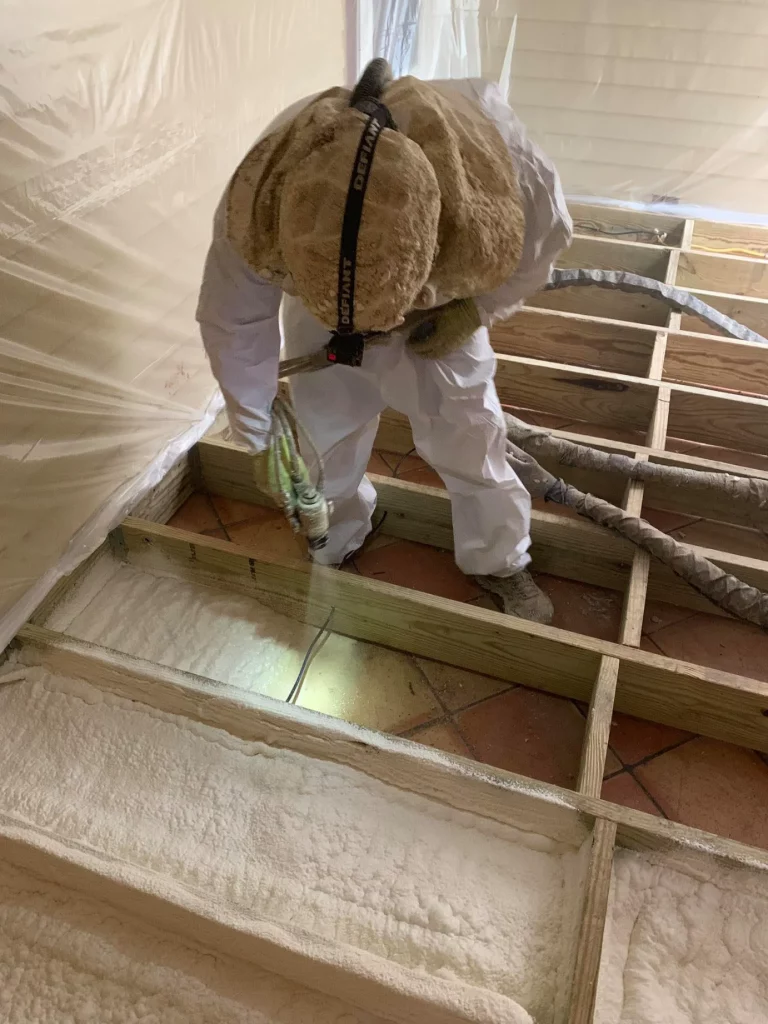
The EPA has documented health concerns related to spray polyurethane foam, specifically the isocyanate chemicals used during application. Exposure to isocyanates can cause skin and respiratory irritation, asthma, and chemical sensitization. These risks are primarily relevant during the installation process when the chemicals are being mixed and sprayed.
This is why professional installation is not optional. Trained applicators use supplied-air respirators, protective clothing, and ventilation protocols to manage exposure. After curing, typically within 24 to 72 hours, the foam is chemically inert and poses no ongoing health risk. However, occupants should plan to vacate the property during application and for at least 24 hours afterward.
Choosing the right spray foam insulation requires local knowledge, code expertise, and honest guidance. At Lamothe Insulation & Contracting, we assess each property individually and recommend the spray foam solution that fits your building, your budget, and Worcester’s energy code requirements. Our team is experienced with both closed-cell and open-cell applications for residential and commercial properties throughout the Worcester area.
Request a Quote | Schedule an Energy Assessment
Reach us directly at (508) 847-0119 or [email protected] to discuss your project. We provide detailed proposals with no pressure and no surprises, so you can make an informed decision about your insulation investment.
A: Yes. Spray foam insulation projects that meet Mass Save requirements may qualify for insulation rebates. Eligibility depends on a pre-installation energy assessment and using a participating contractor.
A: Properly installed spray foam insulation is a permanent building material. It does not settle, sag, or degrade over time and will maintain its R-value and air sealing properties for the life of the building.
A: Yes, spray foam can be installed during cold weather, but temperature thresholds vary by manufacturer. Some products require substrate temperatures above 40 degrees Fahrenheit, so your installer may need to use temporary heating measures.
A: Once fully cured, typically within 24 to 72 hours after application, spray foam is chemically inert and safe for occupancy. The EPA notes that health concerns are related to exposure during the installation process, not after curing is complete.
A: In most cases, yes. Spray foam can be applied over existing fiberglass batts in attics, though it is generally more effective and cost-efficient to remove degraded insulation first. A professional assessment will determine the best approach for your specific situation.