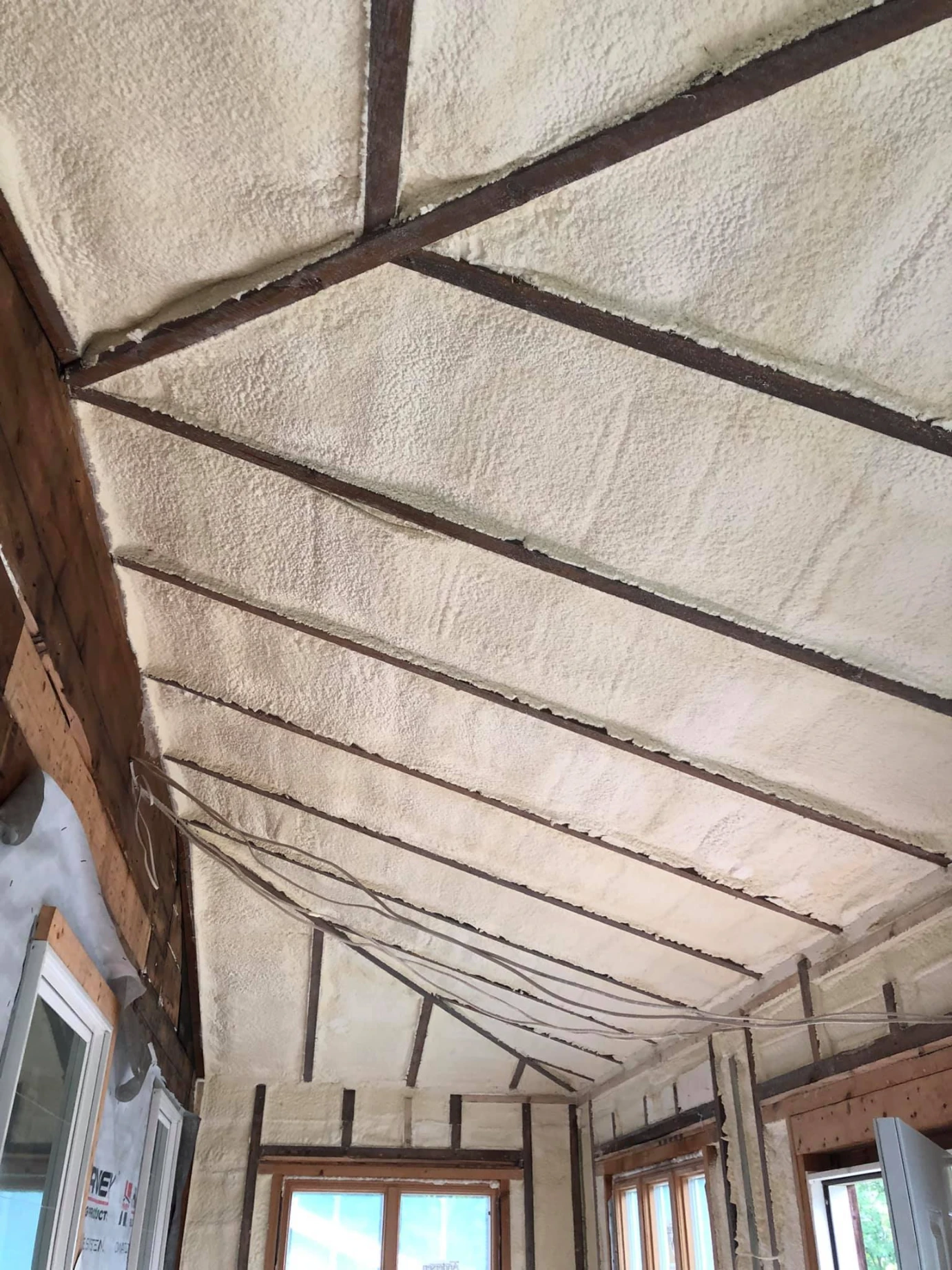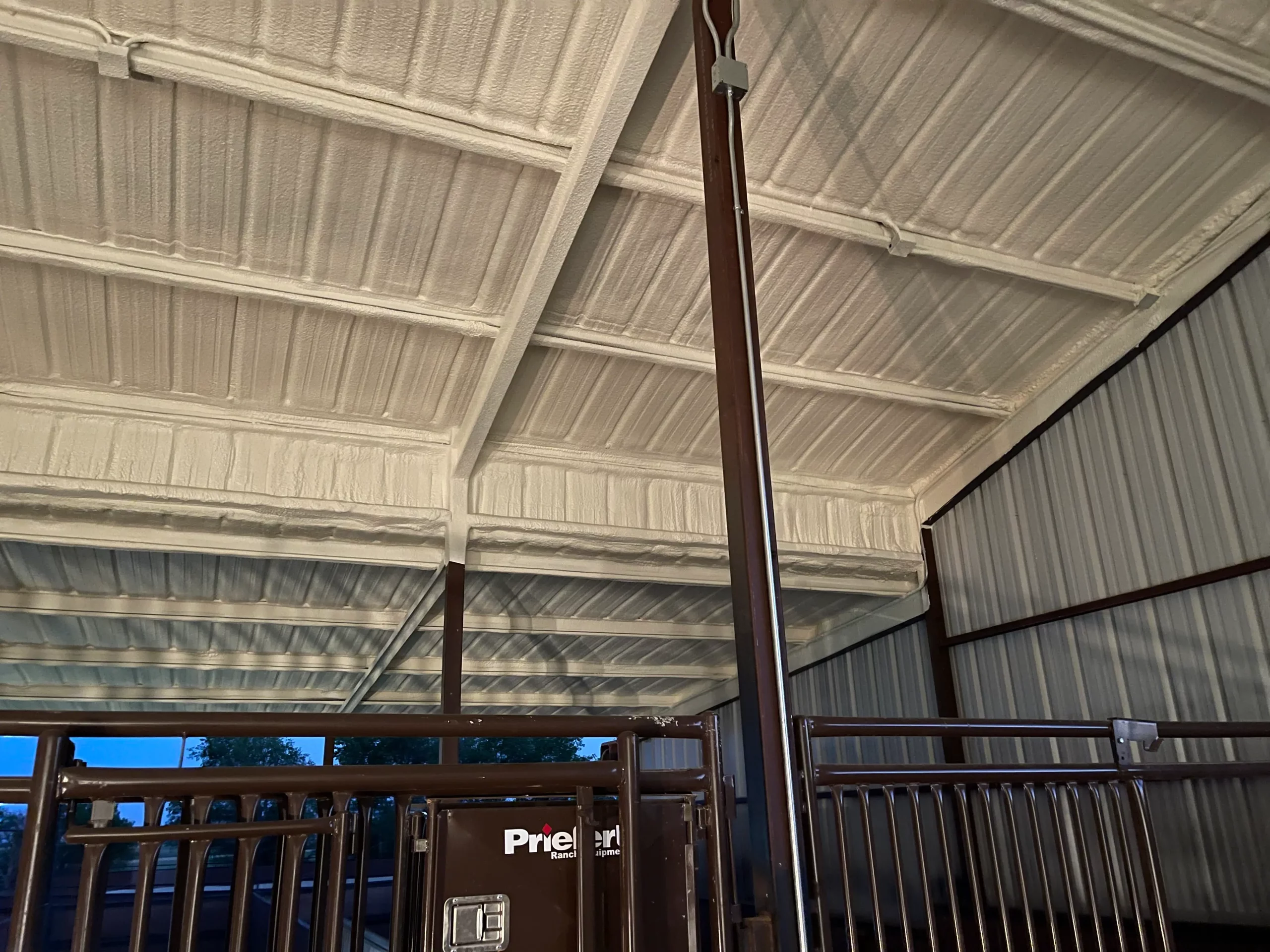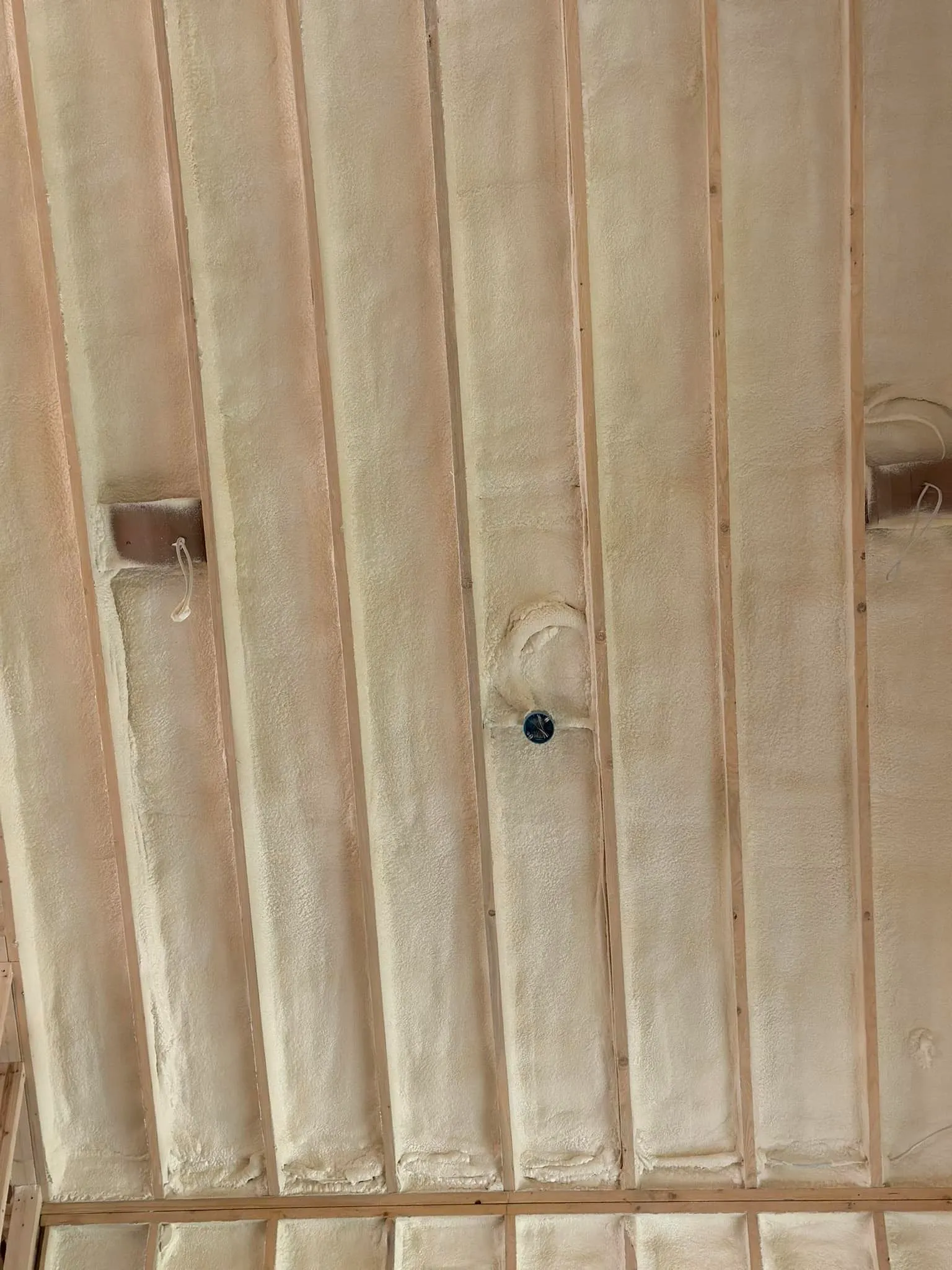
How Much Closed-Cell Spray Foam Do You Need to Reach Your Target R-Value?
The amount of closed-cell spray foam insulation you need comes down to a simple calculation: divide your target R-value by…

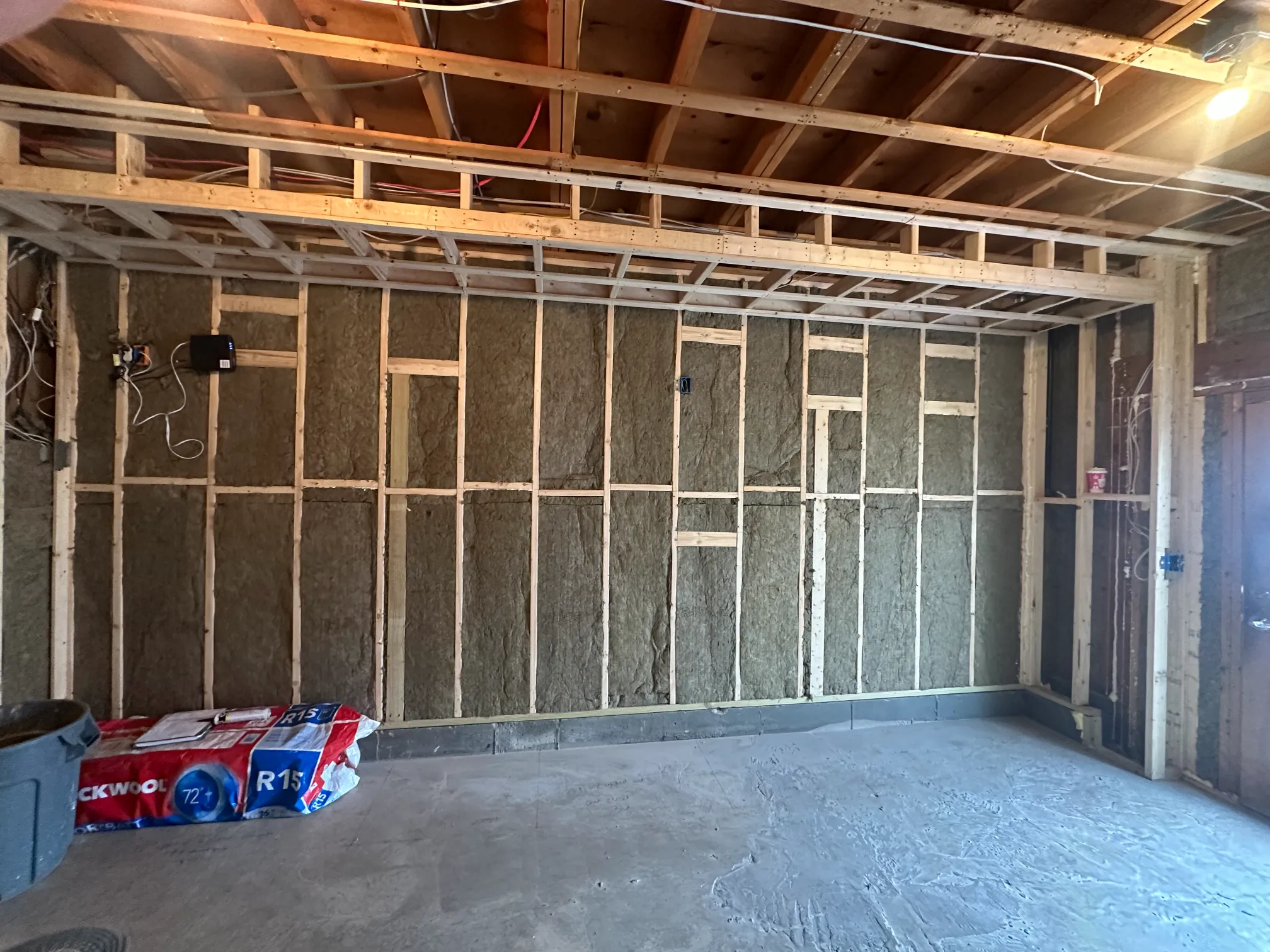
At Lamothe Insulation & Contracting, we work with homeowners and builders who want more than a warm house. They want a healthier one. One of the most overlooked ways to get there is through mineral wool insulation indoor air quality benefits, and it’s a material choice worth a closer look.
We offer a full range of insulation services built around one goal: homes that are efficient, comfortable, and easier to breathe in. This guide walks through how mineral wool, also known as stone wool or rockwool, filters pollutants, resists moisture, and skips the chemical off-gassing found in some other insulation types.
Insulation doesn’t just regulate temperature. It directly shapes the quality of the air inside your home. With stone wool insulation, you’re getting more than thermal value. You’re reducing the risks tied to mold growth, particulate matter, and volatile chemicals that can build up behind your walls.
Mineral wool is made from natural stone and recycled content. Its dense, fibrous structure acts like a filter, trapping airborne pollutants before they circulate into your home’s air supply. It’s inherently non-combustible, moisture-resistant, and free of the formaldehyde binders used in some other insulation products.
This is one of the most common questions we get, and it’s worth answering directly. Compared to fiberglass, mineral wool holds its shape better over time and doesn’t shed as many loose fibers into the air during installation or renovation. Compared to spray foam, mineral wool skips the curing process entirely, so there’s no window of off-gassing after installation. That makes mineral wool vs spray foam indoor air quality a fairly one-sided comparison when the priority is a chemical-free build.
Neither fiberglass nor spray foam is automatically unsafe. Both are used successfully in millions of homes. But for households prioritizing air quality above all else, mineral wool’s combination of density, moisture resistance, and VOC-free composition gives it an edge.
Moisture buildup inside walls isn’t just a structural problem. It creates the exact conditions mold spores need to grow. Per the CDC’s guidance on mold, damp indoor environments are directly linked to allergies, asthma flare-ups, and other respiratory issues. Mineral wool’s vapor permeability and water-repelling properties help keep wall cavities dry, addressing mineral wool moisture control at the source rather than after the fact.
Attics, crawlspaces, and exterior walls are the problem zones we see most often. If there’s air leakage, poor ventilation, or insufficient insulation, condensation creeps in. Our process starts with identifying these risk points and matching the right mineral wool product to each area’s exposure level. Our own mineral wool insulation installations are fitted precisely, without compression, so the material keeps its full filtering and moisture-managing capacity.
Airborne contaminants don’t need an open window to get inside. They travel through cracks in framing, around electrical boxes, and sometimes through the insulation itself. Mineral wool’s dense fibers trap fine particles, including dust, pollen, and construction debris, that would otherwise make their way into your breathing space.
Many homeowners are surprised by how much outside air seeps into wall cavities. When air bypasses your HVAC filter and enters through unsealed gaps, it carries in everything from smog to allergens. Sealing those pathways with mineral wool’s structural density helps form a long-term air barrier without relying on chemical sealants.
Some spray foam materials, especially those using chemical binders, can release VOCs (volatile organic compounds) long after installation. Per the EPA’s overview of VOCs, these substances can cause effects ranging from eye and throat irritation to longer-term health concerns as they build up indoors. Mineral wool contains no added formaldehyde and meets rigorous emission standards, making it a strong choice for chemically sensitive environments like bedrooms and nurseries.
Beyond air quality, mineral wool carries a structural safety benefit that’s easy to overlook: it’s naturally non-combustible. Unlike some foam-based insulation products, mineral wool won’t ignite, burn, or release flammable vapors under high heat. Per this NFSA explainer on combustible materials, that distinction is exactly why fire codes recognize mineral wool as a preferred material in wall assemblies where combustibility is a concern.
Mineral wool insulation for HVAC ducts is a narrower use case, but it comes up often enough to mention. Because the material is non-combustible and doesn’t shed the way older duct wraps can, it’s a reasonable option for duct insulation in spaces where both fire rating and air cleanliness matter, such as mechanical rooms and commercial builds.
Better indoor air quality begins behind the walls. Mineral wool is one of the most reliable ways to build a cleaner indoor environment, and the right installation matters just as much as the material itself.
Ready to start the conversation? Reach out to our team for a consultation. We’ll walk your space, identify where moisture and air quality risks are hiding, and recommend an insulation plan that fits your home and your budget.
Its dense fiber structure filters airborne particles like dust and pollen while resisting moisture, which limits the conditions that lead to mold and poor air quality.
For air quality specifically, stone wool has an advantage because it doesn’t off-gas VOCs after installation the way some spray foam products can during curing.
Mineral wool tends to shed fewer loose fibers and holds its density better over time, which helps maintain consistent filtering performance.
It repels water while allowing vapor to escape, which keeps the insulation and surrounding materials dry and reduces mold risk.
Yes. It’s non-irritating and free of formaldehyde binders, making it a suitable option for households with respiratory sensitivities.
Yes. Mineral wool is inherently non-combustible, which adds a fire safety benefit alongside its air quality performance.
No. It does not off-gas or release volatile organic compounds, making it a safer long-term choice for indoor air.
Yes, particularly in mechanical spaces where non-combustible, low-shedding insulation is preferred.
Exterior walls, attics, and basements, anywhere air or moisture intrusion could compromise indoor conditions.
Yes. We offer retrofit options that upgrade insulation without major disruption to your home.
Curious how mineral wool stacks up against other materials in tougher conditions? See how spray foam compares to reflective insulation in extreme weather.