How Is Intumescent Coating Thickness Determined in Spencer, MA?
Determining the required thickness for an intumescent coating is not a matter of guesswork; it is an engineering calculation that…


Ice dams form when heat escaping from your home melts snow on the roof, and that meltwater refreezes at the colder eaves, creating a ridge of ice that traps water and forces it back under your shingles. In Worcester, where winters bring freezing temperatures and heavy snowfall, this cycle repeats all season long if the root cause, heat loss through an under-insulated and poorly air-sealed attic, goes unaddressed. The most effective defense combines three elements: air sealing the ceiling plane, adding adequate attic insulation, and maintaining proper roof ventilation. For Worcester homeowners in DOE Climate Zone 5, ENERGY STAR recommends R-60 for an uninsulated attic and R-49 where 3 to 4 inches already exist. Getting insulation right does more than stop ice dams. It also reduces the heat loss that drives up your heating bills month after month.
Worcester, MA sits in a cold, snowy climate zone where winter temperatures regularly drop well below freezing and snowfall accumulates across months, not days. That combination makes the area a high-risk region for ice dam formation. The Building America Solution Center notes that ice dam formation requires three conditions: snow on the roof, a poorly air-sealed and/or poorly insulated attic, and freezing temperatures. Worcester delivers all three in abundance from December through March.
Many homes in the area were built decades ago with limited attic insulation, R-19 or less, far below today’s recommended levels. Those same homes often lack a continuous air barrier between the conditioned living space and the attic. Every gap around a recessed light, every unsealed top plate, every uncaulked plumbing penetration becomes a highway for warm indoor air to reach the roof deck and start melting snow.
The mechanism is straightforward, even if the consequences are destructive. Here is what happens step by step:
The University of Minnesota Extension explains that heat travels to the attic through three mechanisms: conduction through the insulation, convection as warm air leaks through ceiling penetrations, and radiation from warm surfaces. Air leakage is often the dominant pathway, and it is the one homeowners tend to overlook when adding insulation without sealing first.
Air sealing is the single most important step and the one that should happen before any new insulation is installed. The Building America Solution Center identifies common air leakage points that include gaps around electrical wiring, recessed can lights, plumbing stacks, furnace flues and chimneys, attic hatches, dropped ceilings, open soffits, exhaust fan housings, top plates, and ceiling drywall seams.
Our team seals every one of these penetration points with spray foam, caulking, or rigid materials before a single piece of insulation goes in. Skipping this step means warm air will continue flowing around the new insulation and reaching the roof deck, undermining the entire project.
Once the air barrier is continuous, insulation provides the thermal resistance that keeps indoor heat where it belongs. Worcester falls within DOE Climate Zone 5, and ENERGY STAR’s guidance specifies the following targets:
| Attic Condition | Recommended R-Value |
|---|---|
| Uninsulated attic | R-60 |
| Existing 3 to 4 inches of insulation | R-49 |
| Cathedral ceiling (vented) | R-35 minimum per BSC |
| Cathedral ceiling (unvented) | R-40 minimum per BSC |
The area above the exterior wall top plate deserves special attention. Standard roof framing often leaves a shallow cavity here, sometimes only a few inches deep, which means the R-value at the most vulnerable point in the assembly is the lowest. Raised-heel trusses or dense insulation with high R-value per inch (such as spray foam at R-6 per inch) can address this weak spot.
Soffit-to-ridge ventilation creates airflow along the underside of the roof deck, carrying away any residual heat that makes it through the insulation and air barrier. The Building America Solution Center specifies at least a 2-inch air gap between the top of the insulation and the underside of the roof deck, with baffles installed to prevent insulation from blocking the soffit vents.
Ventilation alone, however, cannot compensate for gross air leakage or inadequate insulation. The UMass Amherst Building and Construction Technology department has long advised that proper insulation and roof ventilation work together to stop ice dams, lower energy bills, and prevent damage. Treating ventilation as a standalone fix is a common and costly mistake.
The damage from ice dams extends well beyond a stained ceiling. Understanding the full scope helps explain why prevention through insulation and air sealing is far less expensive than the alternative.
| Type of Damage | How It Occurs | Long-Term Consequence |
|---|---|---|
| Roof decking rot | Water pools under shingles and saturates plywood or OSB | Structural weakening, eventual roof failure |
| Wet attic insulation | Leaking water soaks fiberglass or cellulose | Compressed insulation, permanently reduced R-value |
| Wall cavity moisture | Water travels down through exterior wall framing | Rot, corrosion of fasteners, mold growth |
| Interior paint failure | Moisture trapped in walls eventually reaches interior surfaces | Blistering and peeling paint long after ice dams have melted |
| Mold and mildew | Persistent moisture in attic and wall cavities | Respiratory issues for occupants, remediation costs |
| Gutter and fascia damage | Ice weight fills and distorts gutters | Torn gutters, damaged fascia boards, detached downspouts |
The Insulation Institute points out that water damage and freezing claims have been increasing in recent years and average thousands of dollars per incident. Prevention through proper insulation and air sealing is consistently more economical than remediation.
We see the same errors across hundreds of Worcester-area homes, and correcting them makes an immediate difference:
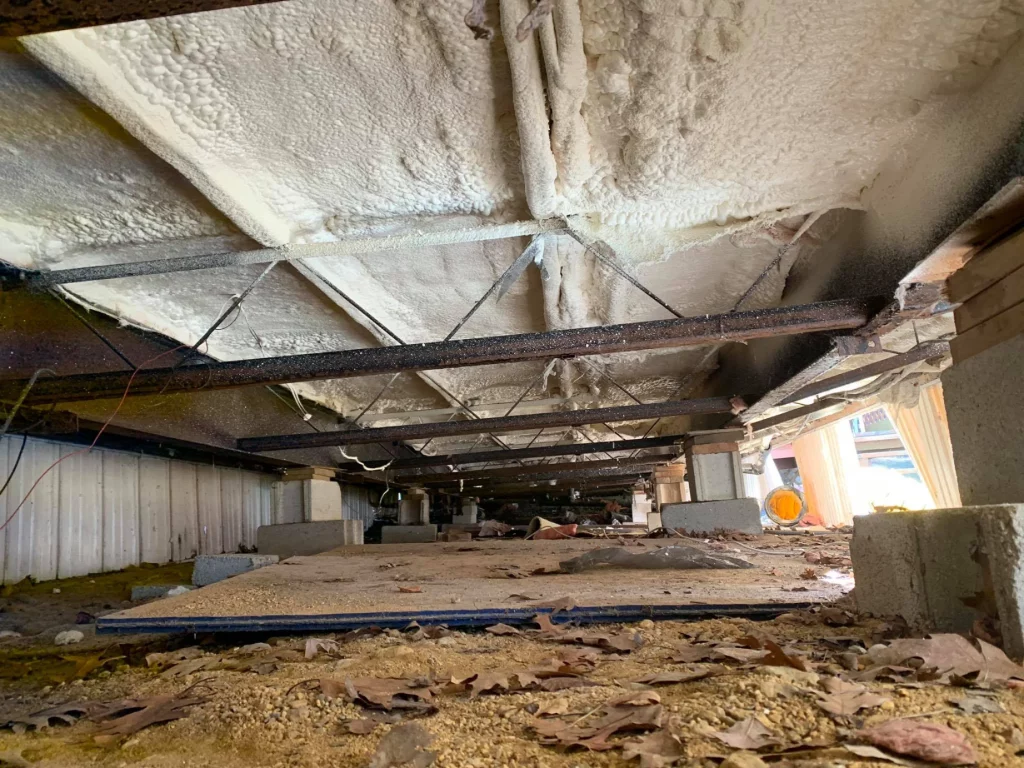
Our process targets the actual cause of ice dams, household heat loss, rather than the symptoms. Every project starts with a thorough assessment of the attic space. We identify every air leakage pathway, measure existing insulation depth and R-value, and evaluate the ventilation system. From there we build a plan that addresses all three elements: air sealing, insulation, and ventilation.
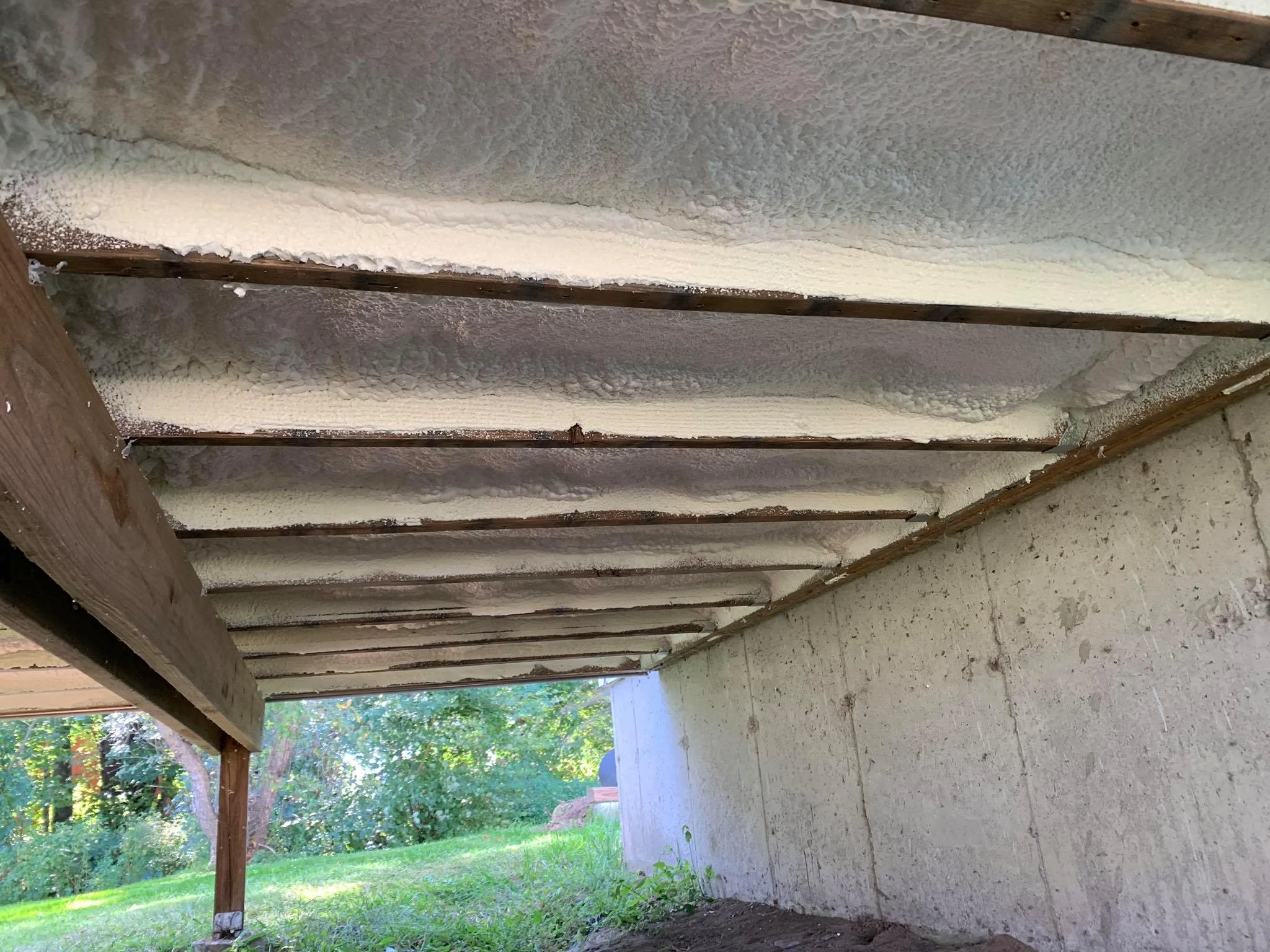
We use materials suited to the specific conditions of each attic. Blown cellulose or fiberglass works well for open attic floors with adequate clearance. Spray foam insulation in Worcester, MA provides both insulation and air sealing in one step for cathedral ceilings, knee walls, and tricky transition areas. We ensure baffles are in place at every soffit, insulation dams are installed correctly, and the ventilation pathway from soffit to ridge is unobstructed.
Not every home with ice dams shows obvious warning signs before damage begins, but several indicators are worth watching for:
Any of these signs warrants a professional attic inspection before the next heating season.
Lamothe Insulation and Contracting has been helping Worcester-area homeowners stop ice dams and reduce heat loss through properly sealed and insulated attics. Our team evaluates your specific conditions, identifies every air leakage point, and installs the right insulation system to keep your roof cold, your living space warm, and your energy bills under control.
Request a Free Quote | Schedule an Insulation Assessment
Reach us at (508) 847-0119 or email [email protected] to discuss your project. Every winter we wait is another season of preventable heat loss and potential ice dam damage.
Yes. If the existing insulation was installed without first air-sealing the ceiling plane, warm air continues to leak around the insulation through gaps at penetrations, top plates, and drywall seams. Air sealing must come first, then insulation to the recommended R-value.
Once air sealing and insulation are properly installed, the roof deck temperature drops significantly, and snow is far less likely to melt and refreeze at the eaves. The improvement is immediate, though the full benefit becomes most visible during the next heavy snowfall and freeze cycle.
No. Ventilation removes residual heat from under the roof deck but cannot keep up with large-scale heat loss from air leakage or inadequate insulation. It is a supplement to, not a substitute for, proper air sealing and insulation.
Spray foam provides both insulation and air sealing in a single application, which makes it particularly effective for cathedral ceilings, knee walls, and areas with many penetrations. Blown-in insulation over a separately sealed ceiling works well for standard open attics. The right choice depends on your attic configuration.
Yes, because the snow that previously melted from heat loss will now remain on the roof. However, if your home was built to current codes, the roof structure should be designed to handle expected snow loads. A structural evaluation is recommended if you have any concerns.