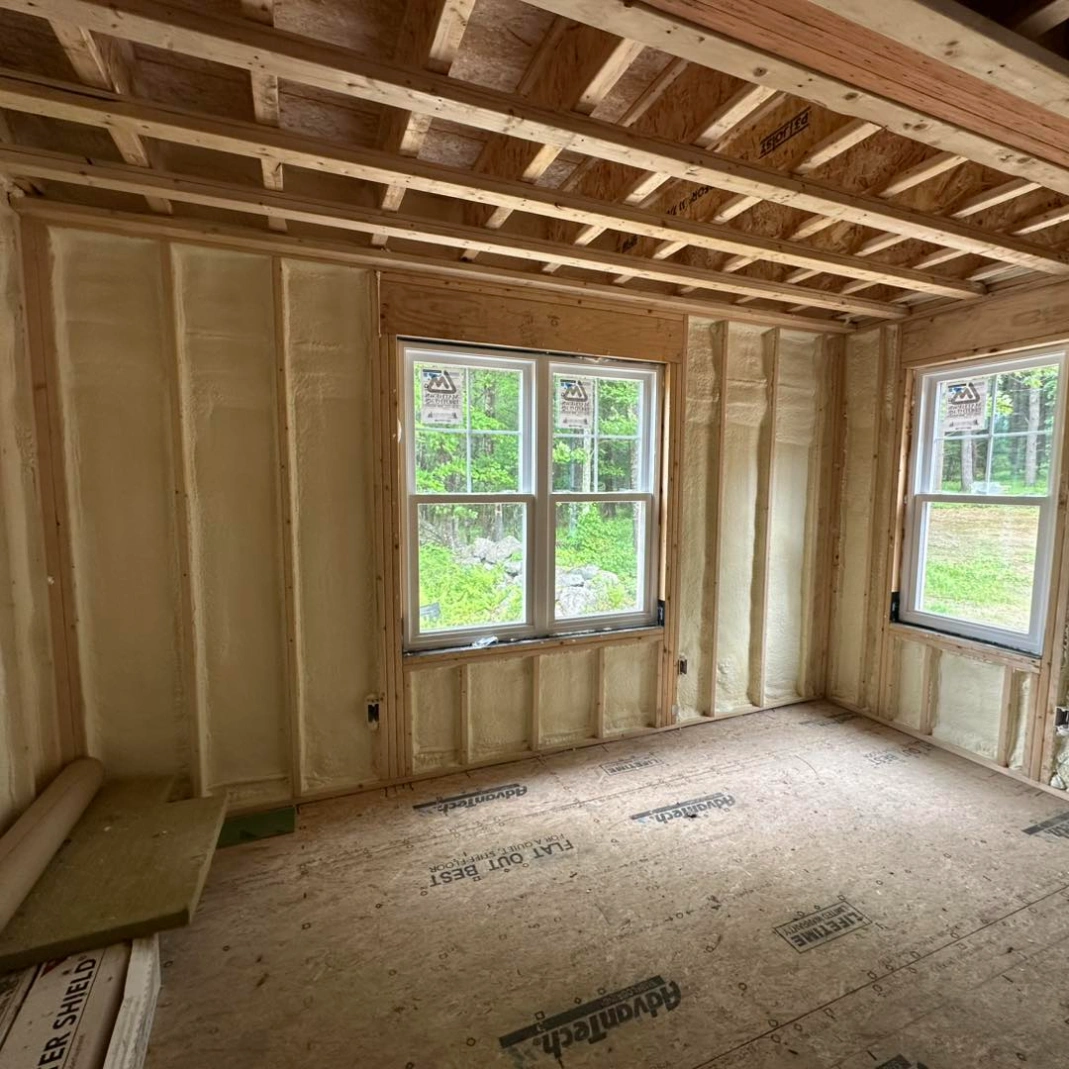
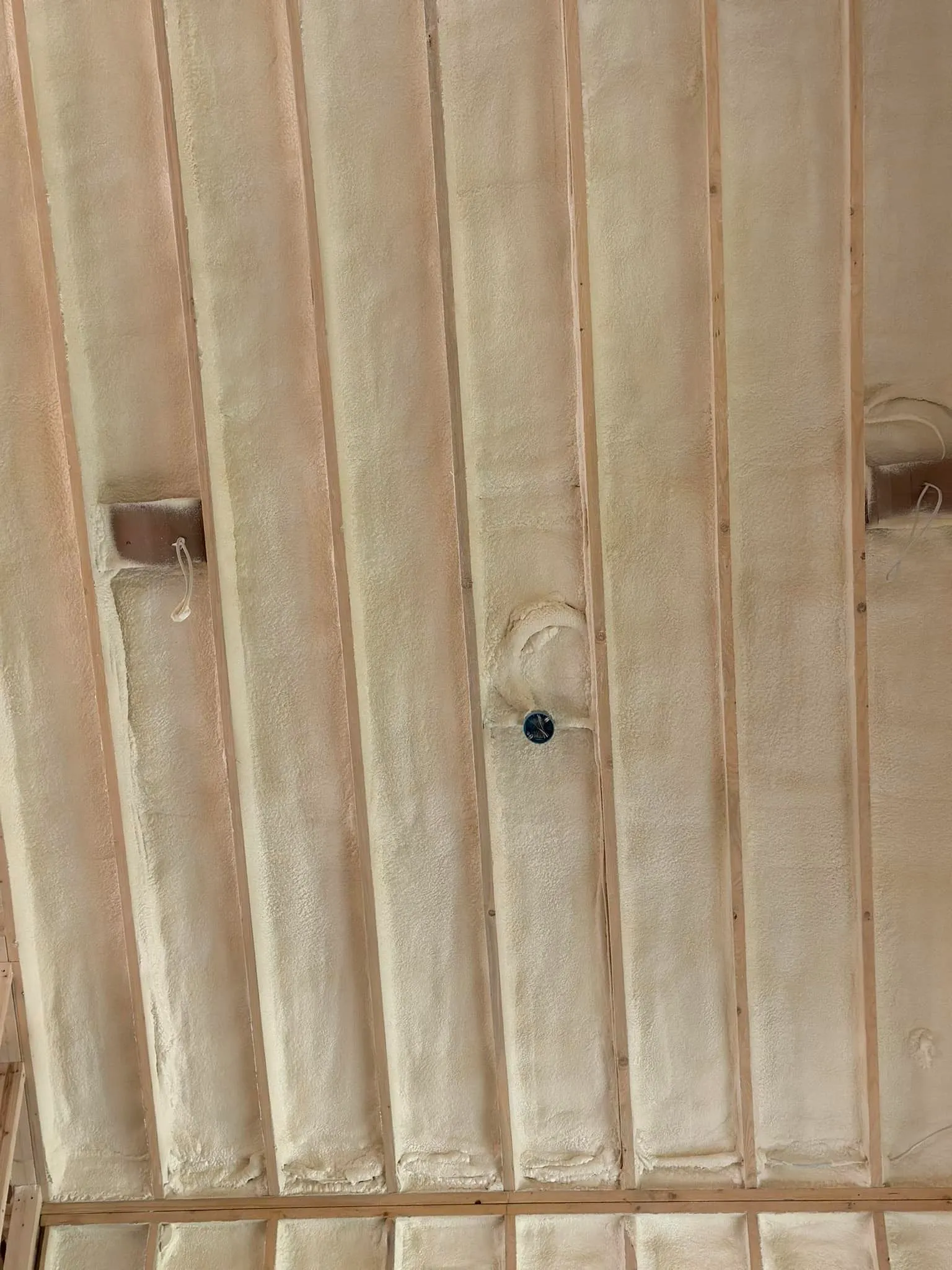
How Closed-Cell Spray Foam Creates a Continuous Air Seal in Worcester, MA
Closed-cell spray foam creates a continuous air seal by applying liquid polyurethane that expands up to 60 times its original…

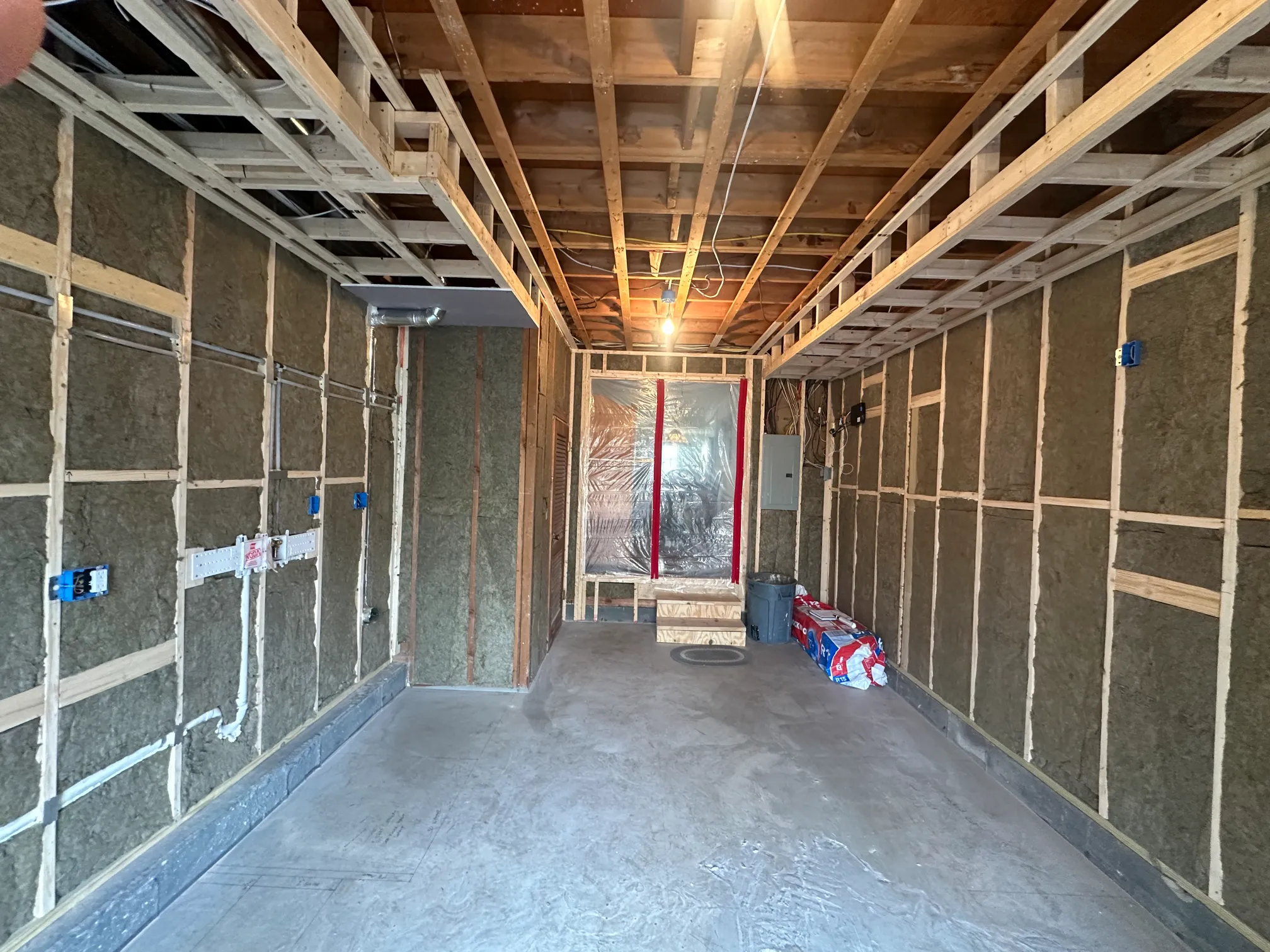
Choosing between mineral wool insulation vs fiberglass comes down to what your project actually needs: fire protection, quiet rooms, a tighter budget, or fast installation. Both materials insulate well, but they get there in different ways. This guide breaks down thermal performance, fire resistance, soundproofing, moisture handling, cost, and health considerations so you can match the right product to your space. For a closer look at how mineral wool performs on its own, see our mineral wool insulation services page.
Mineral wool insulation is spun from basalt rock or recycled slag left over from steel production, then formed into dense, wool-like fibers. Because of that density, it handles high heat without burning and blocks airborne and impact sound more effectively than lighter materials. You’ll also see it marketed as rockwool, stone wool, or under trade names such as Thermafiber, all of which describe the same basic mineral fiber product with minor manufacturing differences.
Fiberglass is made from fine strands of glass, usually produced from recycled glass and sand. It’s sold as batts, rolls, or loose-fill, and it remains one of the most widely used insulation materials because it’s inexpensive and simple to work with. It won’t match mineral wool on fire or sound performance, but it does the core job of slowing heat transfer at a lower cost.
Both materials resist heat flow well. Mineral wool typically delivers a slightly higher R-value per inch, so it needs less thickness to hit the same performance target, which matters in tight cavities like cathedral ceilings or exterior retrofits. Fiberglass needs more depth to match that number, which is rarely a problem in open attics or standard 2×6 wall cavities.
This is where mineral wool insulation vs fiberglass really separates. Mineral wool is non-combustible and can withstand temperatures well above 1,800°F without melting or releasing heavy smoke, which is why it’s common around chimneys, in fire-rated assemblies, and between floors in multi-unit buildings. Fiberglass resists ignition too, but it can melt or degrade at high temperatures, so where fire-rated separation is a code requirement, mineral wool is usually the stronger pick.
For anyone dealing with shared walls, home theaters, or noisy street-facing rooms, mineral wool vs fiberglass soundproofing performance is often the deciding factor. Mineral wool’s density absorbs both airborne noise (voices, music) and impact noise (footsteps) more effectively, which is why it shows up so often in party walls, recording spaces, and office partitions. Fiberglass does reduce sound transmission, but its lighter, looser structure lets more of it through, so if soundproofing is the priority, mineral wool is the better match.
Mineral wool is naturally hydrophobic, meaning it repels water rather than absorbing it, so it keeps performing even in damp basements or crawl spaces. Fiberglass isn’t as forgiving; once it gets wet, its R-value drops and it can become a breeding ground for mold if it doesn’t dry out quickly. In consistently damp areas, mineral wool is the more durable, lower-maintenance option.
Budget is usually the first question homeowners ask, and it’s a fair one. Fiberglass costs less per square foot to buy and install, which makes it the practical choice for large, straightforward spaces like open attics. Mineral wool costs more upfront, but its longer service life, better sound control, and fire performance can offset that cost over time, especially in applications where those extra properties actually get used. If budget is the main constraint and fire or sound performance isn’t a strict requirement, fiberglass is the more economical route.
A common question is whether mineral wool insulation is itchy the way fiberglass can be. Both materials are made of fine fibers that can irritate skin, eyes, and airways during handling and cutting, so gloves, long sleeves, and a dust mask are recommended for either product. In practice, many installers find mineral wool slightly less irritating to handle than fiberglass, but neither causes ongoing irritation once it’s installed and sealed behind drywall. Following OSHA’s basic guidlines for handling fibrous insulation, such as wearing long sleeves, gloves, and head coverings, covers both materials.
Cellulose is another common comparison point, since it’s also a budget-friendly, blown-in option made mostly from recycled paper. Cellulose settles into cavities well and has a solid R-value per inch, but it lacks mineral wool’s fire resistance and moisture tolerance. If recycled content and cost are the priority, cellulose is worth a look; if fire safety or soundproofing matter more, mineral wool remains the stronger choice between the two.
If you’ve seen products marketed as rockwool, stone wool, or Thermafiber and wondered how they relate to mineral wool, the short answer is they’re the same core material with different brand names or manufacturing processes. Rockwool and stone wool are generic terms for mineral fiber made from basalt rock, while Thermafiber is a specific manufacturer’s product line built on the same mineral wool technology. All of them compare to fiberglass the same way described above: better fire and sound performance, higher upfront cost.
Fiberglass batts are light and pre-sized to fit standard stud spacing, which makes them a common DIY choice. Mineral wool batts are denser and a bit heavier to handle, but they hold their shape well once in place and resist sagging over time. For loose-fill or dense-pack applications with either material, professional installation, like our blown-in insulation services, gets more consistent coverage than a DIY job.
There’s no single winner here; it depends on what your project needs most. Fire protection and sound control point toward mineral wool. A tighter budget and simple DIY installation point toward fiberglass. Both keep heat in well and help save energy. Talking to someone who knows insulation can help you figure out which one’s best for what you need.
Whether mineral wool, fiberglass, or a combination makes sense for your space, our team can walk you through the options and recommend what fits your budget and goals. Get a free quote, and we’ll help you find the right fit for your home or building.
Related reading: Weighing spray foam as another option? See our comparison of spray foam vs. reflective insulation for how each performs in extreme temperatures.
Mineral wool is made from spun basalt rock or slag and offers better fire resistance, soundproofing, and moisture tolerance. Fiberglass is made from fine glass fibers and costs less, but performs slightly lower across those same categories.
Yes. Mineral wool’s dense structure blocks more airborne and impact noise, making it a common choice for shared walls, home theaters, and office partitions.
Both materials can irritate skin and airways during handling, so gloves and a mask are recommended for either. Many installers find mineral wool slightly less irritating, but once installed behind drywall, neither causes ongoing irritation.
Fiberglass costs less upfront and is cheaper to install across large spaces. Mineral wool costs more initially but can offset that over time through durability and performance.
Yes. Thermafiber is a manufacturer’s brand of mineral wool insulation, built on the same basalt-rock fiber technology as generic mineral wool, rockwool, and stone wool products.
Yes. Many projects use mineral wool in areas that need fire protection or sound control, and fiberglass elsewhere to manage overall cost.
Properly installed and kept dry, fiberglass typically lasts 20-30 years. Mineral wool tends to last longer and holds its performance better if it’s exposed to moisture.
Mineral wool is made largely from natural rock and recycled slag, and it’s recyclable at the end of its service life, making it one of the more sustainable insulation options available. one with it.