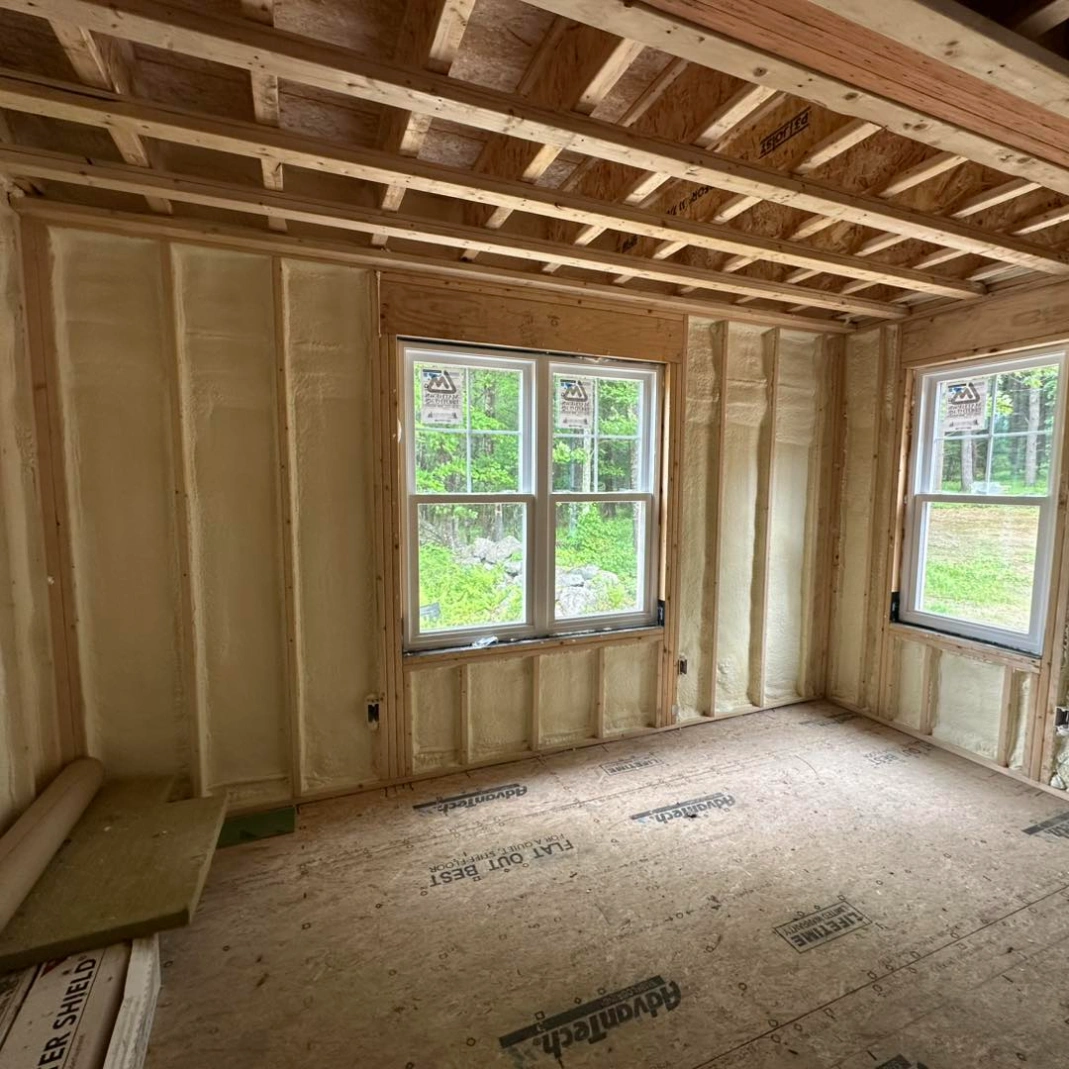
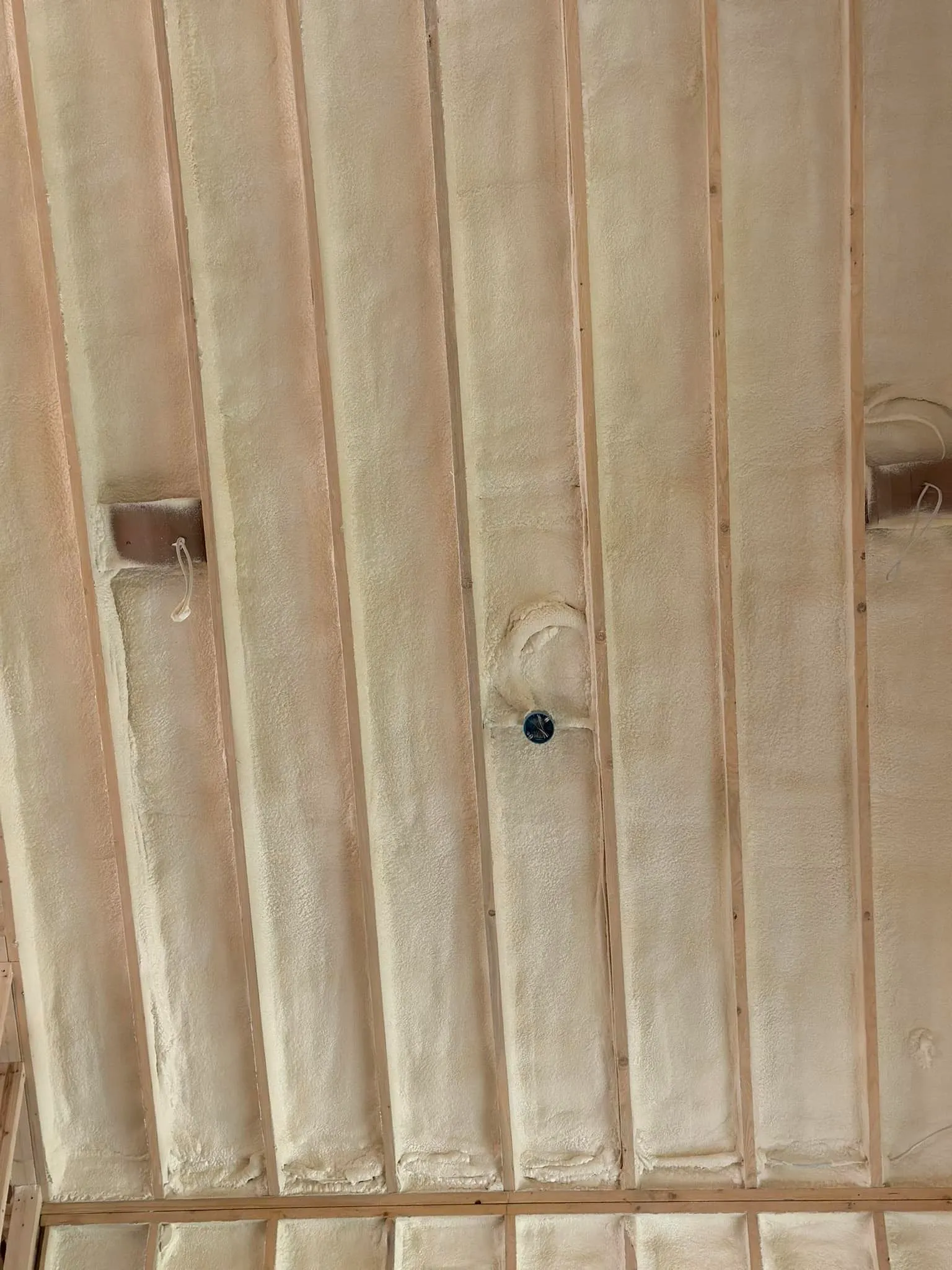
How Closed-Cell Spray Foam Creates a Continuous Air Seal in Worcester, MA
Closed-cell spray foam creates a continuous air seal by applying liquid polyurethane that expands up to 60 times its original…

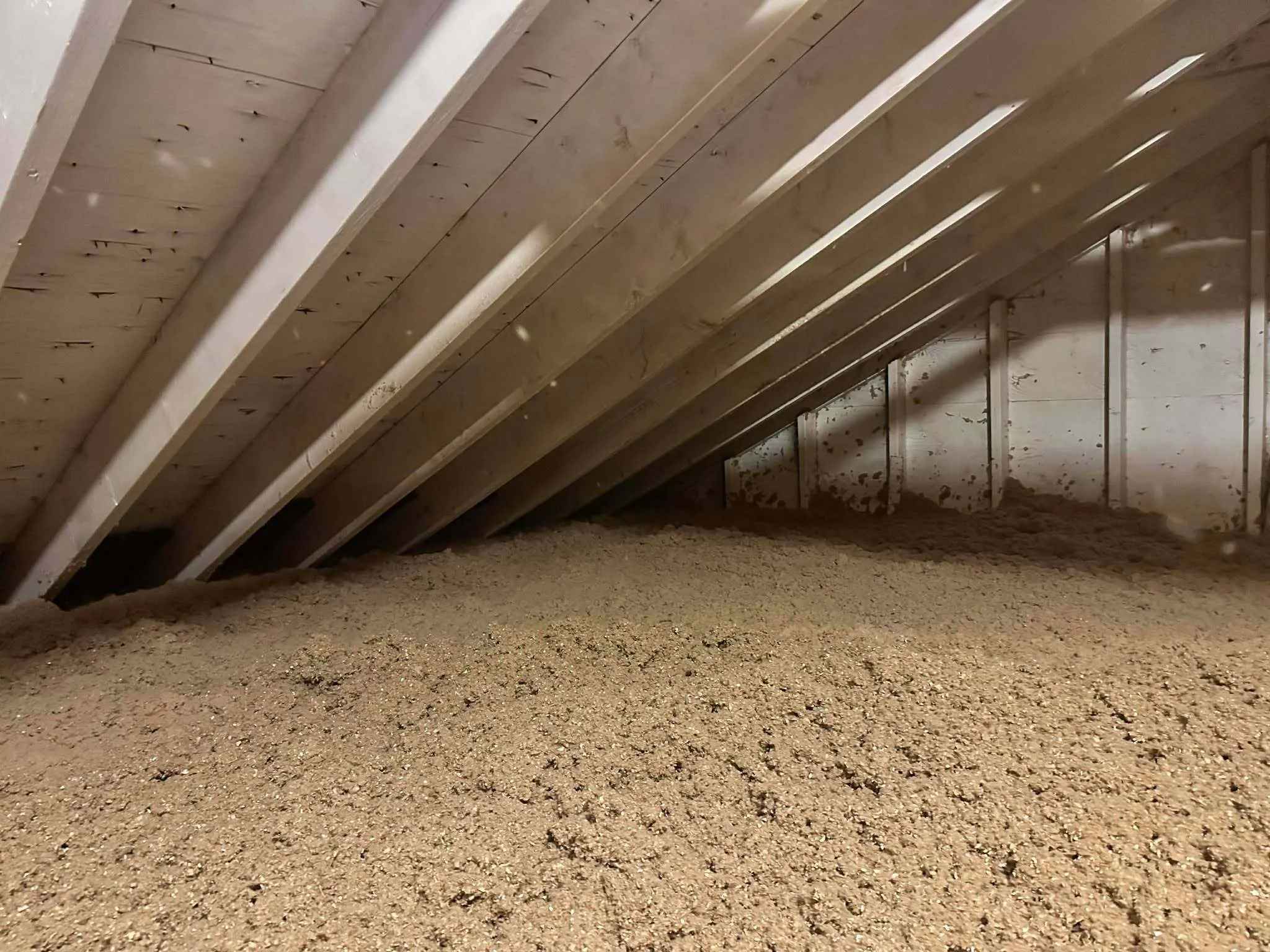
Homeowners across Sutton, MA often ask the same question: does cellulose insulation pest control actually work, or is it just a marketing claim? The honest answer is yes, but only when it’s installed the right way. Cellulose is one of the core materials used in a properly built blown-in insulation system, and when it’s paired with air sealing and moisture control, it becomes a genuine deterrent against rodents and insects, not just a thermal layer.
This guide breaks down exactly how cellulose performs as a pest barrier, what makes it different from fiberglass, and what steps need to happen before a single bag of insulation goes into your attic.
TL;DR: Cellulose insulation is treated with borate compounds that are toxic to insects like termites, roaches, and silverfish, and its dense fill makes it a poor nesting material for mice and squirrels. But insulation alone can’t fix an active infestation. Air sealing, pest exclusion, and attic cleanup have to happen first, or cellulose insulation pest control simply won’t hold up.
The question of whether cellulose insulation deters mice comes up constantly with Sutton homeowners, and it’s a fair one. Loose-fill cellulose doesn’t kill rodents the way a treated bait would, but it does make an attic a much less appealing place to nest. Mice and squirrels look for open cavities, loose material they can shred, and stable warmth. Densely packed cellulose removes most of that appeal because it’s tightly filled rather than open and hollow.
That said, do mice like cellulose insulation as nesting material if it’s the only option available? Given enough motivation, rodents can still tunnel through it. The real protection comes from combining dense insulation with the exclusion work described below, not from the insulation acting alone.
Is cellulose insulation rodent resistant on its own? Partially. Its biggest advantage over other materials is the borate treatment mixed in during manufacturing. Cellulose is made primarily from recycled paper and treated with boric acid, which serves two purposes: it acts as a fire retardant, and it’s toxic to many insects on contact or ingestion.
Cellulose insulation: termites, silverfish, and cockroaches are all deterred by borate treatment, since the compound interferes with an insect’s ability to digest food once it grooms the powder off its body. Fiberglass, by contrast, has no chemical deterrent at all. Its fine glass fibers irritate skin and lungs, which discourages nesting, but it won’t repel or kill insects the way treated cellulose can.
| Insulation Type | Primary Material | Physical Barrier | Insect Deterrent | Rodent Nesting Deterrence |
| Blown-In Cellulose | Recycled paper fiber | High, dense fill | Borate treated, effective | Medium density discourages nesting |
| Blown-In Fiberglass | Fine glass fibers | High, fills cavities well | None | Medium, irritating fibers discourage nesting |
A laboratory study on boric-acid-treated insulation found that borate treatments create a measurable deterrent effect against foraging termites, supporting what pest professionals see in the field.
Insulation for pest control only works when it’s part of a full system, not a standalone fix. Before any insulation goes in, a reputable contractor performs air sealing, which means locating and closing every crack, gap, and penetration in the attic floor. These openings, often hidden under old, compressed insulation, are exactly where mice, bats, and squirrels get in.
Sealing around plumbing vents, wiring runs, and chimney flashing removes the entry points first. The new insulation then sits on top as a dense, continuous layer that makes the space far less inviting even if a pest does get close. This is why attic insulation that prevents pest issues always starts with exclusion work, not the insulation material itself.
Quick Tip: Pay close attention to gaps around utility lines and HVAC ducts. A hole big enough for a wire to pass through is big enough for a mouse. Hardware cloth and expanding foam are the standard fix.
Sutton, MA sees the kind of seasonal swings that push wildlife indoors twice a year: warmth-seeking in winter, dry shelter-seeking in summer. White-footed mice, flying squirrels, and bats are the most common attic intruders in this region, and they cause damage well beyond chewed wires, including droppings and nesting debris that affect indoor air quality.
According to the Massachusetts Audubon Society, local wildlife frequently seeks out warm building voids as outdoor temperatures drop, which is exactly why fall is peak season for attic intrusions in New England. Reducing the temperature gap between the attic and the outdoors, which a properly insulated attic does, removes much of that appeal.
It’s worth noting that ants and mosquitoes, which some Sutton homeowners also search for help with, aren’t attic-dwelling pests and require separate pest control measures. Insulation and air sealing specifically target the wildlife that nests inside the building envelope, like rodents, bats, and wood-destroying insects.
Moisture control matters just as much as sealing. Wet insulation breeds insects and mold, both of which attract more pests. Proper soffit and ridge ventilation keeps insulation dry and preserves both its R-value and its pest-deterrent properties. Homeowners looking into insulation installation in Sutton, MA should ask their contractor how ventilation is being assessed as part of the job, not just the insulation itself.
Insulation should only ever go into an attic that’s confirmed pest-free. Covering an active infestation with new material just builds the animals a warmer, better-protected home. This prep phase is the part homeowners skip most often, and it’s the part that determines whether the whole project actually works.
If you’re dealing with existing damage rather than starting fresh, it helps to know the warning signs first. Our guide on rodent-damaged insulation walks through what contamination looks like and how safe removal works.
Quick Tip: Professionals use HEPA vacuums and protective gear when clearing rodent debris. Pushing soiled insulation deeper instead of removing it is one of the most common and costly mistakes homeowners make.
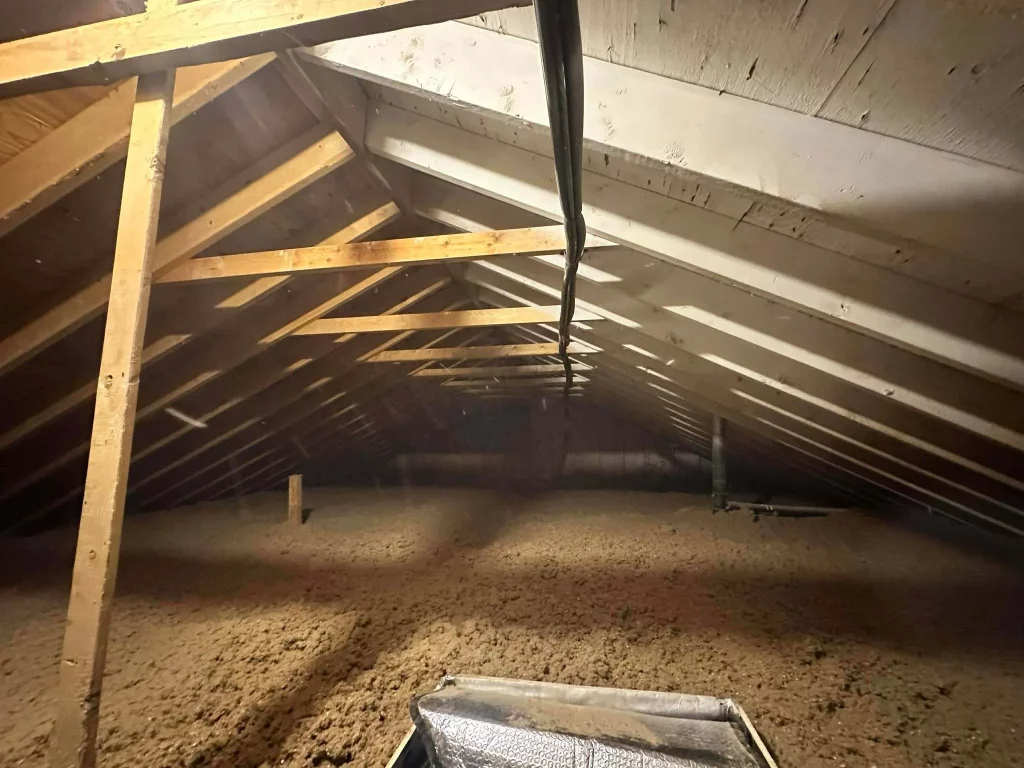
For Sutton homeowners, installing new insulation is a chance to solve two problems at once: energy loss and wildlife intrusion. The insulation material itself plays a supporting role, but the air sealing and cleanup done beforehand are what actually deliver the pest control benefit. Look for a contractor who treats the attic as one connected system rather than just dropping in new material over old problems.
Yes. Given enough motivation, mice and squirrels can tunnel through both fiberglass and cellulose. A properly installed, dense layer is a far less appealing tunneling medium than open wall cavities or old, compressed insulation, but it isn’t chew-proof on its own.
No. Insulation doesn’t act as a trap. If exclusion work is done correctly before installation, pests are already sealed out. If one does get in later, it can occasionally become stuck between an exterior wall and the insulation, which sometimes causes an odor issue that needs professional attention.
Cellulose has a slight edge because of its borate treatment, which is toxic to many common insects. For rodents specifically, both materials perform similarly as dense physical barriers, as long as air sealing is complete first.
Watch for musty odors, visible droppings, flattened tunnel paths, or discoloration from urine. Any of these signs means professional removal is the right next step, not covering it with new material.
No. Cellulose reduces the appeal of an attic for nesting and includes a chemical deterrent for insects, but it’s not a substitute for pest exclusion. Rodents that are already inside the building envelope need to be removed and their entry points sealed regardless of insulation type.
Ready to make your attic more energy efficient and less appealing to wildlife? Get a free quote and have a professional assess what your attic actually needs.
Related reading: Spray Foam vs Reflective Insulation: What Works Best in Extreme Weather?