How to Address Uneven Insulation Coverage With Open-Cell Spray Foam in Worcester, MA
Fixing uneven insulation coverage with open-cell spray foam in Worcester, MA starts with diagnosis, not with more foam. Our team…

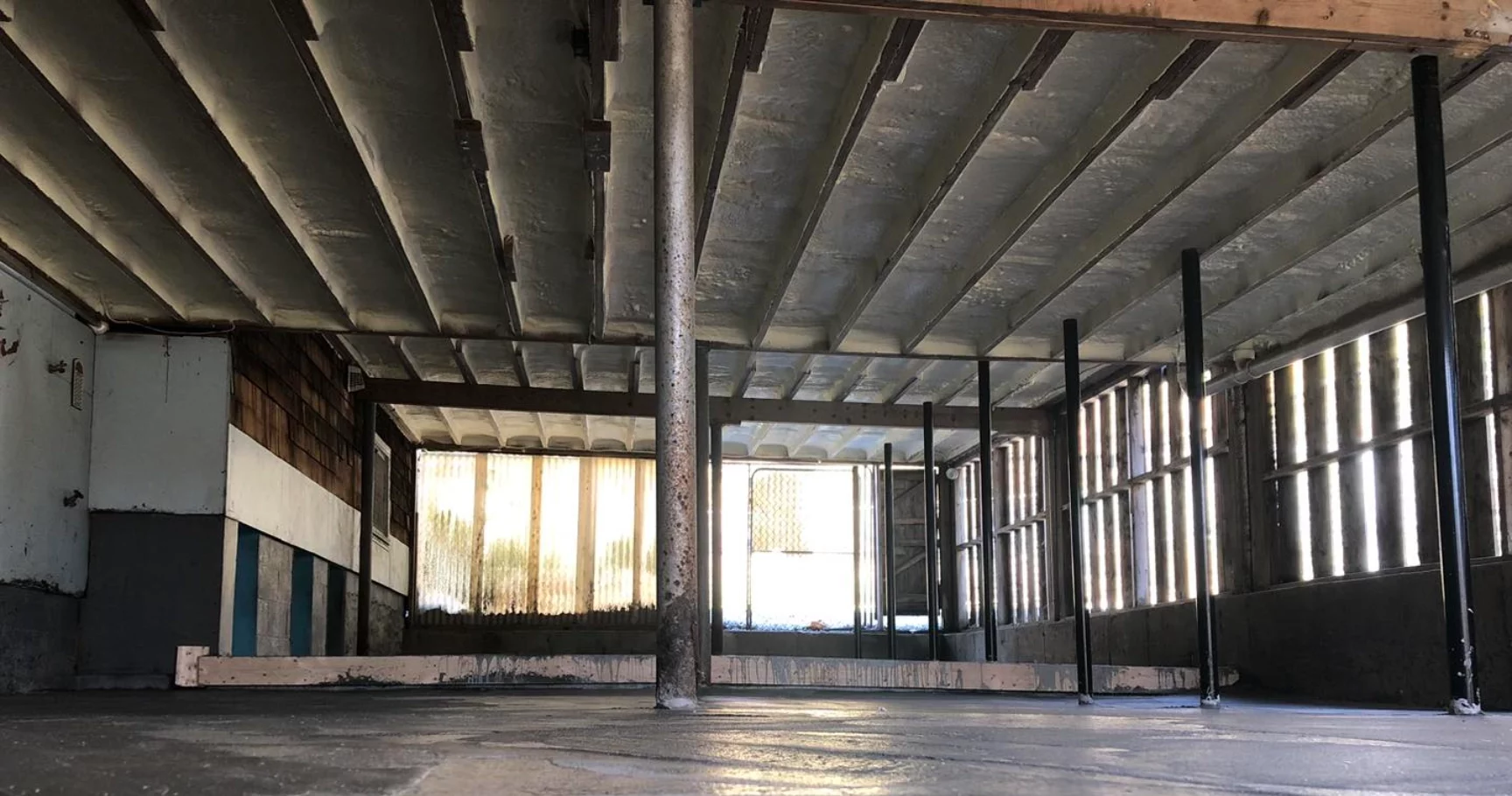
Choosing between intumescent coatings vs fire retardant paint comes down to one question: does the surface need a thermal barrier, or does it just need to resist flame spread? The two are often used interchangeably in conversation, but they behave very differently once heat is applied, and code requirements usually dictate which one a project actually needs.
Lamothe Spray Foam Insulation applies both systems across residential and commercial jobs in the Northeast, and this guide breaks down how each performs, where each fits, and how to decide between them. For a broader look at how fire protection fits into a full insulation project, our services overview covers everything from spray foam to thermal coatings in one place.
| Feature | Intumescent Coating | Fire Retardant Paint |
|---|---|---|
| Primary Function | Thermal insulation during fire | Slows ignition and flame spread |
| Fire Reaction Mechanism | Expands to form a char barrier | Forms a chemical shield to suppress fire |
| Expansion Under Heat | Yes, up to 50x original thickness | No |
| Thickness After Application | Thick, up to several millimeters | Thin, similar to regular paint |
| Application Surface Suitability | Steel, wood, spray foam, concrete | Drywall, wood, fabric, decorative surfaces |
| Duration of Fire Protection | Up to 2 hours, depending on system | Typically under 1 hour |
| Visual Appearance | Usually textured or matte | Smooth, decorative finish |
| Reapplication Frequency | Low, long-term solution | Higher, depending on wear |
| Specification | Intumescent Coating | Fire Retardant Paint |
|---|---|---|
| NFPA 286 Compliance | Yes, on tested systems | Yes |
| ASTM E84 Flame Spread Index | 0 to 25 (Class A) | 0 to 25 (Class A) |
| Thermal Barrier Rating | Meets thermal barrier requirements over foam | Does not qualify as a thermal barrier |
| Expansion Ratio (Foam Char) | Up to 50:1 | N/A |
| Common Application Thickness | 30 to 300 mils wet film | 6 to 10 mils wet film |
Bonus tip: When applied over spray foam insulation, only intumescent coating for spray foam systems satisfies IRC thermal barrier codes. Fire retardant paint alone does not meet that requirement.
Bonus tip: Fire marshals in Massachusetts and surrounding states often require intumescent coatings in basement remodels involving fire retardant paint for spray foam insulation, due to stricter local code enforcement.
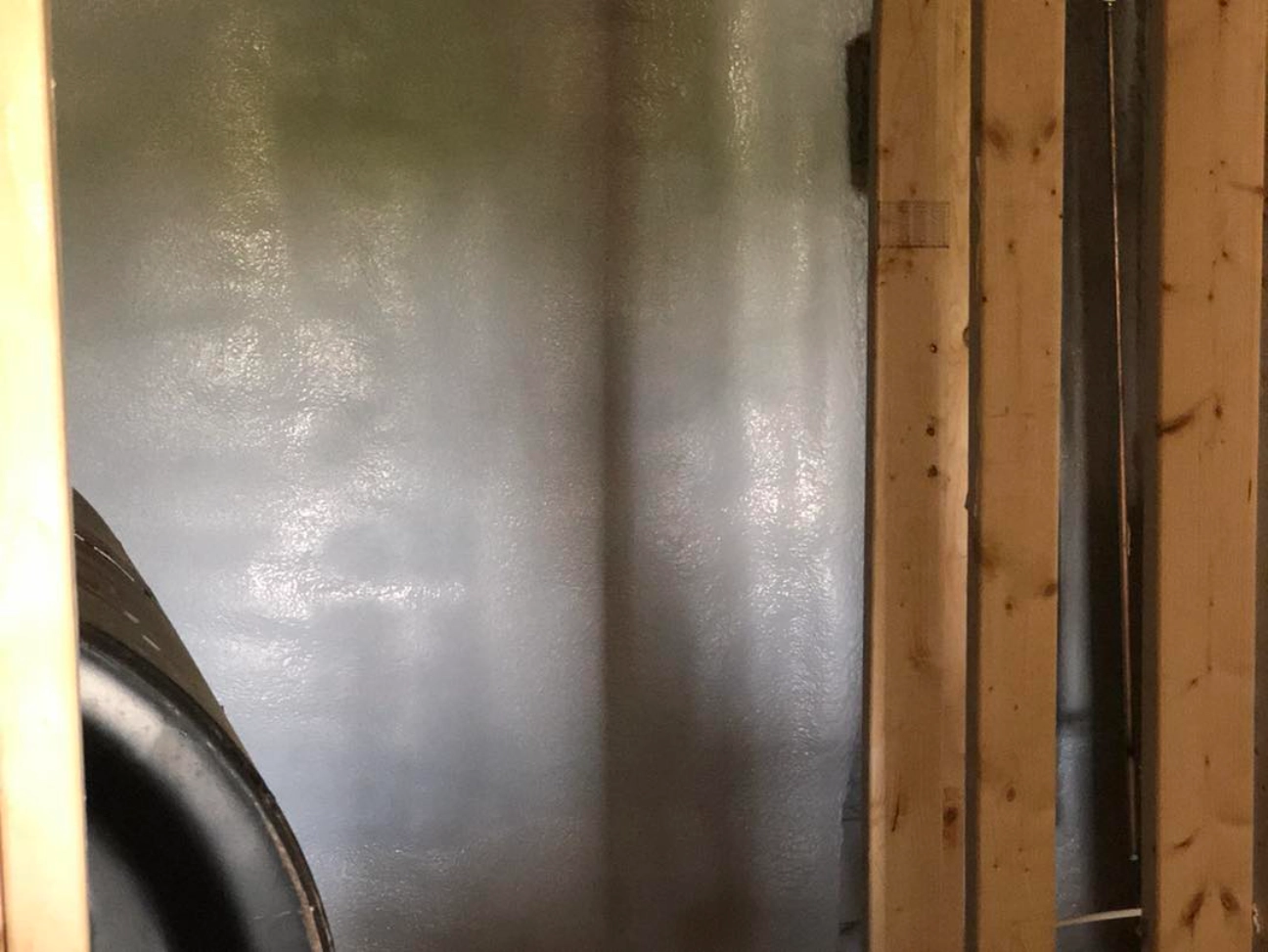
The distinction between the two systems is not just a manufacturer’s marketing claim. It’s built into the test standards both products are measured against. NFPA 286, the “room corner” test, evaluates how much a wall or ceiling finish contributes to fire growth inside an enclosed space, which is the standard tested intumescent systems are measured against. ASTM E84 measures flame spread and smoke development along an exposed surface, which is why both intumescent coatings and fire retardant paint can carry the same Class A rating even though only one of them acts as a thermal barrier.
The right choice between intumescent coatings vs fire retardant paint comes down to material type, fire code, and function. Intumescent coatings are the requirement for high heat protection and thermal barrier compliance, especially over spray foam. Fire retardant paint fits finished, visible surfaces that need flame resistance without a thermal barrier.
If you are weighing insulation performance alongside fire protection, our comparison of spray foam vs reflective insulation in extreme weather covers how each material holds up outside of fire code considerations.
Not sure which system your project actually needs? Reach out for a consultation and we will walk through your substrate, code requirements, and fire protection goals before recommending a system.
No. Fire retardant paint does not qualify as a thermal barrier over spray foam under IRC code. An intumescent coating is required in that scenario.
Yes. It adds thickness along with a matte or textured finish, so it is not ideal for visible decorative areas.
Some products are, but it depends on the brand and the application surface. Reapplication may be needed after cleaning.
In specific cases, yes. A common approach is a base intumescent layer with a fire retardant decorative topcoat over it.
Intumescent fireproofing is a thin coating that expands into a char layer under heat, making it well suited to spray foam, steel, and areas where weight and thickness matter. Cementitious fireproofing is a thicker, sprayed cement-based material typically used on structural steel in commercial construction. It offers strong fire resistance but adds significantly more weight and is harder to apply to irregular or finished surfaces.
How long do intumescent coatings last?
Many systems last 10 or more years depending on environment and exposure. Periodic inspection is recommended.